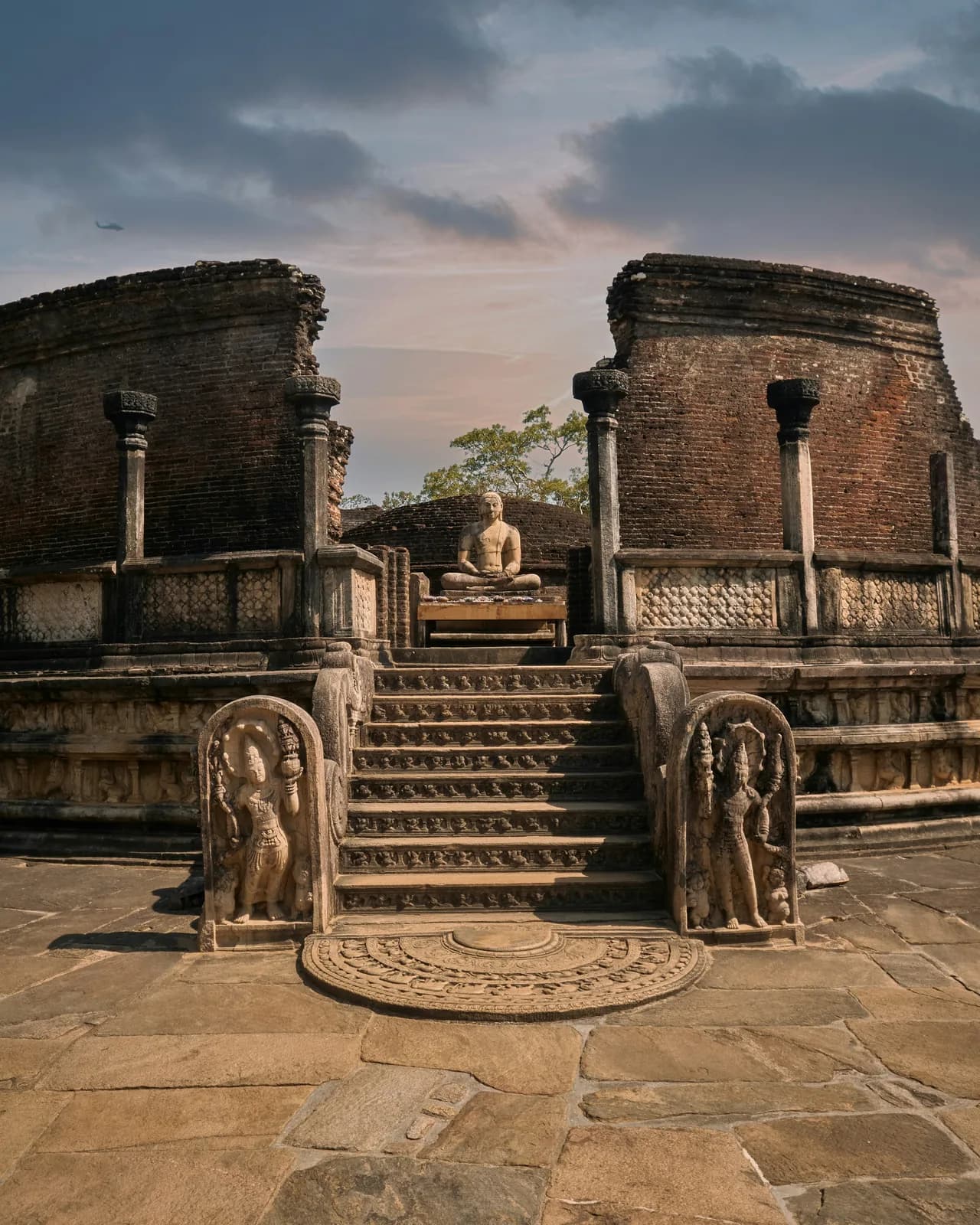
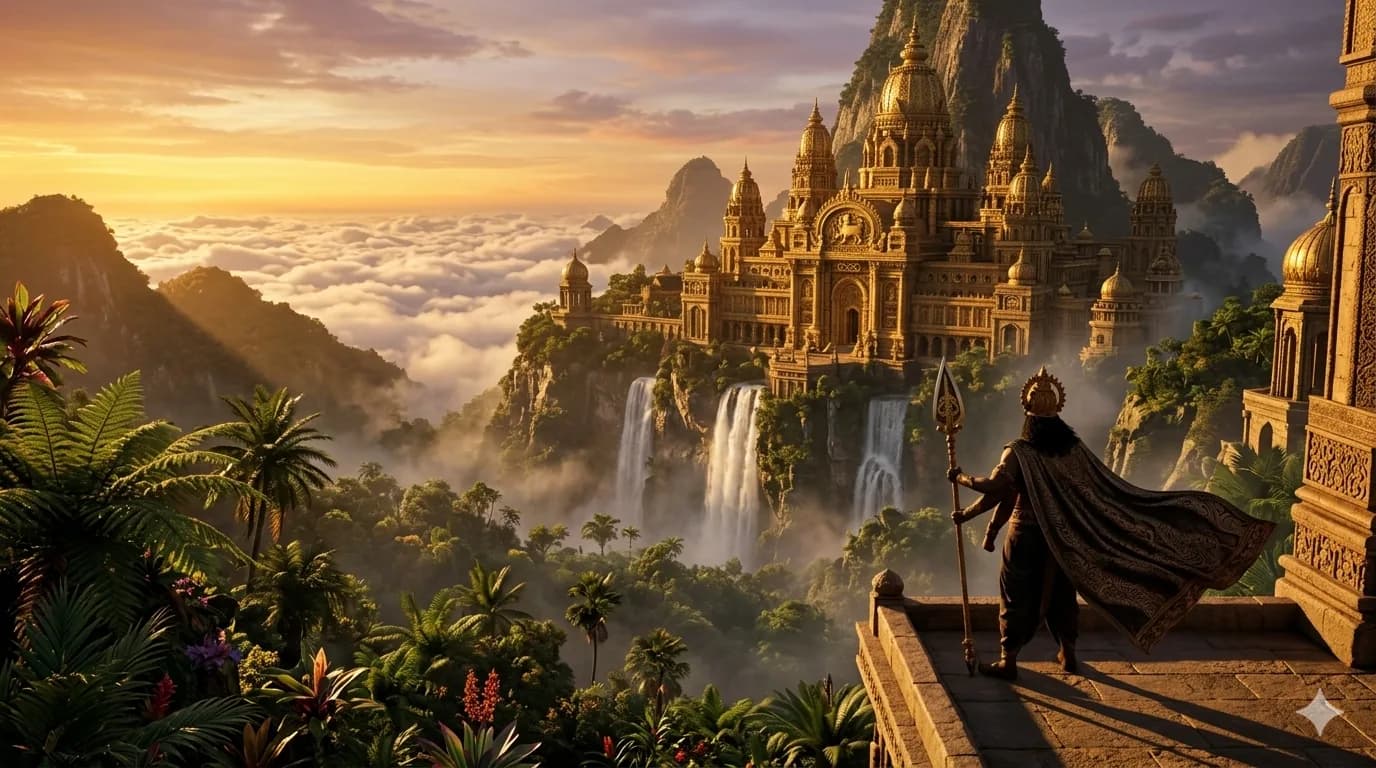
Ravana's golden palace Lankapura rising above the clouds

Sri Lanka’s Greatest Legend

Ravana’s
Golden Lanka

Walk the trail of the most powerful kingthe ancient world ever knew

In Sri Lankan tradition, Ravana was not merely a demon but a scholar who mastered the four Vedas, a physician who authored seven books on Ayurveda, and a king whose golden city of Lankapura was said to surpass all earthly wonder.

3,000+

years of legend

15

Ramayana sites in Sri Lanka

10 heads

10 disciplines mastered

The Story

The King Beyond the Epic

n Sri Lankan culture, Ravana is not the villain. He is celebrated as Dasis Sakvithi Maha Ravana, a great emperor. His ten heads represent mastery of ten disciplines: music, medicine, warfare, astronomy, statecraft, and more. He is said to have invented the violin-like Ravanhattha and authored the Ravana Samhita, a treatise on astrology still studied today.

“The soil of the ancient battlefield is still red today.”

Lankapura

The City of Gold

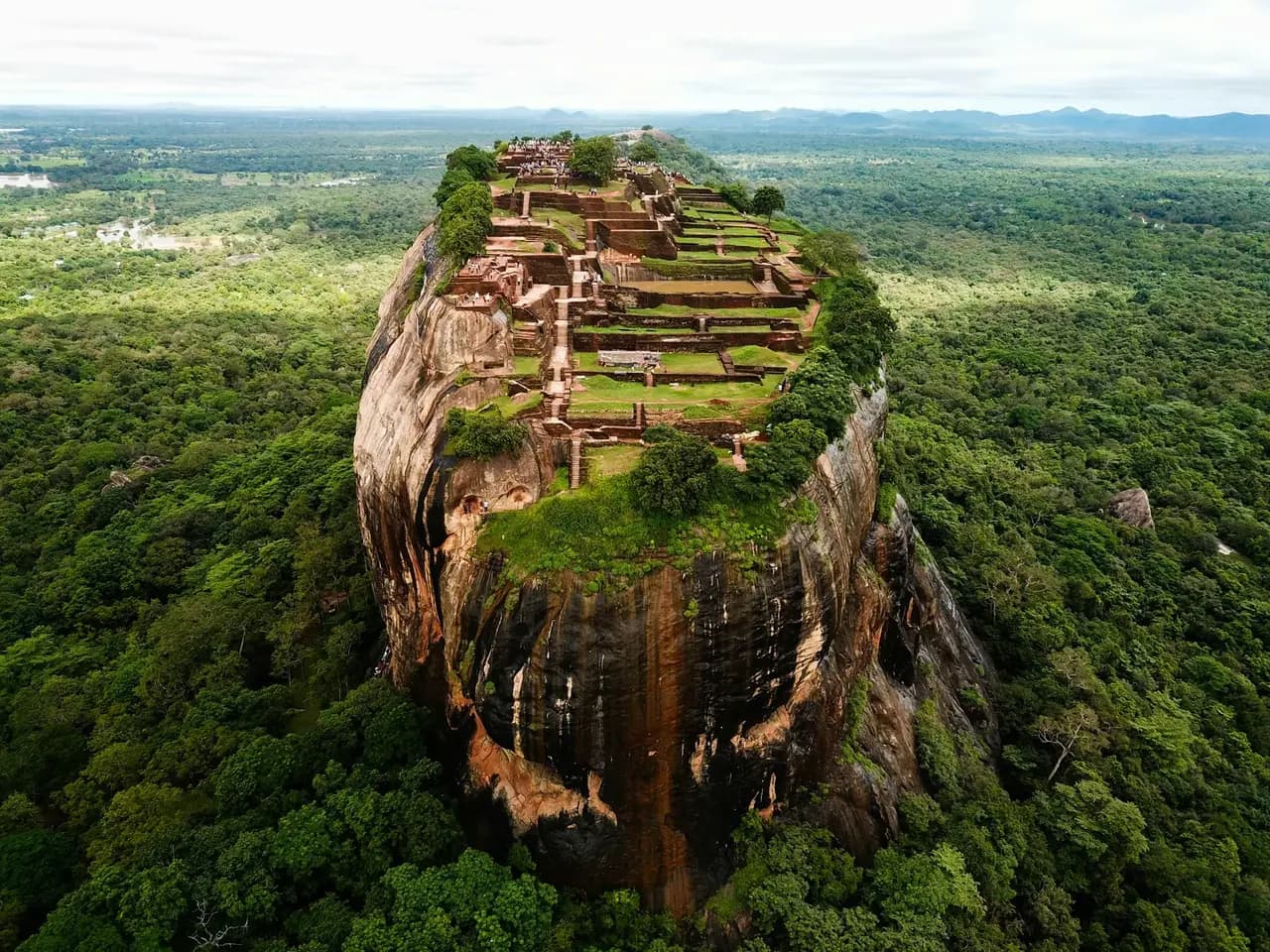
Lankapura, Ravana’s capital, was described as a city that surpassed all earthly wonder: golden walls, sacred lakes, and flying chariots called Pushpaka Vimana. Sigiriya’s ancient rock fortress, rising dramatically 200m above the jungle, is believed by many scholars to stand where Ravana’s palace once gleamed.

“Lanka was a city of gold, its walls adorned with precious gems.”

The Journey

The Ravana Trail

Fifteen sites in Sri Lanka are directly connected to Ravana’s story, still bearing his name, still holding his legend in their soil. From the soaring rock of Sigiriya to the cliff temples of Trincomalee, the ancient shrines of Chilaw and the sacred peaks of the Hill Country, each site is a physical echo of a myth that refuses to become merely a story.
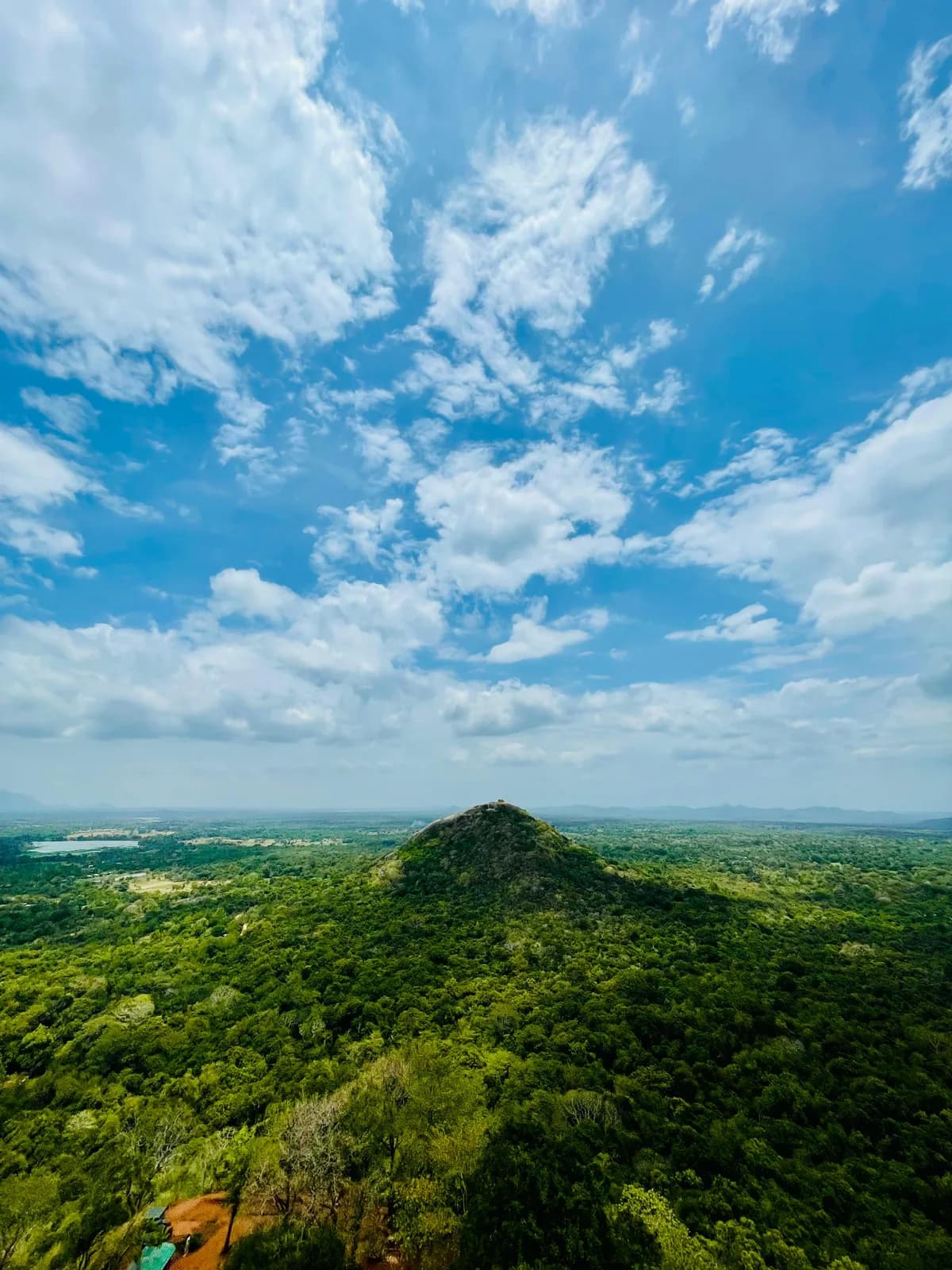
Sigiriya Rock Fortress viewed from the water gardens, Sri Lanka

Sigiriya, believed to be Lankapura

Space heritage

Named his satellite Raavana 1

Astrological science

Authored the Ravana Samhita

Musical invention

Ravanhattha, inventor of the violin

The Trail

15 Sacred Sites of Ravana’s Lanka

Locations where the legend lives on in the landscape of modern Sri Lanka

Ravana Caves
Ella, Uva Province

Ravana Caves

The King's Secret Lair

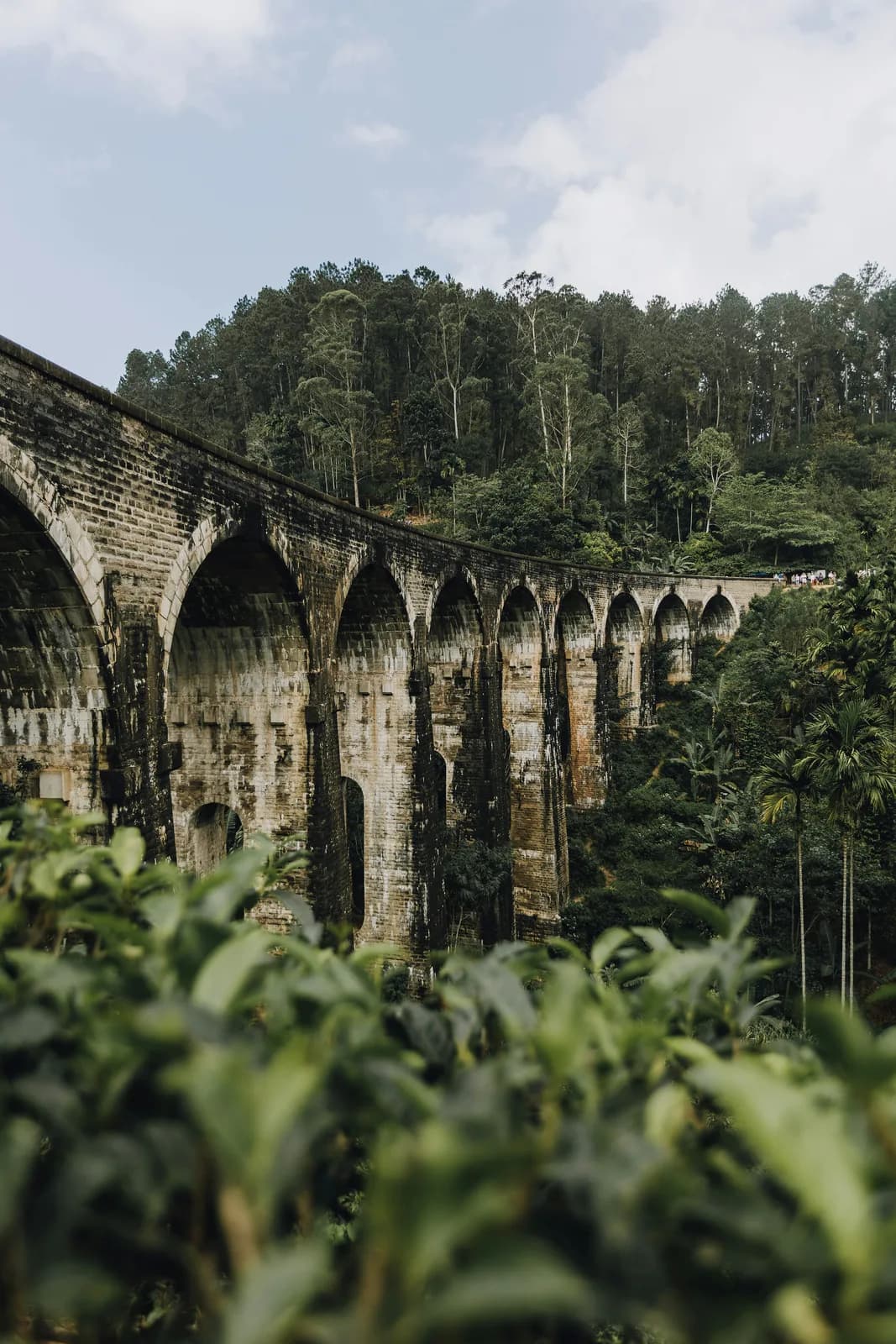
Perched above Ella, these ancient caves are steeped in Ramayana lore. The surrounding cliffs and dense jungle create an atmosphere of mystery that matches the legend's descriptions of Ravana's hidden sanctuaries.

Mythological Significance

A network of ancient caves where Ravana is said to have meditated and stored his vast treasures. Local legends describe tunnels connecting to other Ramayana sites across the island.

211 kmYear round · Early morning for mist
Ravana Falls
Ella, Uva Province

Ravana Falls

Named for the King Himself

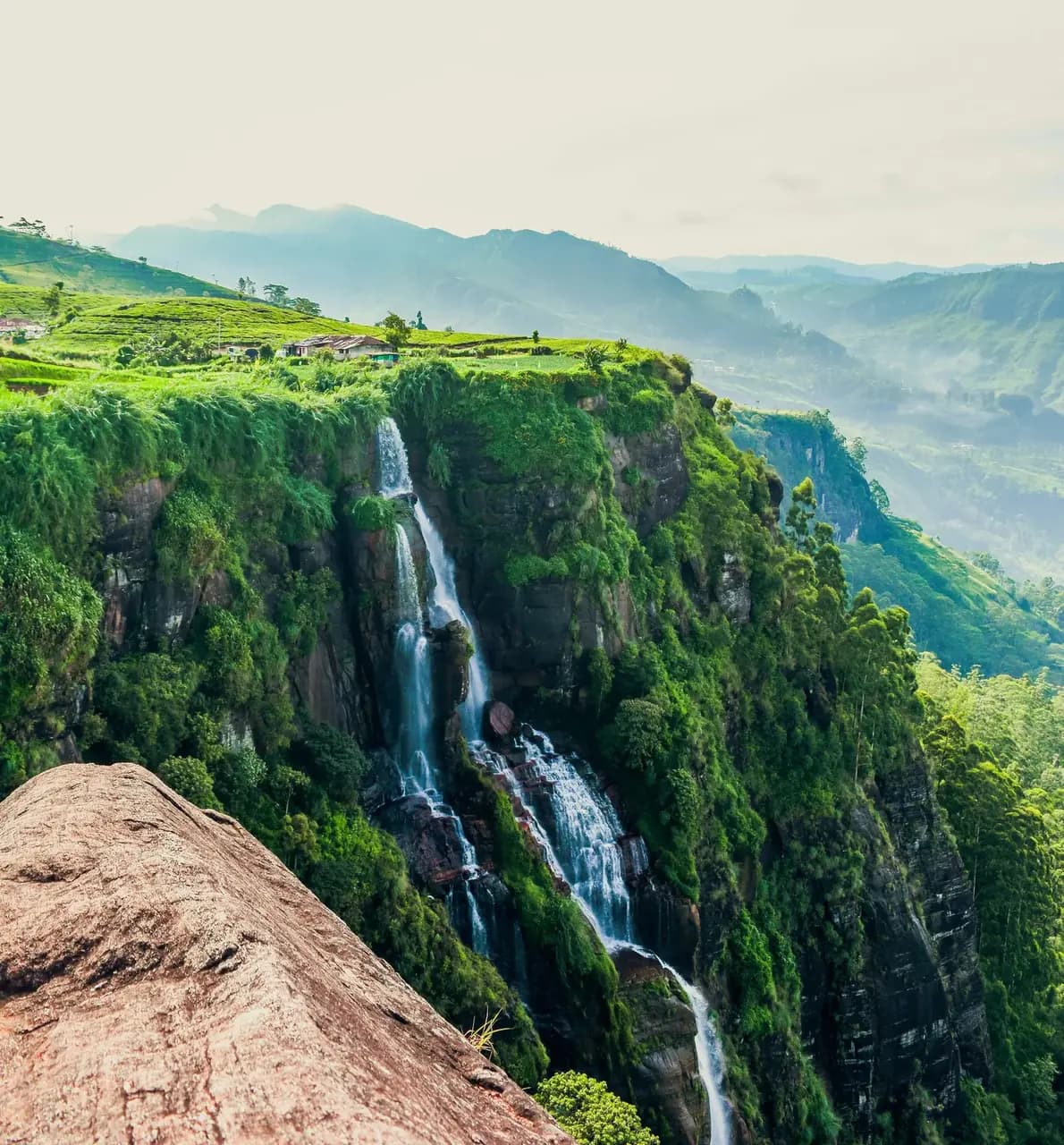
Near Ella, Ravana Falls thunders 25 metres through the jungle within Ravana Ella Wildlife Sanctuary, still bearing the king's name. A sacred site where pilgrims following the Ramayana trail come to reflect.

Mythological Significance

One of Ravana's airports torched by Hanuman - the scorched earth surrounding this waterfall is still visible today. Ancient texts mention this valley as part of Ravana's domain.

214 kmAfter monsoon (Oct–Dec)
Seetha Amman Temple
Sita Eliya, Nuwara Eliya

Seetha Amman Temple

Ashoka Vatika - The Paradise Garden

At 1,800m altitude near Nuwara Eliya, the Sita Amman Temple stands beside the stream where Sita bathed. The footprints embedded in rock beside the stream are believed to be Sita's own. Himalayan herbs brought by Hanuman still grow in the surrounding hills.

Mythological Significance

The celestial garden where Ravana kept Sita captive - described as paradise on earth. The stream beside the temple is where Sita is said to have bathed daily during her captivity.

158 kmApril–September
Kothmale - Sita's Rice Ball Trail
Kothmale, Central Province

Kothmale - Sita's Rice Ball Trail

Where Sita's Tears Fed the Land

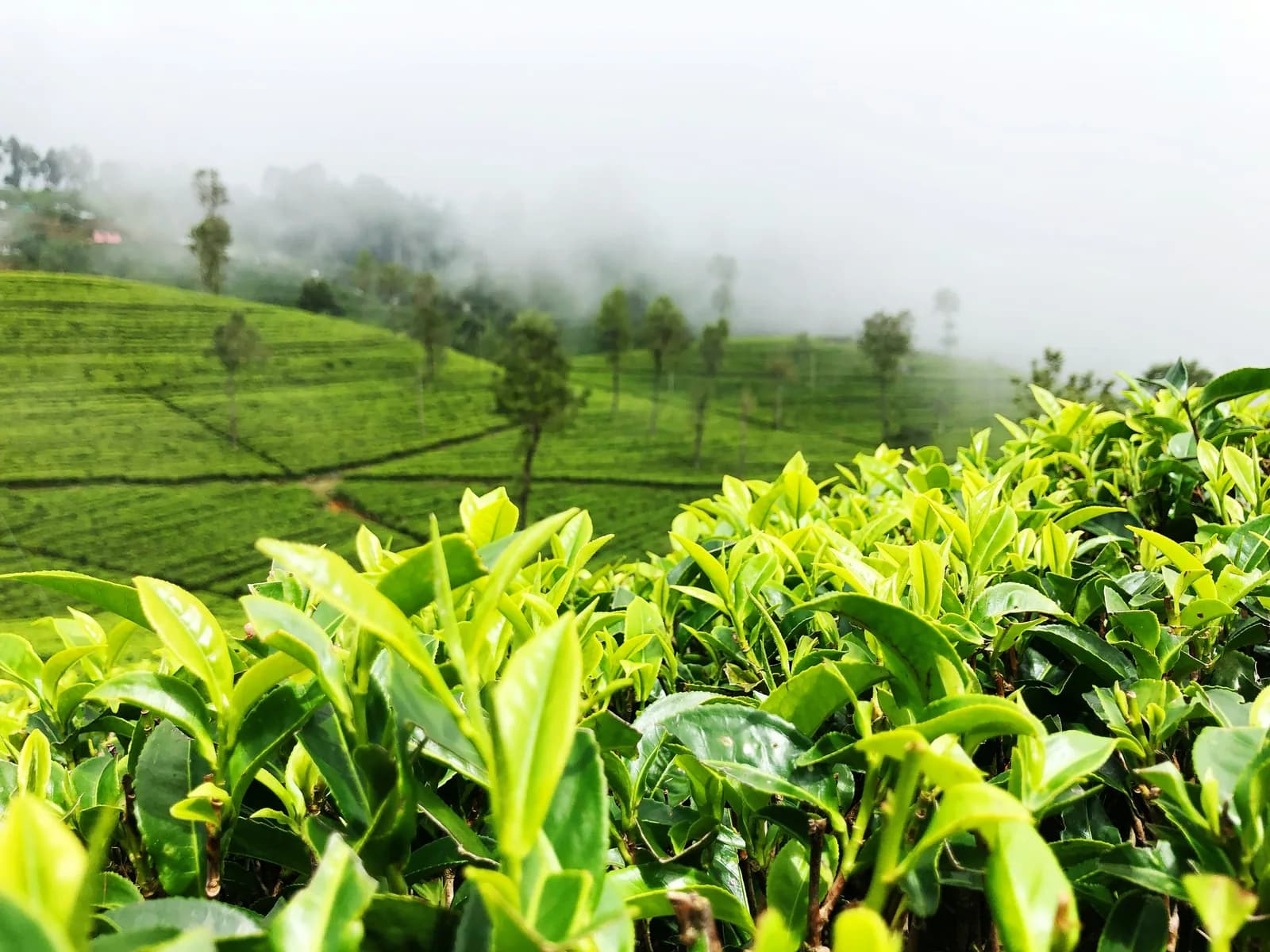
The lush Kothmale Valley holds the story of Sita's passage through Lanka. The name itself - derived from 'koththu mala' (hill of rice balls) - preserves the legend in the landscape. Today it is one of Sri Lanka's most scenic tea-growing valleys.

Mythological Significance

Legend says Sita dropped rice balls (koththu) while being carried through this valley, giving Kothmale its name. The fertile land is said to be blessed by Sita's sorrow.

120 kmYear round
Kelaniya Raja Maha Viharaya
Kelaniya, Western Province

Kelaniya Raja Maha Viharaya

The Temple Ravana Built in Penance

One of Sri Lanka's most revered Buddhist temples, Kelaniya's history predates Buddhism itself. The Ramayana connection holds that Ravana established worship here seeking divine forgiveness. The magnificent murals inside depict both Buddhist and pre-Buddhist myths.

Mythological Significance

Ravana built this temple to atone for the sin of abducting Sita. The original shrine is said to date to the time of the Ramayana, making it one of the oldest sacred sites in Lanka.

11 kmYear round · Best during Duruthu Poya (Jan)
Manavari Temple
Chilaw, North Western Province

Manavari Temple

Ramalinga Shivam - Rama's Offering to Shiva

The Manavari Temple houses the Ramalinga Shivam - a Shivalinga consecrated by Rama after the battle. As the sole temple in Sri Lanka dedicated to Rama's act of penance, it occupies a unique place in both Hindu and Ramayana pilgrimage circuits.

Mythological Significance

Lord Rama himself installed the Shivalinga here to atone for killing Ravana, who was a great devotee of Shiva. This is the only temple in Sri Lanka where Rama is worshipped.

96 kmYear round
Munneswaram Temple
Munneswaram, Chilaw

Munneswaram Temple

Ravana's Celestial Shiva Shrine

An ancient and powerful Shiva temple with roots going back over 1,000 years. The Munneswaram complex hosts multiple shrines and is a major pilgrimage site for both Hindus and Buddhists. The annual festival draws tens of thousands of devotees.

Mythological Significance

One of the five ancient Ishwaram temples of Sri Lanka, established by Ravana as a powerful Shiva shrine. Rama is said to have worshipped here before crossing to Lanka.

83 kmAugust–September (festival season)
Thiru Koneswaram Temple
Trincomalee, Eastern Province

Thiru Koneswaram Temple

The Temple of the Thousand Pillars

Perched dramatically on Swami Rock above Trincomalee harbour, the Koneswaram Temple offers stunning views over the Indian Ocean. Ancient records describe Ravana's original temple of a thousand pillars - much of it was destroyed in the colonial era, but the sacred energy remains.

Mythological Significance

Built by Ravana himself, this cliff-top temple was one of the most magnificent Shiva shrines in ancient Asia. Ravana's great devotion to Shiva is said to have originated here.

261 kmApril–September
Ketheeswaram Temple
Mannar, Northern Province

Ketheeswaram Temple

Gateway to Lanka's Sacred North

Located on the remote Mannar peninsula, Ketheeswaram is one of the Pancha Ishwaram temples - the five ancient Shiva shrines established by Ravana. The site near Adam's Bridge (Rama Setu) makes it central to the crossing of Hanuman's army.

Mythological Significance

One of Ravana's five great Shiva temples, Ketheeswaram guarded the northern edge of Lanka. Legend says Hanuman crossed to Lanka near this point and could see the temple's flame from the sea.

328 kmMay–September
Dolukanda
Kurunegala District

Dolukanda

Where Sanjeevani Herbs Were Dropped

The distinctive white rock summit of Dolukanda ('dolu' = light/pieces) rises above the Kurunegala plains. Ancient Ayurvedic texts identify rare herbs found here that are not found elsewhere in Sri Lanka - a detail consistent with the Ramayana legend of the Sanjeevani herbs.

Mythological Significance

When Hanuman carried the Sanjeevani mountain to revive Lakshmana, a piece broke off and landed here. The rare medicinal herbs found on Dolukanda's summit are still believed to have healing properties.

95 kmDecember–April
Yahangala
Mahiyanganaya, Uva Province

Yahangala

Ravana's Resting Place

A striking flat-topped granite outcrop near Mahiyanganaya, Yahangala commands sweeping views across Sri Lanka's central highlands. The hike to the summit reveals smooth rock formations that local tradition has always called Ravana's bed. The Mahaweli River curves through the valley below.

Mythological Significance

Yahangala means 'bed rock' - the flat summit rock where Ravana is said to have rested and surveyed his kingdom. The panoramic views from the top match ancient descriptions of Lanka's great king watching over his domain.

185 kmJanuary–April
Ramboda Hanuman Temple
Ramboda, Central Province

Ramboda Hanuman Temple

The Monkey God's Mountain Shrine

The Ramboda Hanuman Temple clings to a cliff-face at 1,000m altitude above Ramboda gorge, with extraordinary views over the tea estates below. The temple and the nearby waterfall are among the most scenic stops on the Ramayana trail.

Mythological Significance

Built on a cliff above Ramboda Pass, this temple marks where Hanuman rested during his search for Sita. The nearby Ramboda Falls were a landmark used by Hanuman to navigate Sri Lanka's central highlands.

142 kmYear round
Panchamuga Hanuman Temple
Colombo, Western Province

Panchamuga Hanuman Temple

Five-Faced Hanuman in the Capital

Located in the heart of Colombo, this active Hindu temple is dedicated to the Panchamuga (five-faced) form of Hanuman. It serves as the starting or ending point for many pilgrims undertaking the Ramayana trail across Sri Lanka.

Mythological Significance

The five-faced (Panchamuga) form of Hanuman is worshipped here - representing his powers in all five directions. This form is associated with Hanuman's search across all of Lanka for Sita.

3 kmYear round
Sita Kotuwa
Matale District

Sita Kotuwa

Sita's Fort - Where She Was Held

Deep in the jungle of Matale district, Sita Kotuwa (Sita's Fort) preserves ancient earthworks in a remote forest setting. Ravana is said to have had an aircraft repair centre at nearby Gurulupotha. The surrounding landscape matches descriptions of lush, hidden Lanka.

Mythological Significance

The 'Fort of Sita' - where Ravana moved Sita before Hanuman discovered her location. Ancient earthworks and stone formations visible at the site match descriptions of a fortified compound from the Ramayana.

130 kmYear round
Sigiriya - Naguliya Cave
Cultural Triangle

Sigiriya - Naguliya Cave

The Sky Palace of Ravana

Called the Eighth Wonder of the World, Sigiriya is Sri Lanka's most iconic monument. The Naguliya Cave at its base may predate the 5th-century AD palace. Its sheer scale - 200m above the surrounding jungle - makes it the most dramatic candidate for Ravana's legendary sky citadel.

Mythological Significance

Believed to be Ravana's royal capital - Lankapura. The massive rock column rises 200m from the jungle, its ancient lion-mouth gateway and mirror wall matching mythological descriptions of Ravana's golden citadel.

172 kmOpen daily 05:00–17:00 · Best before 9AM

Geography

Map the Ancient Kingdom

Ravana Trail

15 Sacred Sites

Loading the ancient kingdom…

The Ramayana Trail

Add the Legend to Your Itinerary

Combine the Ravana Trail with Sri Lanka’s beaches, tea country and wildlife for the ultimate island experience.

Choose Your Trail Sites