Tip
Key seasonal rule: The west and south coasts are best December through April. The east coast flips it - May through October, when the south is wet. This means Sri Lanka always has a beach season running somewhere on the island. Plan your itinerary around the active coast for your dates.
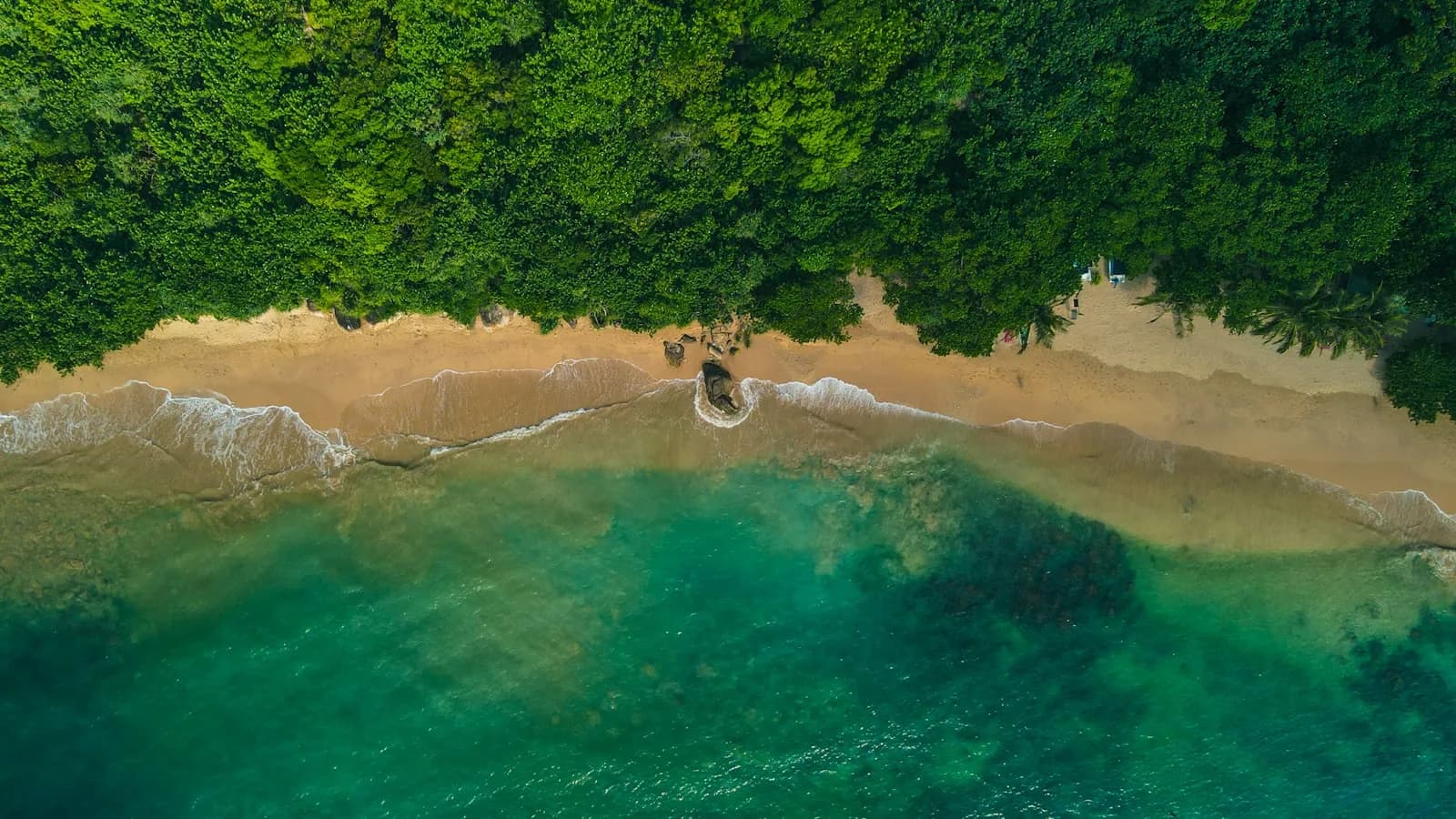
Sri Lanka has 833 miles of coastline. That number is worth sitting with for a moment, because it means the island - roughly the size of Ireland - packs in more beach variety than most countries ten times its size. The south coast has calm, curved bays backed by jungles. The east coast has vast empty stretches of white sand and some of the best surf in Asia. The west coast is lined with resort towns that have been welcoming visitors since the 1970s. The north has beaches so empty you will have the sand to yourself.
The problem with most Sri Lanka beach guides is that they list everything and rank nothing. This guide tells you what each beach is actually like, who it suits, when to go, and what to manage your expectations about. No beach in Sri Lanka is the Maldives. What they offer instead is variety, character, and almost no crowds compared to Thailand or Bali.
South Coast Beaches
The south coast - roughly from Galle to Tangalle - is the most popular stretch, and with good reason. It has the best infrastructure, the most consistent surf, good reef snorkelling, whale watching from Mirissa, and the historic fort town of Galle as an anchor. December through April is the window. Outside that, swells can make swimming dangerous and sea conditions rough.
Unawatuna
Best for: Couples, first-time visitors, snorkelling, convenience
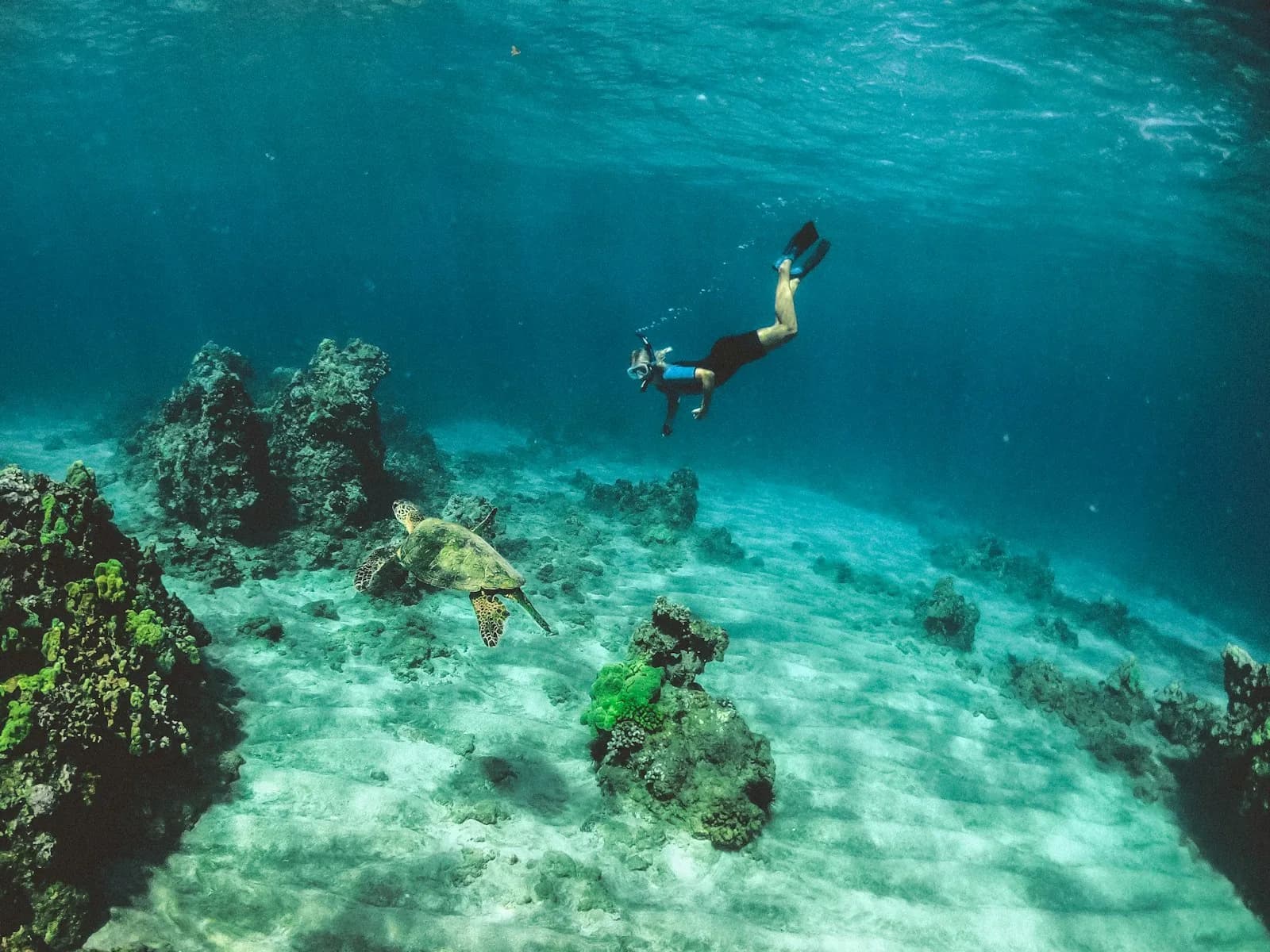
Unawatuna sits 6 km east of Galle and is probably the most visited beach on the south coast. The bay curves in a near-perfect horseshoe, the water is calm and shallow at the western end (good for non-swimmers), and the reef at the headland has decent snorkelling - parrotfish, pufferfish, and sometimes sea turtles visible without going deep.
The trade-off is that Unawatuna is popular, and you feel it. The beach road is lined with restaurants and guesthouses, the sand gets busy by mid-morning, and the sea is not as clear as it looks in photographs taken at 7am. Come for the convenience - everything is close, the beach road has good food options, and day-trips to Galle Fort take 10 minutes by tuk-tuk. Do not come expecting solitude.
Snorkelling: The reef at the eastern headland (Jungle Beach side) is the best spot. Rent equipment from any beachfront shack for around $3.
Water conditions: Calm December to April. Rip currents develop outside these months - check flags and follow them.
Mirissa
Best for: Whale watching, couples, sunset views, mild surf
Mirissa is where most visitors come for one specific thing: blue whale sightings from November to April, when Sri Lanka is home to the highest blue whale densities in the world. The whale-watching boats leave at 6:30am and most tours run 4-5 hours. Blue whales are sighted on roughly 80% of trips during peak season (December to March). Sperm whales and spinner dolphins are common even when blues are not.
The beach itself is a gentle arc of golden sand, calmer than nearby Weligama (which has stronger surf) and prettier than Unawatuna. A rocky headland at the eastern end - Parrot Rock - is good for watching sunsets. Mirissa town has grown significantly in the past decade and now has a solid range of restaurants and places to stay at every budget level.
Whale watching: Book directly with MCSS-affiliated operators (they follow ethical distance protocols). Avoid boats that advertise guaranteed sightings - no ethical operator guarantees this.
Crowds: Peak December to March is busy. April is calmer and still good weather.
Hiriketiya
Best for: Surfers, a crowd that wants to avoid the tourist strip
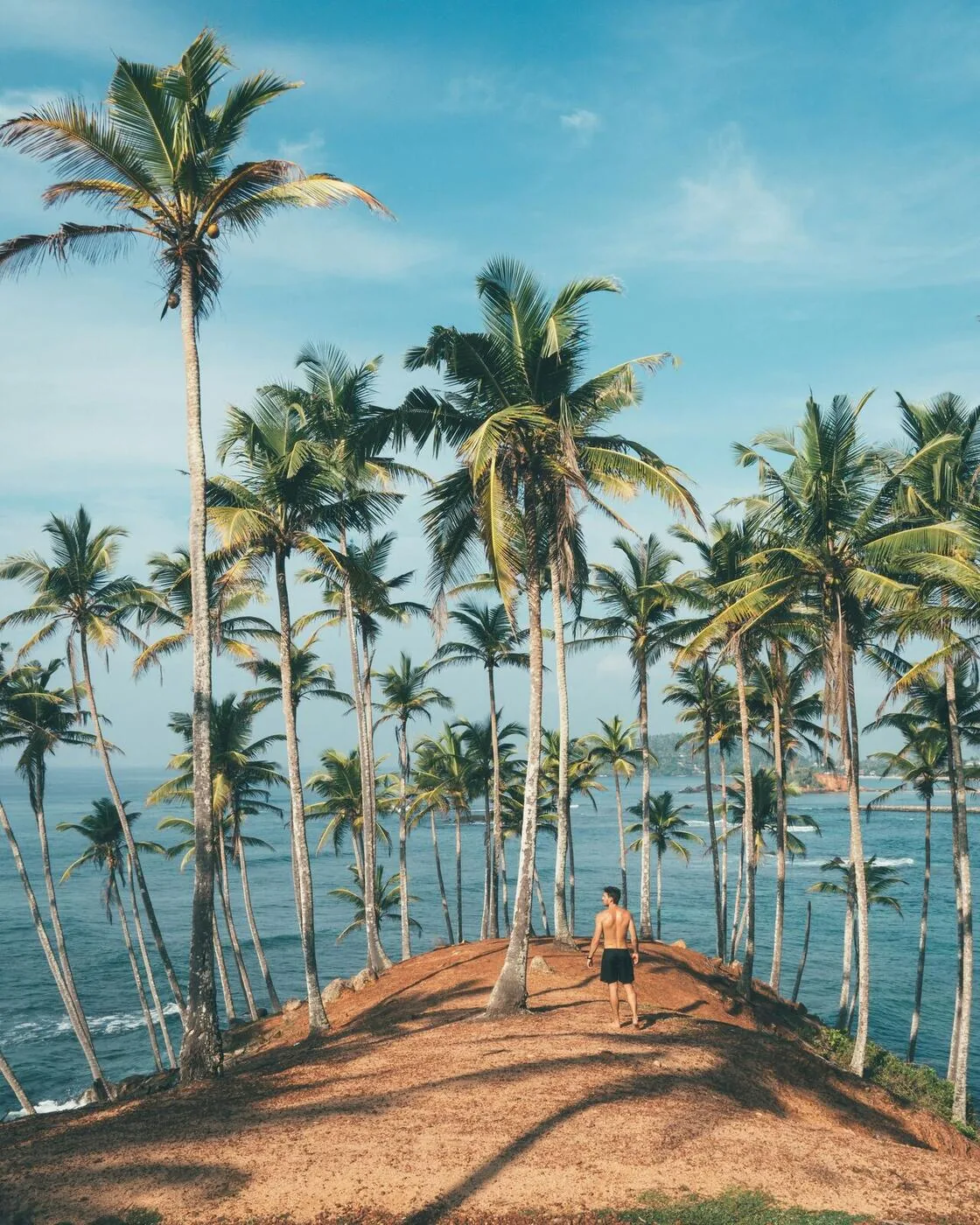
Hiriketiya is a small horseshoe bay 15 km east of Mirissa, and it is where to go if you want a beach that still feels discovered rather than packaged. The bay catches a clean left and right break that is genuinely good for beginner and intermediate surfers, and the village behind it has grown into a low-key scene of independent cafes and surf schools without becoming a full resort strip.
The sand is narrower than Mirissa and there is less shade, but the vibe is noticeably more local. It is the kind of beach where you spend three days and consider cancelling the rest of your trip.
Tangalle
Best for: Quiet beaches, nesting sea turtles, escaping other tourists
Tangalle sits where the south coast starts to empty out. The town itself is an ordinary Sri Lankan fishing port - in a good way. The beaches east of town (Marakolliya, Goyambokka) are long, largely undeveloped, and backed by low dunes. Five leatherback and loggerhead turtle nesting sites are located within 10 km of Tangalle, and between November and April you can sometimes observe nesting turtles at night with a local guide.
The sea at Tangalle is stronger than at Unawatuna or Mirissa - not suitable for weak swimmers. But if what you want is a long empty beach with no beach vendors and no banana boats, this is the right place on the south coast.
Where to Stay on the South Coast
Hotels near South Coast Sri Lanka
Compare prices across Booking.com, Agoda & more
Powered by Travelpayouts · We may earn a small commission at no extra cost to you.
West Coast Beaches
The west coast - Negombo, Kalutara, Bentota, Hikkaduwa - is older Sri Lanka tourism. These are the beach towns that European charter groups discovered in the 1980s, and while the resort infrastructure shows its age in places, the beaches themselves are genuine and the season (November to April) overlaps perfectly with European winter escapes.
Bentota
Best for: Couples, water sports, easy access from Colombo airport
Bentota is one of the prettiest stretches of beach on the west coast. The sand is wide, the palms are tall, and the Bentota River behind the beach creates an unusual ecosystem - boat safaris up the river pass mangroves, monitor lizards and water buffalo. The beach town itself is quieter than Hikkaduwa, and the accommodation tilts toward boutique properties and mid-range hotels rather than backpacker guesthouses.
Water sports - jet skiing, windsurfing, banana boats - are more developed here than anywhere else on the west coast. If you are with someone who wants to surf-ski while you read, this is the beach for that compromise.
Getting there: 90 minutes south of Colombo by train, or 2 hours by road. The Colombo-Matara rail line stops at Bentota station - one of the best value train journeys in Sri Lanka.
Hikkaduwa
Best for: Backpackers, divers, reef snorkelling, nightlife
Hikkaduwa is louder and more built-up than Bentota - a long beach road lined with dive shops, surf rental shacks, and restaurants that have been here since the late 1970s. The reef at the northern end of the beach (Hikkaduwa Coral Sanctuary) is a protected marine park and one of the better snorkelling spots on the west coast, with green sea turtles feeding on the reef most mornings.
Diving is the main draw: visibility is 10-15 metres in season and the reef has good hard coral cover. Several wrecks in the 20-30 metre range give the dive sites more variety than most west coast spots.
Surf: The beach break at Hikkaduwa is beginner-friendly December to March. Not serious surf by comparison to Arugam Bay.
Snorkelling the reef: Snorkel gear rental is ubiquitous and cheap (around $2). Enter at the northern end of the beach and follow the outer reef edge north toward the designated coral sanctuary area. Turtles are reliably present but wild - do not touch.
Negombo
Best for: Arrival and departure nights, fishing town character
Negombo is often dismissed as a transit beach - it is 30 minutes from Colombo airport and most visitors spend only one night there. That dismissal is slightly unfair. The beach itself is pleasant and the lagoon behind the town is one of the largest in Sri Lanka, with day-trip boat trips through mangrove channels. The Dutch fort ruins and the daily fish market at the lagoon are both worth seeing.
For a proper beach holiday, look elsewhere. For a single pre-or-post-flight night with a good dinner and an early start, Negombo does the job well.
East Coast Beaches
The east coast is where Sri Lanka beach travel gets serious. The season runs May to October - opposite to the west coast - which means the east is often empty and uncrowded. The water is warmer and clearer than the south coast, the sand is white rather than golden, and the surf at Arugam Bay is world-class. The trade-off is infrastructure: fewer options, longer journeys from Colombo, and still some development gaps.
Arugam Bay
Best for: Surfers, anyone who wants a beach that feels genuinely off the mainstream
Arugam Bay is the only Sri Lanka beach to make Lonely Planet's global surfing lists consistently, and it deserves the recognition. The main point break - a long right-hander over a shallow reef - works best May through September and produces waves that serious surfers travel specifically to reach. The bay also has two other breaks (Pottuvil Point, Peanut Farm) for different ability levels.
Off the water, Arugam Bay is a small village with a single main road, good food, and an atmosphere that sits somewhere between a surf camp and a traveller hangout. It is not polished. The accommodation is mainly guesthouses and small hotels. There is one ATM and it sometimes runs out of cash. This is exactly the point: A-Bay (as it is known) has stayed small and genuine in a way that most Sri Lanka beach towns have not.
Surf levels: Main Point is intermediate to advanced. Peanut Farm 5 km south is better for beginners and has more consistent small waves. Surf schools operate at both.
Getting there: 320 km from Colombo (5-6 hours by car, or train to Batticaloa then tuk-tuk 60 km south). The journey is part of the experience - the road runs through Yala and Kumana national park territory.
Nilaveli and Uppuveli, Trincomalee
Best for: Empty white-sand beaches, diving, whale sharks (April-September), families
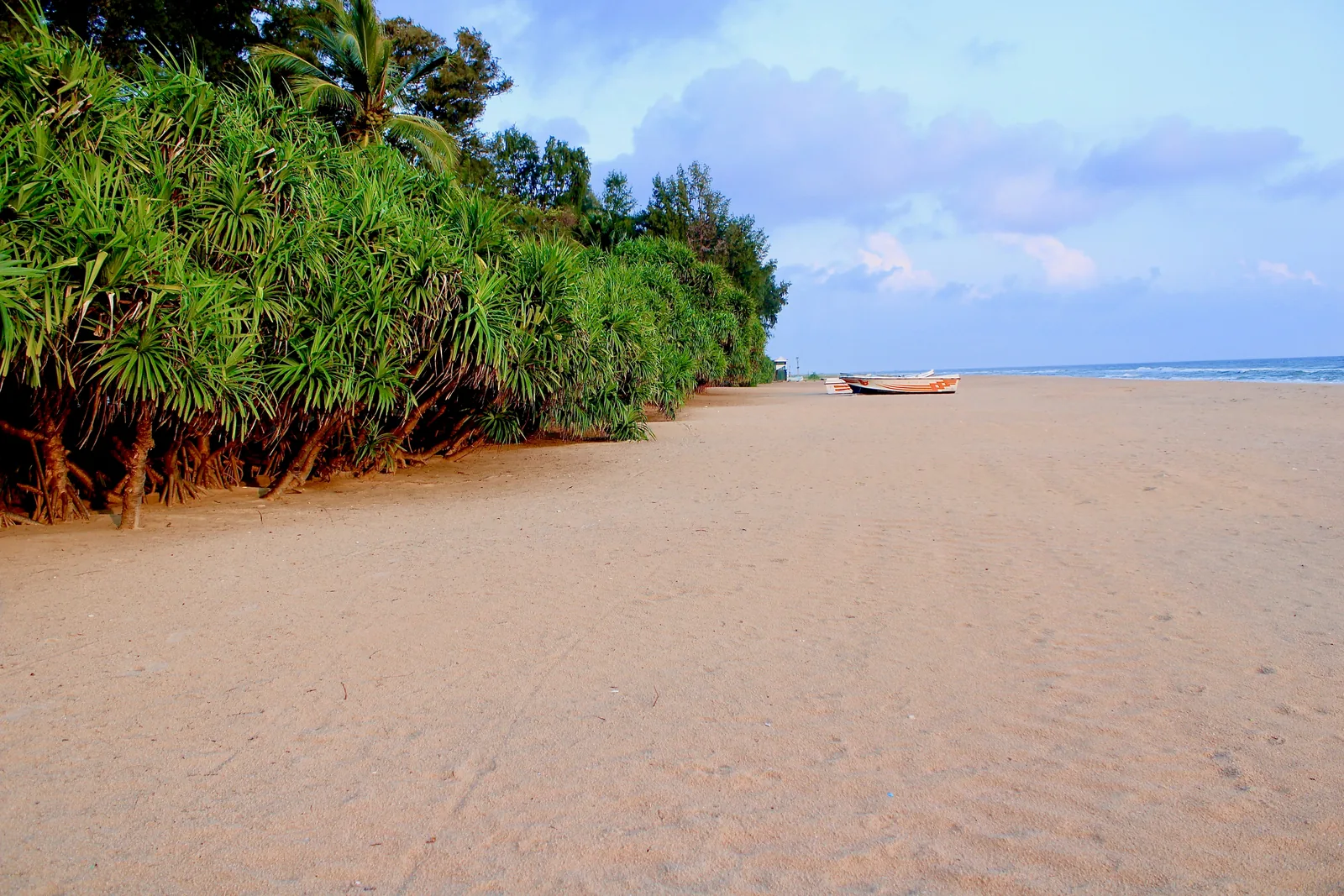
Nilaveli and Uppuveli are the two beaches north of Trincomalee town, and they represent some of the least-touched coastline in South Asia. Nilaveli in particular - a 5 km stretch of white sand with no development behind it for long sections - looks like the kind of beach that only exists in magazine shoots. It is real, and on a weekday in June you may share it with a handful of other visitors.
The diving from Trincomalee is exceptional. Whale sharks are sighted regularly between April and September, and the underwater visibility in the bay (20-25 metres on a clear day) rivals anywhere in the Indian Ocean. Pigeon Island Marine National Park, 1 km off Nilaveli, has some of the best hard coral coverage in Sri Lanka and spinner dolphins are almost always present in the channel.
Practicalities: Trincomalee is 260 km from Colombo (4.5 hours). Accommodation is mainly guesthouses and mid-range hotels - a few higher-end properties have opened recently.
Best Beach by Travel Style
Best for families: Bentota or Uppuveli. Both have calm, shallow water that is safe for children. Bentota has good resort infrastructure. Uppuveli is quieter and better for older children who can handle fewer facilities.
Best for surfing: Arugam Bay (May-October, intermediate-advanced). Hiriketiya (year-round, beginner-intermediate). Weligama (November-April, beginner lessons).
Best for snorkelling: Unawatuna reef (south coast, December-April). Hikkaduwa Coral Sanctuary (west coast, November-April). Pigeon Island, Trincomalee (east coast, May-October).
Best for diving: Trincomalee and Pigeon Island (May-September, whale sharks and hard coral). Hikkaduwa wrecks (November-April, 20-30m depth).
Best for whale watching: Mirissa (November to April, blue whales and sperm whales).
Best for complete solitude: Tangalle area beaches (south coast). Nilaveli north section (east coast). Casuarina Beach, Jaffna peninsula (far north, September-February).
Best for couples: Mirissa for sunsets and whale watching. Hiriketiya for low-key charm. Tangalle area eco-lodges for privacy.
Best for budget travellers: Hikkaduwa (cheapest beach guesthouses), Arugam Bay (simple local guesthouses from $15/night).
When to Visit Each Coast
| Coast | Best Season | Avoid |
|---|---|---|
| South (Mirissa, Unawatuna, Tangalle) | December - April | May - October (south-west monsoon) |
| West (Bentota, Hikkaduwa, Negombo) | November - April | May - October |
| East (Arugam Bay, Trincomalee, Nilaveli) | May - October | November - March (north-east monsoon) |
| North (Casuarina, Jaffna) | September - February | March - August |
The practical implication: if you are visiting between November and April, base your beach days on the south and west coasts. If you are visiting between May and October, the east coast is the main beach option - and it is genuinely excellent during those months.
For the most comprehensive breakdown of how the monsoons affect travel planning, the best time to visit Sri Lanka guide covers each region month by month.
Getting to the Beaches
Sri Lanka does not have a coastal highway. Beach travel means either renting a car with a driver (most practical for families), taking the train on the coastal lines (excellent Colombo-Galle-Matara, and Colombo-Trincomalee via Polonnaruwa), or hiring a tuk-tuk for shorter hops between towns.
The Colombo-Matara train runs parallel to the west and south coastline and is one of the most scenic rail journeys in Asia - detailed in the Kandy to Ella train guide, which also covers the broader rail network.
Budget approximately $40-80 per day for car hire with driver. Tuk-tuks within beach towns charge $2-8 per trip depending on distance and negotiation.
Frequently Asked Questions
What is the best beach in Sri Lanka overall?
There is no single best beach - it depends on the season and what you want. For white sand and empty stretches, Nilaveli near Trincomalee (May-October) is exceptional. For atmosphere and whale watching, Mirissa (December-April) is the most complete package. For surf, Arugam Bay (May-October) is in a different category from any other Sri Lanka beach.
Are Sri Lanka beaches safe for swimming?
Most beaches are safe within their season. Out of season, swell and rip currents can be dangerous - always swim between the flags at lifeguarded beaches, or ask a local guesthouse owner about current conditions. The south coast beaches from May to October and the east coast from November to March can have dangerous surf.
Is Unawatuna still worth visiting?
Yes, but with realistic expectations. Unawatuna is the most convenient beach on the south coast - close to Galle Fort, calm water, good snorkelling. It is not the hidden gem it once was. If you want a quieter alternative, Hiriketiya (east of Mirissa) and Tangalle beaches offer more space and fewer tourists.
Which Sri Lanka beach is best for families with kids?
Bentota on the west coast is the best family beach - calm, shallow water, good resort infrastructure, and the Bentota River for half-day boat safaris. On the east coast, Uppuveli near Trincomalee has similarly calm, shallow water with fewer tourists. Both are well within the seasonal window for their respective coasts.
Can you swim at Sri Lanka beaches year-round?
Not at the same beach. The seasonal switch between south-west and north-east monsoons means one coast is always in its off-season. The east coast is the main beach option May-October; the south and west coasts are best November-April. There is no off-season entirely - just an off-season for specific coastlines.
How does Arugam Bay compare to Bali for surfing?
Arugam Bay's main point break produces longer, cleaner waves than most of Bali's beach breaks, and with a fraction of the crowd. It is a genuine world-class right-hander. The overall surf infrastructure (lessons, board hire, food scene) is smaller than Bali's Canggu, but that is also what makes it less overrun. For serious surfers who want quality over variety, Arugam Bay is the better choice.
What is the least crowded beach in Sri Lanka?
The Tangalle area beaches - particularly Marakolliya and the stretches east of Rekawa - are consistently quiet. On the east coast, Nilaveli beach north of the main hotel zone is remarkably empty for most of the May-October season. The north coast near Casuarina Beach is virtually undiscovered.
Advertisement
Flights, hotels and tours - all in one place.
Plan Your Sri Lanka Trip
Find the best price to Colombo from your city
Search Flights →Compare prices across Booking.com, Agoda & more
Find Hotels →Bus fares, train times and transport options
Plan Transport →Powered by Travelpayouts · We may earn a small commission at no extra cost to you.
Leave a Comment
Share your thoughts, questions, or travel experiences