
Southern Coast
From the colonial grandeur of Galle Fort to the whale-watching waters of Mirissa and the surf breaks of Hikkaduwa — the south coast has it all.
November to April
Take the coastal train from Colombo to Galle for sea views - sit on the right-hand side heading south.
Peak season November–April with calm seas. Whale watching best December–April.
Visiting the Southern Coast
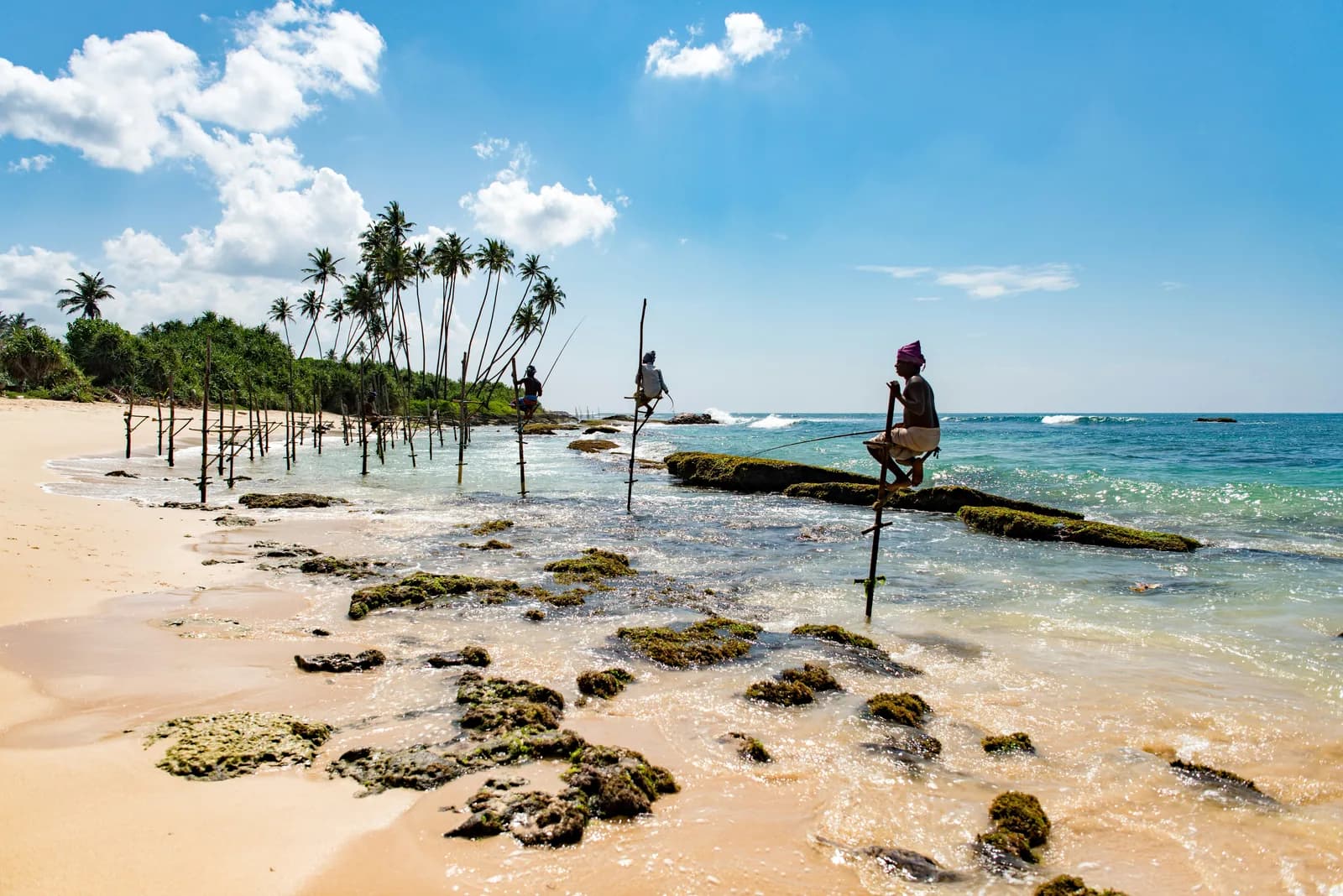
The south coast is Sri Lanka's classic beach strip: a run of bays and headlands from Hikkaduwa through Galle, Unawatuna, Weligama and Mirissa to the quieter beaches around Tangalle. Galle Fort, a walled Dutch-era town that is still lived in, gives the coast a cultural anchor, and Mirissa is the main base for blue-whale watching.
Each town has a different character. Hikkaduwa is busier and more developed, Unawatuna is a sheltered swimming bay close to Galle, Weligama has gentle waves for beginner surfers, Mirissa is the social hub, and Tangalle has long, empty beaches with stronger surf.
Getting there
The Southern Expressway connects Colombo to Galle in about 1.5-2 hours by car. The coastal train from Colombo Fort to Galle is slower (around 2.5-3.5 hours) but scenic; heading south, the sea is on the right-hand side of the carriage.
How long to stay
Three to five nights is typical: one in or near Galle Fort and the rest at a beach. If you also plan to visit Yala, Tangalle or Mirissa is a good last stop before heading east.
Where to base yourself
Galle Fort for atmosphere, restaurants and walking; Unawatuna or Mirissa for swimming beaches and nightlife; Weligama for surf lessons; Tangalle for space and quiet.
Getting around
Buses run constantly along the coastal Galle Road, and tuk-tuks cover short distances between towns. Agree the fare before you set off, or use PickMe where it operates. Hiring a tuk-tuk for a full day between Galle and Mirissa is common; prices vary with fuel costs, so confirm the total upfront.
Good to know before you go
- The south coast season runs roughly November to April. From May to October the south-west monsoon brings rough seas, and many whale-watching boats stop running.
- Rip currents are common on exposed beaches. Swim where locals swim, and stay out when red flags are up.
- For whale watching, choose an operator that keeps a respectful distance from the animals and limits the number of boats per sighting.
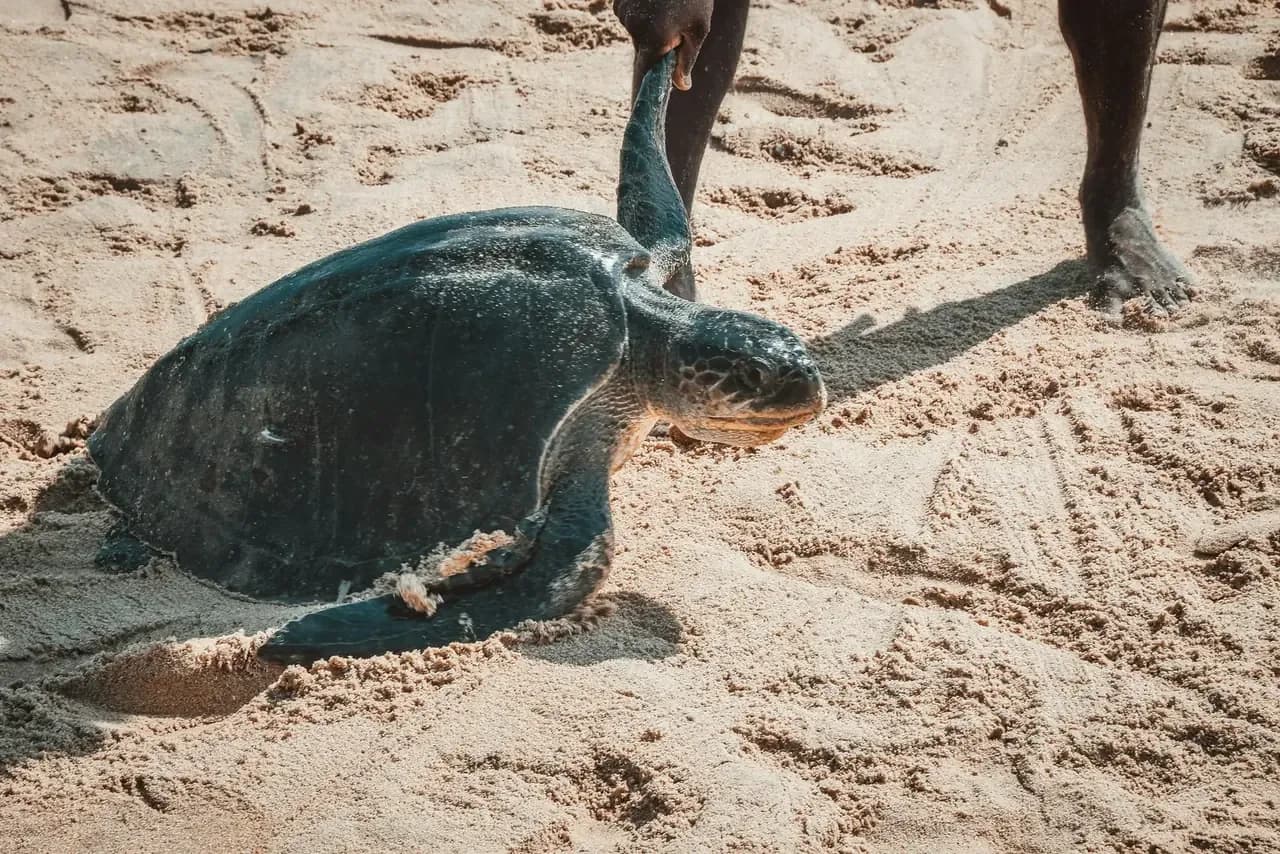
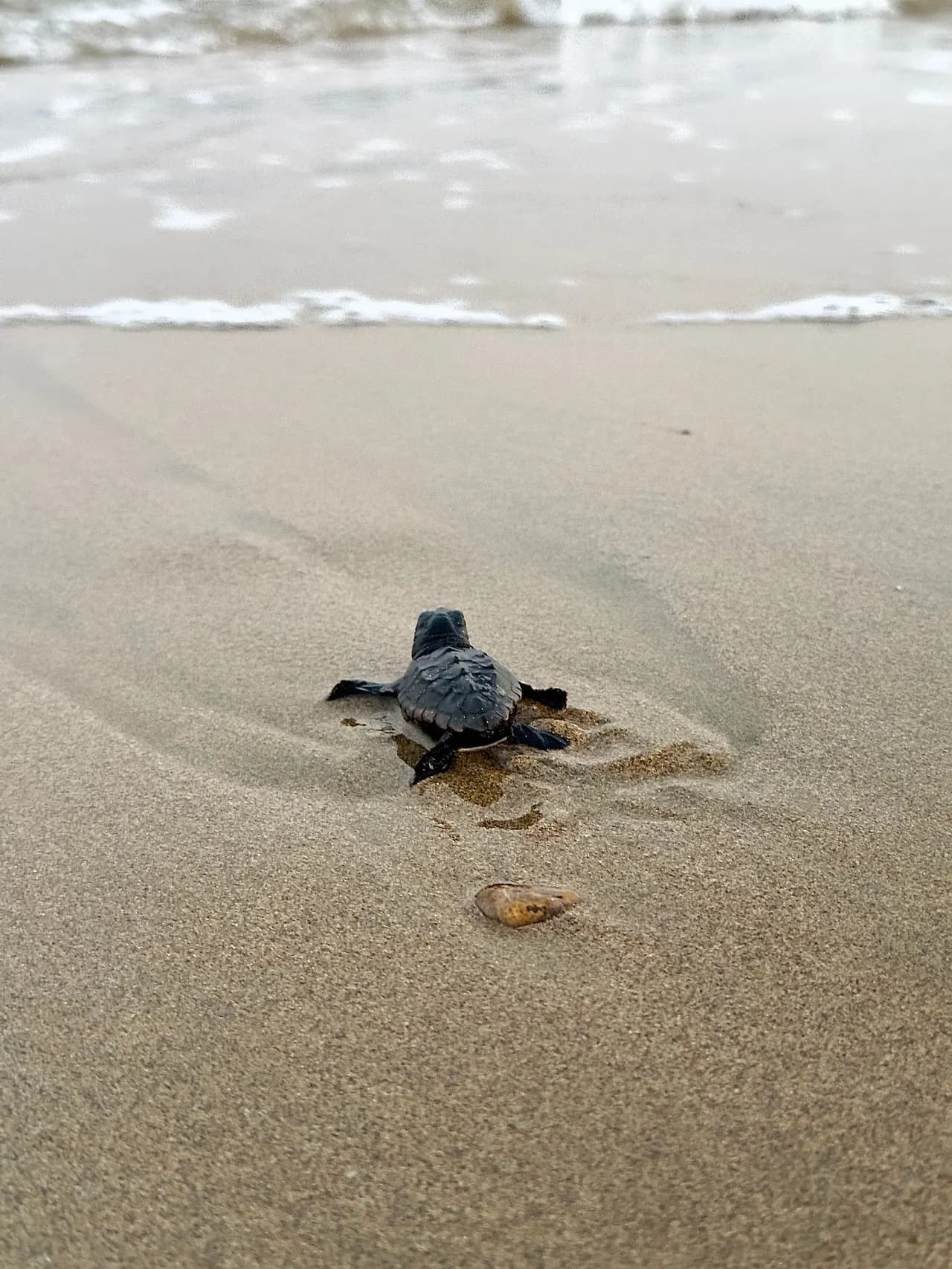
- Turtle hatcheries vary widely in standards. Look for ones that release hatchlings promptly at night rather than keeping them in tanks for photos.
Last reviewed 11 October 2026. Prices, timetables and park rules change - spotted something out of date? Tell us.
What To See & Do
- 1Galle Fort
- 2Mirissa Beach
- 3Whale watching
- 4Unawatuna
- 5Hikkaduwa reef
Places to Visit
Culture Read GuideGalle Fort
A living, breathing colonial fort city built by the Portuguese and developed by the Dutch in the 16th century. Cobbled streets, boutique hotels and ocean views await.
 Beach Read Guide
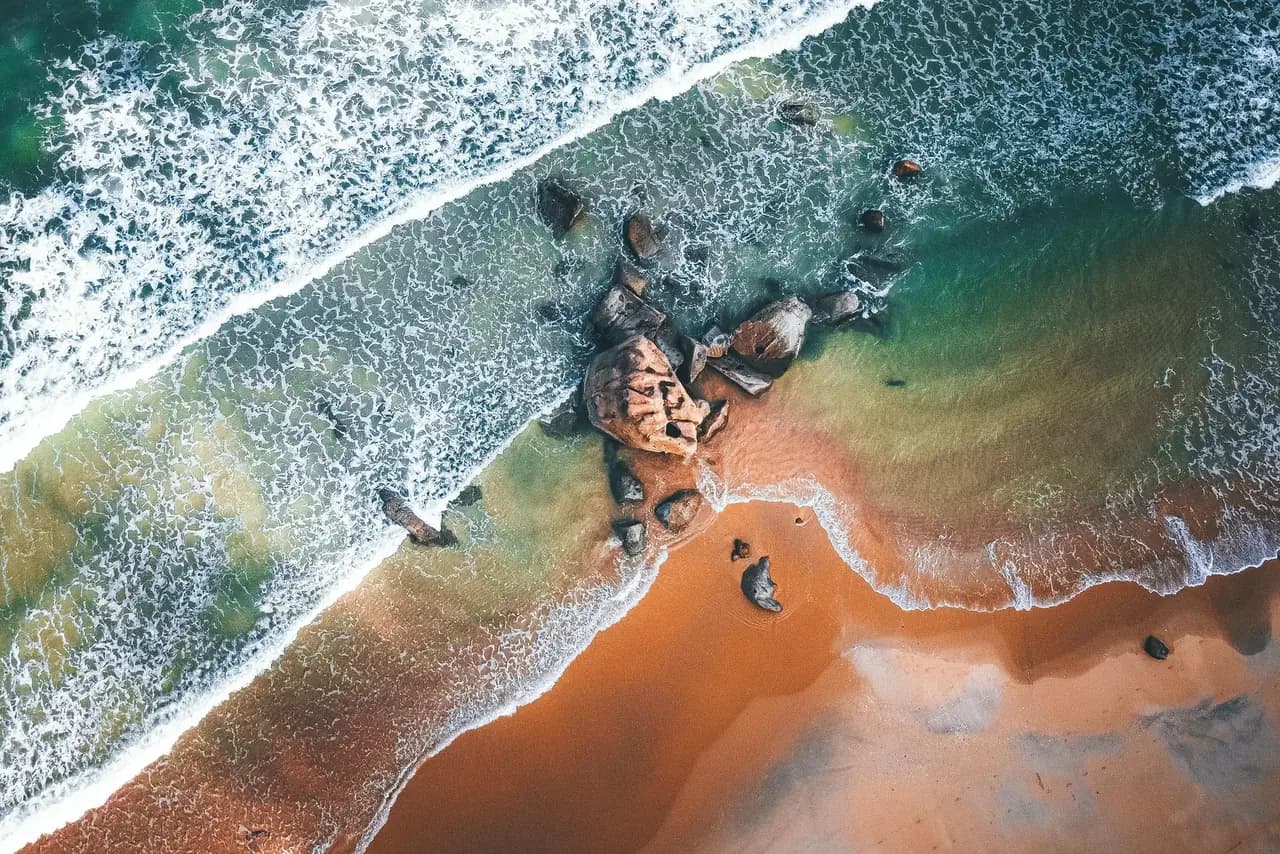
Mirissa Beach
A crescent bay of golden sand fringed with coconut palms. The best place in Sri Lanka for blue whale watching from November to April.
Southern Coast Travel Guides
 Destinations
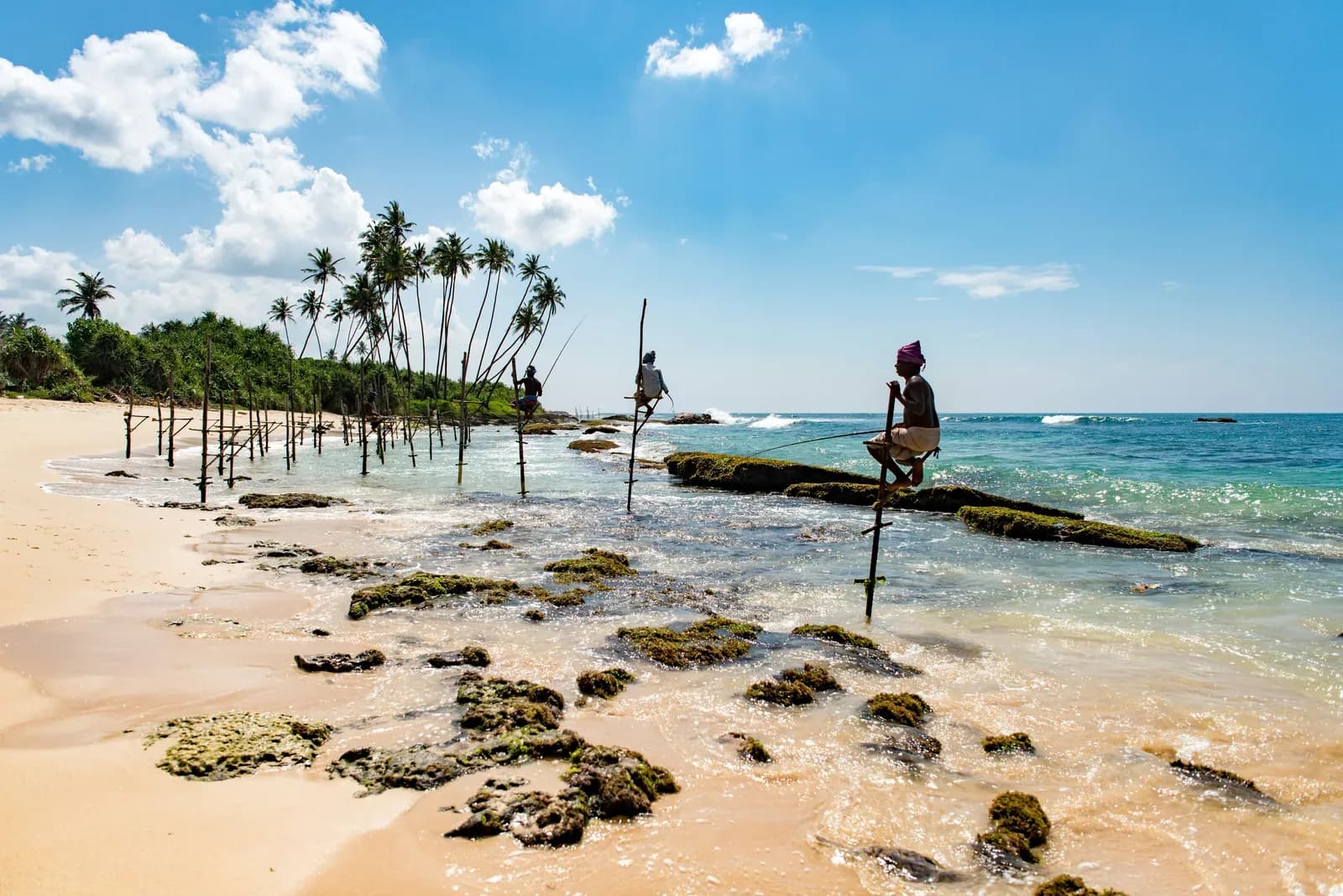
Galle Fort 2026: Ramparts, Dutch Quarter & Where to Stay
Your complete guide to Galle Fort, Sri Lanka - Dutch colonial architecture, ocean-view ramparts, boutique hotels, and the best restaurants inside the walls. Everything you need for a perfect visit.
 Destinations
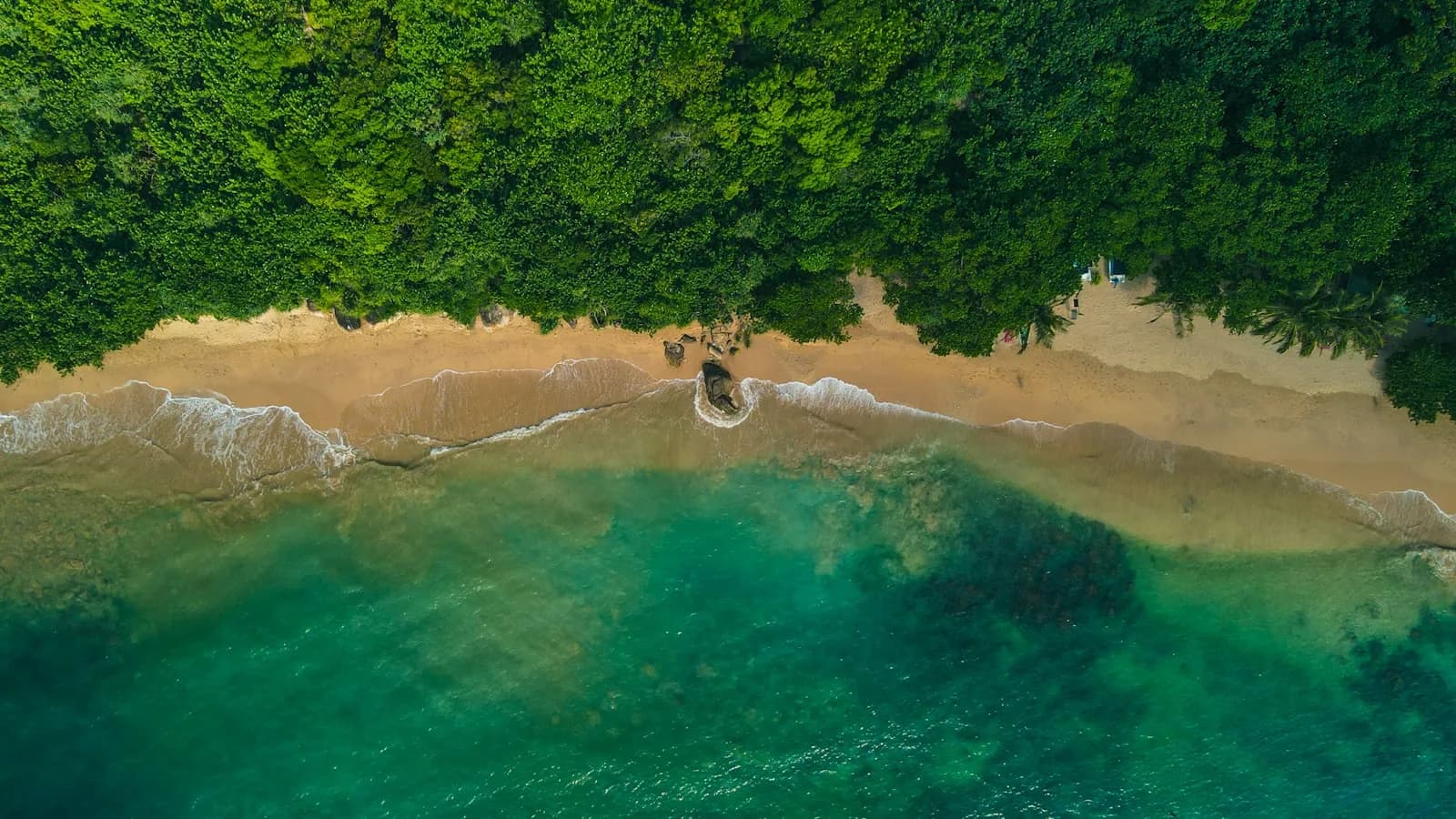
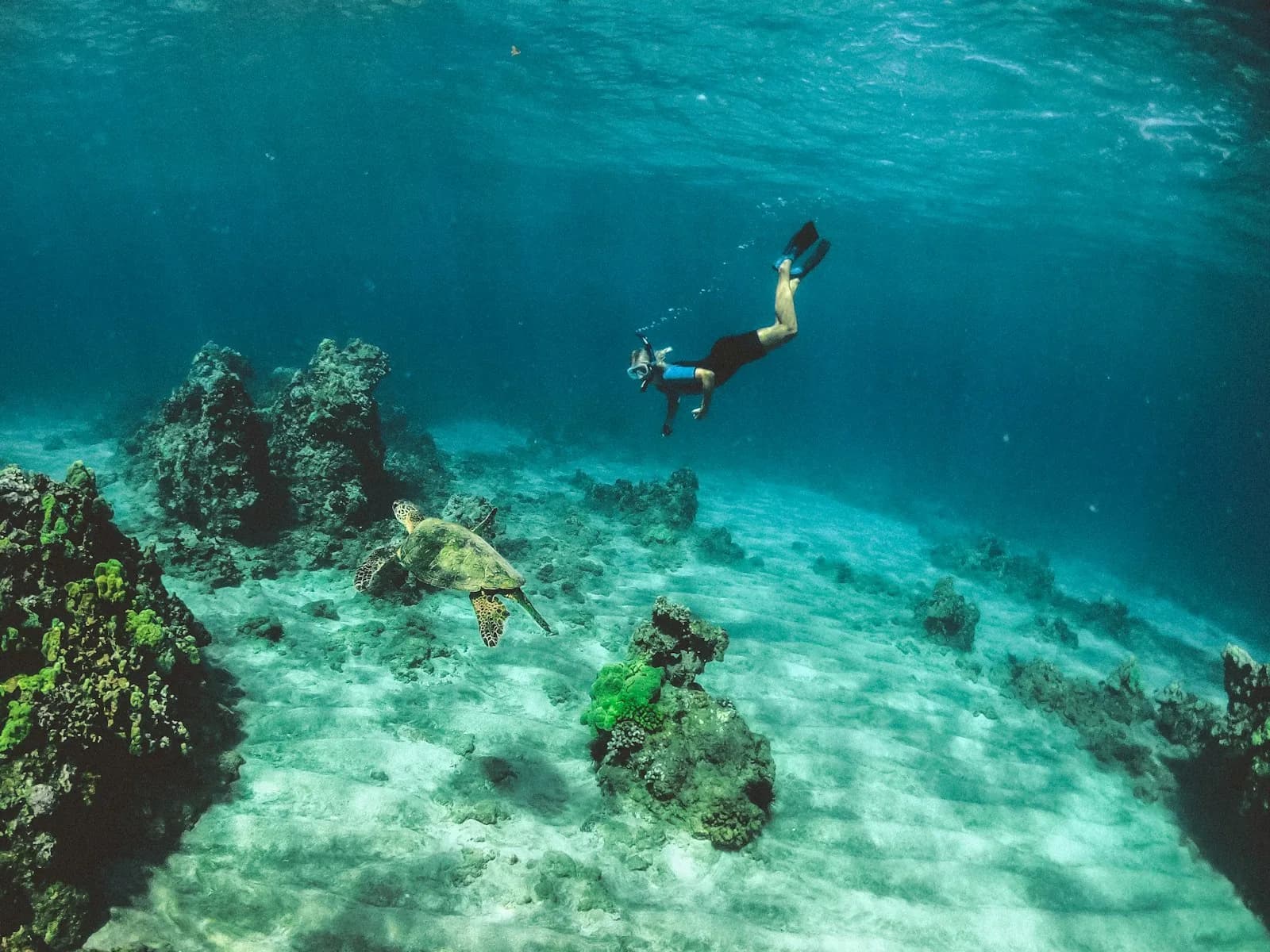
Unawatuna Beach Guide 2026: Swim, Snorkel & Stay Near Galle
Your complete guide to Unawatuna beach, Sri Lanka. The best swimming, snorkelling spots, beach restaurants, and where to stay near Galle on the south coast.
 Destinations
Mirissa 2026: Blue Whale Season, Surf & Is It Worth It?
Your complete guide to Mirissa, Sri Lanka - the best whale watching in Asia, surfing, snorkelling, beach restaurants, and where to stay. When to go and how to get there.
 Beaches
Hikkaduwa Beach Guide 2026: Surf, Coral & Honest Review
Hikkaduwa is Sri Lanka's original beach resort - a laid-back west coast town with a coral sanctuary, decent surf breaks, cheap seafood and the longest stretch of developed beach on the island. Here's what it's actually like.
 Wildlife
Turtle Hatcheries in Sri Lanka: Ethical Guide 2026
Not all Sri Lankan turtle hatcheries are equal. How to tell genuine conservation projects from tourist traps, what Rekawa and Kosgoda actually do, and the questions to ask before you pay.
Continue Exploring