Tip
Yala in brief: Sri Lanka's most famous national park, 979 km² of dry-zone scrubland, lagoons, and open grassland in the island's south-east corner. Home to the world's highest density of leopards in a protected area. Two main visitor blocks: Block 1 (busiest, most wildlife) and Block 5 (quieter, different habitat). Safari jeeps run morning and evening sessions. Entry fee for foreigners: USD 25 park fee + USD 15 vehicle + jeep hire. Plan as part of a 7-day itinerary or 10-day circuit. Closest town: Tissamaharama, 12 km from the main gate.
Yala divides opinion among Sri Lanka travellers in a way that few other places do. Some people go, see a leopard within an hour, and declare it the highlight of their trip. Others spend a full day in the park and come back with photos of distant birds and a distant elephant. What's consistent: the landscape is genuinely beautiful, the birdlife is extraordinary regardless of big-cat luck, and if you do see a leopard - you'll understand immediately why this park has a reputation.
Yala has the highest density of wild leopards of any protected area on earth. That doesn't mean leopard sightings are guaranteed, but it means your odds here are better than almost anywhere else in Asia. The question isn't really whether Yala is worth visiting - it is - but how to visit it in a way that gives you the best experience without ending up frustrated in a traffic jam of jeeps.
This guide covers all of that.
Tip
Our take: We have been on safaris in both Block 1 and Block 5 at Yala. The difference is significant - Block 1 delivers a 60 to 70 percent leopard sighting probability on a good morning with an experienced guide, Block 5 closer to 15 to 20 percent. Always ask your driver which block you are entering before departure.
The Basics
Location and Size
Yala National Park sits at the south-eastern tip of Sri Lanka, 309 km from Colombo and about 100 km east of Galle along the coastal road. The park covers 979 km² and is divided into five blocks - only Blocks 1 and 5 are open to the public as safari areas.
The nearest town is Tissamaharama (usually called "Tissa"), a small town 12 km from the Yala main gate with hotels at all price points and the jeep-hire booking offices.
Opening Hours and Seasons
| Detail | Information |
|---|---|
| Morning safari | 6:00 am – 10:00 am (gates open 6 am) |
| Evening safari | 2:00 pm – 6:30 pm (gates close at 6:30 pm) |
| Half-day session | 4–4.5 hours inside the park |
| Full-day option | 6 am – 6:30 pm (long, hot midday period; most wildlife is inactive 10 am–2 pm) |
| Park closed | September 1 – October 15 (annual closure for conservation) |
| Peak season | December – April (dry season, animals concentrate near water sources) |
Morning or evening? Both have merit, but most experienced guides prefer morning. Light is better for photography, animals are active, and the temperature is manageable. Evening safaris offer beautiful golden-hour light and the chance to see nocturnal animals becoming active.
Block 1 vs Block 5
Block 1 (Main Block)
The most visited part of Yala. Contains the greatest diversity of habitats - open grassland, dense scrub, wetland, coastal lagoons, and beach - which supports the widest range of wildlife including the highest leopard density.
Pros: Best wildlife density, most guides are familiar with it, wetland areas with crocodiles and water birds, beach access
Cons: Can get very crowded with jeeps in peak season, especially around known leopard territories; "jeep jams" around sightings are a real phenomenon
Block 5
Open since 2008. Less visited, different habitat (more forested), lower leopard density but more chance of elephant herds and a quieter experience overall.
Pros: Far fewer jeeps, more peaceful, good elephant sightings, scenic inland landscapes
Cons: Lower leopard probability, some guides are less familiar with the routes
The honest recommendation: If you're visiting Yala specifically for leopards and wildlife diversity, Block 1 is the right choice - even accounting for the crowds. If you've already done Block 1 before or want a quieter morning, Block 5 offers a genuinely different experience.
Wildlife: What You Might See
Sri Lankan Leopard
The headline act and Yala's primary draw. Yala's leopard population has an estimated density of around 14–15 leopards per 100 km² in Block 1 - the highest density in the world for a wild population. Unlike their African counterparts, Sri Lankan leopards evolved without large competitor predators (no lions, no tigers), making them relatively bold and often visible in daylight.
Sighting probability: Experienced guides report leopard sightings on roughly 60–70% of Block 1 morning safaris during dry season. In wet season or with a less-experienced guide, that drops significantly.
Tips for better leopard sightings:
- Go in dry season (December–April) when vegetation is lower and animals concentrate near water
- Book a guide with a specific track record - ask for someone who does 20+ safaris a month
- Go early (be at the gate by 5:30 am for the 6 am opening)
- Stay in position when a sighting is reported; don't constantly relocate or chase other jeeps
Sri Lankan Elephant
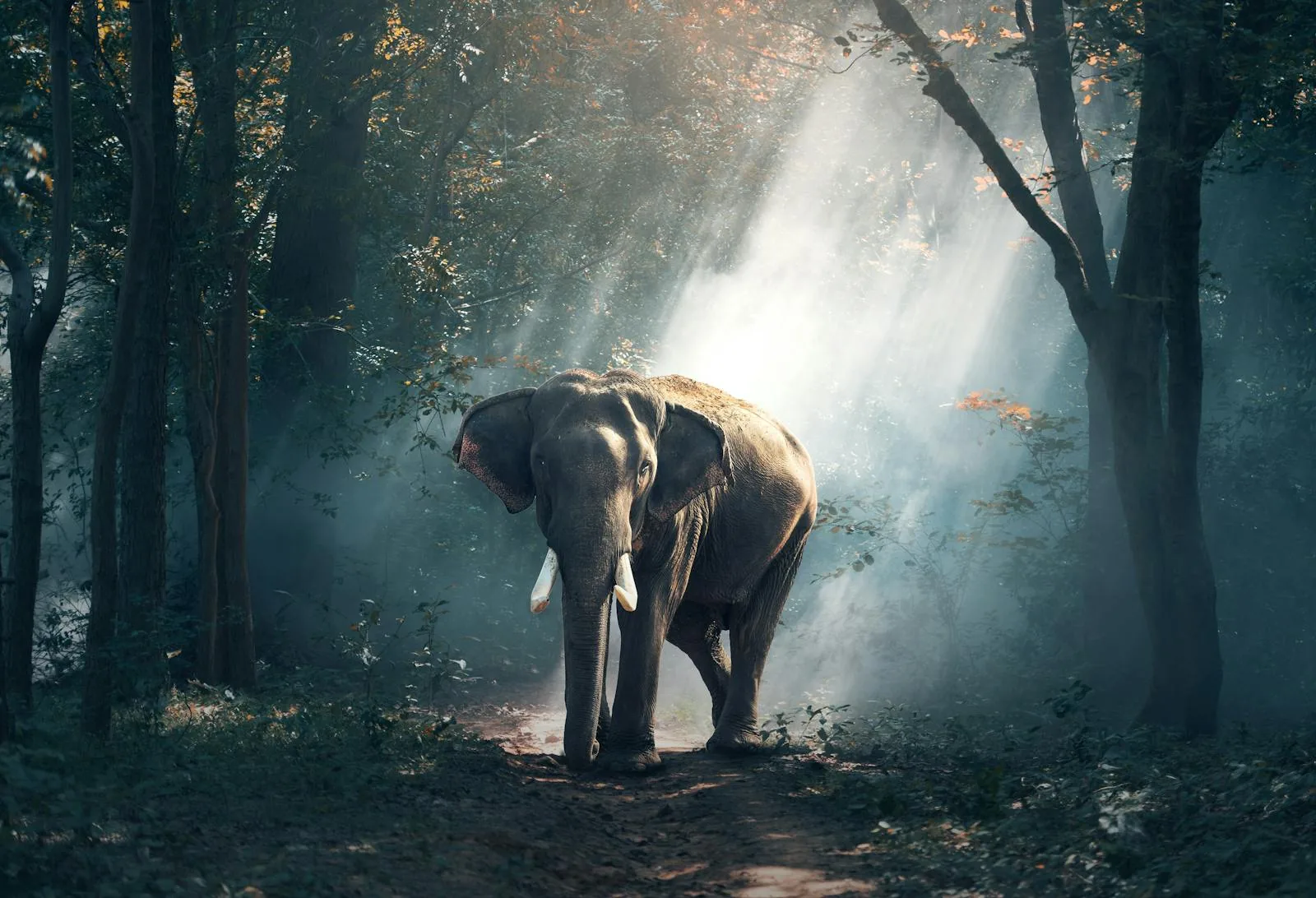
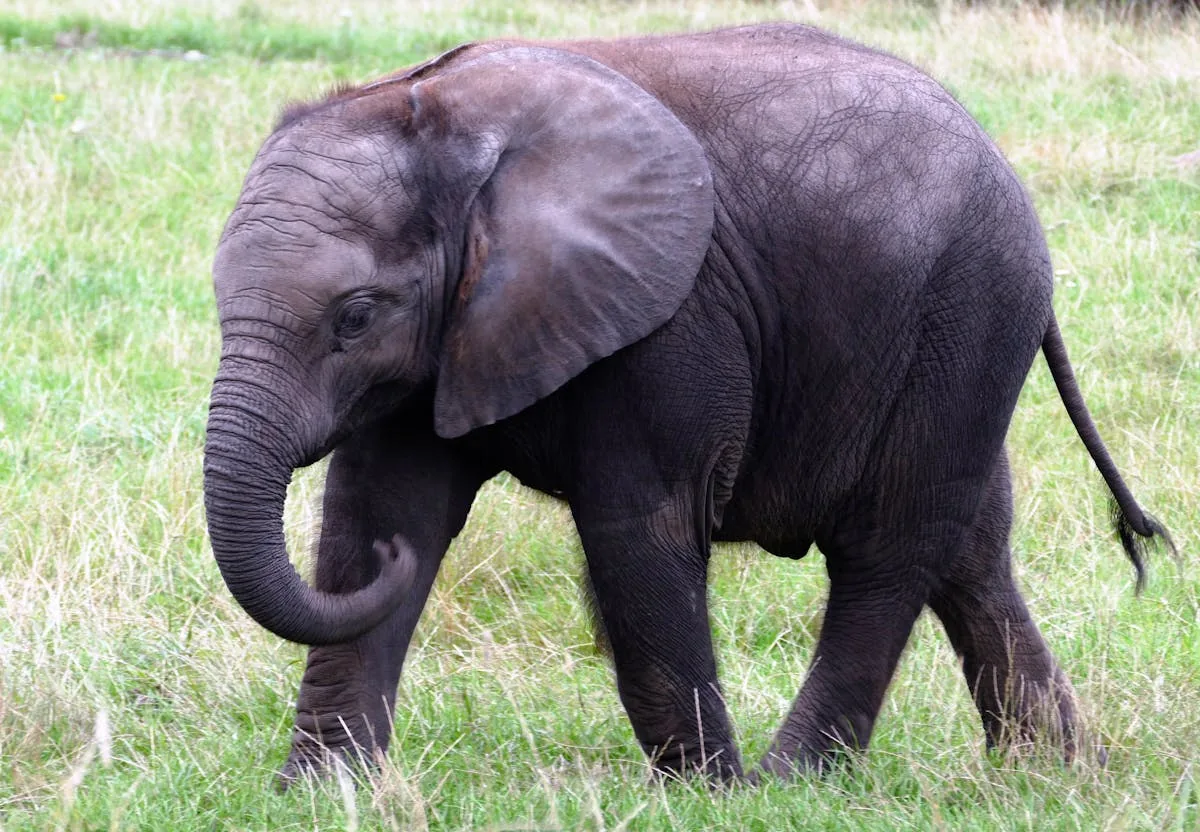
Yala supports a large elephant population. Herds - sometimes 20 or more animals - are commonly seen near water sources and in open grassland. Unlike the habituated elephants of Minneriya (which are more predictable for large-herd viewing), Yala's elephants are in wilder terrain and more varied group sizes.
Sloth Bear
One of the harder animals to find but genuinely thrilling when you do. Sloth bears are nocturnal and shy - most sightings are in the early morning or at dusk near berry-producing shrubs. Your guide will know the seasonal hot spots.
Crocodile
Mugger crocodiles are common in Yala's wetlands and lagoons. Often seen basking on banks - they're not hard to find. Saltwater crocodiles occasionally appear in coastal areas.
Birdlife
Yala is one of Sri Lanka's top birding destinations. Over 215 species recorded, including the Sri Lanka Junglefowl (national bird), painted stork, lesser flamingo (seasonal), black-necked stork, all six species of kingfisher found in Sri Lanka, and multiple eagle species. The wetland habitats in Block 1's inner zone are excellent for waterbirds year-round.
Other Notable Wildlife
- Water buffalo (both wild and domesticated-turned-feral populations)
- Spotted deer (chital) - abundant throughout, often the first animals you'll see
- Sambar deer - larger, more reclusive
- Wild boar - common, seen in family groups
- Peacock - abundant, often seen displaying in open areas
- Sri Lankan grey hornbill - distinctive bird, common in woodland areas
- Fishing cat - rare, but present; occasionally spotted near water at dawn
Jeep Hire: Costs and What to Expect
All visitors to Yala must travel in a registered 4WD jeep with a certified guide. Private vehicles are not permitted inside the park. You cannot walk the park independently.
Standard Costs (2026)
| Item | Cost (approx.) |
|---|---|
| Park entry fee (foreign adult) | USD 25 |
| Vehicle entry fee | USD 15 |
| Jeep hire (half-day, up to 6 people) | LKR 12,000–18,000 (approx. USD 40–60) |
| Guide fee (included in jeep hire or separate) | LKR 2,000–3,000 additional if separate |
| Full-day jeep hire | LKR 20,000–30,000 |
Prices vary by season and negotiation. Peak season (December–March) commands higher rates. Book through your hotel or a reputable Tissa-based operator rather than from touts at the gate.
Group vs Private Jeep
A standard jeep holds 6 people (excluding driver/guide). Sharing a jeep with other travellers reduces cost but means you're not in control of pace or priorities. A private jeep is worth the premium if you're serious about photography or have specific wildlife interests.
How to Book
- Through your hotel or lodge: Most Tissa hotels and lodges can arrange jeeps; they typically add a margin but save you the legwork
- Direct from Tissa operators: Reputable operators include agencies around the main junction in Tissamaharama; ask other travellers for recommendations and check current rates
- In advance for peak season: December–March, December–January especially - book jeeps at least 2–3 days ahead
Best Time to Visit Yala
Peak Wildlife Season: December to April
The dry season. Water sources become scarce and animals - elephants, deer, and the predators that follow them - concentrate around the remaining ponds and lagoons in the park. Vegetation is lower, visibility is better. The highest probability for leopard sightings.
Downside: This is also peak tourist season. Jeep numbers inside Block 1 can be high, particularly January–March, and popular sightings can attract 15–20 vehicles.
Shoulder Season: May to August
The park reopens in mid-October after the September closure. May–August sees the south-west monsoon affecting the west coast of Sri Lanka, but Yala is in the dry zone and often escapes heavy rain. Wildlife is still present and jeep numbers are significantly lower. A good compromise.
Closed Season: September 1 – October 15
The park closes every year for this period to allow vegetation to recover and animals to move through without disturbance. Plan around it.
Worst Months for Crowds: January and February
School holidays and Christmas/New Year overlap with dry-season wildlife concentrations. Jeep numbers are highest. Go earlier (December) or later (March–April) if you want the same conditions with fewer vehicles.
Where to Stay
In Tissamaharama (12 km from gate)
The most practical base for budget and mid-range travellers. Dozens of guesthouses and small hotels. Early morning departure is easy - 20 minutes to the gate.
Good options:
- Refresh Hotel Tissa - reliable mid-range, good food, jeep booking assistance
- Priyankara Hotel - popular with backpackers, cheap, well-located
- Ceylon Bird Club Ecogarden - birding-focused guesthouse, knowledgeable hosts
Safari Lodges Inside or Adjacent to the Park
For a higher-budget experience, several lodges sit within or on the boundary of Yala, meaning no drive to reach morning safaris. The tented camps here are some of the best wild camping experiences in Sri Lanka.
- Wild Coast Tented Lodge - luxury tented camp with a dramatic clifftop position above the Indian Ocean just south of the park boundary. The top-end option in the area.
- Chena Huts by Uga Escapes - ultra-luxury tented camp inside the park boundary. Private pool tents, walking distance from Block 1. Sri Lanka's most exclusive safari stay.
- Cinnamon Wild Yala - mid-luxury option with a large pool and reasonable jeep access. Good family option.
- Jetwing Yala - comfortable, professional, not the cheapest but consistently well-reviewed. On the park boundary.
Bundala National Park Alternative
If Yala is fully booked or you want a different experience, Bundala National Park is 30 km west on the same coastal road. Smaller, quieter, and excellent for birdlife (especially migratory shorebirds and flamingos from November–March). No leopards, but significant elephant presence and far fewer crowds.
Tissamaharama and Yala boundary lodges - compare safari lodge options
Where to Stay for Yala Safari
Hotels near Tissamaharama
Compare prices across Booking.com, Agoda & more
Powered by Travelpayouts · We may earn a small commission at no extra cost to you.
Getting to Yala
From Colombo (309 km, 5–6 hours)
The most direct route is via the Southern Expressway to Matara, then coastal road east to Hambantota and north to Tissamaharama. Private car or hired driver is the most practical option - buses exist but involve multiple changes and are very slow.
From Galle (130 km, 2.5–3 hours)
Coastal road east via Hambantota - a scenic drive. Many travellers combine a few days in Galle or the south coast with a Yala safari.
From Ella (60 km, 1.5–2 hours)
One of the most popular combinations in Sri Lanka. The road south from Ella through Wellawaya to Tissamaharama winds through striking dry-zone landscape. Many travellers end their hill-country section at Ella and move south to Yala for wildlife before the coast.
From Colombo by Train + Tuk-Tuk
Trains run to Matara (Southern Line, ~2.5 hours). From Matara, buses or a hired car east to Tissa. Time-consuming but economical.
Practical Tips
Arrive before the gate opens. The park officially opens at 6 am. Arriving at 5:30 am allows you to be first through the gate and into the best wildlife zones before the jeep convoy forms behind you.
Trust your guide on routes. Experienced Yala guides have networks - they communicate sightings by radio. When your guide makes a sudden turn, don't question it; they've probably heard something.
Don't stand up in the jeep near wildlife. Not just for safety - it changes the animals' silhouette reading of humans and can cause them to move away. Stay seated.
Bring a long lens if you're a photographer. A 200mm minimum, ideally 400mm+. Distances to wildlife are variable and often significant. Phone cameras will produce disappointing results for anything other than close elephant encounters.
Pack food and water. There are no facilities inside the park. Bring at least 2 litres of water per person, sunscreen, a hat, and snacks. Your jeep may be in the park for 4+ hours.
Don't chase the jeep jams. When 15 jeeps are clustered around a single sleeping leopard, you're unlikely to get a meaningful sighting. Ask your guide to find a sighting that hasn't been reported yet - experienced guides often find animals independently.
Yala National Park Safari Tours
Book a jeep safari with expert naturalists - Block 1 access specialists
Yala Frequently Asked Questions
What are the chances of seeing a leopard at Yala? In dry season (December–April), Block 1, with an experienced guide: roughly 60–70% chance on a morning safari. In wet season or with a novice guide: lower, perhaps 30–40%. Nothing is guaranteed, but Yala genuinely offers the best wild leopard odds in Asia.
Is Yala worth visiting if I don't see a leopard? Yes. The elephant herds, birdlife, landscape, and general wildlife make Yala worthwhile regardless. Many first-time visitors to Sri Lanka are more moved by a herd of wild elephants than they expected to be.
How many days should I spend at Yala? Two safaris (one morning, one evening, or two mornings on consecutive days) gives you a reasonable chance of a good leopard sighting and covers the birdlife properly. One safari is fine if time is tight. More than two days is mainly for dedicated wildlife photographers.
When is Yala least crowded? May to August (shoulder season) and October–November (just after reopening). Weekdays are quieter than weekends year-round.
Can children go on safari at Yala? Yes, there's no age restriction. Children love the wildlife - elephants, peacocks, and deer in particular. Remind them to stay seated and quiet in the jeep near animals.
What is the best block to visit - Block 1 or Block 5? Block 1 for the best wildlife diversity and highest leopard probability. Block 5 for a quieter, less crowded experience with good elephant sightings.
Is Yala safe? Yes. The main risks are practical: heat, sun exposure, and bumpy jeep tracks. Leopards and elephants in the wild are predictably unpredictable if approached too closely, but your guide manages this. Don't stand on jeep seats or try to get closer to animals than your driver allows.
How does Yala compare to African safaris? Smaller scale, lower animal density overall, but the leopard experience can be more intimate - you're often much closer to animals than is typical on a large African reserve. The landscape is beautiful in a different way: dry scrub, lagoons, and ocean. Many travellers who've done both rate Yala's leopard encounters more highly specifically because of the closeness.
Can I combine Yala with Mirissa or Weligama? Easily. After Yala, the south coast beaches at Mirissa, Weligama, and Unawatuna are 2–3 hours west on the coastal road. A standard 10-day Sri Lanka route often ends with Yala followed by 2–3 nights on the south coast.
Related Guides
- The Ultimate 12-Day Luxury Sri Lanka Itinerary: Tea, Wildlife & the South Coast
- Why Sri Lanka is the Smartest Long-Haul Choice for European and Australian Travellers in 2026
- Why Sri Lanka Is the Honeymoon Destination Modern Couples Are Choosing Over the Maldives
- Geoffrey Bawa and Lunuganga: Sri Lanka's Greatest Architect and His Garden of Dreams
- The Honest 6-Night Sri Lanka Honeymoon Itinerary (Sigiriya → Ella → Yala → Colombo)
Advertisement
Flights, hotels and tours - all in one place.
Plan Your Sri Lanka Trip
Find the best price to Colombo from your city
Search Flights →Compare prices across Booking.com, Agoda & more
Find Hotels →Bus fares, train times and transport options
Plan Transport →Powered by Travelpayouts · We may earn a small commission at no extra cost to you.
Leave a Comment
Share your thoughts, questions, or travel experiences