There is a specific moment that converts first-time visitors into lifelong advocates for Sri Lanka. It happens at different points for different people - sometimes on the train curving through mist-wrapped tea estates, sometimes at a beachfront restaurant where the catch of the day costs the same as a coffee back home, sometimes simply when a tuk-tuk driver stops to point out a wild elephant grazing at the road's edge and then refuses to accept that this is anything other than entirely ordinary.
What these moments share is the realisation that Sri Lanka is genuinely different - not different in the way that travel marketing claims every destination is unique, but different in the way that matters when you have spent a lot of money and flown a long way and need the experience to justify both.
For European and Australian travellers specifically, Sri Lanka in 2026 represents something increasingly rare: a destination that delivers on every dimension at once - value, variety, safety, accessibility, and the kind of unhurried warmth that used to define travel before it became an industry.
Here is exactly why.
All international flights arrive at Bandaranaike International Airport (CMB), 30 minutes north of Colombo. Direct flights operate from London, Frankfurt, Paris, Dubai, Singapore and Sydney.
Find the Best Flights to Sri Lanka
Flights to Sri Lanka
Find the best price to Colombo from your city
Powered by Travelpayouts · We may earn a small commission at no extra cost to you.
Tip
Our take: The consistent surprise we hear from European and Australian visitors is how much is compressed into such a small area. The distance from Sigiriya to Yala is roughly the same as London to Birmingham - but the landscape, culture, and wildlife change completely. Nothing in the geography prepares you for the variety.
1. Your Money Goes Dramatically Further Than at Home
This is the single most important factor, and it compounds across every category of spending.
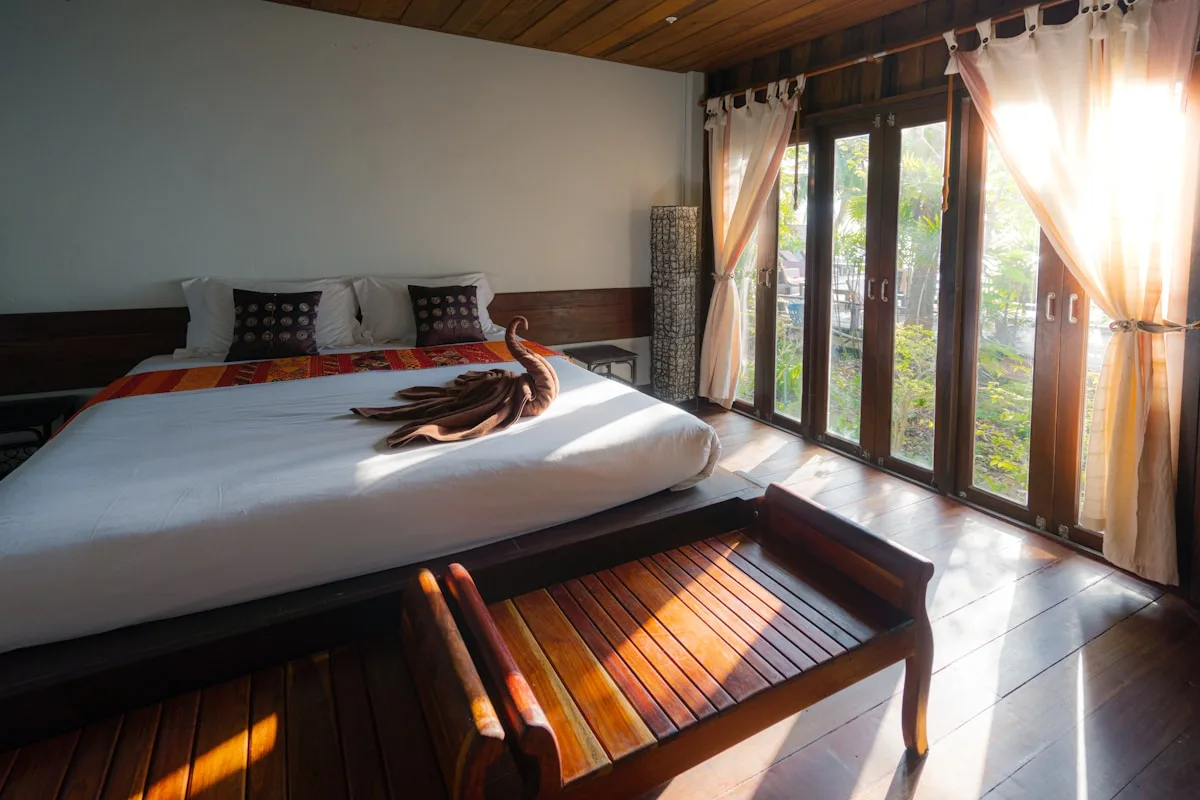
A boutique hotel that would cost €400–600 per night on the Amalfi Coast or in Santorini costs €80–150 in Sri Lanka - and in many cases is architecturally more interesting and more beautifully positioned. The country has an extraordinary collection of small luxury properties: colonial tea planter's bungalows in the hill country, converted Dutch fort townhouses in Galle, eco-lodges above Yala National Park with wildlife visible from the veranda at dawn.
For Australian travellers accustomed to Sydney or Melbourne pricing, the value is even more pronounced. A full day's jeep safari in Yala - guide, vehicle, park entry - costs roughly the same as dinner for two at a mid-range Sydney restaurant. A private car and driver for a full day, with a local guide who knows the back roads, costs less than an Uber surge in most Australian capitals.
What your money buys in Sri Lanka in 2026:
| Category | European equivalent cost | Sri Lanka cost |
|---|---|---|
| Boutique hotel (per night) | €250–500 (Mediterranean) | €70–180 |
| Restaurant dinner for two | €60–120 (Western Europe) | €15–40 |
| Full-day private driver | €200+ (Southern Europe) | €40–70 |
| Wildlife safari (half day) | €120+ (East Africa) | €35–60 |
| Domestic train journey | €50+ (UK rail) | €2–8 |
The pound, euro, and Australian dollar are all strong against the Sri Lankan rupee, and Sri Lanka has not yet experienced the tourist price inflation that has overtaken Bali or Thailand's most popular destinations. For now, the value remains exceptional. For a full daily cost breakdown at every budget level, see our Sri Lanka travel cost guide.
2. A Compact Island That Contains Everything
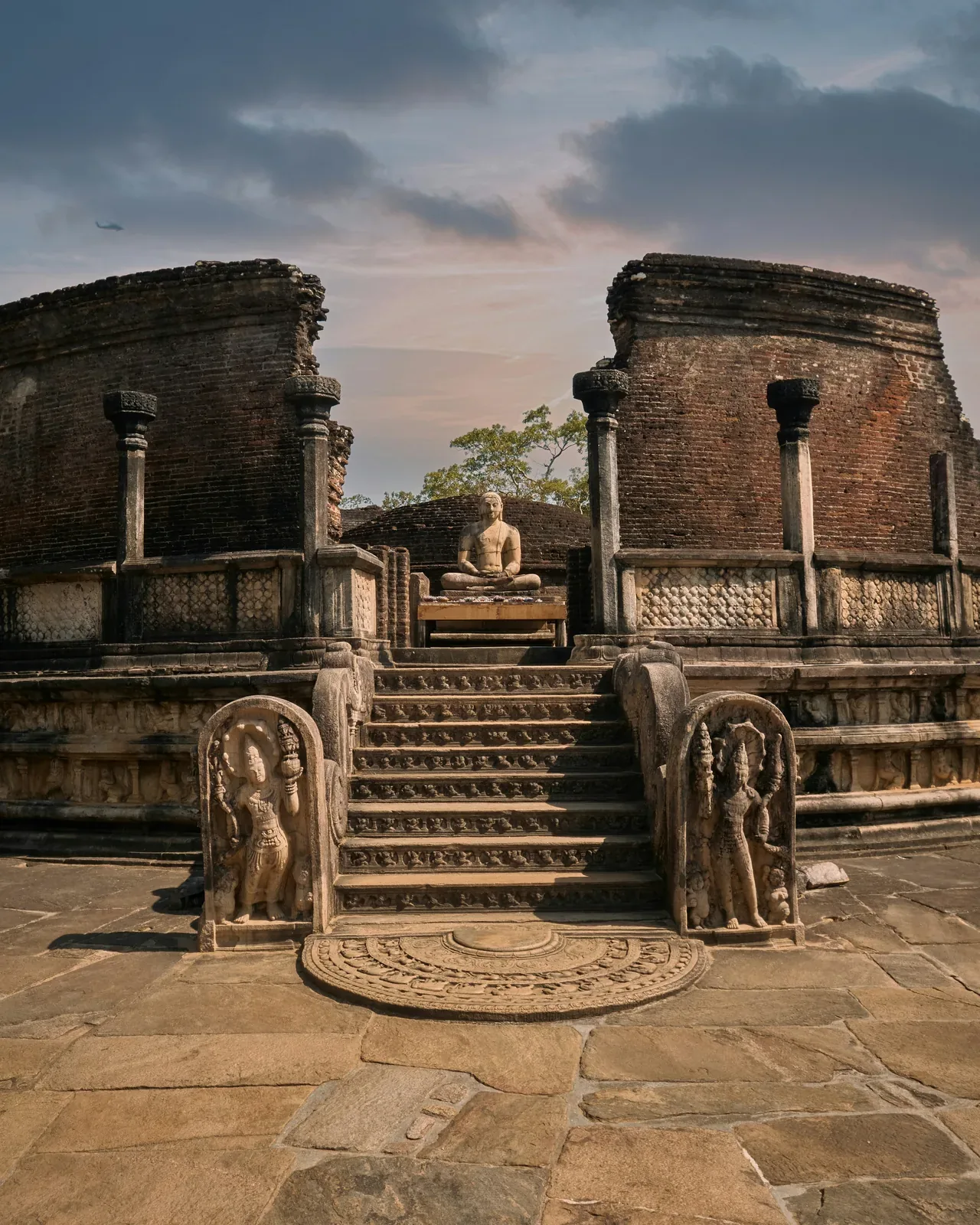
Sri Lanka is roughly the size of Ireland, or the German state of Bavaria. This comparison matters because it reframes expectations. You are not choosing a single resort or a single beach for two weeks. You are choosing an entire geographic range within a manageable area.
From Colombo, you can reach:
- The southern beaches (Galle, Mirissa, Tangalle) in 2.5–3.5 hours by road
- The hill country (Kandy, Ella, Nuwara Eliya) in 3–5 hours by train or car
- The Cultural Triangle (Sigiriya, Dambulla, Polonnaruwa) in 3–4 hours north
- The east coast (Trincomalee, Arugam Bay) in 5–6 hours
In two weeks, a European or Australian traveller can realistically experience:
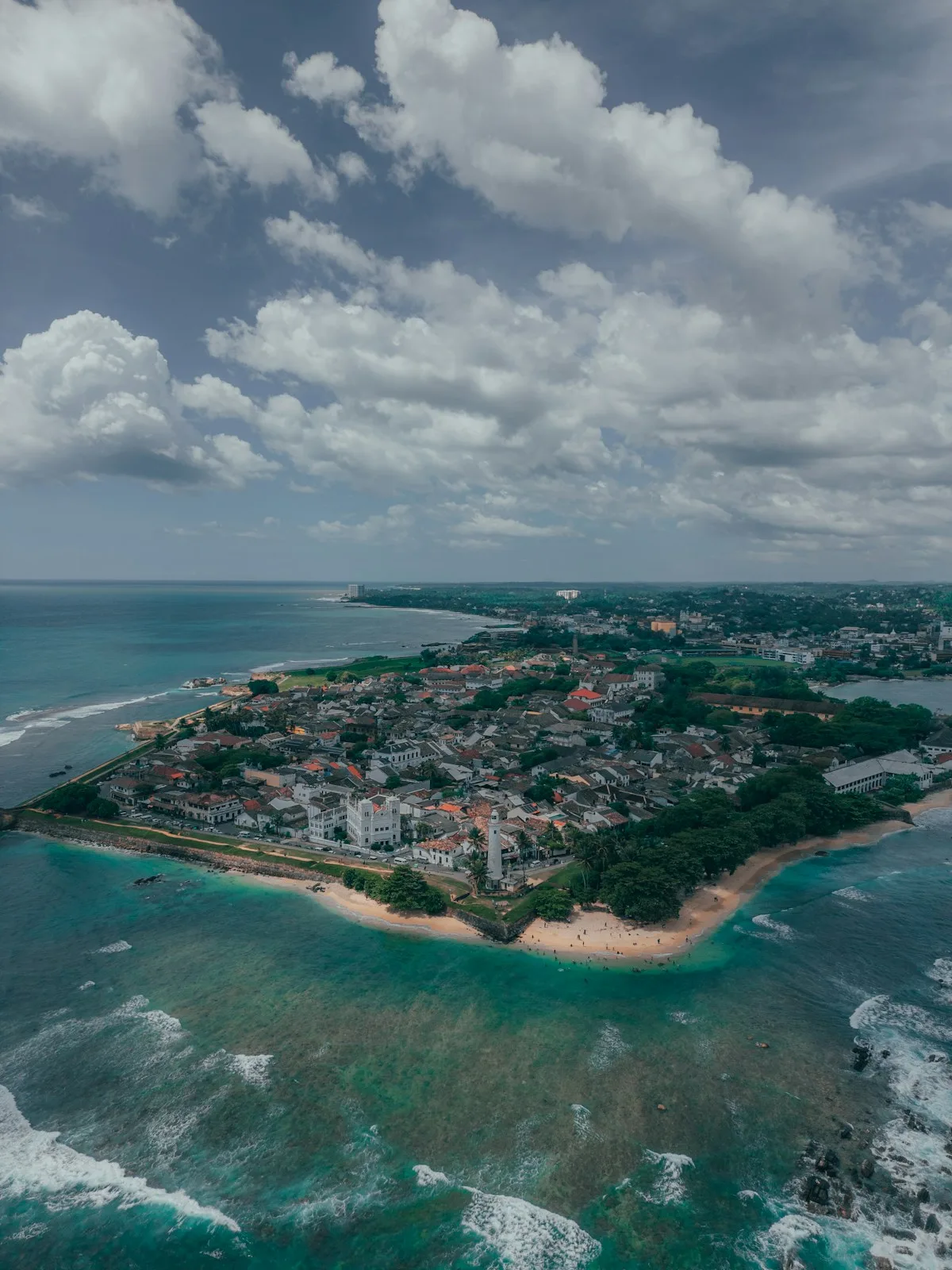
- A colonial fort city (Galle)
- South coast beaches and whale watching (Mirissa)
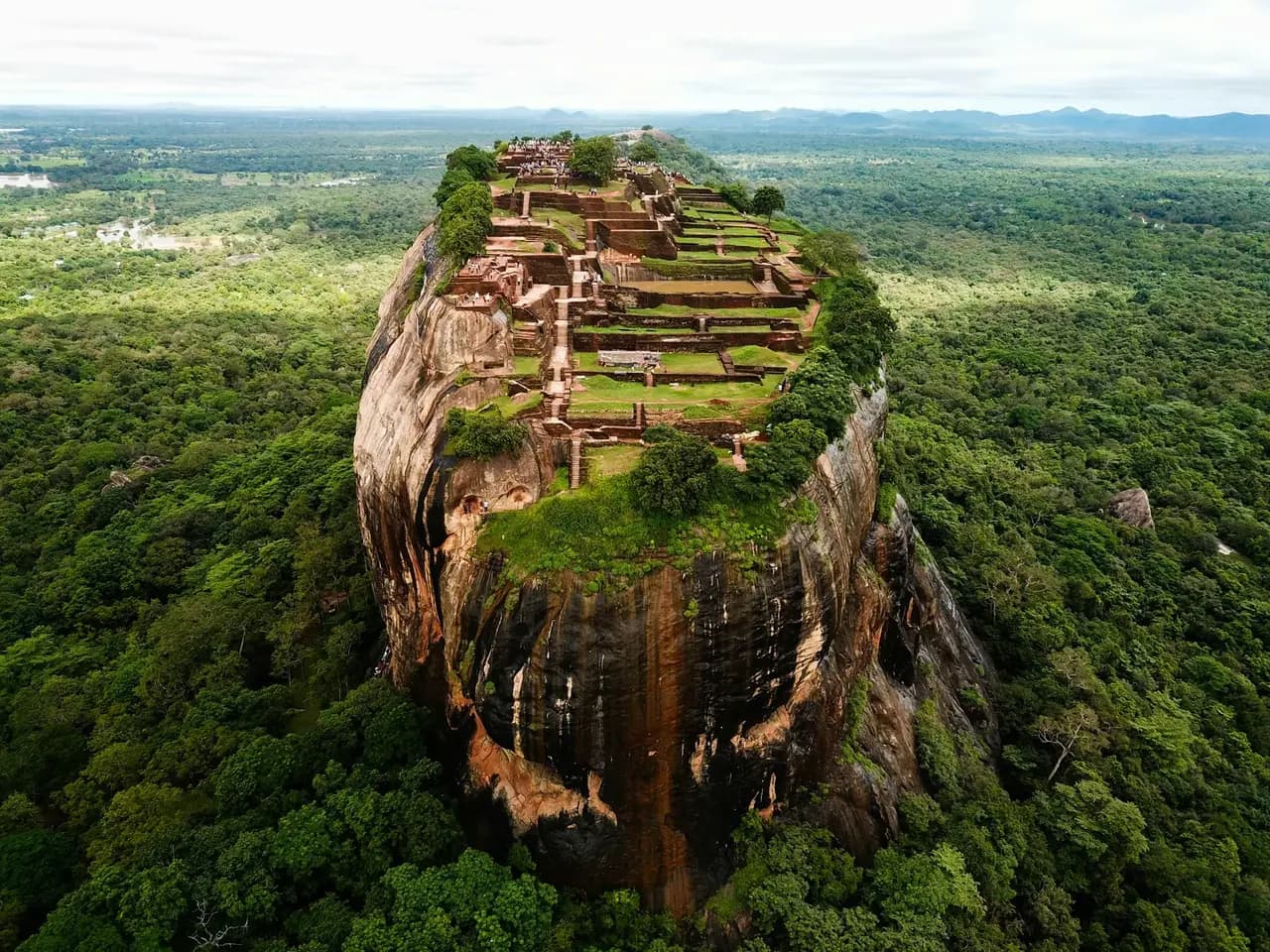
- A UNESCO rock fortress (Sigiriya)
- An ancient capital (Anuradhapura or Polonnaruwa)
- A working tea estate and hill country train journey (Ella)
- A wildlife safari with leopards and elephants (Yala or Udawalawe)
- A sacred Buddhist temple complex (Kandy)
This density of experience within a small geographic footprint is what Sri Lanka does better than any destination of comparable size on earth. You are not spending your holiday on a bus - you are spending it at destinations, with manageable transitions between them.
Tip
The classic two-week circuit for European visitors runs: Colombo arrival → Galle & south coast → hill country (Ella by train) → Cultural Triangle (Sigiriya/Dambulla) → Kandy → return to Colombo. This covers the island's highlights without excessive travel time between stops.
3. Year-Round Accessibility Thanks to Two Monsoon Seasons
This is the logistical detail that surprises most European visitors, and changes everything about trip planning.
Sri Lanka experiences two distinct monsoon seasons affecting different parts of the island. The southwest monsoon hits the west and south coasts from May to September. The northeast monsoon affects the east coast from October to January. This means:
- December to March: West and south coasts in perfect condition. East coast is wet - avoid it.
- May to September: East coast (Arugam Bay, Trincomalee, Pasikudah) in perfect condition. West coast is wetter but still largely functional.
- April and October–November: Inter-monsoon transition months, generally fine everywhere.
For European travellers, the December–March window aligns with the European winter - the very months when the desire to escape grey skies is strongest, and when Sri Lanka's south coast is delivering exactly the beach holiday that the Mediterranean cannot provide until June.
For Australian travellers, the May–September east coast season corresponds to the Australian winter, creating a genuine opportunity: while Sydney and Melbourne descend into cold and rain, Sri Lanka's east coast offers warm water, consistent waves, and accommodation prices that haven't yet caught up with the beach's quality.
The practical result: regardless of when you can travel, there is a part of Sri Lanka that is in optimal condition. Unlike a single-monsoon destination (Thailand, Bali) where the wrong timing means weeks of heavy daily rain, Sri Lanka's dual-monsoon geography gives you options.
4. Safety, English, and the Easiest Visa Process in Asia
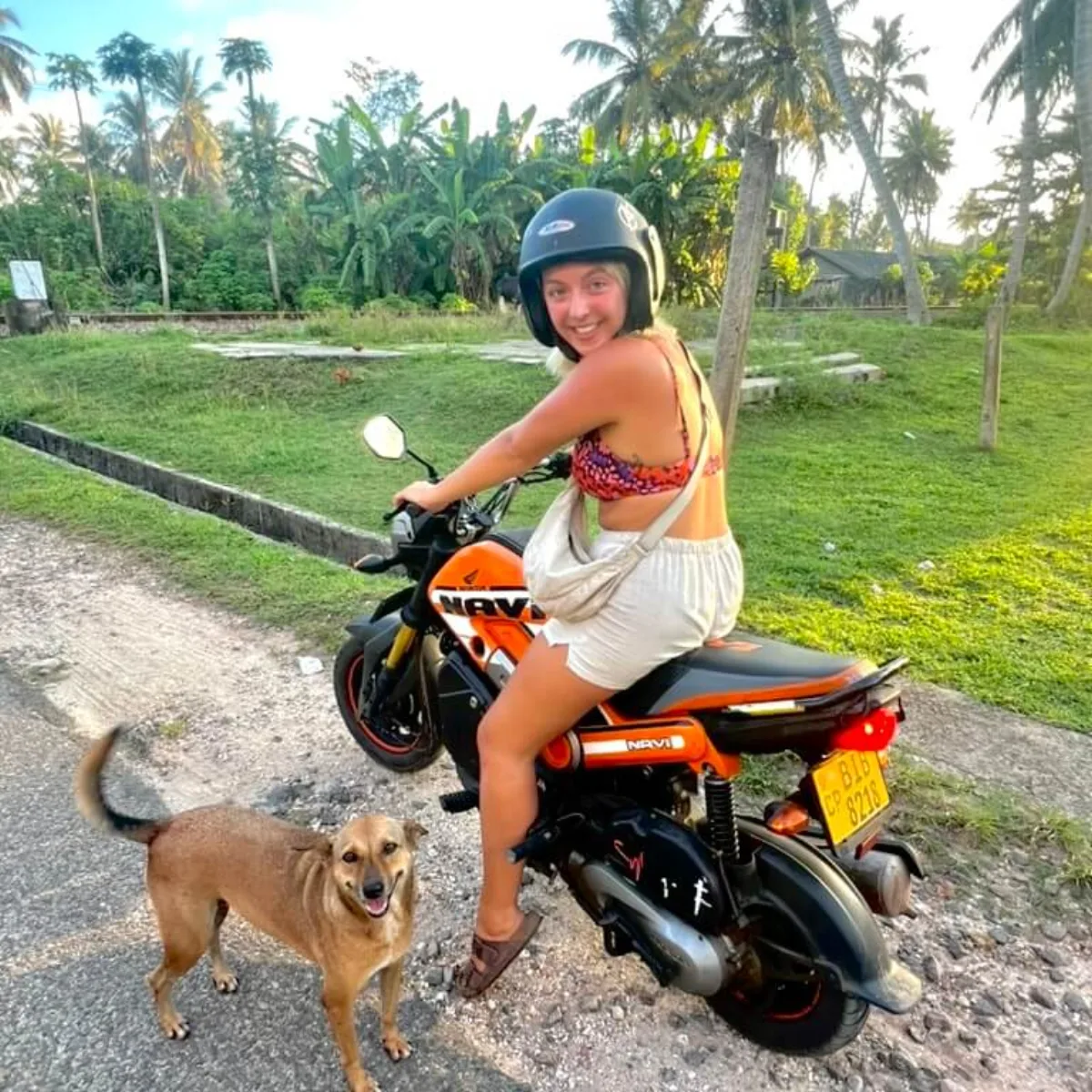
Sri Lanka consistently ranks among the safest destinations in South and Southeast Asia for independent travellers. The country has a functioning legal system, a stable political environment since 2022, and tourist infrastructure that works well across the island.
English is spoken to a high standard throughout the tourism industry and beyond - the legacy of British colonial administration and a school system that makes English compulsory. This is not "functional tourist English" limited to menu reading and directions. Conversations are substantive, recommendations are specific, and navigating the country independently requires no local language whatsoever.
The ETA visa process is one of the most straightforward in Asia for European and Australian citizens:
- Apply online at the official Sri Lanka ETA portal (takes 10 minutes)
- Pay USD $50 by credit or debit card - free for most of the EU, the UK, and Australia effective 25 May 2026
- Receive approval typically within 24–48 hours (often within minutes)
- Arrive, present your passport and ETA approval - done
There are no medical certificates required, no sponsorship letters, no embassy appointments. European citizens from most EU member states, UK passport holders, and Australian passport holders are all eligible for the standard tourist ETA, which grants a 30-day stay extendable to 270 days.
The contrast with neighbouring India - which requires a more involved visa process, has a much larger geographic and logistical scope, and demands considerably more advance planning - is stark. Sri Lanka offers everything India provides in terms of cultural intensity and landscape variety, compressed into an island that is genuinely manageable in a standard two-week holiday.
Most visitors spend 1–2 nights in Colombo on arrival to recover from the flight before heading south or north. The Fort and Cinnamon Gardens areas have the strongest hotel collections.
Where to Stay in Colombo
Hotels near Colombo
Compare prices across Booking.com, Agoda & more
Powered by Travelpayouts · We may earn a small commission at no extra cost to you.
5. Luxury Boutique Hotels That Europe Cannot Match at the Price
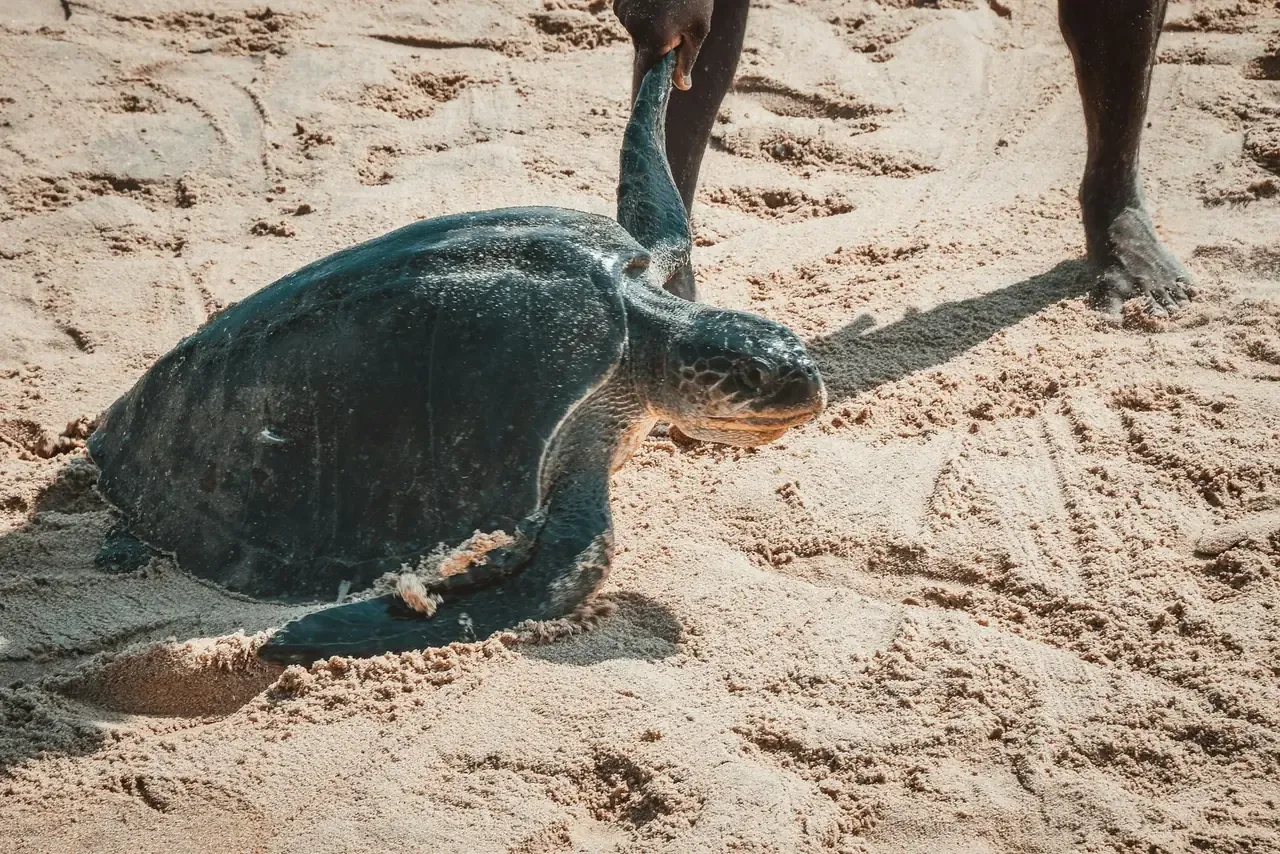
The boutique hotel scene in Sri Lanka deserves specific attention because it is significantly better than most European visitors expect, and the price differential is remarkable.
Galle Fort contains some of the most architecturally compelling small hotels in Asia - restored Dutch colonial townhouses with inner courtyards, roof terraces overlooking the Indian Ocean, antique furniture, and restaurants serving the kind of creative cooking that would earn serious review coverage in London or Melbourne. Properties that cost €90–160 per night would be three or four times that price in Dubrovnik or the Algarve for lesser buildings.
The hill country around Ella and Haputale has a collection of tea planter's bungalows - colonial-era estate houses built for British planters in the late 19th century - that have been converted into small boutique properties of genuine character. Staying in one, surrounded by 200 acres of working tea estate with views of misty valleys from the veranda at sunrise, is an experience with no European equivalent.
Yala and the south coast have a growing number of eco-lodges positioned on the edge of the national park or directly on beach frontage. Some allow elephants to walk past the pool at night. Several offer completely isolated tented camps with the kind of privacy and immersion in nature that would cost €500+ per night on a Kenyan safari.
6. The Experiences That Will Actually Change You
Value and logistics matter, but what ultimately drives the recommendation of Sri Lanka to European and Australian travellers is the quality of the experiences themselves.
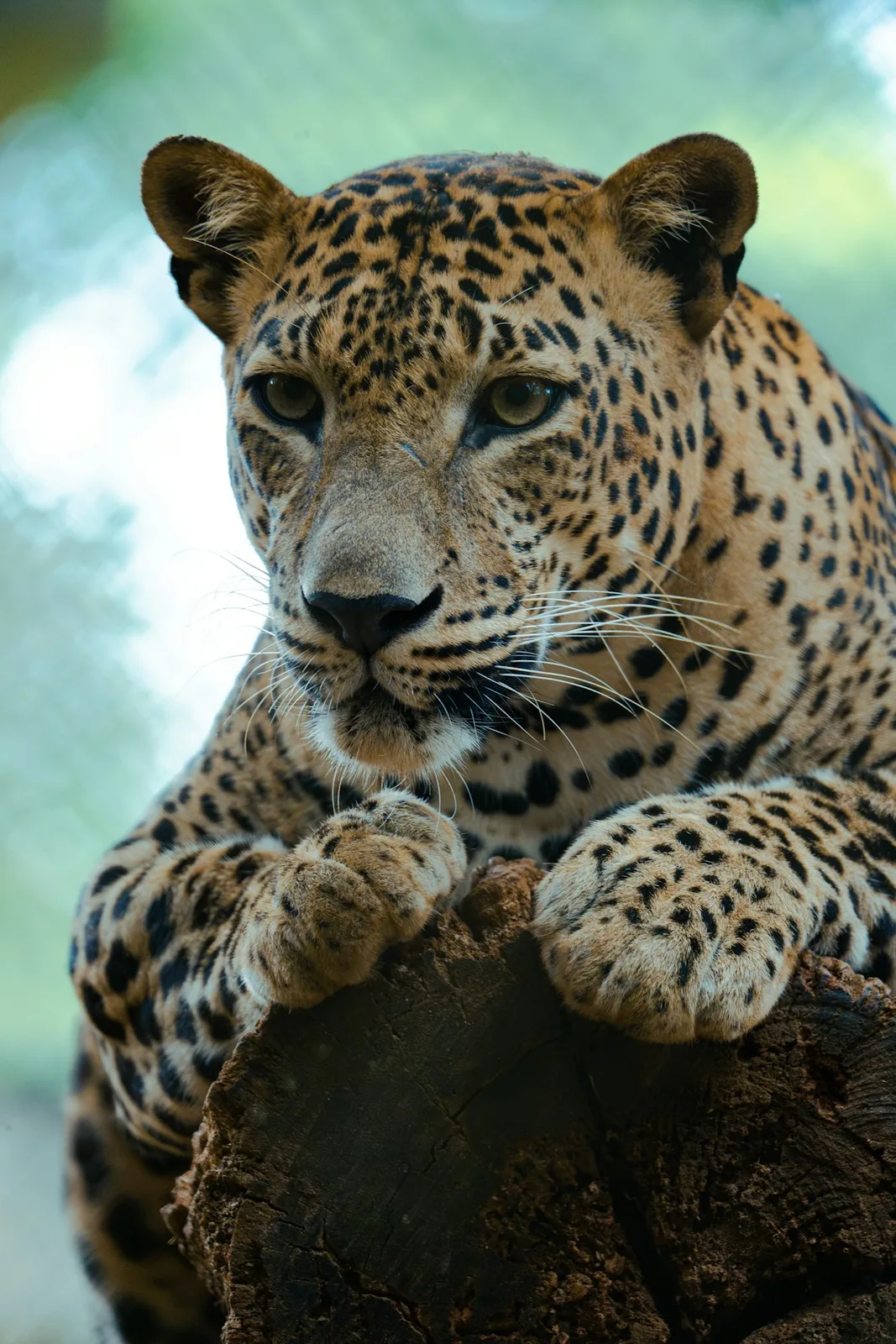
Wildlife: Yala National Park has the highest density of leopards of any national park in the world. A morning safari - two hours in a jeep with a knowledgeable guide, the light gold and angled through acacia scrub - will, in most cases, produce a leopard sighting. Not a distant spot in a tree. A proper sighting. Udawalawe delivers wild elephant encounters at a scale that is almost impossible to comprehend until you see 40 animals emerge from the scrub simultaneously. These are not zoo experiences. They are encounters with wild animals in their habitat.
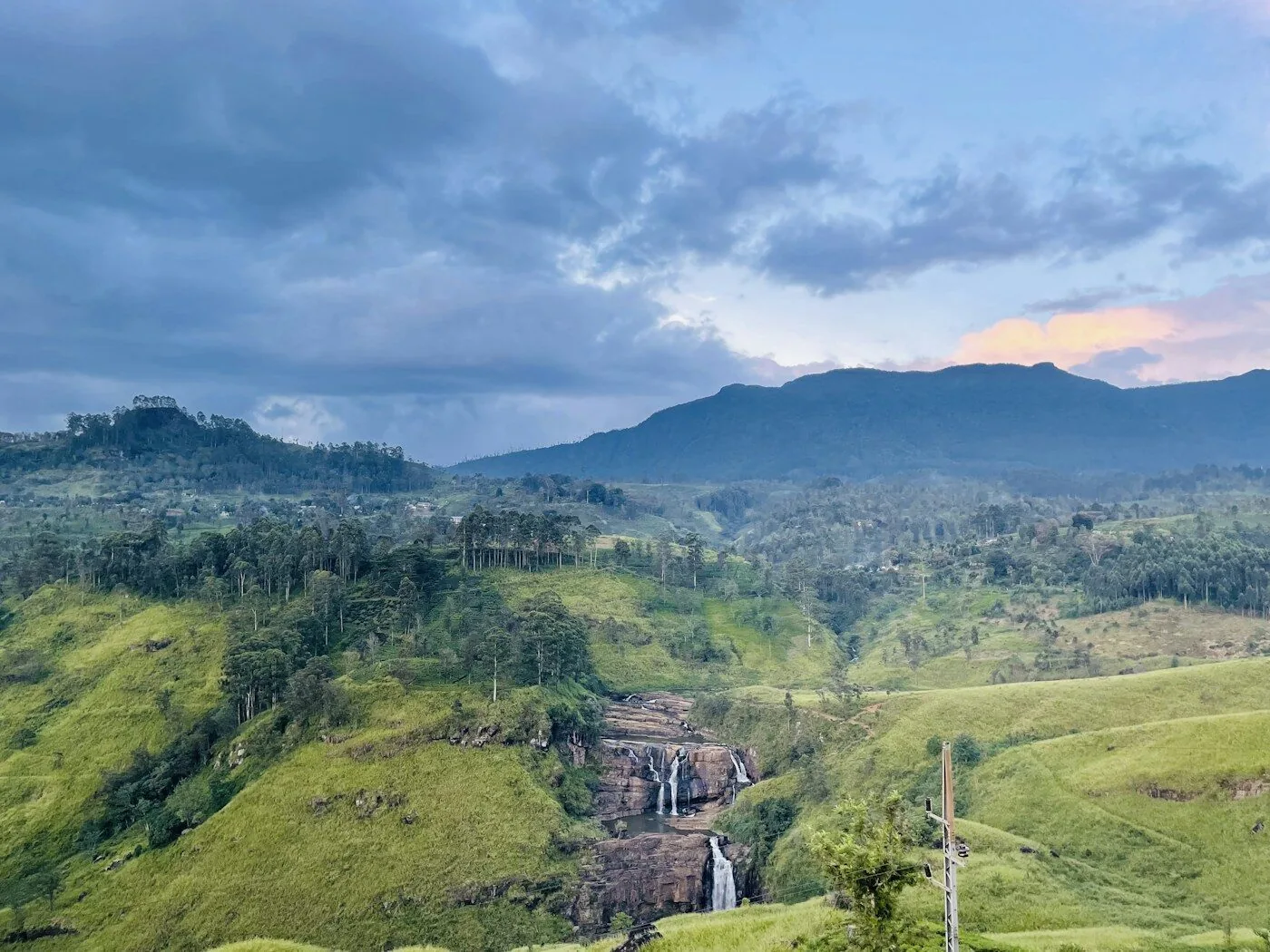
The train: The six-hour journey from Kandy through the tea country to Ella is regularly cited by travel writers as one of the world's most beautiful rail journeys. The Observation Car at the rear of the Expo Rail service has panoramic windows and sells out weeks in advance. But even standing in the open carriage doorway - the cool hill country air on your face, tea estates rolling to the horizon - is one of those experiences that defies summary.
The food: Sri Lankan cuisine is one of the world's great undiscovered culinary traditions. A proper rice and curry - six to ten separate preparations, each with distinct spicing, served at room temperature on a banana leaf - costs €2–4 at a local restaurant and is extraordinary. Kottu roti, whose rhythmic preparation is audible for half a street, is the street food of the country. The seafood along the south coast - caught that morning, grilled over coconut husks at a beachside restaurant - is as good as anywhere in the Mediterranean at a fraction of the price.
The history: Seven UNESCO World Heritage Sites in a country the size of Ireland. The 5th-century rock fortress of Sigiriya, where a king built a palace at the summit of a 180-metre granite monolith. Ancient Anuradhapura, where a sacred fig tree has been tended continuously for 2,300 years. The colonial lanes of Galle Fort, where the Dutch layer sits over the Portuguese layer sits over the ancient Sinhalese settlement.
Practical Comparison: Sri Lanka vs. Alternatives
European travellers typically compare Sri Lanka against:
Mediterranean alternatives (Greece, Italy, Croatia): Better value in Sri Lanka across all spending categories. Similar flight times from Western Europe (9–11 hours vs 3–4 hours). Significantly more diverse experiences. More authentic cultural engagement. Available December–March when the Mediterranean is cold.
Southeast Asia (Thailand, Bali, Vietnam): Comparable or slightly better value. Far less tourist saturation - Sri Lanka has not reached the density of Koh Samui or Seminyak. English more widely spoken than in most of Thailand or Indonesia. More compact and efficient to navigate in two weeks.
Maldives: Sri Lanka is often visited immediately before or after a Maldives stay. The country offers nearly all of the Maldives' beach quality at 20% of the cost, plus the cultural, historical and wildlife experiences the Maldives cannot provide.
For Australian travellers, the comparison set is typically Bali, Thailand or domestic destinations. Sri Lanka's value proposition is stronger than Bali for travellers who want cultural depth alongside beach time, and the flight from Sydney (approximately 11–12 hours direct or via Singapore) is comparable to Bali plus a connection.
Tip
Book your ETA at least a week before travel at the official Sri Lanka ETA portal. Effective 25 May 2026, the ETA is free for 40 countries - including the UK, Australia, and most of the EU. Check eta.gov.lk to confirm your nationality; if it's not on the free list, the fee is USD $50 per person. Avoid third-party sites that charge significantly more for the same authorisation.
How to Plan Your Sri Lanka Trip from Europe or Australia
Flight connections:
- From the UK: SriLankan Airlines direct from London Heathrow (~10.5 hours). Also Emirates via Dubai, Qatar Airways via Doha, Etihad via Abu Dhabi.
- From Continental Europe: Connections via Dubai (Emirates), Doha (Qatar Airways), Abu Dhabi (Etihad) or direct with SriLankan Airlines from Frankfurt.
- From Australia: SriLankan Airlines via Singapore from Melbourne and Sydney (~12–14 hours total). Also Singapore Airlines via Singapore, Cathay Pacific via Hong Kong.
When to go:
- European winter (December–March): South and west coasts in perfect condition. The most popular season - book hotels early.
- European summer (June–September): East coast (Arugam Bay, Trincomalee) is excellent. The rest of the island is wetter but largely functional.
- Shoulder seasons (April, October–November): Often the best value - quieter, lower prices, and weather that is generally good across the island.
Recommended duration:
- 10 days: Covers a tight classic circuit (Colombo, south coast, Ella, Sigiriya, Kandy).
- 14 days: The ideal duration - allows the full circuit with time to slow down at each stop. See our complete 2-week Sri Lanka itinerary for the day-by-day route.
- 21 days: Adds the east coast, the far north (Jaffna), or dedicated time in the deep south.
Budget guidance (per person per day, all-in):
- Budget traveller: €40–65
- Mid-range: €90–160
- Boutique/luxury: €180–400+
At every budget level, you are getting more than you would for the same money in Western Europe or coastal Australia. Before you travel, our Sri Lanka insider tips guide covers the practical knowledge - from paying Uber drivers in cash to where locals actually eat - that makes a significant difference to how smoothly the trip runs.
Find flights, hotels and the right itinerary for your budget - whether you're travelling from London, Berlin, Sydney or Melbourne.
Start Planning Your Sri Lanka Trip
Find the best price to Colombo from your city
Search Flights →Compare prices across Booking.com, Agoda & more
Find Hotels →Bus fares, train times and transport options
Plan Transport →Powered by Travelpayouts · We may earn a small commission at no extra cost to you.
Related Guides
- Sri Lanka Insider Travel Tips: What Locals Know That Most Guides Won't Tell You
- Is Sri Lanka Safe for Tourists in 2026? The Honest Guide
- Sri Lanka Named One of Travel + Leisure's 50 Best Places to Visit in 2026
- One Month in Sri Lanka: Real Itinerary, Costs & Honest Reviews (2026)
Advertisement
Flights, hotels and tours - all in one place.
Plan Your Sri Lanka Trip
Find the best price to Colombo from your city
Search Flights →Compare prices across Booking.com, Agoda & more
Find Hotels →Bus fares, train times and transport options
Plan Transport →Powered by Travelpayouts · We may earn a small commission at no extra cost to you.
Leave a Comment
Share your thoughts, questions, or travel experiences