Tip
The short answer: December–March is peak season for the south and west coast. April–September is best for the east coast and the north. The Cultural Triangle and hill country are good year-round - just pack a layer for Nuwara Eliya. There is no universally "bad" month in Sri Lanka, only mismatched expectations.
Sri Lanka's weather confuses people because the country runs on two monsoon systems simultaneously. The southwest monsoon brings rain to the south, west, and hill country from May to September. The northeast monsoon hits the north and east coast from October to January. The result: while one coast is wet, the other is usually dry.
Understanding this is the single most important thing you can do when planning a Sri Lanka trip. Get it right and you have pristine beaches, clear safari skies, and mountain views. Get it wrong and you spend a week watching rain from a hotel balcony.
Tip
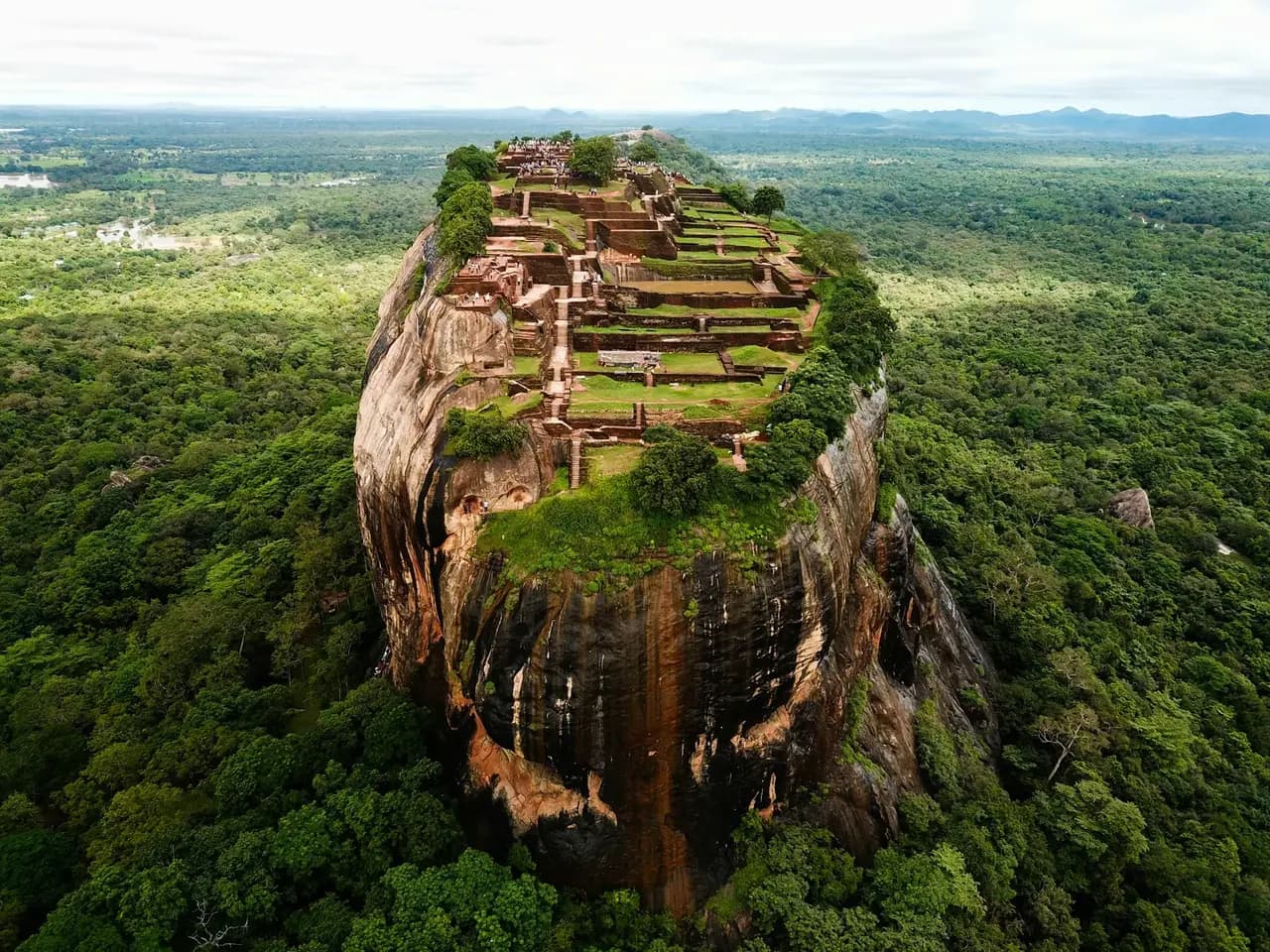
Our take: Arriving on the wrong coast in the wrong monsoon season is the most common Sri Lanka planning mistake we see. The practical correction: even in peak southwest monsoon (June to September), the Cultural Triangle - Sigiriya, Polonnaruwa, Kandy - is workable. It is the beach destinations that suffer, not the whole island.
Sri Lanka's Two Monsoons: How They Work
| Monsoon | Months | Affects |
|---|---|---|
| Yala (Southwest) | May–September | South coast, west coast, hill country, Cultural Triangle |
| Maha (Northeast) | October–January | North coast, east coast, Trincomalee, Arugam Bay |
Both monsoons bring heavy rain to their respective regions - but rarely make those areas completely inaccessible. Even in peak monsoon season, rain typically falls in bursts rather than all day. The bigger issue is rough seas (which ruins beach holidays) and reduced visibility.
The safest zones during any monsoon are the Cultural Triangle (Sigiriya, Kandy, Anuradhapura) and the far south (Yala, Tangalle). These sit in a protected belt that receives less direct monsoon impact.
Month by Month
January ⭐⭐⭐⭐⭐ - Peak Season South & West
Best for: South coast, west coast, Cultural Triangle, Yala, hill country
January is the single best month to visit Sri Lanka if you're doing the classic south/west circuit. The southwest monsoon has cleared. Skies are blue, seas are calm, and temperatures hover around 27–30°C on the coast.
- South coast (Mirissa, Unawatuna, Tangalle): Flat calm seas, ideal for whale watching (blue whales peak January–March in Mirissa), excellent beach conditions.
- Cultural Triangle (Sigiriya, Dambulla, Kandy): Dry and clear, good visibility for hikes.
- Hill country (Ella, Nuwara Eliya): Cool and dry. Nights can drop to 10–12°C in Nuwara Eliya - bring layers.
- East coast (Arugam Bay, Trincomalee): Northeast monsoon still active - avoid.
Crowd level: High. This is peak tourist season - book accommodation early, especially Sigiriya-area hotels.
February ⭐⭐⭐⭐⭐ - Ideal Across Most of the Island
Best for: South coast, west coast, Cultural Triangle, Yala, hill country
February is arguably the most reliably good month of the year. Still peak dry season on the south and west, with slightly lower crowds than January. Seas around Mirissa remain calm - whale watching continues.
- Temperature: 28–32°C on the coast, 18–22°C in hill country.
- Yala National Park: Excellent - dry season conditions, good wildlife activity.
- East coast: Still in northeast monsoon. Skip Arugam Bay and Trincomalee this month.
March ⭐⭐⭐⭐ - Still Good, Start of Transition
Best for: South coast, west coast, Cultural Triangle
March remains dry on the south and west but you start seeing occasional pre-monsoon showers in the afternoons - brief, heavy, and usually over within an hour. Beach conditions are still excellent.
- Whale watching (Mirissa): March is the last reliable month. Blue whales start moving on.
- Hill country: Getting warmer and slightly more humid.
- Adam's Peak (Sri Pada): Season ends in April - March is your last good month for the sacred pilgrimage climb.
- East coast: Transition month - northeast monsoon easing, starting to become viable.
April ⭐⭐⭐ - Transition Month
Best for: Cultural Triangle, east coast (emerging), hill country
April is Sri Lanka's hottest month - temperatures on the coast regularly hit 33–35°C. The southwest pre-monsoon is building. Inland areas (Cultural Triangle) are still fine. The east coast starts to open up.
- Sinhala and Tamil New Year (April 13–14): Major national holiday. Expect road closures, busy temples, and a wonderful cultural experience if you happen to be there.
- Beaches: Doable but very hot. Sea conditions increasingly choppy on the south and west.
- Kandy: Good weather continues.
- East coast: Trincomalee starts to get good. Arugam Bay improving.
Note
Vesak Full Moon (Poya): A major Buddhist festival falling on the May full moon - usually late April or early May. Colombo and Kandy are spectacular with lanterns and lights. Plan around it or book accommodation early.
May ⭐⭐⭐ - Southwest Monsoon Arrives
Best for: East coast, north, Cultural Triangle
The southwest monsoon typically hits the south coast around the end of May and the hill country shortly after. The east coast, however, is now entering its best weather window.
- South and west coast: Avoid for beach holidays from late May. Seas rough, frequent heavy rain.
- Cultural Triangle: Still reasonably good - rain is more intermittent here than on the coast.
- East coast (Arugam Bay, Trincomalee): Entering prime season. Arugam Bay surf picks up.
- Yala National Park: Best time - dry, animals concentrate around remaining water sources. Highest leopard sighting probability.
June ⭐⭐⭐⭐ - East Coast & Yala Peak
Best for: East coast, Trincomalee, Arugam Bay, Yala, Minneriya, Cultural Triangle
June is excellent for the east coast, Yala, and the Cultural Triangle. The southwest monsoon is fully established but the east is beautifully clear.
- Trincomalee: Prime beach season. Calm turquoise seas, water temperature 28–30°C.
- Arugam Bay: Surf season in full swing. Main Point breaks are firing.
- Minneriya / Kaudulla: The elephant gathering starts building (peaks July–September).
- Sigiriya / Dambulla: Hot but dry, manageable in the early morning.
- Hill country: Wet season in full effect - misty, cool, frequent rain. Beautiful if you like moody landscapes, challenging if you want views.
July ⭐⭐⭐⭐ - East Coast Peak + Minneriya Gathering
Best for: East coast, Minneriya, Arugam Bay, Yala
July is peak east coast season. Trincomalee is at its best. The Minneriya elephant gathering is building toward its September peak.
- Trincomalee: Best month of the year - calm seas, excellent snorkelling, dolphins and whale sharks offshore.
- Arugam Bay: Surf competitions often held in July. Great waves and beach atmosphere.
- Minneriya elephant gathering: Excellent - 200+ elephants assembling at the reservoir. Plan your safari carefully.
- South coast: Full monsoon - heavy rain, rough seas, most beach accommodation quiet.
- Hill country: Cool and misty. Tea terraces are brilliant green but often cloud-covered.
August ⭐⭐⭐⭐ - Kandy Perahera + East Coast
Best for: East coast, Kandy (Perahera), Minneriya
Esala Perahera (late July–August) is Sri Lanka's most spectacular festival - ten nights of illuminated elephants, fire dancers, whip crackers, and drummers parading through Kandy around the Temple of the Tooth. One of the great spectacles of Asia. Book Kandy accommodation 3–4 months ahead.
- Kandy (Perahera): Unmissable if you time it right. Exact dates shift with the lunar calendar.
- East coast: Still excellent, though crowds at Trincomalee build.
- Minneriya elephant gathering: Approaching peak - some of the largest single-day counts of the year.
- South coast: Monsoon continues. Not recommended for beach holidays.
September ⭐⭐⭐ - Transition Month
Best for: Minneriya peak, Arugam Bay, east coast
September sees the Minneriya gathering reach its annual maximum - 300+ elephants have been recorded in single afternoons. The east coast is still good but starting to wind down as the northeast monsoon approaches.
- Minneriya: Peak month for the elephant gathering. Book safaris and accommodation early.
- Arugam Bay: Good surf continues but crowd levels drop from July–August highs.
- South coast: Monsoon beginning to ease. Not yet reliable for beaches.
- Cultural Triangle: Transition - getting less rainy. Manageable but can be overcast.
October ⭐⭐⭐ - Second Transition
Best for: Cultural Triangle, south coast (emerging), hill country
October is a changeover month. The southwest monsoon is retreating from the south. The northeast monsoon is arriving at the east coast. Both coasts can be hit-or-miss.
- South coast: Starting to improve. The last weeks of October can be pleasant, though unpredictable.
- East coast: Northeast monsoon arriving - Trincomalee and Arugam Bay winding down.
- Cultural Triangle: Good conditions returning.
- Hill country: Post-monsoon freshness - some of the clearest air and greenest landscapes of the year.
November ⭐⭐⭐⭐ - South Coast Reopening
Best for: South coast, Cultural Triangle, Yala, hill country
November is an underrated month. The southwest monsoon has cleared the south coast. Seas are calming. Tourist crowds haven't arrived yet - which means lower prices and more availability.
- South coast: Conditions improving rapidly week by week. By late November most beaches are usable.
- Yala National Park: Great month - good wildlife sightings, manageable temperatures.
- Cultural Triangle: Excellent, clear conditions.
- Hill country: Beautiful with post-monsoon greenery.
- East coast: Northeast monsoon in full effect - avoid Trincomalee and Arugam Bay.
December ⭐⭐⭐⭐⭐ - Peak Season Begins
Best for: South coast, west coast, Cultural Triangle, Yala, hill country
December marks the official start of peak season. By mid-December the south coast is in full swing - and it shows in the prices and crowds. The Christmas and New Year period is the busiest and most expensive time of year.
- South coast (Mirissa, Unawatuna, Galle, Tangalle): Excellent. Blue skies, calm seas, warm water.
- Whale watching: Blue whale season begins at Mirissa (peaks January–March).
- Yala National Park: Peak season - dry, excellent leopard sighting conditions.
- Hill country: Cool and clear. Nuwara Eliya is beautiful in December but genuinely cold at night.
- East coast: Northeast monsoon may still be present - Trincomalee not reliable until February.
Important
Christmas and New Year prices: Accommodation along the south coast can cost 2–3× the off-peak rate in the last two weeks of December. Book at least 3 months ahead for Galle, Mirissa, and Tangalle. January and February offer the same excellent weather at more manageable prices.
Quick Reference: Best Month by Region
| Region | Best Months | Avoid |
|---|---|---|
| South coast (Mirissa, Unawatuna, Tangalle) | Dec–Mar | Jun–Sep |
| West coast (Negombo, Bentota, Kalutara) | Dec–Mar | May–Sep |
| East coast (Trincomalee, Arugam Bay) | May–Sep | Nov–Feb |
| Cultural Triangle (Sigiriya, Kandy, Dambulla) | Dec–Apr, Jun–Aug | - (usable year-round) |
| Hill country (Ella, Nuwara Eliya, Knuckles) | Jan–Apr | Jun–Sep (monsoon) |
| Yala & south wildlife | May–Sep, Dec–Mar | Oct–Nov |
| Minneriya elephant gathering | Jun–Oct (peak Aug–Sep) | - |
| Whale watching Mirissa | Nov–Apr (peak Jan–Mar) | May–Oct |
| Adam's Peak | Dec–Apr | May–Oct |
| Surfing Arugam Bay | Jun–Sep | Oct–Apr |
What About Shoulder Seasons?
April and October are the classic shoulder months - both are transition periods where neither monsoon has fully settled. The advantage: lower prices, fewer crowds, and decent weather in the Cultural Triangle and hill country regardless. The disadvantage: beach weather is unpredictable.
If your priority is culture over beaches, April and October are underrated months to travel.
Temperature Throughout the Year
Sri Lanka's coastal temperatures don't vary dramatically - you're looking at 27–32°C year-round at sea level. The main variables are:
- Humidity: Higher during and after monsoon season (June–October in the south).
- Hill country: Permanently cooler. Nuwara Eliya averages 16–20°C in the day, dropping to 10–12°C at night year-round.
- Colombo: 28–32°C year-round. Very humid during southwest monsoon.
The Honest Truth About Monsoon Season
Monsoon season is not a reason to cancel a Sri Lanka trip - it is a reason to change which coast you visit.
What monsoon actually looks like: During the southwest monsoon (May–September), it does not rain all day. Rain typically comes in heavy afternoon and evening bursts - often 45 minutes to 2 hours - then clears. Mornings are frequently dry. The landscape is intensely green, waterfalls are at full flow, and there are significantly fewer tourists.
What monsoon actually ruins: Beach holidays on the affected coast. The south coast (Mirissa, Hikkaduwa, Bentota) in June has rough seas, choppy water, and closed beach bars. You cannot swim safely. This is the problem - not the rain itself.
What monsoon does not ruin: Temple visits, safaris, hill country travel, or any itinerary focused on inland destinations. Sigiriya in the rain is atmospheric. Yala in June–July is actually among its best wildlife months - dry conditions concentrate animals around waterholes.
The east coast in monsoon: The east coast (Trincomalee, Arugam Bay) is in its prime June through September - flat calm turquoise sea, warm water, almost no western tourists. While the south coast suffers, the east coast is at its best. A well-planned itinerary uses this.
Planning Around Sri Lanka's Two Monsoons: Practical Guide
If you travel December–March: Go south and west coast. Sigiriya, Kandy, Ella, Yala, Mirissa, Galle. The classic circuit at its most reliable.
If you travel April–May: Go inland (Cultural Triangle, Kandy) or east coast (beginning of east season). Avoid south coast beaches.
If you travel June–September: Go east coast (Trincomalee, Arugam Bay). Combine with Yala or Sigiriya inland. Avoid south coast beaches entirely.
If you travel October–November: Transition months. South coast improving through November. Cultural Triangle and hill country good. East coast winding down. Best value for budget-conscious travellers.
No matter when you travel: The Cultural Triangle (Sigiriya, Kandy, Polonnaruwa, Dambulla) is workable in every month of the year. It sits in a protected belt between the two monsoon systems and receives less direct impact than either coast.
Related Guides
- Best Time to Visit Sri Lanka - broader overview with things-to-do by season
- Sri Lanka Visa Guide - ETA requirements and costs
- What to Pack for Sri Lanka - by season and activity
- 9-Day Sri Lanka Honeymoon Itinerary - July timing and monsoon routing
- Arugam Bay Surf Guide - east coast season details
Advertisement
Flights, hotels and tours - all in one place.
Plan Your Sri Lanka Trip
Find the best price to Colombo from your city
Search Flights →Compare prices across Booking.com, Agoda & more
Find Hotels →Bus fares, train times and transport options
Plan Transport →Powered by Travelpayouts · We may earn a small commission at no extra cost to you.
Leave a Comment
Share your thoughts, questions, or travel experiences