In November 2025, Travel + Leisure - one of the world's most widely read travel publications - published its annual list of the 50 Best Places to Travel in 2026. Sri Lanka earned a place on it.
The recognition matters beyond the headline. Travel + Leisure vets more than 100 candidate destinations before publishing its annual list, weighing accessibility, cultural significance, unique experiences, and emerging travel trends. Being included signals not just that a destination is worth visiting, but that this particular year is a meaningful time to go. For Sri Lanka, that signal reflects something real - a confluence of infrastructure improvements, an emerging northern frontier, expanding luxury options in the highlands, and a cultural depth that continues to generate global interest.
This is what put Sri Lanka on the list, and what it means for planning your 2026 trip.
With international interest at a post-pandemic high, popular properties in the hill country, south coast, and Cultural Triangle are booking up faster than in previous years. Securing accommodation early - especially in Ella, Galle, and Jaffna - is advisable for 2026 travel.
Planning a 2026 Sri Lanka Trip?
Hotels near Sri Lanka
Compare prices across Booking.com, Agoda & more
Powered by Travelpayouts · We may earn a small commission at no extra cost to you.
Tip
Our take: The Travel + Leisure and Lonely Planet rankings that placed Sri Lanka at the top of their 2026 lists reflect what we have observed for years: the island is arriving as a world-class destination while still operating at prices that feel like a decade ago. That gap will not last. The time to visit is now.
Why Travel + Leisure Chose Sri Lanka for 2026
Travel + Leisure placed Sri Lanka in the adventure travel category of its 50 Best Places list - a classification that reflects both the island's terrain and the style of travel that increasingly defines it.
The editorial team highlighted four broad reasons:
1. Jaffna and the emerging north. The northern city of Jaffna has quietly become one of the most compelling new frontiers in Sri Lankan travel. For decades effectively closed to tourists, the north is now increasingly accessible - and the rewards for going are significant. Jaffna's Hindu-Tamil heritage, its untouched coastlines, the ancient Nainativu island temple, the Dutch-era fort in the city centre, and a food culture entirely distinct from the rest of the island make it a destination that rewards curious, independent travellers. Travel + Leisure described the north as the destination for travellers who feel they've already seen the best of Sri Lanka - it is, in that sense, the next chapter.
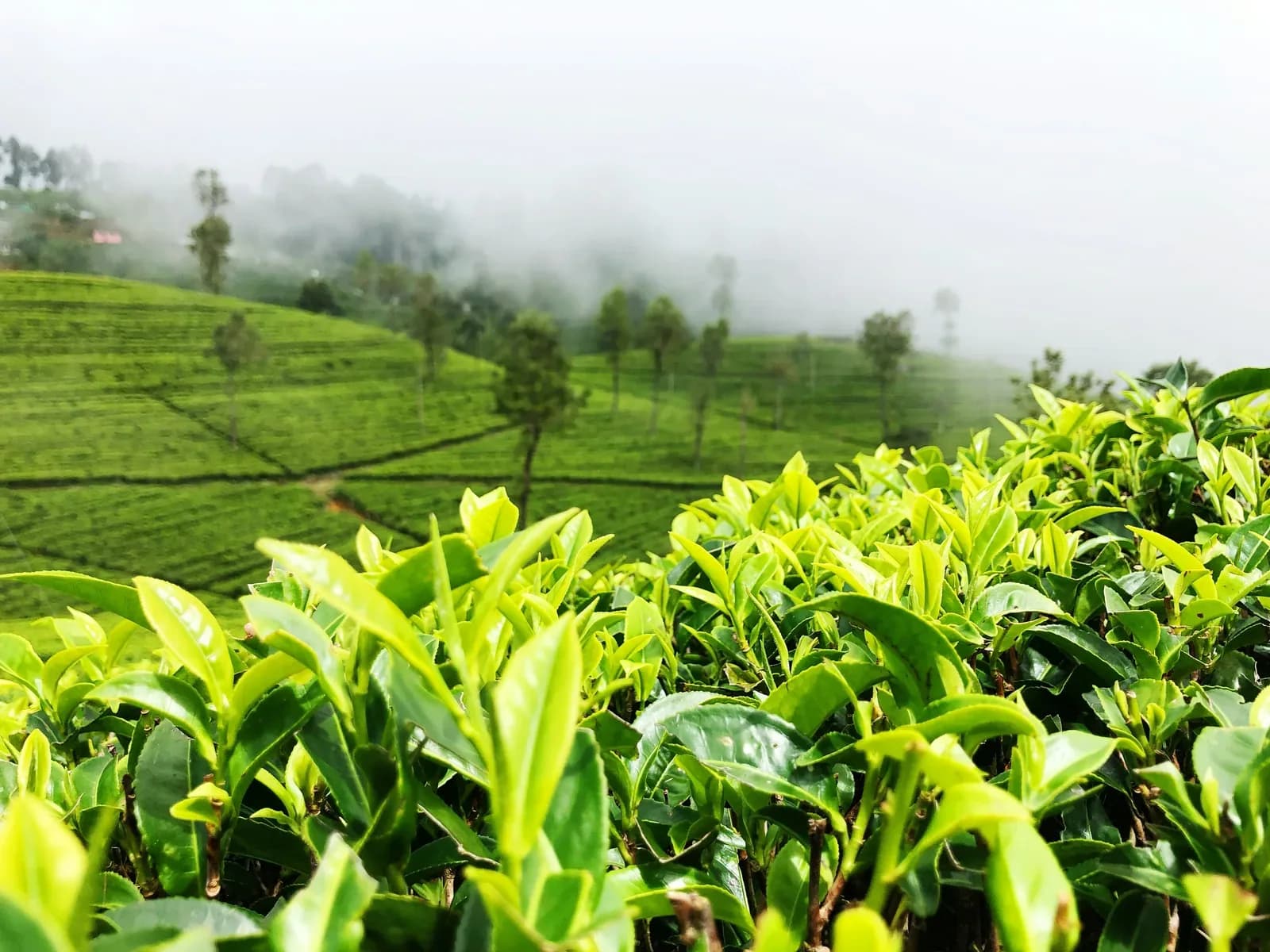
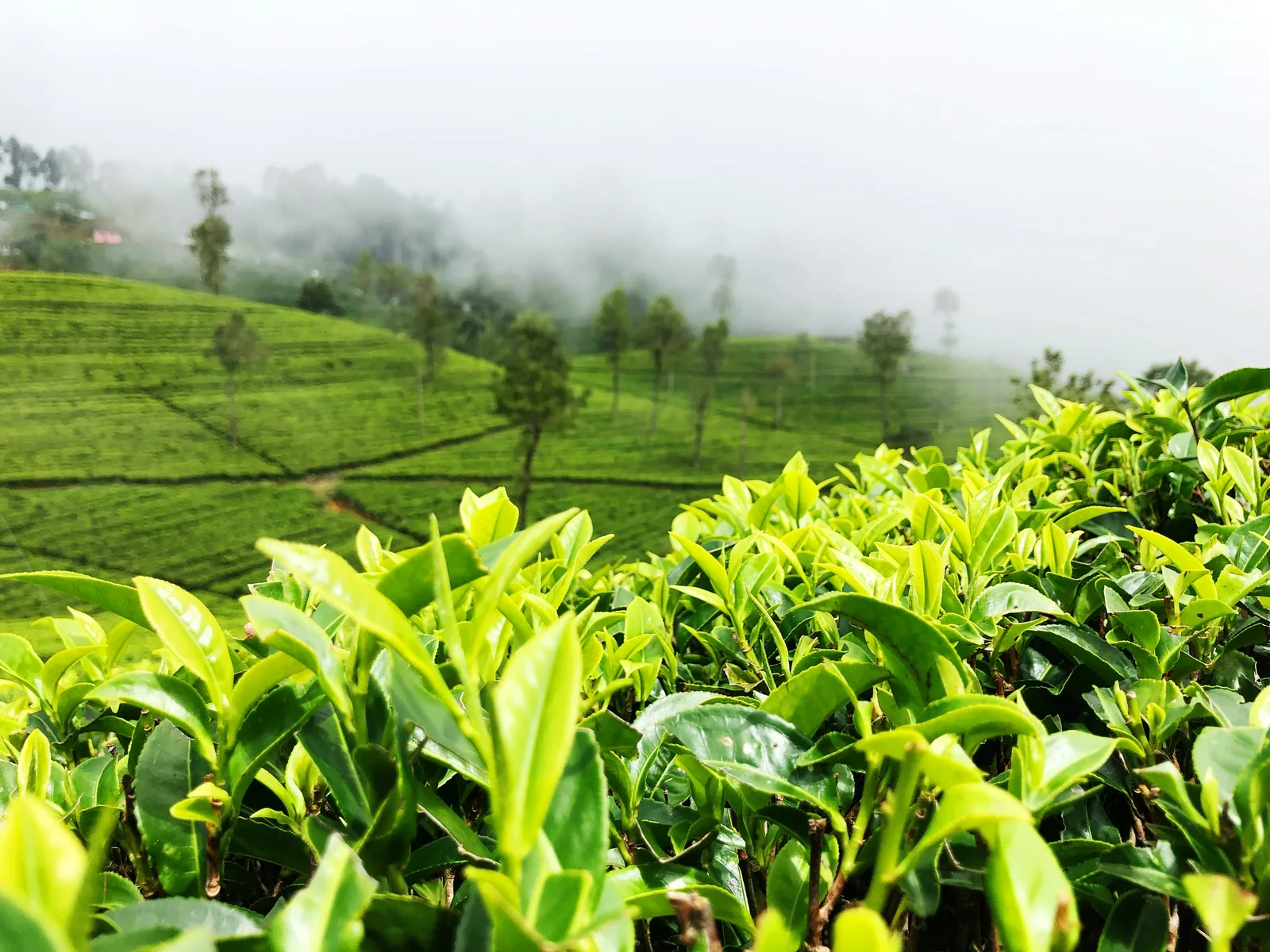
2. Horton Plains and the highland interior. The central highlands - particularly Horton Plains National Park, the tea estate landscape around Nuwara Eliya, and the walking routes through misty cloud forest - represent the adventure dimension that T+L foregrounded. Horton Plains, a UNESCO World Heritage Site and one of Asia's highest plateaus, draws hikers to its stark grasslands, endemic bird species, and the dramatic cliff edge of World's End, which drops 870 metres to the lowland jungle below. The publication specifically cited hiking routes through the highlands and tea estates as among Sri Lanka's most distinctive adventure experiences.
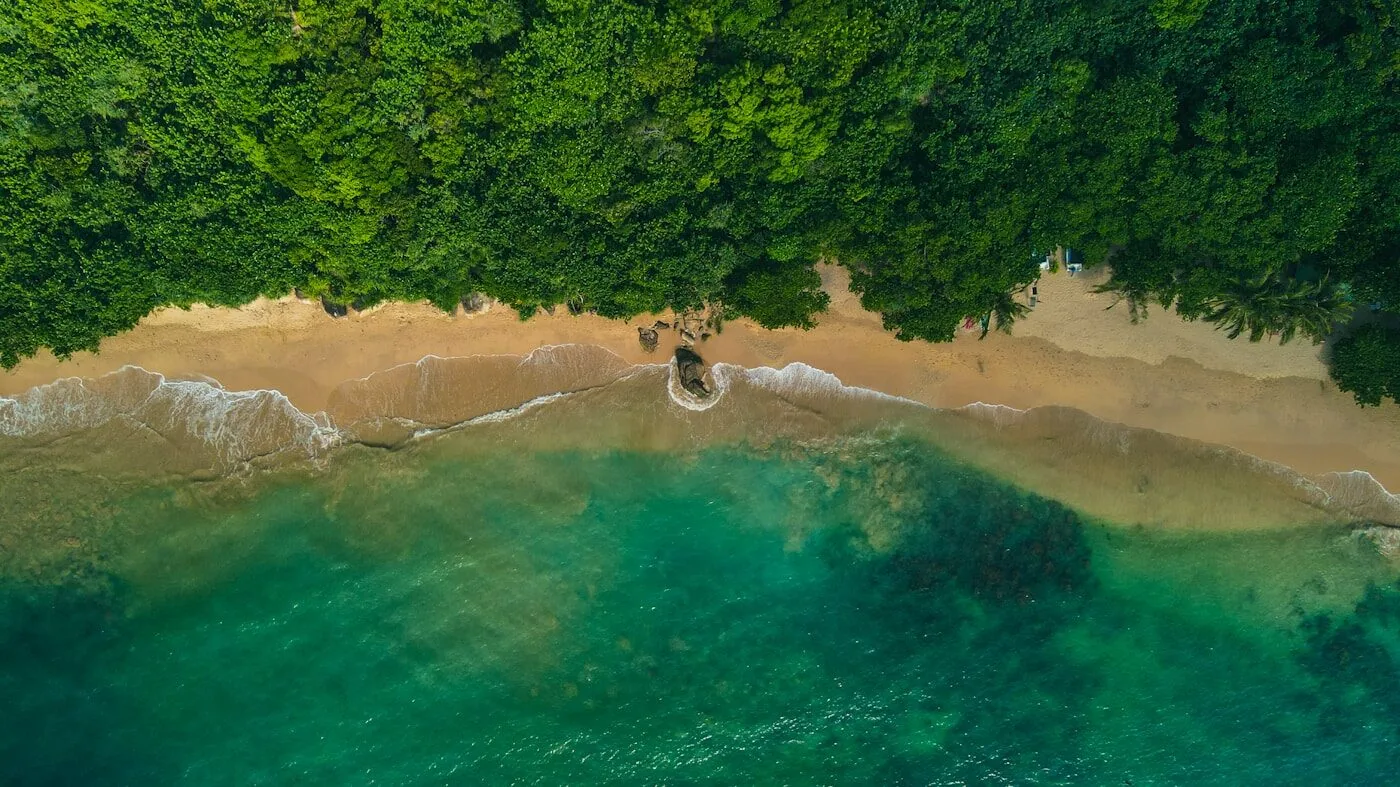
3. The southern coastline. Sri Lanka's southern arc - from the turtle nesting beaches of Rekawa to the whale-watching grounds off Mirissa, through the colonial ramparts of Galle Fort and east toward the surf breaks of Arugam Bay - represents the country's most internationally recognised face. T+L highlighted the coastal dimension for its marine life, outdoor activity options, and the way coastal journeys, cycling routes, and walking trails have evolved into full itinerary anchors rather than simple beach stops.
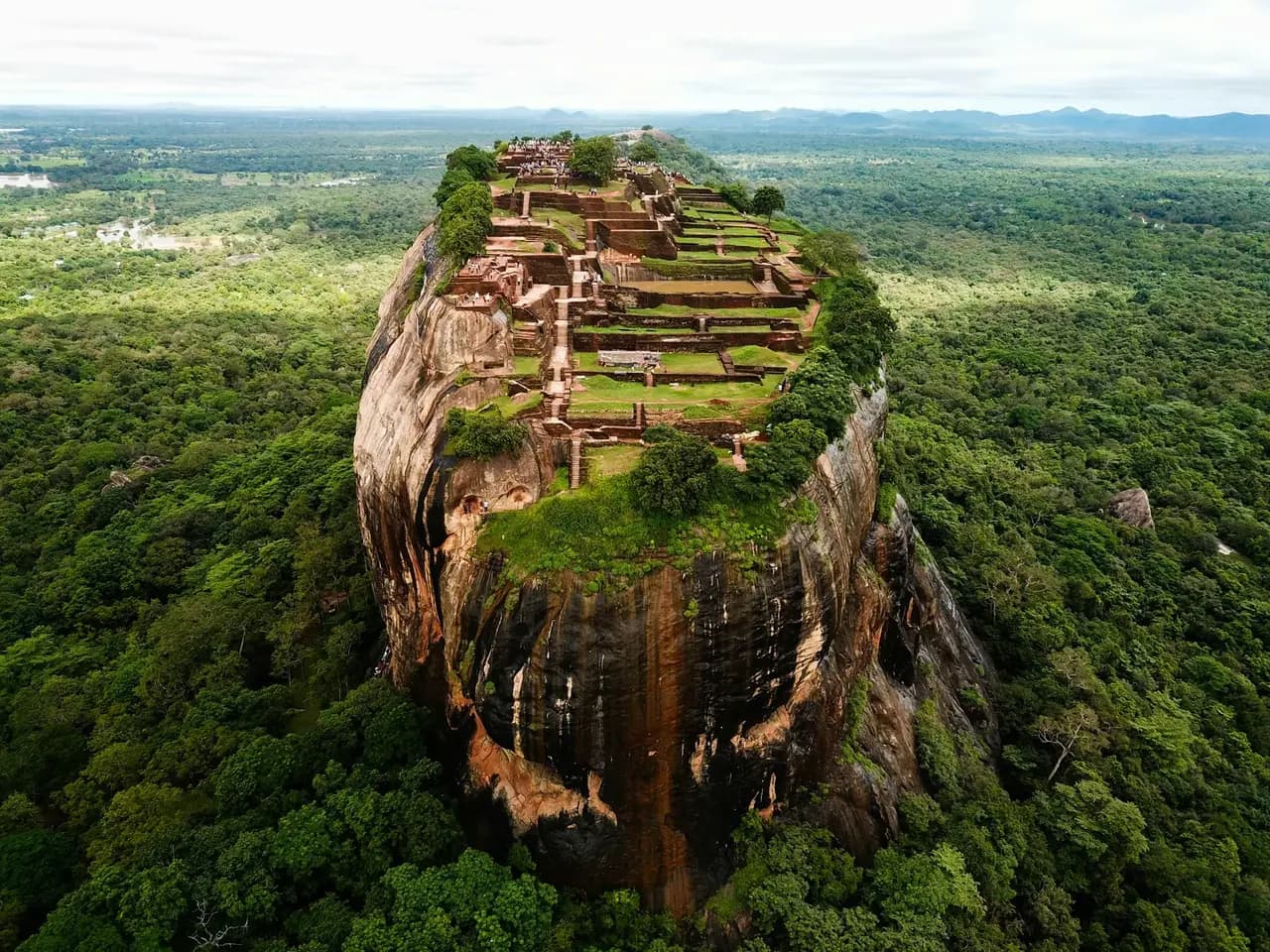
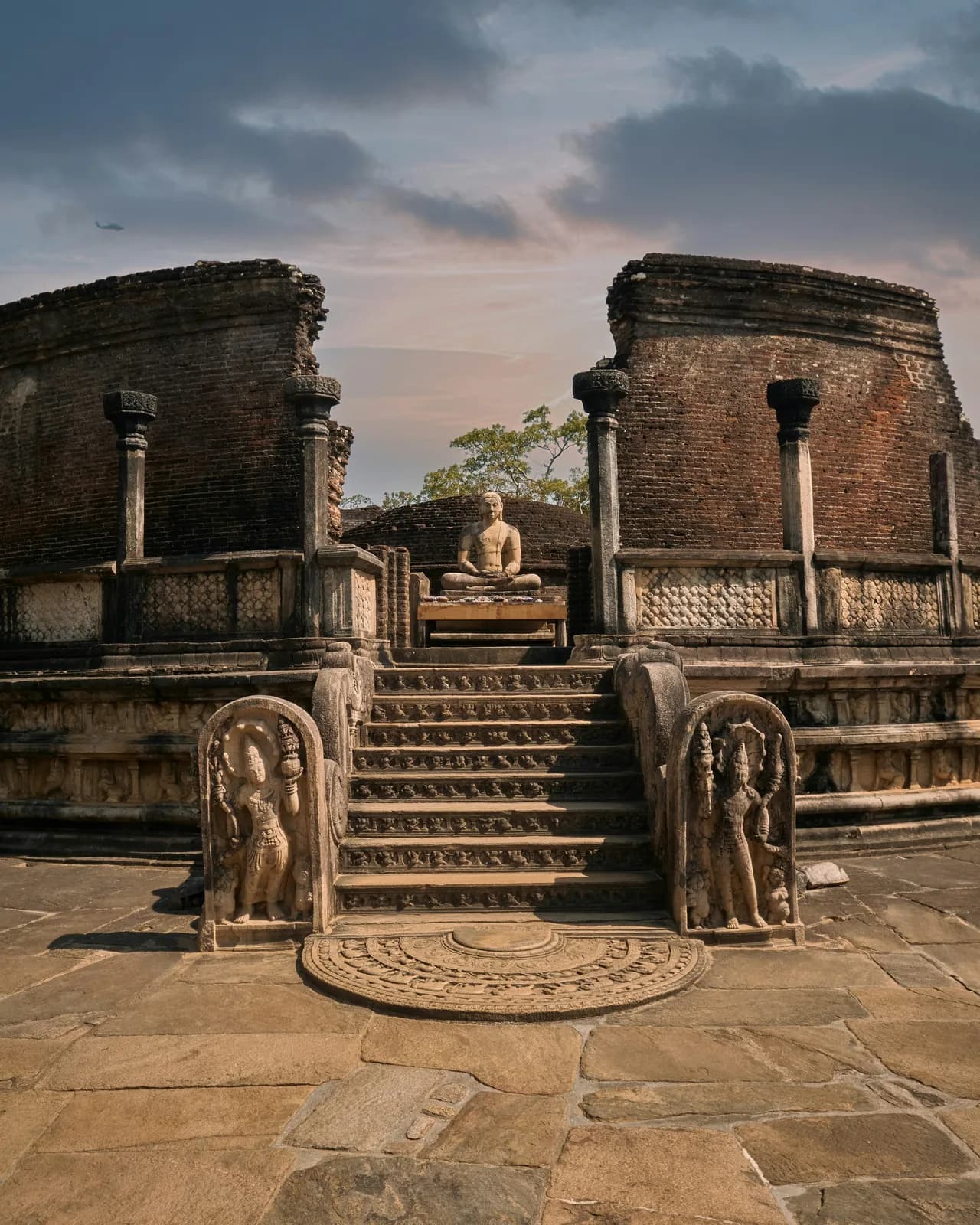
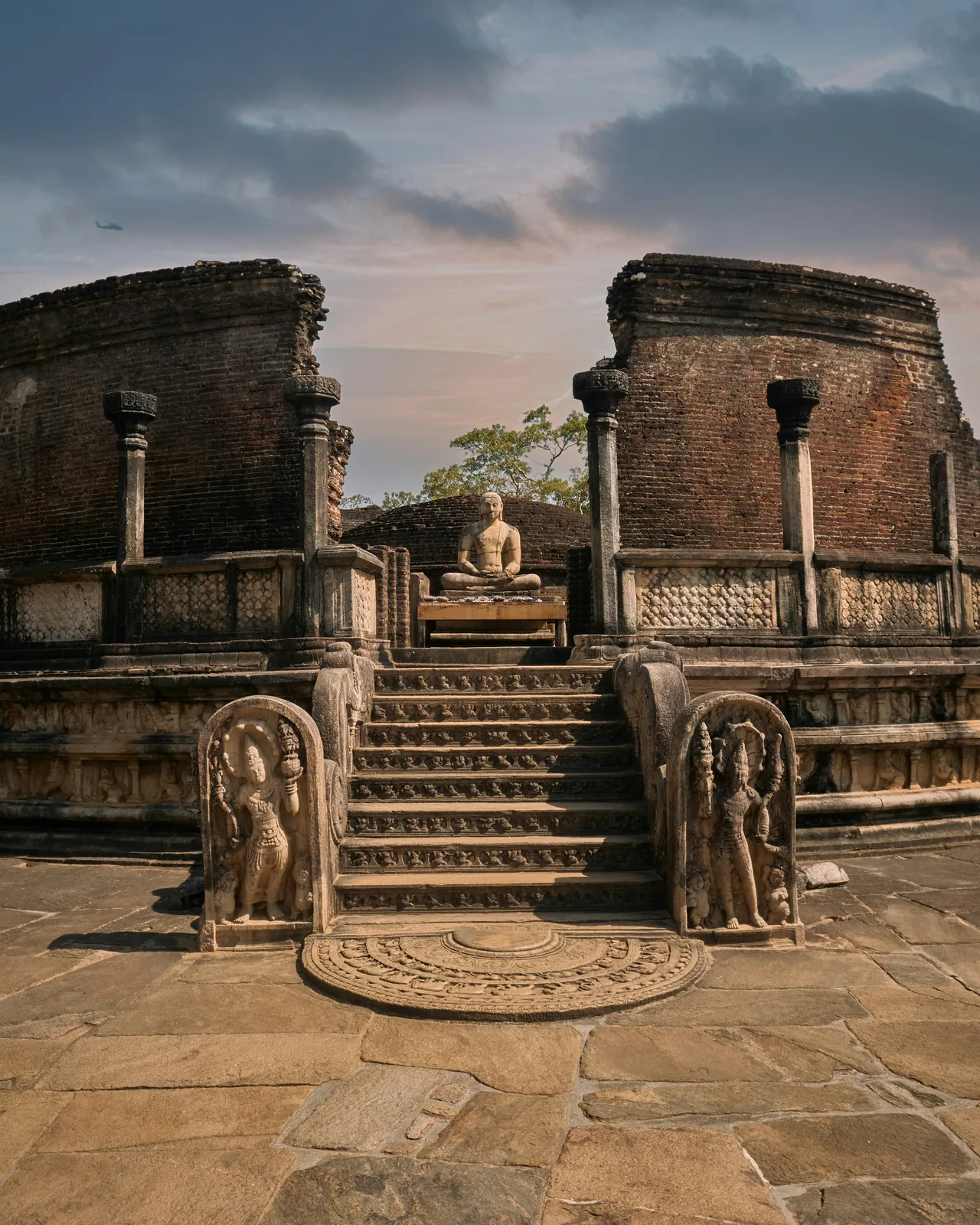
4. Eight UNESCO World Heritage Sites. Few countries of Sri Lanka's size have this density of recognised heritage. The island's eight UNESCO sites - Sigiriya, Dambulla Cave Temple, the Sacred City of Anuradhapura, Polonnaruwa, the Ancient City of Kandy, the Old Town of Galle and its Fortifications, the Central Highlands of Sri Lanka (Horton Plains, Peak Wilderness, and Knuckles Range), and Sinharaja Forest Reserve - form a cultural circuit that can be traversed in two weeks and produces a depth of historical experience that rivals destinations many times its geographic size.
What "Adventure" Means in Sri Lanka in 2026
The adventure category in T+L's framing is broader than adrenaline tourism. It encompasses the kind of travel that requires genuine curiosity, some logistical planning, and a willingness to move beyond resort corridors. Sri Lanka qualifies on all three counts.
The Jaffna Circuit
A trip to Jaffna currently requires deliberate effort - it is not yet on the standard package itinerary - but the logistics have become straightforward. Domestic flights from Colombo's Ratmalana Airport reach Jaffna's Palaly Airport in under an hour. Trains from Colombo Fort run the full length of the island in approximately six to seven hours. The city itself rewards slow travel: the old Dutch fort, the Nallur Kandaswamy Kovil, the seafood-heavy cuisine, the Casuarina Beach and its flat, shallow tidal waters, and the boat crossing to Nainativu island with its ancient Buddhist stupa are experiences available to almost no other tourist itinerary in South Asia.
Horton Plains: Walking to World's End
The hike across Horton Plains National Park to World's End and Baker's Falls is one of the most accessible high-altitude walks in South Asia. The plateau sits at approximately 2,100 metres; the loop trail is 9.5 kilometres and takes three to four hours at a comfortable pace. Early morning starts (before 9am) are essential - cloud typically rolls in by mid-morning and obscures the cliff views. The park is home to sambar deer, purple-faced langurs, and over 200 bird species, including many Horton Plains endemics.
Rail Travel Through the Highlands
The Kandy-to-Ella train, running through the hill country from Kandy station to Ella via Nuwara Eliya and Haputale, is widely regarded as one of the most scenic rail journeys in the world. The route passes through tea plantation country, over colonial-era viaducts, and through misty highland valleys. Travel + Leisure's adventure category nod partly reflects this kind of unhurried, landscape-immersive travel that Sri Lanka does better than almost anywhere.
Wildlife: Yala, Udawalawe, and Beyond
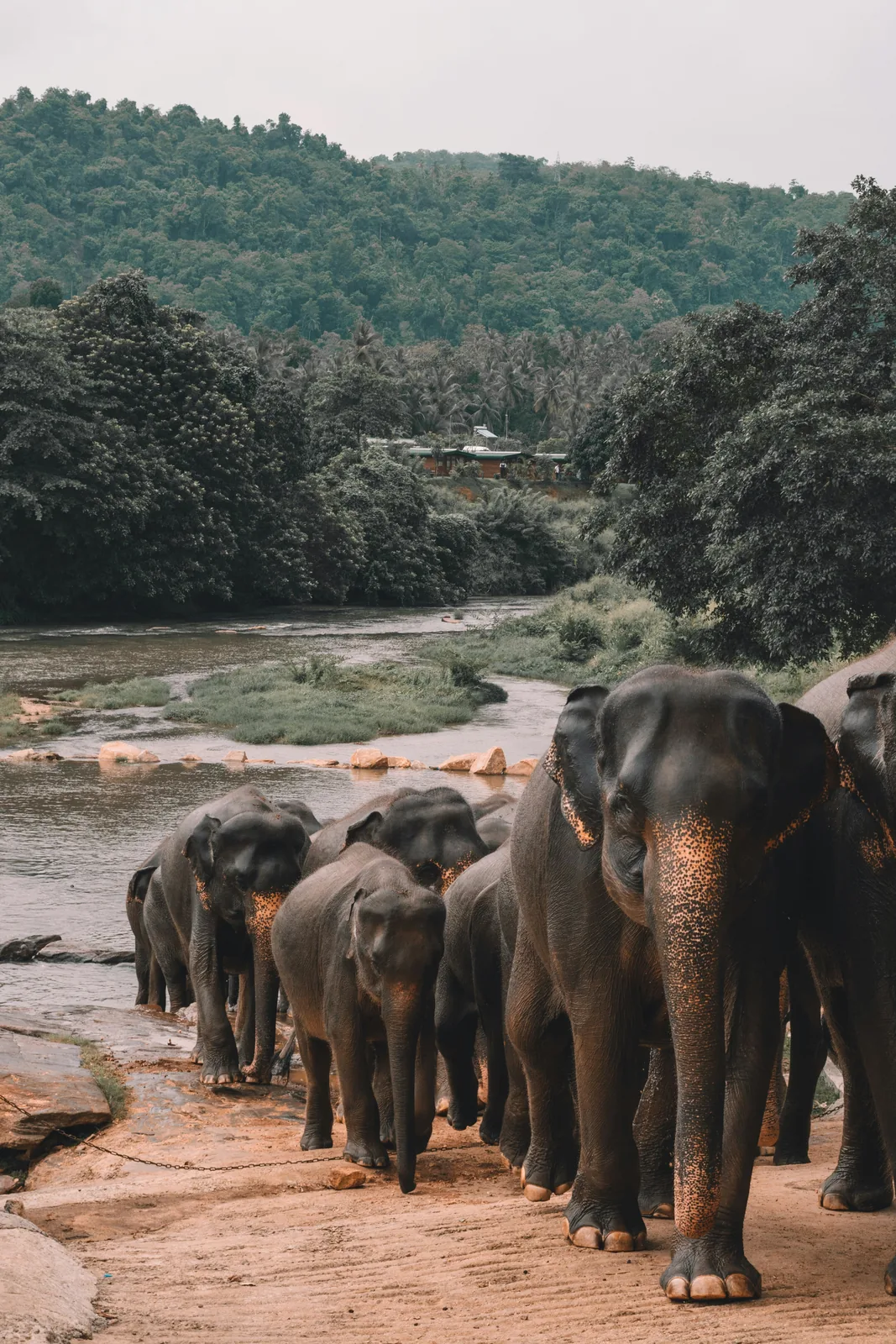
Sri Lanka has the highest density of leopards of any national park in the world at Yala - a claim supported by wildlife research and consistently confirmed by visitor sighting rates. Udawalawe National Park offers reliable Sri Lankan elephant sightings year-round. Whale watching from Mirissa (December to April) provides blue whale encounters in waters that consistently produce the world's largest animal at close range. T+L's category nod reflects this: genuine wildlife encounters in an accessible format is a core part of what Sri Lanka's adventure proposition delivers.
Sri Lanka in 2026: What's Changed
The Travel + Leisure recognition does not happen in isolation. Several factors make 2026 specifically - rather than 2024 or 2025 - the year international attention has converged on Sri Lanka:
Tourism infrastructure recovery is complete. Following the 2019 Easter Sunday attacks and the 2022 economic crisis, Sri Lanka's tourism sector spent 2023 and 2024 rebuilding. By 2026, hotel and guesthouse inventory, guide availability, and transport infrastructure are functioning at full capacity. Visitor experience quality has stabilised across all tiers.
The north is finally accessible. Jaffna and the northern peninsula's tourism infrastructure - guesthouses, restaurants, tour operators - has matured to the point where independent travel is genuinely practical. Five years ago this was not true for most travellers.
Luxury travel is expanding in unexpected directions. The global "quiet luxury" trend has found a natural expression in Sri Lanka's tea estate boutique properties, Jaffna's private heritage experiences, and the Yala safari circuit's high-end tented camps. Where Sri Lanka was once perceived primarily as a budget destination, it now competes credibly for travellers who want intimacy, craft, and environmental responsibility rather than volume and spectacle.
New air routes. Expanded direct connections from key European and Middle Eastern hubs into Bandaranaike International Airport have reduced the travel overhead for many visitor markets - further accelerating the rebound that T+L's recognition validates.
The Five Experiences T+L's Recognition Points To
If you are planning a Sri Lanka trip in 2026 and want to engage with what the Travel + Leisure recognition is specifically pointing at, these five experiences form the core:
| Experience | Region | Why It Matters in 2026 |
|---|---|---|
| Jaffna city and north coast | Northern Province | Genuinely emerging - still free of tour group saturation |
| Horton Plains hike to World's End | Central Highlands | Best access conditions; part of UNESCO World Heritage site |
| Kandy–Ella train journey | Hill Country | Benchmark for slow travel in Asia; easier to book in advance |
| Yala leopard safari | Southern Interior | Highest wild leopard density in any national park worldwide |
| Galle Fort | Southern Coast | Colonial architecture + vibrant independent food and design scene |
For a country that earns a Travel + Leisure adventure nod, getting between regions is more straightforward than many visitors expect. Domestic flights, scenic trains, and private drivers cover every major circuit. Planning transport in advance - particularly the Kandy–Ella train and domestic flights to Jaffna - is essential for 2026 peak season.
Getting Around Sri Lanka in 2026
Getting to Sri Lanka
Bus fares, train times and transport options
Powered by Travelpayouts · We may earn a small commission at no extra cost to you.
The UNESCO Circuit: Sri Lanka's Cultural Depth
Travel + Leisure noted Sri Lanka's eight UNESCO World Heritage Sites as a defining factor in the island's 2026 designation. For travellers, understanding what this means practically helps structure an itinerary:
The Cultural Triangle (Sigiriya, Dambulla, Anuradhapura, Polonnaruwa) covers the ancient civilisations of the north-central plains - rock fortresses, cave temples, and ruined cities that span two thousand years of continuous settlement. Two to three days based in Dambulla or Habarana covers this circuit.
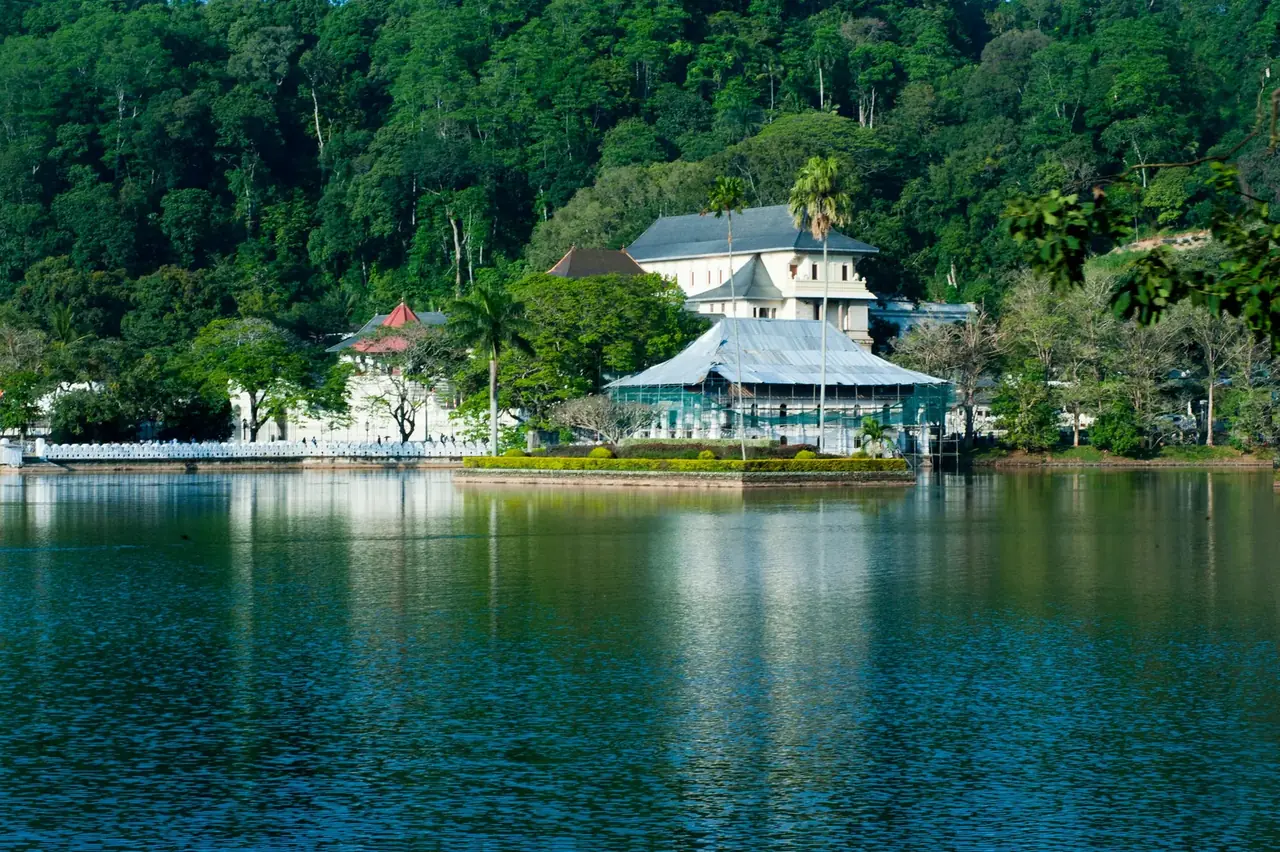
Kandy and the Hill Country (Kandy city, the Central Highlands UNESCO site) bridges the cultural triangle with the highland landscape - the Temple of the Tooth Relic, Peradeniya Botanical Gardens, and the train line that begins the highland journey.
Galle Fort (Southern Coast) is the most complete Dutch colonial fortification in Asia - a working town of narrow lanes, boutique hotels, and independent restaurants inside a 17th-century rampart, UNESCO-listed since 1988.
Sinharaja Forest Reserve (Southern Interior) - Sri Lanka's last intact lowland rainforest, a biodiversity hotspot with endemic bird species found nowhere else on Earth.
Together these eight sites form a route that can be traversed in two weeks, producing a historical and natural range most destinations can't replicate in a month.
When to Go: Planning Your 2026 Sri Lanka Trip
Sri Lanka's dual monsoon system means optimal timing depends on which part of the island you prioritise:
December to March - The southwest and hill country are at their best. Galle, Mirissa, Unawatuna, Yala, and the south coast are dry and sunny. Blue whale season off Mirissa runs December through April. Horton Plains is walkable and the views at World's End are generally clear.
April to September - The east coast (Arugam Bay, Trincomalee, Nilaveli) flips into its dry season while the southwest receives monsoon rainfall. Arugam Bay surf season peaks July to September. Jaffna and the north are accessible and relatively dry May through September.
Year-round - Sigiriya, Dambulla, Anuradhapura, and the Cultural Triangle sit in Sri Lanka's dry zone and receive visitors comfortably across most of the year. Yala and Udawalawe also offer year-round game viewing.
For a comprehensive circuit covering all five T+L-nominated experiences, January to March is the optimal window: south coast, hill country, cultural triangle, and the north are all in acceptable condition simultaneously.
Frequently Asked Questions
Is Sri Lanka safe to visit in 2026?
Yes. The political and economic instability of 2022 has stabilised. Sri Lanka returned to tourism operations at full capacity through 2023 and 2024. Foreign embassies from the UK, EU, and Australia currently list Sri Lanka as a standard travel destination with normal precautions.
How many days do you need?
Two weeks is the standard recommendation for a first visit covering the cultural triangle, hill country, and south coast. Three weeks allows the addition of Jaffna and the east coast. Ten days is workable for a focused itinerary around a single region.
Do I need a visa?
Yes. Most nationalities require an Electronic Travel Authorisation (ETA), which is applied for online before travel. The process takes 24–48 hours and costs approximately USD 35–50 depending on nationality. See our complete Sri Lanka visa guide for current requirements.
What is the best base for a first-time visitor?
Colombo serves as the arrival hub and is worth one or two nights. After that: Dambulla or Sigiriya for the cultural triangle, Kandy as the hill country gateway, Ella for the highland centre, and Mirissa or Unawatuna for the south coast. Galle works well as a final base before the return flight.
How does Sri Lanka compare to other destinations on the T+L 2026 list?
Sri Lanka's particular strength among the 50 best places list is range within a small geography. The island is 438 kilometres long - you can cover UNESCO ruins, cloud-forest hikes, leopard safaris, and colonial coastal towns in a single two-week trip without repetition. That concentration of experience per kilometre is unusual.
Travel + Leisure's recognition has put Sri Lanka on 2026 itineraries worldwide. For popular properties in Ella, Galle, and the Cultural Triangle, booking 3–6 months ahead of your travel dates is now advisable - particularly for December through March peak season.
Ready to Book Your 2026 Sri Lanka Trip?
Find the best price to Colombo from your city
Search Flights →Compare prices across Booking.com, Agoda & more
Find Hotels →Bus fares, train times and transport options
Plan Transport →Powered by Travelpayouts · We may earn a small commission at no extra cost to you.
The Bottom Line
Travel + Leisure's "50 Best Places to Travel in 2026" is a peer-vetted, editorially independent list. Sri Lanka's inclusion in the adventure category reflects what the island has always offered - layered terrain, dense UNESCO heritage, genuine wildlife encounters, and an emerging northern frontier - combined with the infrastructure maturity to deliver it reliably to international visitors.
The recognition does not manufacture appeal that wasn't there. It acknowledges what has been accumulating for years: that Sri Lanka is one of the most complete travel destinations in Asia, and that 2026 is a particularly good time to see it.
If the island has been on your list, this is the year the list is confirmed.
Related Guides
- Why Sri Lanka is the Smartest Long-Haul Choice for European and Australian Travellers in 2026
- Nuwara Eliya Sri Lanka Guide 2026: Tea Country, Gregory Lake & Things to Do
- Jaffna Travel Guide 2026: Sri Lanka's North Revealed
Advertisement
Flights, hotels and tours - all in one place.
Plan Your Sri Lanka Trip
Find the best price to Colombo from your city
Search Flights →Compare prices across Booking.com, Agoda & more
Find Hotels →Bus fares, train times and transport options
Plan Transport →Powered by Travelpayouts · We may earn a small commission at no extra cost to you.
Leave a Comment
Share your thoughts, questions, or travel experiences