
Tip
Short answer: Sri Lanka is one of the best family travel destinations in Asia. The island is compact (most things are within 3-6 hours of each other), the wildlife is extraordinary for children, the food has enough variety that even picky eaters manage, and the country is safer for tourists than many comparable destinations. The main challenge is the heat and the sometimes-rough road conditions - plan for shorter driving days than the map suggests.
Sri Lanka rarely tops the list when families are planning an Asia trip. Thailand gets the nod for its beach infrastructure, Japan for its safety and efficiency, Bali for its resorts. Sri Lanka tends to be chosen by families who have already been to those places, or by parents who care more about genuine experience than five-star predictability.
That is often the right instinct. Sri Lanka with kids is extraordinary in the way that experienced family travellers describe as "the kind of trip they'll actually remember." Children see wild elephants crossing rivers, watch sea turtles crawl up a beach at night, ride a train through the highest tea country in Asia, and climb ancient rock fortresses. None of it is staged.
This guide covers what works, what requires careful planning, and what you can skip when travelling with children.
Why Sri Lanka Works Well for Families
The wildlife is world-class and genuinely accessible. Sri Lanka has the highest density of leopards in the world (Yala National Park), wild elephant populations in the hundreds (Minneriya, Kaudulla), blue whales visible from tourist boats (Mirissa), and sea turtles nesting on several beaches. These are not zoo experiences - they are wild animals in their habitat, and the proximity possible in Sri Lanka is exceptional.
The island is small. Sri Lanka is 432 km from north to south and 224 km east to west. This means a two-week family holiday can genuinely cover beaches, highlands, wildlife, and culture without spending most of it in a car. Compare that to India, where the distances between highlights can defeat a family trip.
Children are welcomed everywhere. Sri Lanka has a deeply child-friendly culture. Locals will approach, engage, and frequently delight your children - the experience of being warmly received rather than tolerated makes a difference to how the whole trip feels.
Healthcare is better than most families expect. Private hospitals in Colombo, Kandy, and Galle operate to high standards. Most common travel illnesses - gastroenteritis, mild dengue, heat exhaustion - are well-managed in these facilities. Having good travel insurance is still essential, but Sri Lanka is not the medical frontier that some of its neighbours are.
Best Destinations for Families
Kandy - Culture and Wildlife Introduction
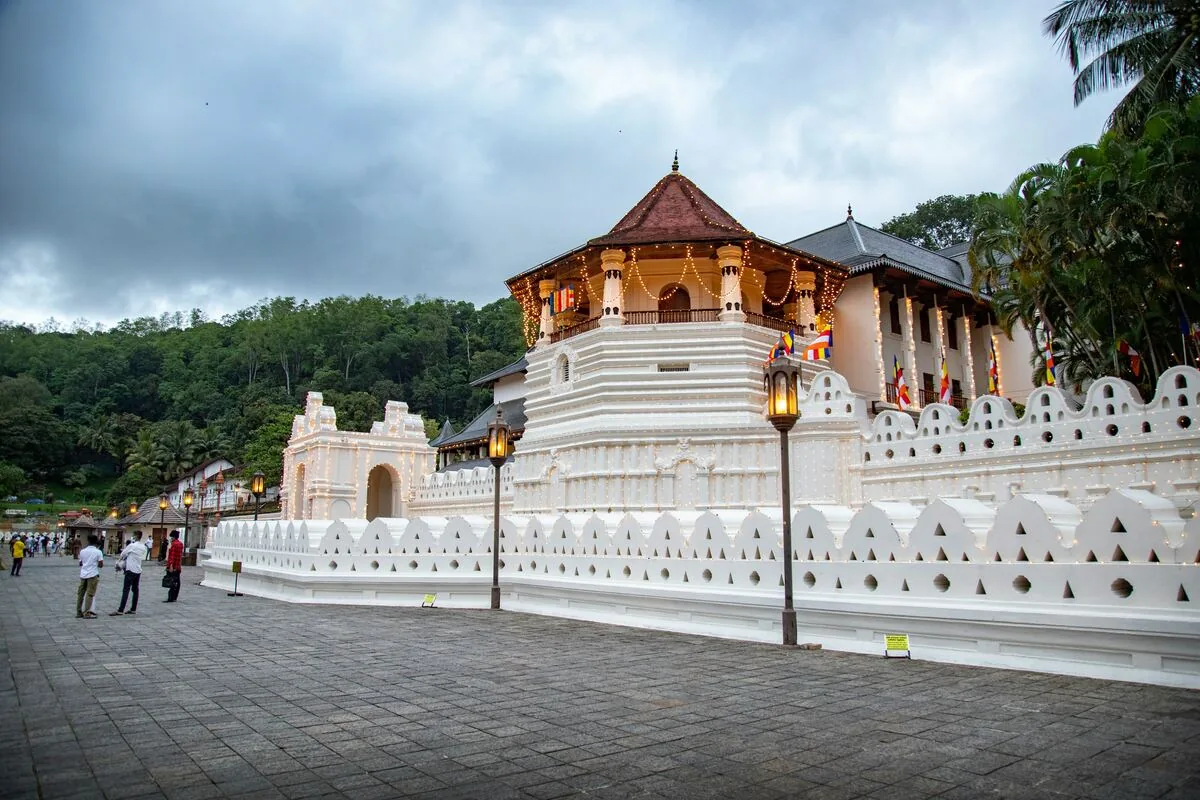
Kandy is almost always the right first overnight stop after arriving. It sits at 500 m elevation, which makes it cooler than the coast and easier to adjust to. The Temple of the Tooth gives children a tangible, visual introduction to Buddhist culture - the architecture, the rituals, the steady stream of devotees bringing lotus flowers. Even young children respond to it.
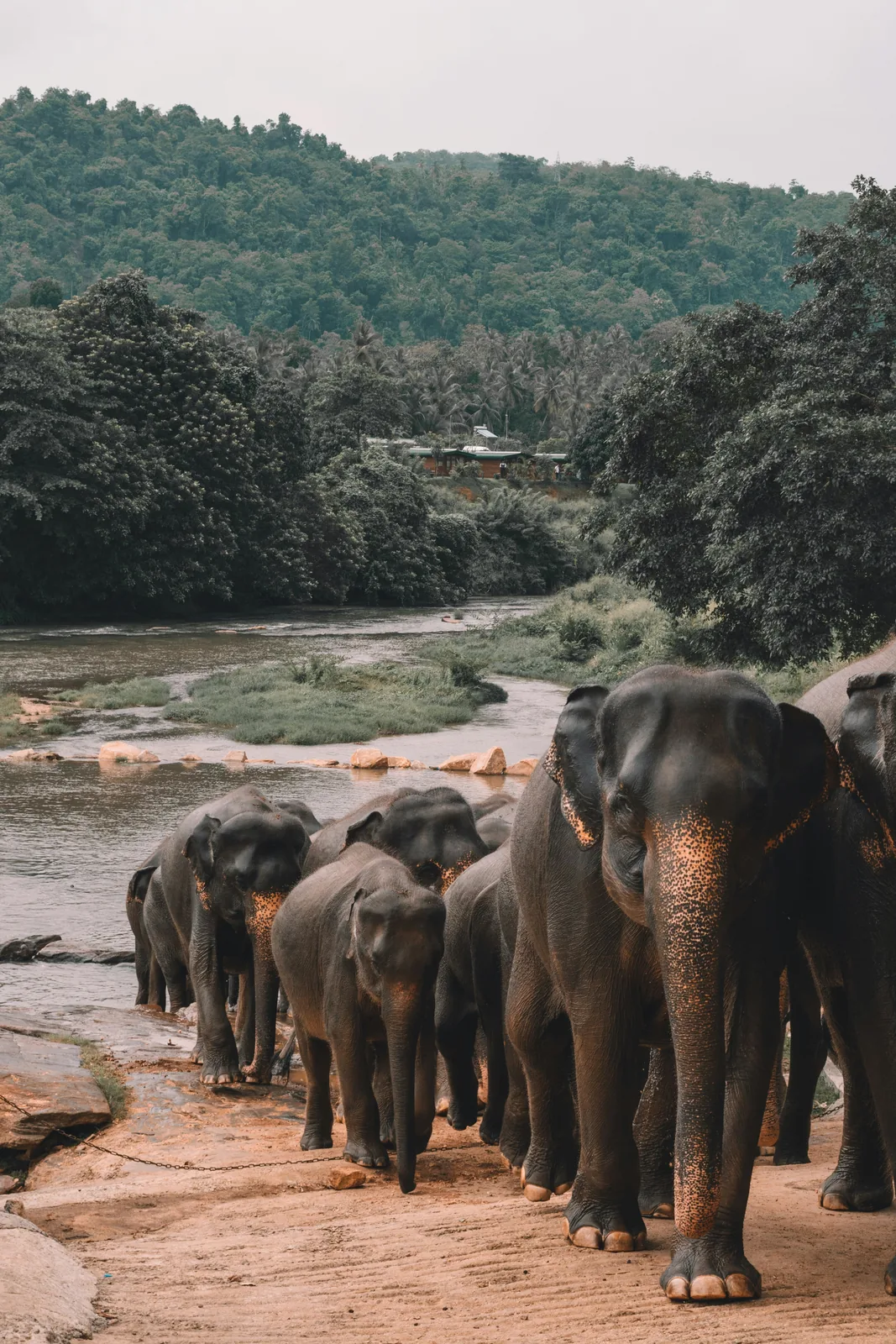
The Pinnawala Elephant Orphanage sits 35 km west of Kandy. It is worth addressing the conservation questions around Pinnawala honestly: the facility has been criticised for mahout practices and for elephants that are tame rather than being rehabilitated for the wild. Some families choose to go knowing this context; others prefer to see wild elephants at Minneriya instead. If you do go to Pinnawala, the 10am and 2pm river bathing is genuinely impressive for young children.
For a guaranteed ethical experience, Minneriya National Park (2 hours east of Kandy) offers wild elephant sightings from jeep safaris - during July to September the elephant gathering at Minneriya tank is one of the largest in Asia, with 150-300 elephants in a single location.
The Royal Botanical Gardens at Peradeniya are excellent with children - 147 acres of labelled trees, a giant fig tree with aerial roots children can play in, flying foxes, and a bamboo avenue. Budget a half-day.
The Kandy to Ella Train - The Ride Itself is the Attraction
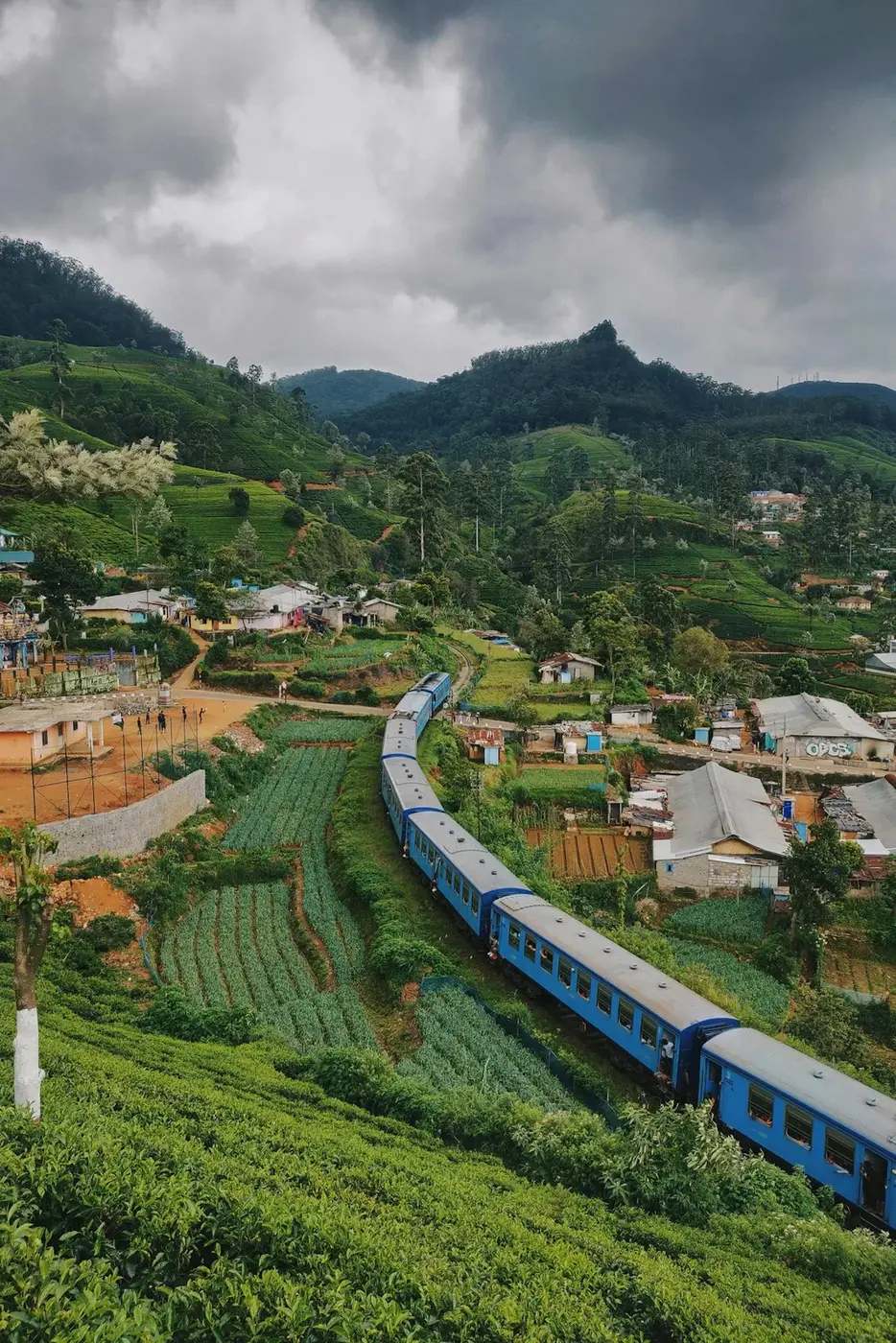
The scenic train from Kandy to Ella (or as far as Nanu Oya for Nuwara Eliya) is consistently rated one of the most beautiful rail journeys in the world, and it works exceptionally well with children. The train moves slowly through tea estates and cloud forest, stopping at small stations where vendors board selling corn and short-eats. Children find the open doors and the changing landscape genuinely engrossing in a way that screens rarely are.
Book second class observation car seats well in advance (seats 1A-2D on the left side facing forward for the best views) - you can book through Bookaway or the Sri Lanka Railways website up to 30 days ahead. The journey from Kandy to Ella takes around 7 hours; break it at Nanu Oya for Nuwara Eliya if 7 hours feels too long for your children.
Ella - Walking and the Nine Arch Bridge
Ella is a small hill town at 1,000 m that serves as the eastern end of the scenic train journey and a base for short walks. The Nine Arch Bridge - a colonial-era stone viaduct that appears on almost every Sri Lanka social media post - is a 20-minute walk from town and accessible to children who can manage a gentle trail. The best time to be there is when a train crosses, which you can predict using the train schedule (roughly 8:45am, 12:15pm, and 5:55pm from Ella station).
Little Adam's Peak is a 2-hour return walk suitable for children aged 6 and up - good views over the valley and low difficulty. The proper Adam's Peak (Sri Pada) is a different story: a 6-hour night climb that is not appropriate for children under 12.
Yala National Park - The Safari Highlight
Yala National Park is the best wildlife destination in Sri Lanka for families and one of the best in Asia. It holds the world's highest density of leopards, plus elephants, sloth bears, crocodiles, hundreds of bird species, and a coastline that intersects the park. A morning jeep safari (5:30am departure, back by 11am before the heat peaks) reliably produces wildlife sightings - leopards are seen on roughly 70% of safari attempts in Yala's Block 1.
Children handle Yala safaris well from around age 4 - younger than that and the 3-4 hour jeep time can be difficult. Bring sun protection and a hat as the jeep is open. The best accommodation for families is in Tissamaharama town, 20 minutes from the park gate.
Yala is 300 km from Colombo (5 hours) and fits naturally on a south coast itinerary following Galle and Mirissa.
Where to Stay Near Yala
Hotels near Yala / Tissamaharama
Compare prices across Booking.com, Agoda & more
Powered by Travelpayouts · We may earn a small commission at no extra cost to you.
Sea Turtle Beaches and Hatcheries
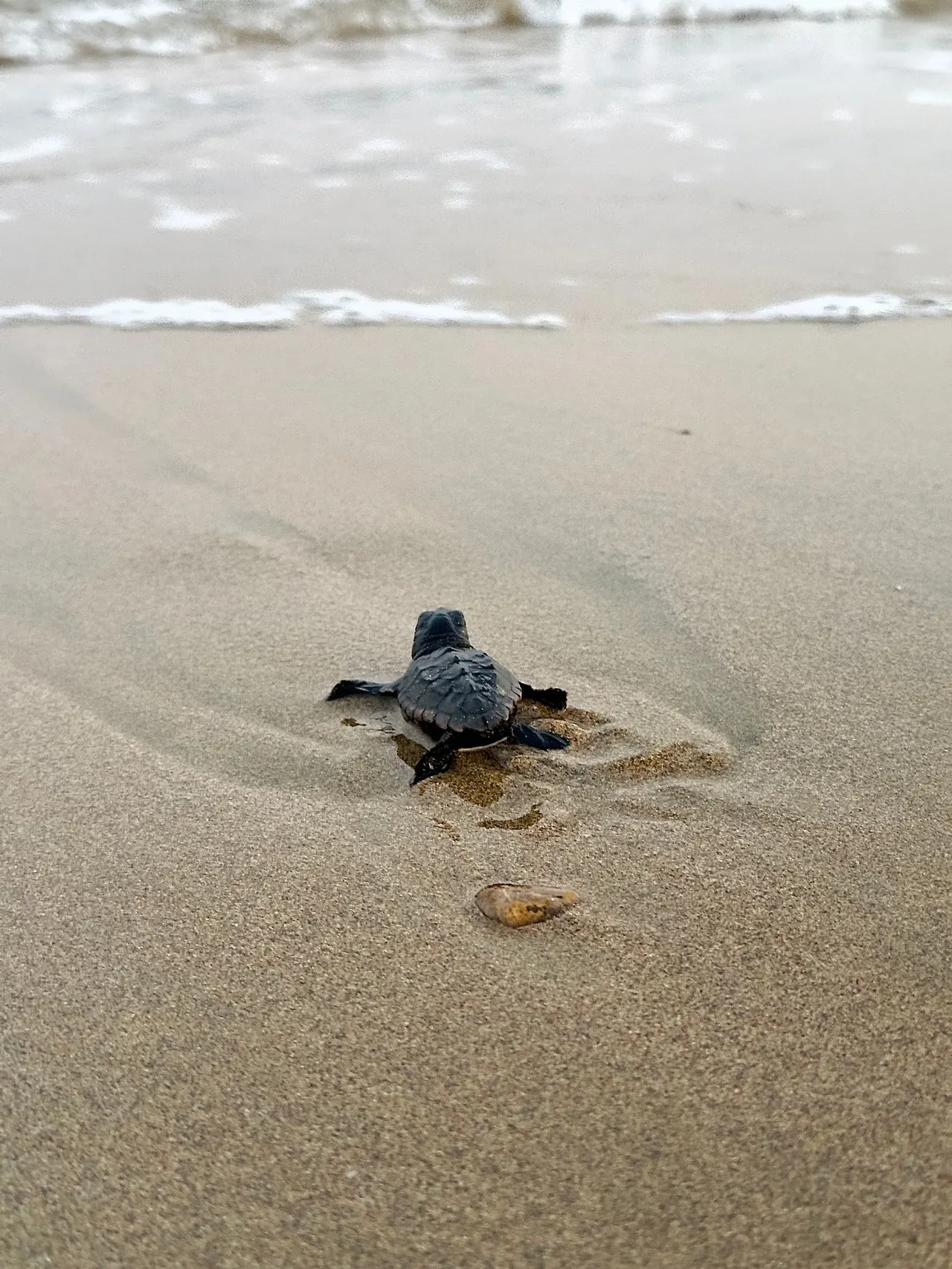
Three types of sea turtles nest on Sri Lanka's south coast - green, leatherback, and loggerhead - between November and April. Turtle hatcheries at Kosgoda and Rekawa allow families to see hatchlings and, at Rekawa, observe nesting turtles at night with a conservation guide.
The hatcheries vary significantly in ethics. Some release beach-found eggs into sandy tanks, raise hatchlings to "improve survival rates," and charge for photo opportunities. The evidence for this improving survival is contested. Rekawa Beach, managed by the Sea Turtle Conservation Project, is the most ethical option - guides take small groups to observe wild nesting turtles on the beach without touching.
For young children, the hatchlings at Kosgoda are a safe and genuinely moving experience. For families who want the wild encounter, Rekawa is the right choice. The sea turtle guide covers both options in detail.
Colombo - Better than Families Expect
Most families arrive through Colombo but move on quickly. That is a reasonable approach, but Colombo deserves at least a half-day for two things: the National Museum (free for children, excellent collection covering 2,500 years of Sri Lanka history, manageable in 90 minutes) and Galle Face Green - the seafront esplanade where local families fly kites and vendors sell kottu and ice cream. Galle Face Green at sunset is a genuinely lovely hour for children.
The Independence Square area and Gangaramaya Temple (floating on a small lake, with animals in the grounds including a baby elephant and tortoises) are both good with children.
Beaches for Families
The south coast in season (December-April) is the most family-friendly beach option. Specific recommendations:
Bentota - calm, shallow water, strong swimming-pool zone safe for non-swimmers. River boat safaris with mangroves and water monitor lizards. Good resort infrastructure.
Unawatuna - the western, shallower end of the bay is safe for children. Sea turtles visible on the reef most mornings with a snorkel.
Mirissa - calm enough for most of the day but with more swell than Bentota. The whale watching trips from Mirissa are one of the best family experiences in Sri Lanka - blue whales are visible from the boat without entering the water.
East coast: Uppuveli and Nilaveli near Trincomalee (May-October) have calm, warm water and virtually no rip currents in the sheltered bay. Good for families who are visiting outside the south coast season.
What Age Works Best for Sri Lanka
0-2 years: Possible but genuinely difficult. Heat, humidity, food variety limitations, the physical demands of getting around (poor pavements, lots of stairs at temples), and healthcare access outside main cities all present real challenges. If you travel with a baby, base yourself primarily in Colombo or Galle where facilities are best.
3-5 years: Sri Lanka starts to open up significantly. The wildlife, the train journey, sea turtles, elephants - all of these are perfectly suited to this age. Long tuk-tuk rides and temple stair climbs require patience.
6-12 years: The ideal age range for Sri Lanka. Children can handle the full range of experiences - safaris, moderate hikes, cultural sites, beach activities - and the country genuinely holds their interest in a way that few beach-only destinations do.
Teenagers: Excellent. Surfing, hiking, the cultural depth of places like Sigiriya and Polonnaruwa, diving and snorkelling, and the photography opportunities all work well for teenagers who want more than a pool.
Health and Safety
Dengue fever is the main health concern. Sri Lanka has year-round dengue transmission, with higher risk in urban areas and during the rainy season. The prevention is mosquito avoidance: use DEET repellent consistently (especially at dawn and dusk), cover arms and legs in the evenings, and use mosquito nets where provided. There is no dengue vaccine approved for travellers - prevention is the only protection.
Heat and sun are underestimated. Children overheat quickly. Plan any outdoor activities for before 10am or after 4pm, carry water at all times, and treat any heat exhaustion symptoms immediately by moving to shade and cool water.
Food and water: Drink only bottled or filtered water - this applies to water used for brushing teeth. Street food is generally safe when freshly cooked and hot. Stick to well-cooked rice and curry dishes in the early days and introduce more adventurous eating once your children's stomachs have adjusted.
Road safety: Sri Lanka's roads are significantly less safe than European or Australian roads. Hire a reputable driver recommended by your accommodation rather than using ride apps for longer journeys. Fitted car seats are rarely available - bring a travel booster seat from home for younger children.
Medical care: Private hospitals in Colombo (Lanka Hospitals, Asiri Central), Kandy (Durdans), and Galle (Karapitiya Teaching Hospital) can handle most emergencies. For anything serious, evacuation insurance is essential.
A Sample 7-Day Family Itinerary
This route works December to April (south coast season) and keeps driving times manageable.
Day 1: Arrive Colombo. Half-day: Galle Face Green, Gangaramaya Temple. Overnight Colombo.
Day 2: Drive Colombo to Kandy (2.5 hours). Temple of the Tooth, Kandy Lake walk. Overnight Kandy.
Day 3: Peradeniya Botanical Gardens (morning). Afternoon: Minneriya safari for wild elephants (2 hours from Kandy, book a full-day trip). Overnight Kandy or Sigiriya area.
Day 4: Sigiriya Rock Fortress (early morning, cooler before 9am). Drive to Ella via Nuwara Eliya (3.5 hours). Overnight Ella.
Day 5: Ella - Nine Arch Bridge, Little Adam's Peak walk. Train option: morning train to nearby Demodara Loop viewpoint and back. Overnight Ella.
Day 6: Drive Ella to Mirissa via Matara (3 hours). Afternoon at Mirissa beach. Overnight Mirissa.
Day 7: Whale watching (6:30am departure). Afternoon: drive Mirissa to Colombo for departure, or add a night near Unawatuna for the reef snorkelling.
What to Skip with Kids
Adam's Peak (Sri Pada): The 6-hour night climb is not appropriate for children under 12. The trail is steep, the start time is midnight, and altitude effects are possible.
Colombo nightlife and bar districts: Nothing to recommend here for family trips.
Long back-road tuk-tuk journeys: Charming for short distances, genuinely exhausting for children on longer routes. Use a car with driver for any journey over 30 minutes.
Fishing villages at 4am: The early morning fish markets are fascinating but impractical for families with young children who are still adjusting to the time difference.
Packing for Sri Lanka with Kids
- DEET insect repellent 50% (not available reliably in Sri Lanka)
- Rehydration sachets (ORS) for stomach bugs
- Children's paracetamol and ibuprofen
- Travel booster seat or car seat if children are under 8
- Light cotton clothing only - no denim, no synthetics
- Reef-safe sunscreen (chemical sunscreens damage Sri Lanka's coral reefs)
- Small day backpack per child for temple visits and hikes
Frequently Asked Questions
Is Sri Lanka safe to visit with children?
Yes - Sri Lanka is one of the safer countries in South Asia for family travel. Violent crime against tourists is rare. The main risks are health-related (dengue, gastroenteritis, heat) rather than security-related, and these are manageable with standard precautions. Private healthcare in the main cities is adequate for most situations.
What vaccinations do children need for Sri Lanka?
Standard childhood vaccinations should be up to date. Additional recommended vaccinations include Hepatitis A, Typhoid, and for longer stays or travel to rural areas, Japanese Encephalitis. Consult a travel health clinic 4-6 weeks before departure. There is no malaria prophylaxis required for most tourist itineraries (only risk in remote north and east border areas).
What do children eat in Sri Lanka?
Rice and curry is the staple, and while the heat level varies, mild curries are widely available. Fried rice, hoppers (bowl-shaped crispy rice crepes), string hoppers, roti, and noodle dishes are all generally child-friendly. Western food is available in most tourist areas. Fruit is abundant and excellent - bananas, pineapple, mango, and papaya are available everywhere. Avoid raw salads and street drinks with ice.
How far in advance should I book family accommodation?
December through February (peak season) - book 3-4 months ahead. March and April - 6-8 weeks. May-November - 2-4 weeks is usually sufficient. Wildlife lodges near Yala and properties in Ella fill quickly regardless of season.
Is the Kandy to Ella train suitable with young children?
Yes, with preparation. The journey is 7 hours from Kandy to Ella - long for young children. Break it at Nanu Oya (3 hours from Kandy) for a stop in the Nuwara Eliya area if needed. Book second class observation car seats - these have air circulation, better seating than third class, and the open doors that make the journey memorable. Bring snacks, the scenery is the entertainment.
Can babies visit Yala National Park?
Technically yes, but it requires practical management. The jeep safaris are 3-4 hours on rough tracks in direct sun. Babies who are rear-facing in a car seat are not well-positioned for this. Age 3+ is more manageable. The jeep is open - bring a hat, sunscreen, and be prepared to leave early if the heat becomes problematic.
Advertisement
Flights, hotels and tours - all in one place.
Plan Your Sri Lanka Trip
Find the best price to Colombo from your city
Search Flights →Compare prices across Booking.com, Agoda & more
Find Hotels →Bus fares, train times and transport options
Plan Transport →Powered by Travelpayouts · We may earn a small commission at no extra cost to you.
Leave a Comment
Share your thoughts, questions, or travel experiences