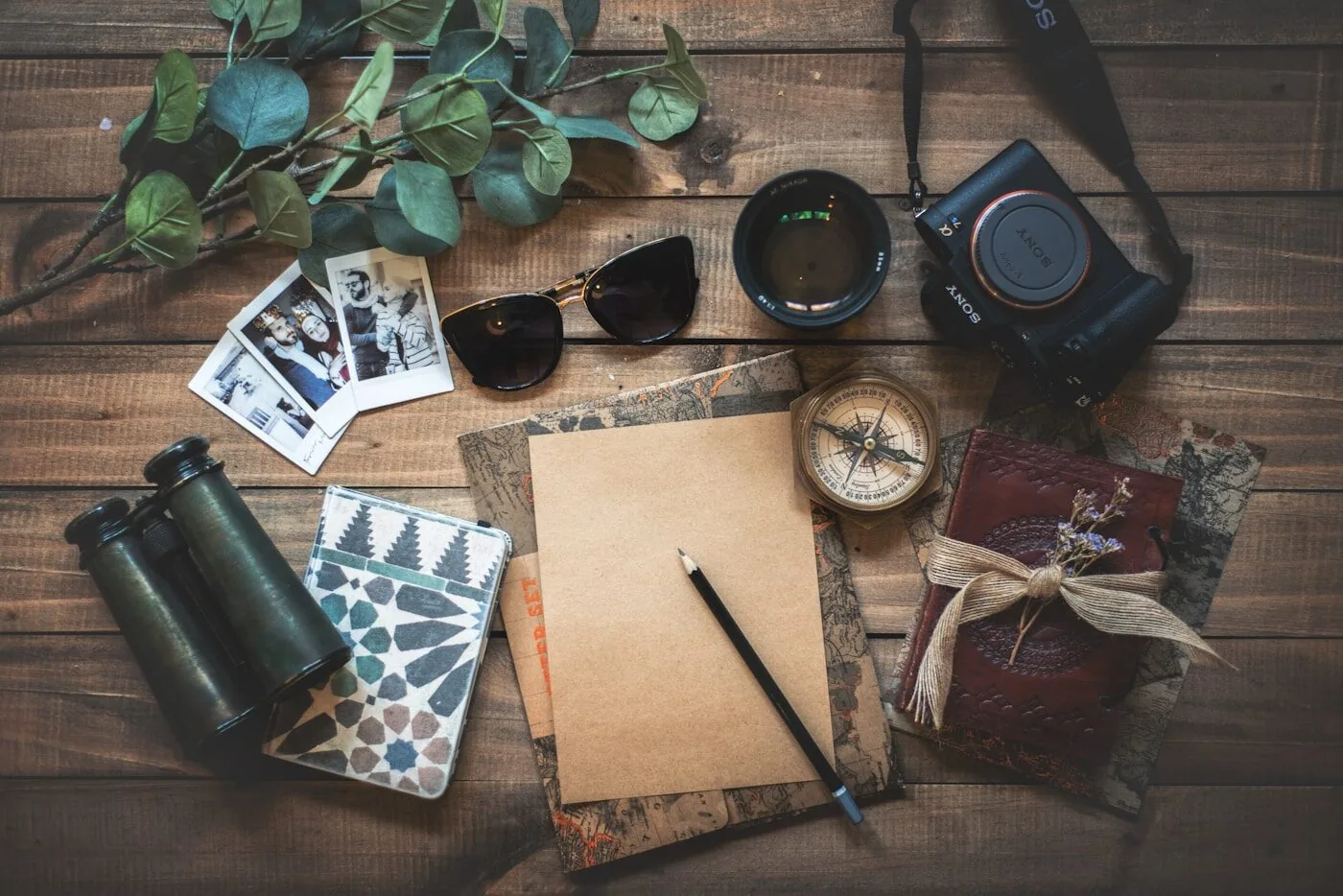
Getting your Sri Lanka packing list right will make or break your trip - and most first-time visitors get it wrong in the same predictable ways. They over-pack clothes (Sri Lanka has excellent, affordable laundry everywhere), under-prepare for temples (requiring covered shoulders and knees at a moment's notice), and forget the one electrical adapter that works with British-style sockets.
This guide is built around how Sri Lanka actually works: a tropical island where you can move from a beach town to a misty hill-country tea estate to a UNESCO-listed ancient city within a single day. Your bag needs to handle all three.
Fly into Bandaranaike International Airport (CMB) near Colombo - the main gateway for international arrivals.
Book Your Flight to Sri Lanka
Flights to Sri Lanka
Find the best price to Colombo from your city
Powered by Travelpayouts · We may earn a small commission at no extra cost to you.
Tip
Our take: We consistently travel Sri Lanka with less than we planned to pack - the heat makes you shed layers quickly. One thing almost everyone underestimates: a proper warm layer for Nuwara Eliya and Horton Plains, where nights regularly drop to 8 to 10°C even in April.
Clothing: Pack Light, Buy Cheap
Sri Lanka is hot and humid at sea level - typically 28–33°C on the coast - and noticeably cooler in the hill country around Ella, Nuwara Eliya, and Horton Plains, where nights can drop to 10–15°C. Pack for both.
The Core Wardrobe
Bring far less than you think you need. Laundry services are available at virtually every guesthouse and hotel, usually returned within 12–24 hours for a very modest fee. Five or six days of clothing is enough for a two-week trip.
- Lightweight t-shirts (5–6): Quick-dry synthetic or linen blends work best. Cotton holds sweat and takes longer to dry
- Shorts and lightweight trousers (2–3 pairs each): You'll wear trousers at temples, on cooler evenings, and in air-conditioned vehicles
- One dress or lightweight shirt for nicer dinners
- Swimsuit (1–2): Beaches and hotel pools are everywhere; bring what you need as imported swimwear is expensive locally
- Light long-sleeved shirt or linen overshirt: Essential for temple visits, sun protection on boat trips, and cool hill-country evenings
- One warm layer: A fleece or light down jacket for Nuwara Eliya, Horton Plains, and the train journey through tea country
Tip
Sri Lankan clothing markets and small boutiques - particularly in Colombo's Pettah district and around Galle Fort - sell excellent lightweight cotton and linen pieces very cheaply. If you realise you've under-packed, restocking is easy and affordable.
Temple & Religious Site Dress Code
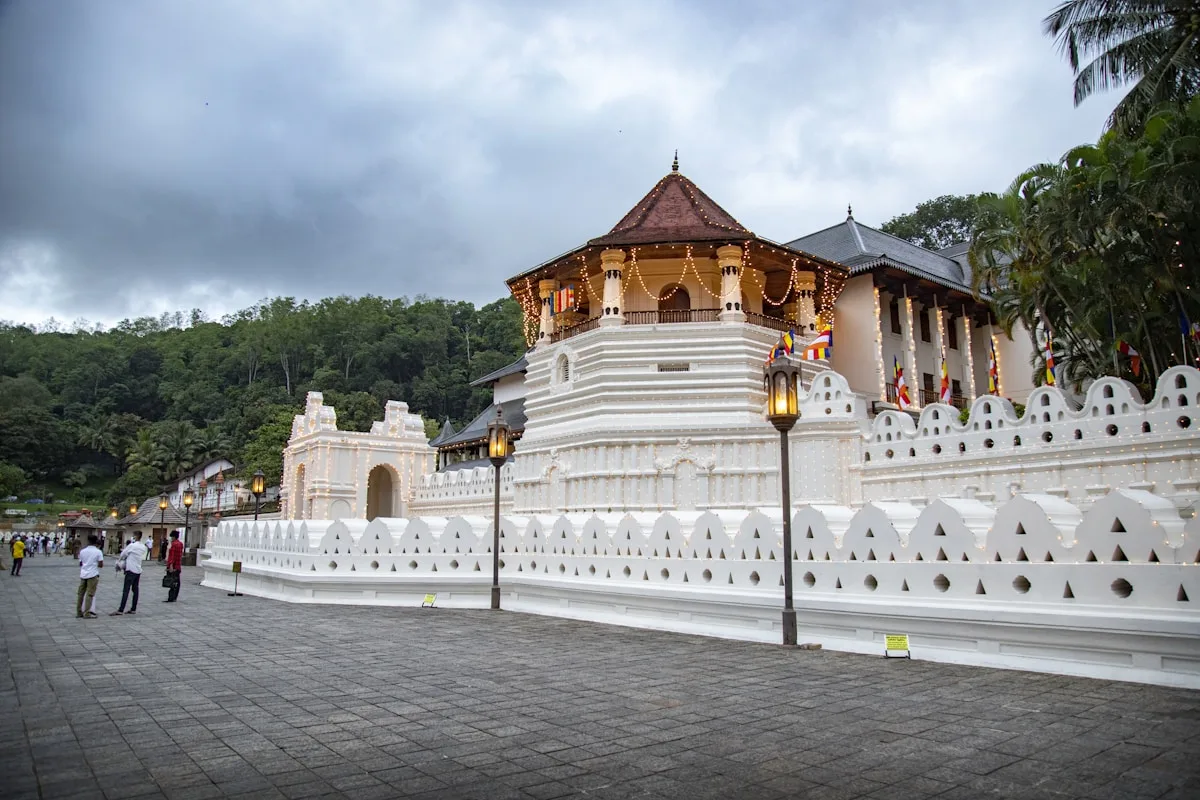
This is where many visitors get caught out. Sri Lanka has hundreds of active temples, mosques, and devales - and all of them require visitors to cover their shoulders and knees before entering. Some sites (Kandy's Temple of the Tooth, Kelaniya Raja Maha Vihara) also ask for white or very light-coloured clothing as a sign of additional respect.
Pack at least one outfit specifically for religious sites:
- Loose trousers or a long skirt covering the knees
- A lightweight long-sleeved shirt or shawl
- Shoes that slip on and off easily (you remove footwear at every temple)
Many temples sell or loan sarongs at the entrance - but having your own means you're never caught needing one and finding the stall closed.
Footwear
Three pairs cover almost everything:
- Comfortable walking shoes or trail shoes for ruins, wildlife parks, and hill treks
- Sandals for daily town use, beach days, and easy temple access
- Flip-flops for beach and pool
Electronics & Power
The Sri Lanka Power Situation
Sri Lanka uses Type G plugs - the three rectangular-pin British-style socket, identical to those used in the UK, Hong Kong, and most of East Africa. The voltage is 230V at 50Hz. If you're coming from the US, Canada, or Japan (which use 110–120V), check that your devices are dual-voltage (look for "100–240V" on the charger label - most modern laptops, phones, and cameras are).
Bring: one Type G travel adapter. These are not always available in Sri Lankan shops outside Colombo, and airport versions are expensive.
Device Checklist
- Smartphone + charger
- Type G plug adapter (or a universal adapter)
- Power bank (10,000–20,000 mAh): Useful during long train journeys, tuk-tuk rides, and national park safaris where charging is unavailable
- Camera with enough memory cards: Landscape, wildlife, and cultural photography opportunities come thick and fast
- Laptop if needed for work (most guesthouses have wi-fi, though speed varies significantly outside cities)
Local SIM Cards
Sri Lanka has good mobile coverage on the main tourist circuit. On arrival at Bandaranaike Airport (CMB), SIM card counters in the arrivals hall sell prepaid tourist SIMs from Dialog and Mobitel - both reliable networks. A tourist SIM with 20–30GB of data typically costs around LKR 1,500–2,500 (less than $5 USD). This is far more convenient than international roaming.
Alternatively, if your phone supports eSIM, both Dialog and Mobitel offer eSIM activation that you can set up before leaving home.
Spend your first night in Colombo to recover from the flight before heading south or into the hill country.
Stay in Colombo on Arrival
Hotels near Colombo
Compare prices across Booking.com, Agoda & more
Powered by Travelpayouts · We may earn a small commission at no extra cost to you.
Health & Medications
No Mandatory Vaccinations
Sri Lanka does not require any vaccinations for entry. However, the following are recommended depending on your travel style:
- Hepatitis A & B: Recommended for all visitors
- Typhoid: If you plan to eat at local street stalls and smaller restaurants
- Rabies: Worth considering if you plan extended time in rural areas or wildlife parks
- Malaria: Sri Lanka is largely malaria-free in tourist areas; the risk is low but check with your doctor for the specific regions you're visiting
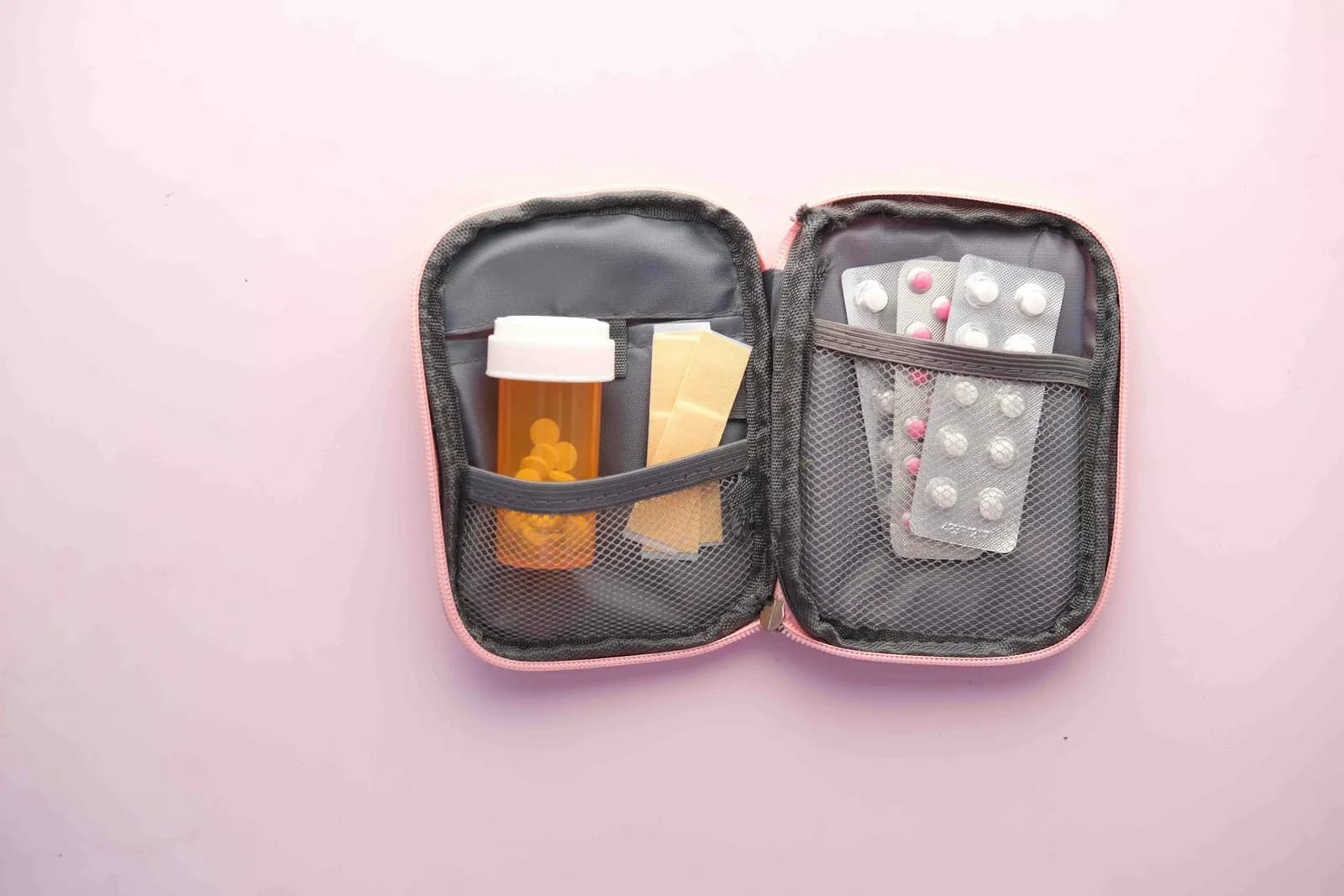
The Essential Medical Kit
- Prescription medications with enough supply plus a buffer, plus a copy of your prescription
- Oral rehydration salts: Indispensable in tropical heat, especially after long journeys
- Imodium / anti-diarrheal: Change of diet affects almost every visitor at some point
- Antihistamines: For insect bites, pollen, and dust (particularly in the Cultural Triangle)
- Pain relievers (paracetamol/ibuprofen)
- Insect repellent with DEET: Critical for wildlife parks, the north, and any time you're near standing water at dusk. Dengue fever is present year-round
Tip
Sri Lanka has well-stocked pharmacies (called "dispensaries" locally) in every town. Most basic medications are available without prescription and at a fraction of Western prices. You don't need to pack a complete pharmacy - a sensible kit and the knowledge that top-up supplies are easy to find is enough.
Sun Protection
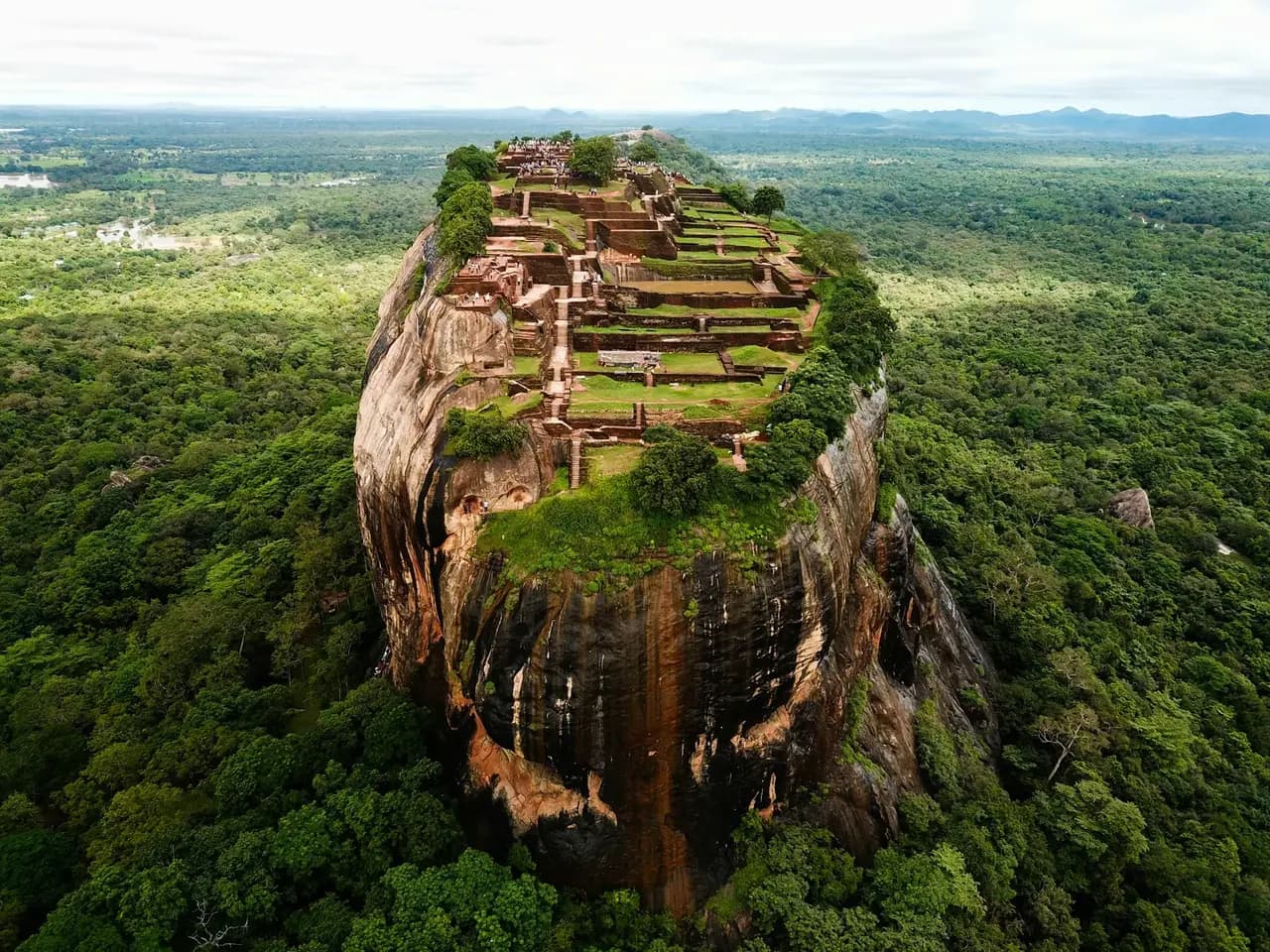
The Sri Lankan sun is fierce year-round and especially relentless at high-altitude sites like Sigiriya, Polonnaruwa, and Horton Plains where there's little shade.
- High-SPF sunscreen (SPF 50+): Bring enough from home. Imported sunscreen brands are available in Colombo and Galle but at steep prices
- Sunglasses with UV protection
- Wide-brimmed hat: More useful than you expect at archaeological sites
Documents & Money
Visa
Most nationalities require an Electronic Travel Authorisation (ETA) to enter Sri Lanka. Apply through the official government portal (eta.gov.lk) well in advance - do not use third-party "visa services" which charge inflated fees for the same form. The ETA is free for 40 countries effective 25 May 2026, USD 20 for a handful of SAARC nationalities, or USD 50 otherwise, and is valid for 30 days double entry (extendable at the Department of Immigration in Colombo).
The ETA is linked to your passport; you do not need to print a physical copy, but having one as a backup never hurts.
Documents to Pack
- Passport (valid for at least 6 months beyond your travel dates)
- ETA confirmation (digital on phone + one printed copy)
- Travel insurance documents (print the emergency contact numbers separately)
- Copies of prescriptions if carrying any controlled medications
- Yellow fever vaccination certificate if arriving from a yellow fever endemic country
Money
Sri Lanka is still a predominantly cash economy outside Colombo and the main tourist hotels. Sri Lankan Rupees (LKR) are necessary for tuk-tuks, local restaurants, entrance fees, small guesthouses, and market purchases.
- ATMs are widely available in cities and tourist towns (Galle, Kandy, Ella, Sigiriya area) but scarce in remote areas. Withdraw enough cash before heading into hill country or the north
- Exchange at the airport: Bandaranaike Airport has currency exchange counters in arrivals. Rates are reasonable - not the best available, but good enough for initial spending money. Withdrawing LKR 25,000–30,000 on arrival gives you a comfortable buffer
- Notify your bank before travel that you'll be using your card internationally, to avoid blocks
- Credit cards: Accepted at most tourist-facing hotels and restaurants, but not universally. Always carry cash as backup
Important
Street moneychangers offering better rates than banks are common in Colombo's Fort and Pettah districts. Avoid them - short-counting and counterfeit notes are real risks. Use licensed exchange bureaus or bank ATMs.
The Practical Extras
Gear That Earns Its Weight
- Small daypack or packable tote: For day trips, beach days, and temple visits when you don't want your main bag
- Reusable water bottle: Sri Lanka's tap water is not safe to drink directly. Refillable bottles cut your single-use plastic consumption and save money. Most guesthouses provide filtered water for refills
- Lightweight rain jacket or packable umbrella: Essential during the southwest monsoon (May–September on the west and south coasts) and the northeast monsoon (December–February on the east coast). Even in the dry season, afternoon thundershowers occur
- Dry bag or waterproof phone case: For boat trips, whale watching, and beach days near the surf
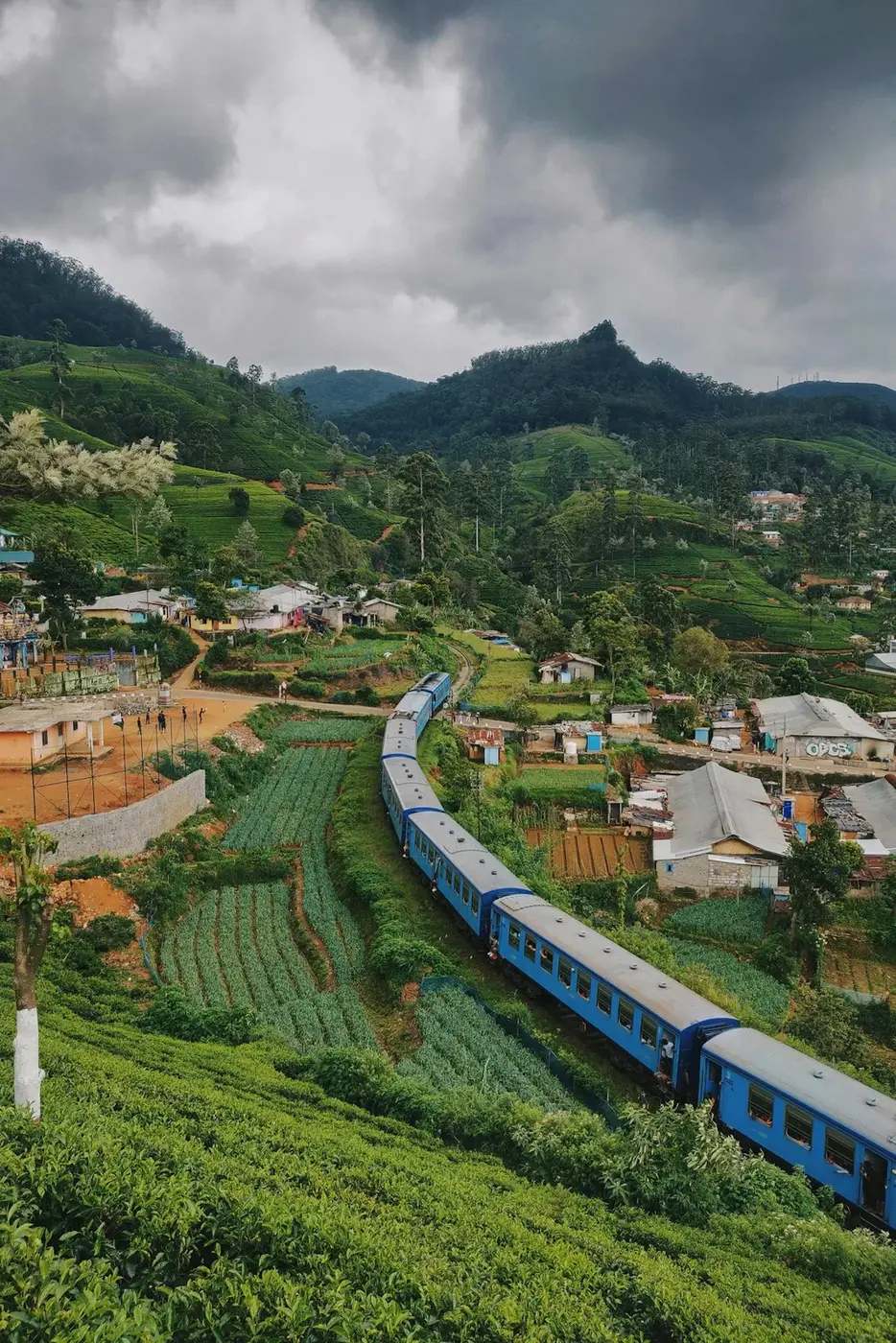
- Neck pillow: The train journeys - especially Colombo to Kandy and Kandy to Ella - are bumpy and beautiful. A good neck pillow transforms an uncomfortable three hours into a memorable experience
- Small torch or headlamp: Power cuts (loadshedding) still occur occasionally in some areas, particularly in the north and rural regions
- Padlock: For hostel lockers and guesthouse rooms where you'd rather leave valuables locked
What to Leave at Home
- Hair dryer: Every guesthouse and hotel provides one
- Towels: Provided everywhere, including budget guesthouses
- Heavy jeans: They're hot, heavy, and take forever to dry. Bring lightweight linen or cotton trousers instead
- Lots of formal wear: Sri Lanka is casual. One smart outfit is enough
- Sleeping bag: Unnecessary; all accommodation provides bedding
- Most toiletries: Standard shampoo, soap, conditioner, and basic skincare are available in supermarkets everywhere. Bring your preferred products only if you have specific requirements
Packing for Specific Regions
Sri Lanka's geography means different regions demand slightly different preparation:
West & South Coast (Colombo, Galle, Mirissa, Tangalle)
Hot and humid year-round. Light beach clothing, swimwear, and reef-safe sunscreen are the priorities. The southwest monsoon brings heavy rain May–October - a packable rain jacket is essential.
Hill Country (Kandy, Ella, Nuwara Eliya, Horton Plains)
Dramatically cooler, especially at altitude. Add a warm layer, a light fleece for evenings and early morning hikes, and waterproof shoes if you plan to walk the Horton Plains or Adam's Peak trail.
Cultural Triangle (Sigiriya, Polonnaruwa, Anuradhapura, Dambulla)
Hot and dry with long walking distances in open sun. A wide-brimmed hat and high-SPF sunscreen are more important here than anywhere else. Temple-appropriate clothing is needed constantly.
North (Jaffna, Mannar, Vavuniya)
Extremely hot and dry. Light cotton clothing, extra sun protection, and a higher quantity of drinking water are essential. Limited ATMs and shops - stock up in Colombo before heading north.
East Coast (Trincomalee, Arugam Bay, Batticaloa)
Best from May–September when the southwest monsoon has cleared the east. Beach-ready, with excellent surf at Arugam Bay. The dry heat here is more intense than the west coast.
The One-Week Packing List at a Glance
| Category | Items |
|---|---|
| Clothing | 5–6 t-shirts, 2–3 shorts, 2 trousers, 1 long-sleeve shirt, 1 warm layer, 1 sarong/shawl, 1–2 swimsuits |
| Footwear | Walking shoes, sandals, flip-flops |
| Electronics | Phone + charger, Type G adapter, power bank, camera |
| Health | Insect repellent (DEET), sunscreen SPF50+, ORS sachets, antihistamines, prescription meds |
| Documents | Passport, ETA confirmation, insurance docs, bank card |
| Extras | Reusable water bottle, packable rain jacket, small daypack, padlock |
Note
This list covers a standard two-week circuit. Adjust clothing quantities up or down based on your laundry access. A good rule of thumb: if it takes you more than 20 minutes to pack, you're bringing too much.
Sri Lanka rewards light packers. The country is well-supplied, laundry is cheap, and the best moments - climbing Sigiriya at dawn, watching whales off Mirissa, watching the hill country scroll past the train window - require nothing more than comfortable shoes, a good attitude, and an ETA. Before you pack, check our best time to visit Sri Lanka guide to confirm the weather for your region and season, and our insider travel tips for what to expect on arrival.
From flights into Colombo to hotels on the south coast, find the best deals for your trip.
Ready to Plan Your Sri Lanka Trip?
Find the best price to Colombo from your city
Search Flights →Compare prices across Booking.com, Agoda & more
Find Hotels →Bus fares, train times and transport options
Plan Transport →Powered by Travelpayouts · We may earn a small commission at no extra cost to you.
Related Guides
- Best Time to Visit Sri Lanka: A Month-by-Month Guide to Seasons & Weather
- Why Sri Lanka is the Smartest Long-Haul Choice for European and Australian Travellers in 2026
- Why Sri Lanka Is the Honeymoon Destination Modern Couples Are Choosing Over the Maldives
- Sri Lanka Insider Travel Tips: What Locals Know That Most Guides Won't Tell You
Advertisement
Flights, hotels and tours - all in one place.
Plan Your Sri Lanka Trip
Find the best price to Colombo from your city
Search Flights →Compare prices across Booking.com, Agoda & more
Find Hotels →Bus fares, train times and transport options
Plan Transport →Powered by Travelpayouts · We may earn a small commission at no extra cost to you.
Leave a Comment
Share your thoughts, questions, or travel experiences