
Tip
In brief: Sri Lanka's hot air balloon season runs November to late April, with flights launching from Dambulla/Kandalama at around 6 AM over the Cultural Triangle - Sigiriya Rock, ancient reservoirs, jungle, and farmland from roughly 1,000 feet up. A flight lasts about an hour, the full experience (pickup to drop-off) runs around 4 hours, and most packages include a champagne or juice toast on landing. Expect to pay USD 250–300 per person, and book at least a few weeks ahead in peak season (March–April).
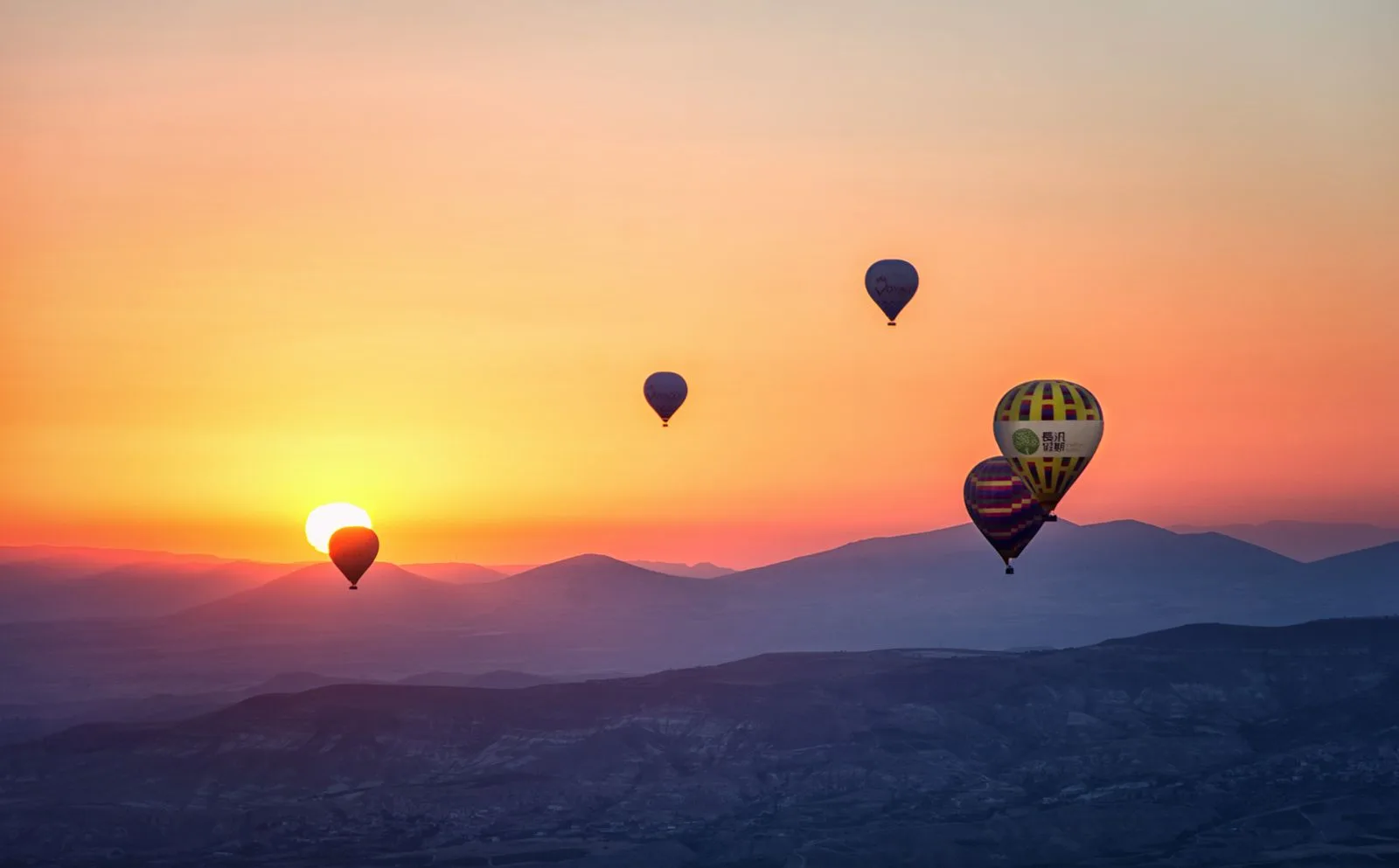
There's a particular stillness to floating silently over Sigiriya Rock at sunrise, the jungle canopy turning gold beneath you and the rock fortress rising out of the morning mist exactly as it must have looked to King Kashyapa's court 1,500 years ago. Hot air ballooning is one of the few ways to see Sri Lanka's Cultural Triangle from above, and it's become one of the island's signature sunrise experiences - equal parts adventure and a genuinely beautiful way to start a day.
This guide covers where to fly, when to go, what it costs, what actually happens during the experience, and how to book it.
Where to Go Hot Air Ballooning in Sri Lanka
Dambulla / Kandalama / Sigiriya is the established hub for ballooning in Sri Lanka, and for good reason - the flat, dry-zone terrain around the Cultural Triangle is exceptionally calm and predictable in the early morning, which is exactly what balloon pilots need. Flights typically launch from a field near Dambulla or Kandalama and drift over a mix of forest, paddy fields, ancient reservoirs (tanks), and - conditions permitting - within sight of Sigiriya Rock and Pidurangala, with Dambulla Cave Temple sometimes visible in the distance too.
A smaller number of operators also fly near Udawalawe in the south, over the national park's open grassland, though Dambulla/Sigiriya remains the far more established and frequently operated route.
Best Time of Year to Fly
Ballooning in Sri Lanka is a dry-season activity, running from roughly November to late April / early May. Conditions are most reliable - calm air, minimal cloud, good visibility - from December to March, with March and April often cited as the clearest stretch.
The season effectively closes from June through October. The southwest monsoon brings strong, unpredictable winds during this period that make ballooning unsafe, so almost all operators pause flights entirely between roughly 1 June and 20 October. If you're visiting Sri Lanka in the off-season specifically hoping to balloon, check with an operator before you build it into your itinerary.
What to Expect: The Full Experience
Pickup: Most operators collect guests from nearby hotels (Dambulla, Sigiriya, Habarana, Kandalama) around 5:00–5:30 AM.
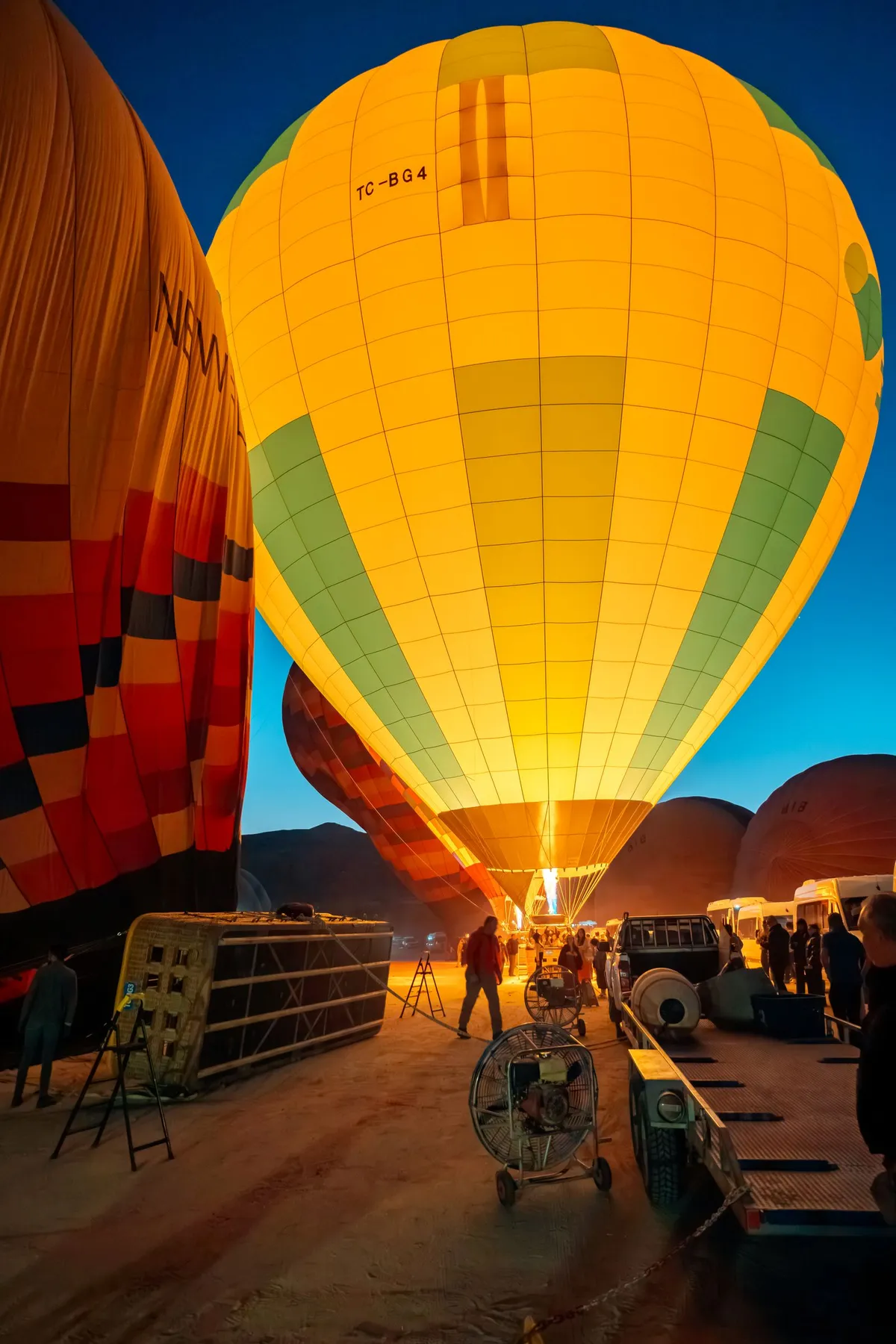
Inflation: Balloons are laid out and inflated in the dark using powerful fans and the burner, a striking sight in itself as the fabric glows from the flame inside.
Take-off: Around 6:00 AM, timed to lift off just before or around sunrise.
The flight: Roughly one hour (give or take 10 minutes), drifting at altitudes that vary with conditions - sometimes low enough to see detail on the ground, sometimes higher for wider views over the Cultural Triangle's lakes, forest, and farmland.
Landing and toast: Landings happen in a field, wherever the wind has carried the balloon - part of the charm and unpredictability of the sport. Many packages include a small celebration on landing: champagne or juice and cake, a tradition borrowed from European ballooning culture.
Total time commitment: Around 4 hours door to door, including pickup, inflation, the flight itself, and the return transfer.
What It Costs
Expect to pay in the region of USD 250–300 per person for a standard sunrise flight, which typically includes hotel pickup/drop-off, the flight, a certificate, and a post-flight toast. Multi-day packages built around a balloon flight (combined with Cultural Triangle sightseeing) run higher. Prices and exact inclusions vary by operator and season - check current availability and pricing below.
Hot Air Balloon Rides in Sri Lanka
Live prices and availability for sunrise flights over Sigiriya and the Cultural Triangle
What to Wear and Bring
Clothing: The Cultural Triangle at 5 AM can feel surprisingly cool - temperatures in Dambulla and Kandalama drop to 22–24°C overnight even in March. Bring a light layer (a thin fleece or long-sleeved shirt) for the drive out and the pre-dawn inflation. Once the burner fires and the sun rises, it warms quickly - you'll likely tie the layer around your waist within 20 minutes of take-off.
Avoid loose scarves or anything that could catch the burner flame above the basket. Most operators recommend closed shoes (not sandals) and avoiding skirts or wide-legged trousers that can snag on the basket edge when boarding.
Camera and photography: Ballooning is a photography experience as much as a physical one, and a sunrise over Sigiriya from 1,000 feet is among the most photograph-worthy moments in Sri Lanka. A smartphone works well; a camera with a medium-length zoom lets you pull in detail on Sigiriya Rock from altitude. Wide angle is more useful than telephoto for the landscape shots. A small bag or jacket pocket to keep your phone steady during the burner-blast moments (it gets loud and the camera shakes) is worth thinking about.
What to leave behind: Leave large bags at the hotel - there is no luggage storage in the basket and the space is shared with other passengers and the pilot. Bring only essentials: camera, water bottle, light layer, sun protection.
Health and suitability: Most operators impose a minimum height or age restriction for children (typically 7–10 years old, minimum 1.2–1.3 metres tall). If flying with children, confirm the operator's specific requirements when booking. Pregnant passengers are generally not permitted. If you have concerns about a specific health condition (heart, vertigo, mobility), contact the operator directly before booking - they are experienced at assessing suitability.
Is it scary? Most passengers report that the experience is far calmer than expected. Hot air balloon baskets are stable - there is none of the swaying motion associated with cable cars or rope bridges - and the ascent is gradual and near-silent. The most startling moment is typically the first burner blast, which is very loud at close range. Passengers with mild height anxiety often find ballooning easier than they expected, because the sensation of height is different from a railing or an open cliff: you are enclosed in the basket and moving with the air rather than looking down from a fixed point.
Is It Worth the Price?
USD 250–300 per person is a significant spend in a country where a Yala safari jeep costs USD 60 and a train across the hill country costs under USD 10. So the honest question is whether ballooning justifies it.
It does, with one caveat. The experience itself - silent flight at altitude, the sunrise timing, the view of Sigiriya Rock from above, the post-flight toast in a field somewhere the wind has blown you - is genuinely different from anything else on the Sri Lanka tourist circuit and difficult to replicate. Visitors who do it consistently rate it among the highlights of their trip. The caveat is weather: if your flight is postponed (which does happen, and for good reason), and you have an inflexible itinerary, the logistical stress can reduce the enjoyment. Build a backup morning into your plan and book with a reputable operator who reschedules rather than cancels.
For a honeymoon or a milestone trip, it is an easy yes. For a budget-conscious first visit where USD 250 is a meaningful portion of a week's total spend, it is a harder call - and you might reasonably prioritise a Yala safari, the Ella train journey, and the Sigiriya Rock climb over this.
Booking Tips
Book ahead in peak season. December through April is when most visitors fly, and balloon operators run limited flights per morning - reserve at least a couple of weeks out, longer over Christmas/New Year and in March-April.
Have a backup morning. Flights are weather-dependent and can be postponed at short notice if winds are too strong - reputable operators reschedule rather than fly in unsafe conditions. Build a buffer day into your itinerary if ballooning is a priority, rather than scheduling it for your last possible morning in the area.
Dress for cold and then heat. Pre-dawn temperatures in the Cultural Triangle can feel surprisingly cool; bring a light layer for the drive out, since it warms up quickly once the sun is up.
Choose a licensed operator. Sri Lanka's hot air balloon operators are regulated and several have long safety track records - ask about licensing and experience before booking with an unfamiliar name, the same due diligence you'd apply to any adventure activity.
Combine it with Sigiriya itself. Most visitors fly the morning before or after climbing Sigiriya Rock Fortress or Pidurangala - basing yourself in Dambulla, Sigiriya, or Habarana for a couple of nights covers both comfortably. The Dambulla Cave Temple is also a short drive from most launch sites.
Hot Air Ballooning in Sri Lanka: Frequently Asked Questions
How much does hot air ballooning cost in Sri Lanka? Around USD 250–300 per person for a standard sunrise flight including hotel transfers and a post-flight toast. Multi-day packages built around a balloon flight cost more. Check current live prices from operators above.
What is the best time of year for hot air ballooning in Sri Lanka? November to late April, with December–March offering the most reliable calm conditions and March–April often cited as the clearest. Flights are suspended roughly from June to late October due to monsoon winds.
Where do hot air balloon flights take off from in Sri Lanka? Most flights launch from fields near Dambulla or Kandalama, flying over the Cultural Triangle with views of Sigiriya Rock, ancient reservoirs, forest, and farmland. A smaller number of flights operate near Udawalawe in the south.
How long does a hot air balloon flight last? The flight itself lasts about an hour. The full experience - hotel pickup, pre-dawn inflation, the flight, landing, and return transfer - takes roughly 4 hours total.
Is hot air ballooning in Sri Lanka safe? Sri Lanka's established balloon operators are licensed and several have long-running safety records with no major incidents. Flights only go ahead in suitable weather, and operators will postpone or reschedule rather than fly in unsafe wind conditions.
Can you see Sigiriya Rock from the balloon? Yes, on most flights - Sigiriya Rock and the surrounding Cultural Triangle landscape, including ancient reservoirs and forest, are visible from the air depending on the day's flight path and conditions.
Do I need to book in advance? Yes, especially December through April. Balloon operators fly limited numbers of flights each morning, so booking a few weeks ahead - longer around Christmas/New Year and in peak March-April weeks - is strongly recommended.
Are children allowed on hot air balloon flights in Sri Lanka? Most operators set a minimum age of 7–10 years and a minimum height of around 1.2–1.3 metres, as passengers need to be able to see over the basket edge and must be able to follow safety instructions. Confirm the specific operator's requirements before booking if you're travelling with children.
What happens if the flight is cancelled due to weather? Reputable operators will not fly in unsafe conditions and will give you as much notice as possible - often the same evening or early morning before your scheduled pick-up time. Standard practice is to reschedule to the next available morning. If you cannot be rescheduled (e.g. you're leaving the area), most operators offer a refund or a voucher. Confirm the cancellation and refund policy before booking.
Can you do a private balloon flight in Sri Lanka? Yes - most operators offer private basket bookings for couples or small groups at a premium over the per-person shared flight price. This is a popular option for honeymoons and proposals. Request a private flight specifically when booking; it is not always listed as a standard option online.
Related Guides
- Sigiriya Rock Fortress: The Complete Travel Guide (2026)
- Pidurangala Rock, Sri Lanka: The Complete Hiker's Guide (2026)
- Dambulla Cave Temple Guide 2026: Sri Lanka's Golden Temple & Rock Caves
- 2-Week Sri Lanka Itinerary: The Complete Route from Colombo to the South Coast
Advertisement
Flights, hotels and tours - all in one place.
Plan Your Sri Lanka Trip
Find the best price to Colombo from your city
Search Flights →Compare prices across Booking.com, Agoda & more
Find Hotels →Bus fares, train times and transport options
Plan Transport →Powered by Travelpayouts · We may earn a small commission at no extra cost to you.
Leave a Comment
Share your thoughts, questions, or travel experiences