Tip
Bottom line: Sri Lanka is a healthy destination for most travellers. The main health concerns are: don't drink tap water, use DEET against mosquitoes (dengue risk is real), take standard food hygiene precautions, and have travel insurance that covers medical evacuation. Required vaccinations are only relevant if arriving from a yellow fever endemic country. Everything else is recommended rather than mandatory.
Sri Lanka has good private medical facilities in Colombo and adequate care in most regional cities. The real health risks - digestive illness from water, dengue fever, heat exhaustion - are all manageable with straightforward precautions. This guide covers what you actually need to know before you travel.
Tip
Our take: The practical dengue advice that actually matters: use DEET repellent specifically at dawn and dusk - those are the active feeding windows for Aedes mosquitoes, not the midday heat. We travel with a 50% DEET spray and reapply after sunset every evening in the Cultural Triangle and east coast.
Vaccinations for Sri Lanka
No vaccinations are legally required to enter Sri Lanka unless you're arriving from a country where yellow fever is endemic (see below). The following are recommended by major travel health authorities.
Routine Vaccinations (Ensure You're Up to Date)
Before any international travel, confirm you're current on:
- MMR (measles, mumps, rubella)
- Diphtheria / Tetanus / Pertussis
- Varicella (chickenpox) if not immune
- Flu shot (annual)
- COVID-19 (per current guidance)
These should be current regardless of destination.
Recommended for Sri Lanka
| Vaccine | Who Needs It | Notes |
|---|---|---|
| Hepatitis A | All travellers | Transmitted via contaminated food/water; very common recommendation |
| Typhoid | All travellers | Same transmission routes as Hep A; oral or injectable |
| Hepatitis B | Most travellers | If not already vaccinated; blood/body fluid exposure |
| Rabies (pre-exposure) | Long stays, rural areas, outdoor activities | Stray dogs and monkeys are common; treatment after exposure is easier if pre-vaccinated |
| Japanese Encephalitis | Stays >1 month, rural areas, rice paddies | Low risk for short-stay tourist itinerary travellers |
Yellow Fever Entry Requirement
If you are travelling from or have transited through a country with risk of yellow fever transmission (most of sub-Saharan Africa and parts of South America), Sri Lanka requires proof of yellow fever vaccination. This is enforced at immigration. Most travellers from Europe, North America, East Asia, and Australia are not affected.
Check the current WHO yellow fever country list before travel if you're arriving from a connecting destination in Africa or South America.
Where to Get Travel Vaccinations
Consult a travel health clinic or your GP 4–8 weeks before departure - some vaccines (particularly Hep A/B combination) require a series of doses. Most major cities have travel health clinics that stock all relevant vaccines.
Tap Water in Sri Lanka
Do not drink tap water in Sri Lanka. This is consistent advice across all travel health authorities and on-the-ground experience. The water supply infrastructure varies significantly across the country, and even in Colombo the tap water is not considered safe for foreign travellers to drink.
Safe alternatives:
- Bottled water: Widely available, inexpensive (LKR 50–80 for 1 litre). Check the seal is intact when purchasing.
- Filtered water: Many guesthouses and hotels provide filtered water free. Ask at check-in.
- Boiled water: Safe if you can confirm it's been boiled for 1 minute.
What about ice? In tourist-area restaurants and hotels, ice is generally made from filtered water and is considered safe. In very rural locations or roadside stalls, use judgment and skip ice if unsure.
Brushing teeth: Use bottled or filtered water for brushing teeth, especially in the first week when your gut is adjusting.
Dengue Fever
Dengue is the most significant infectious disease risk for travellers in Sri Lanka. It is transmitted by the Aedes aegypti mosquito (day-biting) and is present year-round across all parts of Sri Lanka, with higher transmission rates during and after monsoon rains.
Key facts:
- There is no widely available vaccine for dengue for general travellers
- Symptoms appear 4–10 days after a bite: sudden high fever, severe headache, pain behind the eyes, joint/muscle pain, rash
- Most cases in healthy adults resolve in 7–10 days; severe dengue is rare but requires hospital treatment
- Sri Lanka reports dengue cases every year; tourist-area hospitals are experienced in diagnosing it
Prevention:
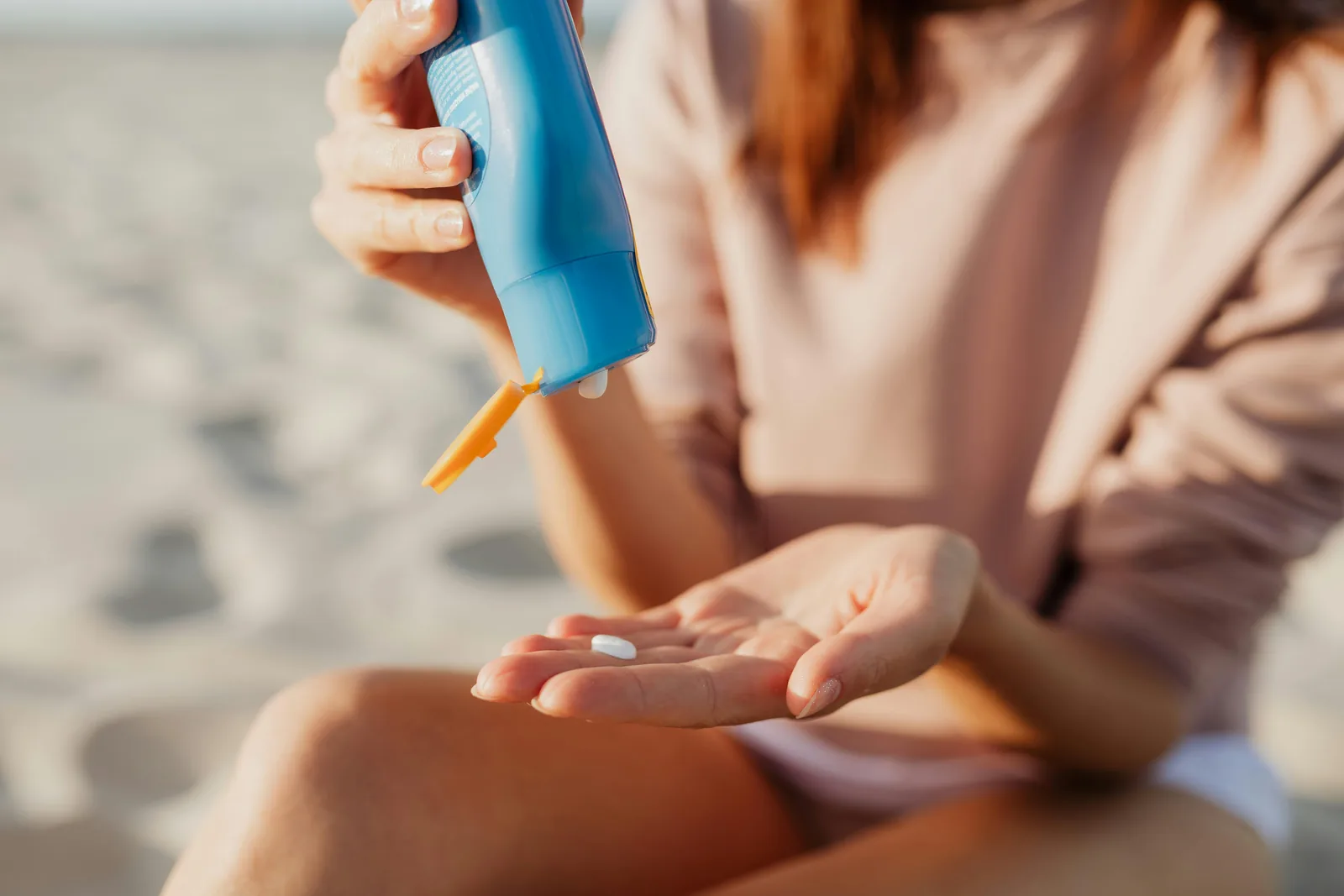
- Use DEET repellent (20–50% DEET) on all exposed skin during daylight hours. Dengue mosquitoes are most active 2 hours after dawn and 2 hours before dusk, but bite throughout the day.
- Wear long sleeves and trousers in the early morning and late afternoon if in areas with high mosquito activity (near standing water, paddy fields, urban areas)
- Sleep with a fan running - mosquitoes struggle in airflow, and most accommodation with fans has few biting issues
- Avoid standing water near your accommodation (flower pots, water containers, gutters) - these are breeding sites
- Use mosquito nets if your room lacks screens or air conditioning
Malaria
Malaria risk in Sri Lanka is low for the standard tourist itinerary. Sri Lanka was certified malaria-free by the WHO in 2016 for indigenous cases in the major regions, and the main tourist circuit - Colombo, Kandy, Ella, Galle, Yala, Sigiriya, Arugam Bay - has negligible or no malaria risk.
Some risk areas exist in parts of the far north and remote eastern border regions (Mannar, Vavuniya, Mullaitivu). Travellers spending extended time in these remote areas should consult a travel health physician about antimalarial prophylaxis.
For standard 7–14 day itineraries covering the Cultural Triangle, Hill Country, and South/East coasts: malaria prophylaxis is generally not recommended by most travel health authorities. Confirm with your own physician based on your specific itinerary.
Food Safety
Sri Lankan food is generally safe. The common-sense rules:
- Eat at busy restaurants - high turnover means fresh food
- Hot food should be hot when served; avoid food that's been sitting out at room temperature
- Street food from active stalls is generally fine; avoid pre-cooked items that have been sitting for hours
- Seafood: Excellent and fresh in coastal areas. Buy from busy restaurants near fishing communities.
- Fruit: Peel it yourself when possible, or buy at market stalls with visible turnover
Your digestive system will likely need 2–3 days to adjust to Sri Lankan cuisine regardless of food safety - the spice levels are significantly higher than most Western diets. Start with milder rice and curry options in the first few days.
Heat and Sun
Heat exhaustion is the most common medical complaint from tourists in Sri Lanka, particularly at Sigiriya (fully exposed climb at midday), Adam's Peak (steep predawn ascent), and anywhere in the Cultural Triangle from March–May.
Preventing heat illness:
- Carry at least 1 litre of water per person for any outdoor activity
- Avoid strenuous outdoor activity between 11 am and 2 pm in hot months
- Wear a hat and high-SPF sunscreen (the tropical sun is intense even on cloudy days)
- Know the signs: dizziness, headache, nausea, stopping sweating - these require shade, cool water, and rest immediately
- Heat stroke (hot, dry skin, confusion, very high temperature) is a medical emergency
Medical Facilities
Colombo
Colombo has excellent private hospital facilities - comparable to Western standards for most procedures, significantly cheaper, and with English-speaking staff.
- Lanka Hospital (011-5-430000) - 578-bed JCI-accredited facility, widely used by expats and recommended by embassies; 24/7 A&E
- Nawaloka Hospital (011-2-544444) - central Colombo, good emergency care
- Asiri Central Hospital (011-4-666888) - well-regarded private hospital in Colombo 5
For non-emergencies, these hospitals also have outpatient clinics for consultation.
Regional Cities
- Kandy: Teaching Hospital Kandy (public) and several private facilities including Asiri Surgical Hospital Kandy. Adequate for most needs.
- Galle: Karapitiya Teaching Hospital (public), Nawaloka Galle (private). Good facilities.
- Ella/Nuwara Eliya/Hill Country: Limited local facilities. Serious cases are referred to Kandy or Colombo (2–3 hours by road from Ella). Medical evacuation insurance is important if your itinerary includes remote hill country, climbing, or active adventure activities.
- North/East (Jaffna, Trincomalee, Batticaloa): Government hospitals serve these areas. Private options are limited. For serious cases, evacuation to Colombo is the standard.
Pharmacies
Sri Lankan pharmacies are well-stocked and many common medications that require a prescription elsewhere are available over the counter. Most pharmacists speak sufficient English to assist with basic queries. In Colombo, 24-hour pharmacies exist near major hospitals.
Travel Insurance
Travel insurance with medical evacuation cover is essential. Sri Lanka is not expensive for private hospital care, but medical evacuation to your home country (if required for serious trauma, cardiac events, or complex surgery) costs $50,000–$150,000 without insurance.
Make sure your policy covers:
- Emergency medical treatment and hospitalisation
- Medical evacuation/repatriation
- Adventure activities (if you plan surfing, trekking, white-water rafting, diving)
- Trip cancellation/interruption
Keep a photo of your insurance documents and emergency contact number on your phone.
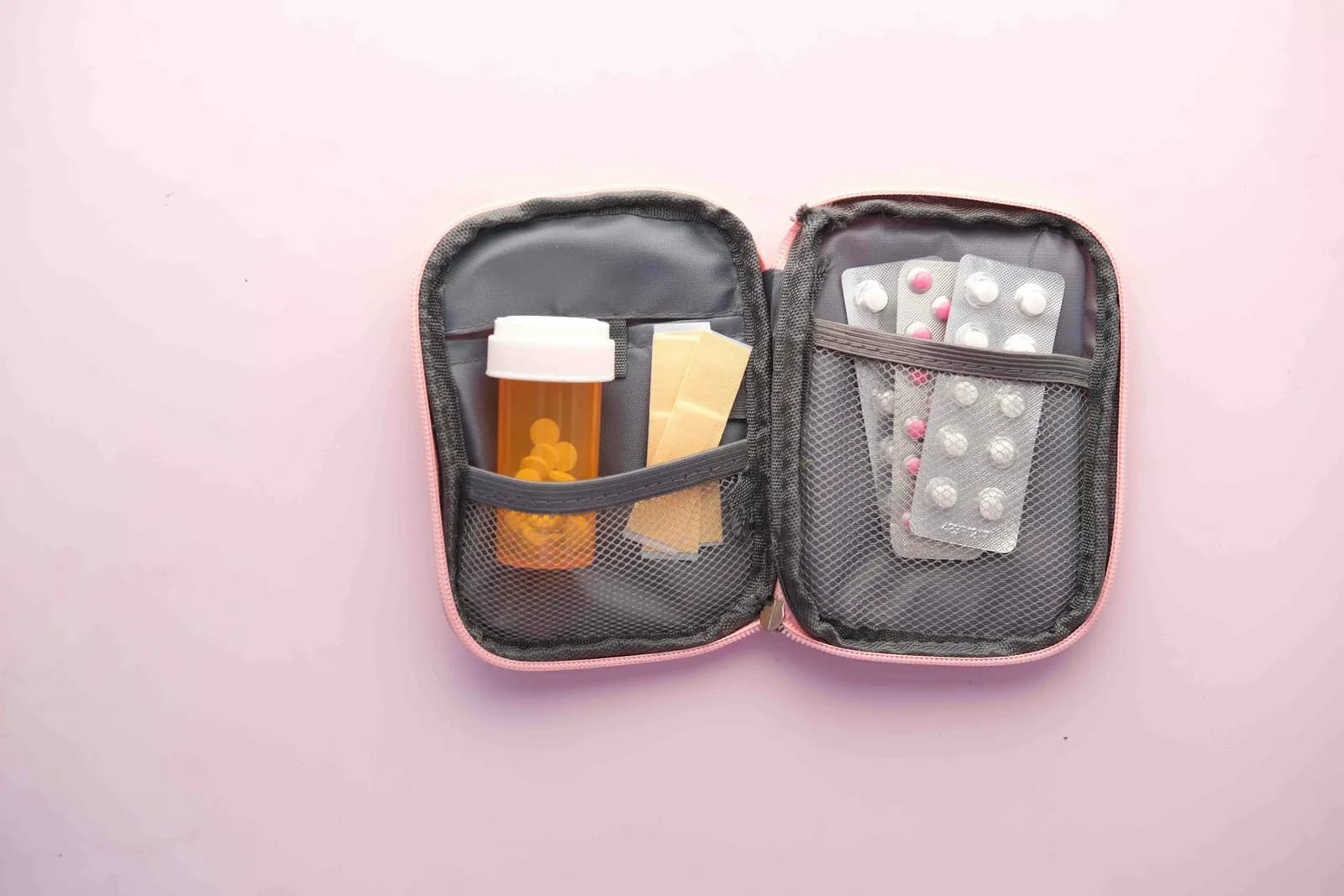
Health Kit to Pack
A practical health kit for Sri Lanka:
- Oral rehydration salts (ORS) - essential if you get traveller's diarrhoea; available in Sri Lanka but good to bring a few sachets
- DEET repellent (20–50%) - can be bought in Colombo but quality varies
- Sunscreen SPF 50+ - expensive in Sri Lanka; bring from home
- Loperamide (Imodium) - for managing traveller's diarrhoea symptoms on travel days
- Water purification tablets - backup for remote areas
- Antihistamines - for insect bites and allergic reactions
- Any prescription medications - bring 25% extra supply plus a copy of your prescription
- Travel insurance documents - printed and photographed
Recommended Sri Lanka Tours
Find highly-rated tours from reputable operators with good safety records
Food and Water Safety in Detail
Tap water: Do not drink it anywhere in Sri Lanka - Colombo included. The infrastructure is not reliable enough for the standards most international visitors are accustomed to, and contamination risks include Giardia and typhoid. Use bottled water for drinking and tooth brushing. Ice in established tourist restaurants is typically from filtered sources; in very rural areas, skip it.
Street food: Sri Lanka's street food is generally safe to eat and excellent. The risk is not street food specifically - it is food that has been sitting out in heat for extended periods. Rice and curry cooked fresh and served immediately at a busy kade is safer than a hotel buffet that has been sitting under a heat lamp for two hours. Follow the locals: eat where they eat, at the times they eat.
Seafood: The south coast seafood - particularly at beach restaurants - is often caught that morning and cooked that evening. Very fresh, very safe. Be more cautious with prawns and shellfish at inland restaurants where turnover may be slower.
Fruit: Fresh fruit in Sri Lanka is safe and recommended. The peel provides natural protection; always peel before eating. Bananas, mangoes, papayas, and king coconuts are all reliably safe.
The digestion adjustment: Many visitors experience mild stomach disturbance in the first 2 to 3 days even when eating safely. This is normal adjustment to a different gut flora environment. It typically resolves without treatment. Oral rehydration salts (widely available at Sri Lankan pharmacies) are the practical response.
Regional Health Risks by Area
| Region | Specific risk | Mitigation |
|---|---|---|
| Cultural Triangle (Sigiriya, Dambulla) | Dengue (year-round) | DEET at dawn/dusk |
| East coast (Arugam Bay, Trincomalee) | Dengue, sea jellyfish (seasonal) | DEET, ask about jellyfish season |
| Hill country (Ella, Nuwara Eliya) | Cold (8–12°C at night) | Pack warm layer |
| All beaches | Sun/UV burn | SPF 50+, hat, 11am–3pm shade |
| National parks | Animal encounters, heat | Stay in vehicle, bring 2L water |
| Colombo | Food quality variation | Eat at busy establishments |
Sri Lanka Health FAQs
Do I need vaccinations to visit Sri Lanka? No vaccinations are legally required unless arriving from a yellow fever endemic country. Hepatitis A and Typhoid are strongly recommended for all travellers. Consult a travel health clinic 4–8 weeks before departure.
Is the tap water safe to drink in Sri Lanka? No. Drink bottled or filtered water throughout your trip. Ice in tourist-area restaurants is generally made from filtered water and is safe.
Is malaria a risk in Sri Lanka? Malaria risk is very low for the standard tourist itinerary (Colombo, Kandy, Ella, Galle, Yala, Sigiriya, beaches). Sri Lanka was certified malaria-free for indigenous cases in 2016. Some risk exists in remote northern border areas. Consult your physician based on your specific route.
Is dengue a risk in Sri Lanka? Yes. Dengue is present year-round across Sri Lanka. Use DEET repellent, wear long sleeves in mosquito-active periods, and sleep with a fan or under a net. There is no vaccine available for most travellers.
What should I do if I get sick in Sri Lanka? For minor illness (stomach upset, mild fever), pharmacies are well-stocked. For anything more serious - sustained fever, severe diarrhoea, chest pain - go to a private hospital. In Colombo, Lanka Hospital (011-5-430000) is the most internationally recognised. Call your travel insurance emergency line first.
Can I buy prescription medications in Sri Lanka? Many medications available only on prescription in Western countries are sold over the counter in Sri Lankan pharmacies. However, quality control and counterfeit risk exist in informal markets - buy from established pharmacy chains or hospital pharmacies.
Is dengue preventable? There is no widely available dengue vaccine for general travellers. Prevention is through repellent (DEET 20–50%), protective clothing, and reducing mosquito breeding sites near accommodation. Even with precautions, dengue is a real risk - know the symptoms and seek care promptly if you develop sudden high fever.
What hospitals should I go to in Colombo? Lanka Hospital (011-5-430000) is the most internationally recognised private hospital and is recommended by multiple embassies for their citizens. Nawaloka and Asiri Central are also reliable alternatives. All three have 24-hour emergency departments.
Related Guides
- Why Sri Lanka is the Smartest Long-Haul Choice for European and Australian Travellers in 2026
- Why Sri Lanka Is the Honeymoon Destination Modern Couples Are Choosing Over the Maldives
- Sri Lanka Insider Travel Tips: What Locals Know That Most Guides Won't Tell You
- How Much Does a Month in Sri Lanka Cost? A Solo Traveler's Budget Guide (2026)
Advertisement
Flights, hotels and tours - all in one place.
Plan Your Sri Lanka Trip
Find the best price to Colombo from your city
Search Flights →Compare prices across Booking.com, Agoda & more
Find Hotels →Bus fares, train times and transport options
Plan Transport →Powered by Travelpayouts · We may earn a small commission at no extra cost to you.
Leave a Comment
Share your thoughts, questions, or travel experiences