Tip
Quick answer: Arugam Bay's surf season runs May–October, with June–September peak. Main Point is the headline break - a long right-hander ideal for intermediate and advanced surfers. Beginners can learn at Elephant Rock or Baby Point. Stay 4–5 nights minimum: the combination of surf, Kumana bird sanctuary, Pottuvil Lagoon, and elephant encounters makes this one of Sri Lanka's best overall destinations, not just a surf town.
Arugam Bay is Sri Lanka's surf capital and one of the top ten surf destinations in Asia. The small town - a single street of guesthouses, restaurants, and surf schools on the east coast - has been drawing surfers since the 1970s, and the combination of consistent waves, warm water, affordable accommodation, and spectacular natural surroundings has made it a permanent fixture on the world surf circuit.
The east coast setting also means Arugam Bay operates on the opposite monsoon to the south and west coast: while Mirissa and Galle are closed to surfing during the southwest monsoon (May–October), Arugam Bay is at its best. For travellers doing a full-island circuit, this makes the east coast a natural complement to the west coast beach experience.
Tip
Our take: Arugam Bay is at its best in June and July before the August crowds build. A clean 4 to 6 foot day at Main Point with fewer than ten people in the water is the kind of session that makes travellers extend their Sri Lanka trip by a week.
The Surf
Main Point
The reason most surfers come to Arugam Bay. Main Point is a right-hand point break that produces long, peeling waves across a variety of conditions. On a good day at 4–6 feet, a single wave can run for 200+ metres - rare anywhere in Asia.
Best for: Intermediate to advanced surfers. Beginners will find the crowd, the rocks, and the power of the waves challenging.
Best months: June–September for the most consistent and powerful swells. May and October are shoulder months with smaller, more forgiving waves.
Conditions: Works best on a southwest swell (which is also when the southwest monsoon keeps the west coast closed). The wave quality deteriorates in onshore winds (usually afternoon); dawn sessions and early mornings are optimal.
Pottuvil Point
8 km north of the bay, past Pottuvil lagoon. A longer, less crowded right-hander than Main Point, working in similar conditions. The journey through the lagoon by tuk-tuk or boat is an attraction in itself - the water system is home to crocodiles, water buffalo, and wading birds.
Best for: Intermediate surfers who find Main Point too crowded or powerful. Also works at slightly smaller swell sizes that leave Main Point flat.
Elephant Rock
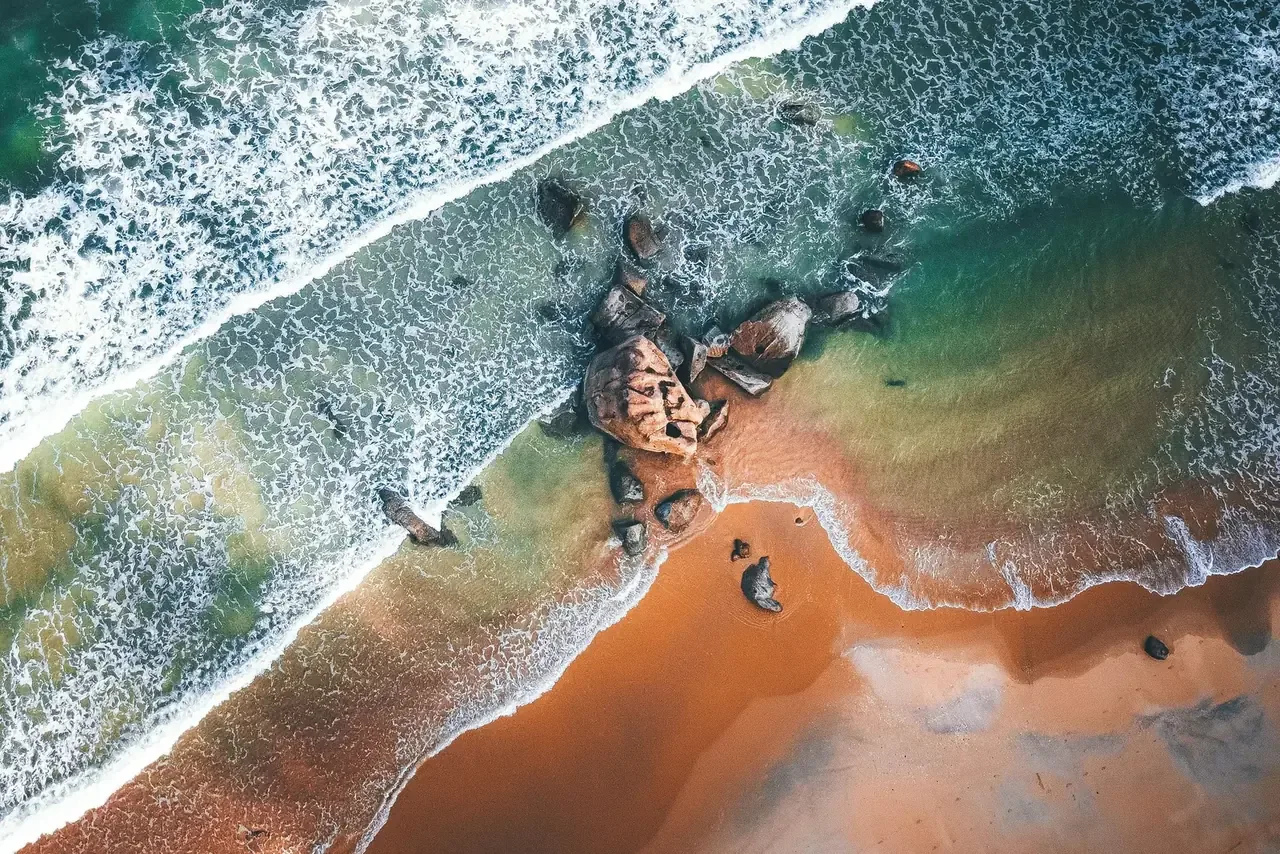
South of Main Point, named for the boulder formations above the beach. A gentler break over sand and rock - the best option for beginner and early-intermediate surfers. Several surf schools operate here.
Best for: Beginners learning to surf, intermediate surfers on smaller days.
Baby Point
The softest break in the bay, immediately south of Main Point. Consistent small waves ideal for learning. Surf lessons typically take place here before moving to Elephant Rock.
Surf Schools and Board Hire
Arugam Bay has a well-developed surf instruction scene; standards vary. Look for schools that:
- Teach in small groups (4 students maximum per instructor)
- Provide surf safety briefings
- Start beginners at Baby Point or Elephant Rock rather than Main Point
Board hire: LKR 600–1,000 per day for a longboard or mid-length. Shortboards available from LKR 800/day. Most surf schools hire equipment to non-students.
Lessons: LKR 3,000–5,000 for a 2-hour group lesson including equipment. Private lessons from LKR 6,000.
Beyond Surfing: Wildlife and Nature
Arugam Bay's location on the east coast, adjacent to two national parks and a significant lagoon system, makes it a genuine wildlife destination.
Kumana National Park
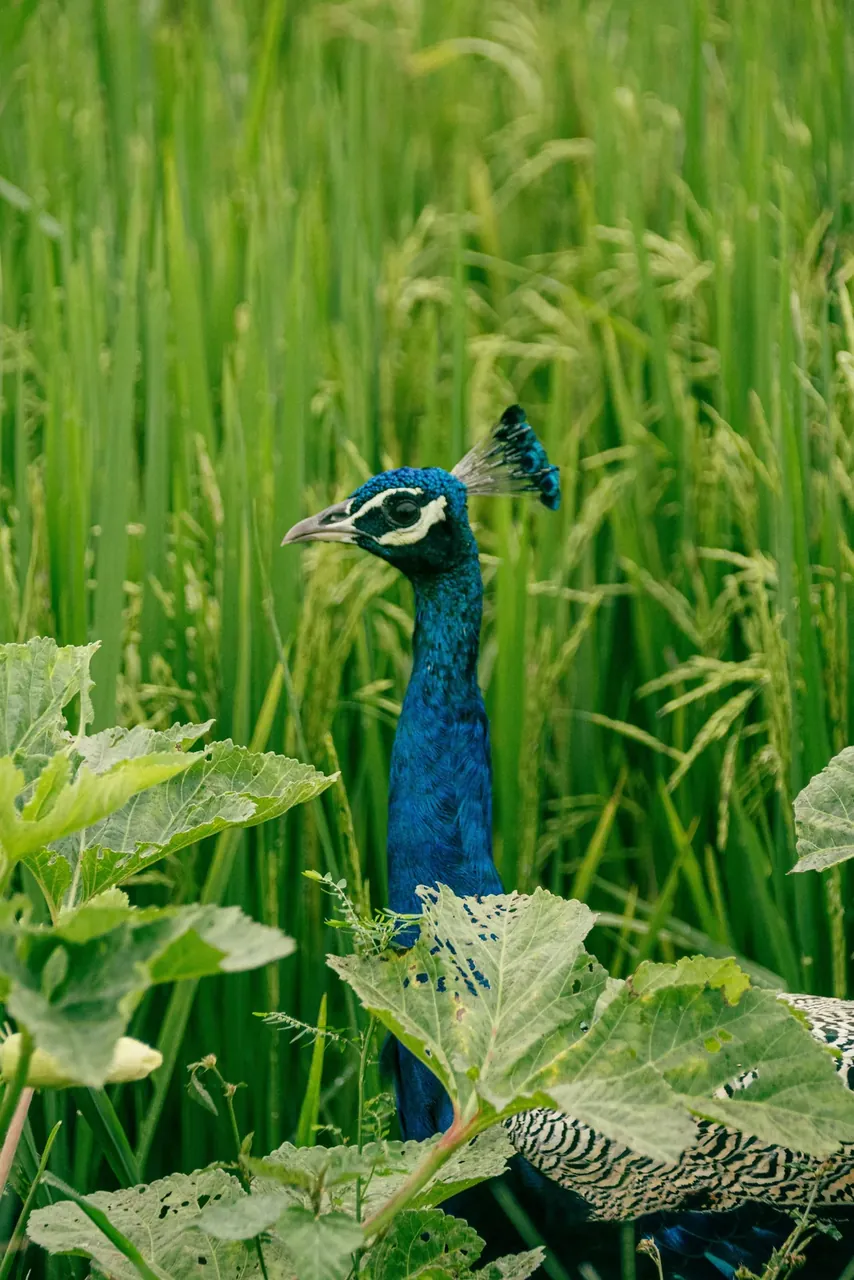
25 km south of Arugam Bay. One of Sri Lanka's most important wetland bird sanctuaries, with an extensive lagoon (Kumana Villu) that hosts nesting colonies of painted storks, purple herons, open-billed storks, and other waterbirds in season (May–July nesting peak). The park also has leopards, sloth bears, and elephants.
Safari options: Half-day or full-day jeep safaris from Arugam Bay are available from LKR 8,000–12,000 for a shared jeep. The combination of water buffalo wading in the lagoon, painted storks nesting in trees rising from the water, and the chance of elephant encounters makes Kumana a legitimately excellent wildlife destination in its own right.
Tip: Kumana is significantly less visited than Yala (see the Yala safari guide), so a full-day here feels genuinely different from the crowded Yala experience.
Pottuvil Lagoon
Immediately north of Arugam Bay. A brackish lagoon of approximately 100 hectares, accessible by boat from Arugam Bay harbour. Wildlife includes saltwater crocodiles (visible from safe distances), water buffalo, fishing eagles, and kingfishers.
Lagoon tours: LKR 2,500–4,000 per boat for a 90-minute tour. Best in the early morning when wildlife is most active.
Wild Elephants
Elephants regularly enter the outskirts of Arugam Bay - the area is within the corridor used by wild elephants moving between Kumana and other forest areas. Elephant sightings on the roads to Pottuvil and Kumana are common; all guesthouses can advise on current activity.
Arugam Bay Town
The bay is essentially one road: Arugam Bay Road, running from the central junction to the beach, lined with guesthouses, restaurants, and surf shops. The town is small enough that everything is within a 10-minute walk.
The atmosphere is the classic surf-town mix: slow mornings, wave-checking, long lunches, afternoon sessions, evening beach fires. The backpacker-to-boutique ratio is well-balanced - you can find budget dormitories alongside comfortable guesthouses without the budget-end feeling overwhelming.
Where to Eat in Arugam Bay
Siam View Hotel Restaurant - reliable seafood and Thai-Sri Lankan fusion; one of the most consistent restaurants in the bay for several years.
Aloha - the closest thing to a proper beach club in Arugam Bay; cocktails, grilled seafood, and music in the evenings. Popular with surfers at the end of the day.
Kottu spots on the main road - several Sri Lankan local restaurants serve kottu roti for LKR 300–500; these are the best value in town and open late.
Padi Restaurant - well-regarded for Sri Lankan rice and curry lunch; run by a local family. The dahl curry and fish ambul thiyal (sour fish curry) are consistently mentioned in reviews.
Where to Stay in Arugam Bay
Hotels in Arugam Bay
Check availability & prices on Booking.com
Powered by Booking.com · We may earn a small commission at no extra cost to you.
Gecko's Bay Hotel - mid-range boutique property consistently rated one of the best in Arugam Bay; small pool, helpful surf guidance, central location.
Arugam Bay Resort - comfortable air-conditioned rooms with a restaurant on-site; the most hotel-like experience in the bay. Good base for non-surfers visiting for wildlife and beaches.
Budget guesthouses: Numerous family-run options from LKR 2,500–4,000/night along the main road; most include breakfast and can arrange surf lessons and lagoon tours at local prices.
Getting to Arugam Bay
Arugam Bay is on the east coast, approximately 320 km from Colombo - further than most places on the standard tourist circuit.
From Colombo: 6–7 hours by car or bus. The fastest route is via the Southern Expressway to Hambantota, then northeast through Kataragama to the east coast. Private hire from Colombo costs LKR 15,000–18,000.
From Ella (150 km): 3–4 hours by car, driving east via Wellawaya and Monaragala. One of Sri Lanka's most scenic road journeys - from tea-covered hills to dry-zone savannah to east coast lagoons.
From Yala (100 km): 2–2.5 hours along the coastal road to Hambantota, then northeast to Arugam Bay. Yala and Arugam Bay pair naturally for a south and east coast leg.
By bus: Buses from Colombo take 8–9 hours. Direct CTB buses from Colombo Bastian Mawatha or change at Monaragala.
Best Time to Visit Arugam Bay
May–October: Surf season - the southwest monsoon generates consistent Indian Ocean swells. Best surfing months are June–September. The east coast is in its dry season during this period.
November–April: The northeast monsoon brings rain and choppy surf to the east coast. Arugam Bay slows down significantly; some guesthouses and restaurants close. Not the time to visit for surfing.
Wildlife: Kumana's nesting season peaks May–July; Pottuvil Lagoon is year-round. Elephant activity in the surrounding area is consistent May–September.
Book Arugam Bay Surf Lessons & Tours
Surf lessons, whale watching from the east coast, and day trips to Kumana National Park.
What Most Guides Get Wrong About Arugam Bay
The season timing is critical. The surf window is June through September - but within that window, conditions vary significantly. July is peak surf quality. August is peak crowds (domestic tourists, surf competition season). June has excellent surf with fewer people and lower accommodation prices. If the surf matters to you, June is the best value month.
Main Point is not for beginners. Every guide lists Main Point as the main break. It is - but on a good day it is a powerful, fast-breaking reef wave that will injure an unprepared beginner. Start at Baby Point or Elephant Rock for your first sessions, and only progress to Main Point once a local instructor has assessed your skill level.
Pottuvil Lagoon is seriously underrated. The lagoon sits 4 km north of Arugam Bay and is accessible by tuk-tuk or bicycle. It has crocodiles, elephants (seasonal), and an extraordinary diversity of wading birds. A morning spent on the lagoon by canoe or kayak consistently surprises visitors who came exclusively for the surf.
The off-season is not completely dead. Some guesthouses and restaurants stay open year-round, and Arugam Bay in October or November has a ghost-town quality that certain travellers actively seek - lower prices, empty breaks (waves but no crowds), and the wildlife in Kumana is active regardless of tourist season.
Practical Costs at Arugam Bay (2026)
| Item | Cost |
|---|---|
| Budget guesthouse (per night) | LKR 2,000–5,000 |
| Mid-range beach bungalow (per night) | LKR 5,000–15,000 |
| Surf lesson (2 hours incl. board) | LKR 3,500–5,000 |
| Board rental (per day) | LKR 1,500–2,500 |
| Kumana National Park jeep safari | LKR 8,000–12,000 (jeep, not per person) |
| Pottuvil Lagoon canoe trip | LKR 2,000–3,000/person |
| Seafood dinner at beach restaurant | LKR 1,500–3,000/person |
| Tuk-tuk from Arugam Bay to Pottuvil | LKR 200–300 |
| Bus from Colombo (day service) | LKR 600–800 |
The East Coast Circuit
Arugam Bay sits at the southern end of Sri Lanka's east coast, making it a natural endpoint or starting point for an east coast circuit:
Arugam Bay → Batticaloa (100 km north): A laid-back coastal city with a quieter character than Trincomalee. The Batticaloa lagoon and its famous "singing fish" (an acoustic phenomenon in the lagoon at full moon) are the main draws.
Arugam Bay → Trincomalee (200 km north): The east coast's premium beach destination - calm turquoise sea, Fort Frederick, and snorkelling around Pigeon Island. 3.5 to 4 hours by car, longer by bus. Most east-coast-focused itineraries pair Trincomalee in the north with Arugam Bay in the south.
Arugam Bay → Yala (60 km west): The most common combination. Yala for the dry-zone safari experience, Arugam Bay for the east coast surf and lagoon. Two to two and a half hours by private car. This pairing is increasingly standard on Sri Lanka's south and east circuit.
Arugam Bay: Frequently Asked Questions
Is Arugam Bay good for beginner surfers? Yes - Baby Point and Elephant Rock provide gentle waves ideal for beginners. Surf schools are well-established and experienced with teaching novices. Don't start at Main Point.
Is Arugam Bay safe for swimming? The bay's beaches are generally safe for swimming in calm conditions, though the surf-beach combination means there are occasional currents. Ask local guesthouse owners about conditions on any given day.
How many days should I spend at Arugam Bay? 4–5 nights is ideal: two or three surf sessions at Main Point, a Kumana half-day safari, a Pottuvil Lagoon morning, and time for the beach and restaurants. Shorter stays feel rushed.
Is Arugam Bay good for non-surfers? Yes. Wildlife around Kumana and Pottuvil Lagoon is excellent, the beaches are beautiful, and the relaxed atmosphere is appealing even if you don't surf. The east coast wildlife experience differs significantly from Yala.
How do I get to Arugam Bay from Yala? 2–2.5 hours by private car via the coastal road. This is one of the most natural routes - Yala for the dry-zone safari, then Arugam Bay for the east coast surf and lagoon experience.
Can I combine Arugam Bay with Trincomalee? Yes - both are on the east coast. Trincomalee is 200 km north of Arugam Bay (3.5–4 hours). The east coast route connects them, though road quality varies. Most visitors do one or the other rather than both.
Related Guides
- Escaping the European Heatwave: Why Sri Lanka is Your Perfect July Sanctuary
- Trincomalee Sri Lanka Guide 2026: Beaches, Diving & Fort Frederick
- Mirissa Beach Sri Lanka Guide 2026: Whale Watching, Surfing & Where to Stay
- Anuradhapura Sri Lanka Guide 2026: Ancient City, Sacred Sites & What to See
- Nuwara Eliya Sri Lanka Guide 2026: Tea Country, Gregory Lake & Things to Do
Advertisement
Flights, hotels and tours - all in one place.
Plan Your Sri Lanka Trip
Find the best price to Colombo from your city
Search Flights →Compare prices across Booking.com, Agoda & more
Find Hotels →Bus fares, train times and transport options
Plan Transport →Powered by Travelpayouts · We may earn a small commission at no extra cost to you.
Leave a Comment
Share your thoughts, questions, or travel experiences