
Tip
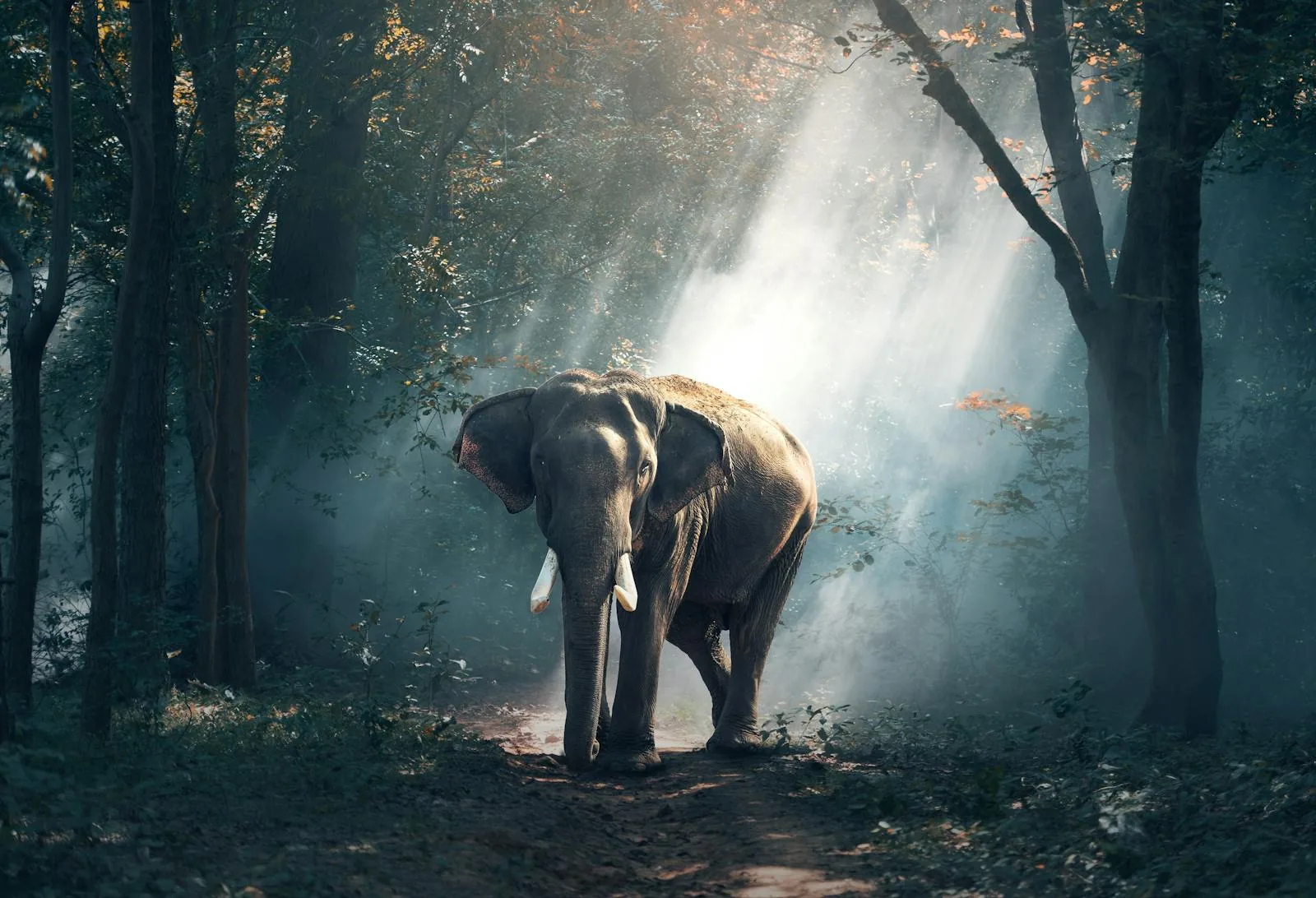
Quick guide: Sri Lanka has 80+ official camping sites across nine provinces. The most dramatic experiences are tented safari camps at Yala and Wilpattu (leopards and elephants), highland camping in the Knuckles or Horton Plains (cold nights, mist, UNESCO forest), and river adventure camps at Kitulgala. Most national park camping requires a Wildlife Department permit booked in advance. Camping is not allowed independently inside most protected areas - use licensed operators.
Sri Lanka isn't the first destination most people think of for camping. It should be. The country compresses an extraordinary range of landscapes into a small area: cloud forests at 2,000+ metres, leopard-dense scrub savanna, UNESCO rainforest, ancient reservoirs, and remote mountain villages. Camping - properly done - puts you inside these landscapes rather than just passing through them.
The Sri Lanka camping scene has matured significantly. Luxury tented camps with proper beds and attached bathrooms now operate inside (or on the boundary of) national parks. At the same time, genuine budget camping, community homestay camping, and guided wilderness trekking camps remain widely available. This guide covers both ends of that spectrum.
Tip
Our take: The most rewarding camping experience in Sri Lanka in our experience is also the most effortful to reach: Meemure village in the Knuckles Range. The road is rough, the facilities are basic, and the combination of genuine isolation, 130-plus bird species, and a community that has lived there for generations is unlike anything else on the island.
Types of Camping in Sri Lanka
Luxury tented camps (glamping): Permanent or seasonal camps with real beds, attached bathrooms, and meals included. Common at Yala, Wilpattu, Udawalawe, and Minneriya. Think expedition-style lodge, not a tent you carry.
Community-based camping: Local operators in villages like Meemure and Vaddha/Dambana offer basic camping with home-cooked meals and guided hikes. Authentic, simple, cheap.
Adventure/activity camps: Kitulgala and Belihuloya combine camping with white-water rafting, canyoning, and zip-lining. Usually one or two nights as part of a package.
Trekking camps: Multi-day routes through the Knuckles Range or Sinharaja use a combination of village homestays and tent camping. Need a licensed guide.
Wildlife department campsites: Several national parks have official campsite facilities (Horton Plains, Gal Oya). Basic - no bedding, shared facilities - but genuinely inside the park boundary.
The 12 Best Camping Sites in Sri Lanka
1. Knuckles Mountain Range ⭐⭐⭐⭐⭐
Best for: Trekking, birdwatching, cool-climate camping, couples and small groups
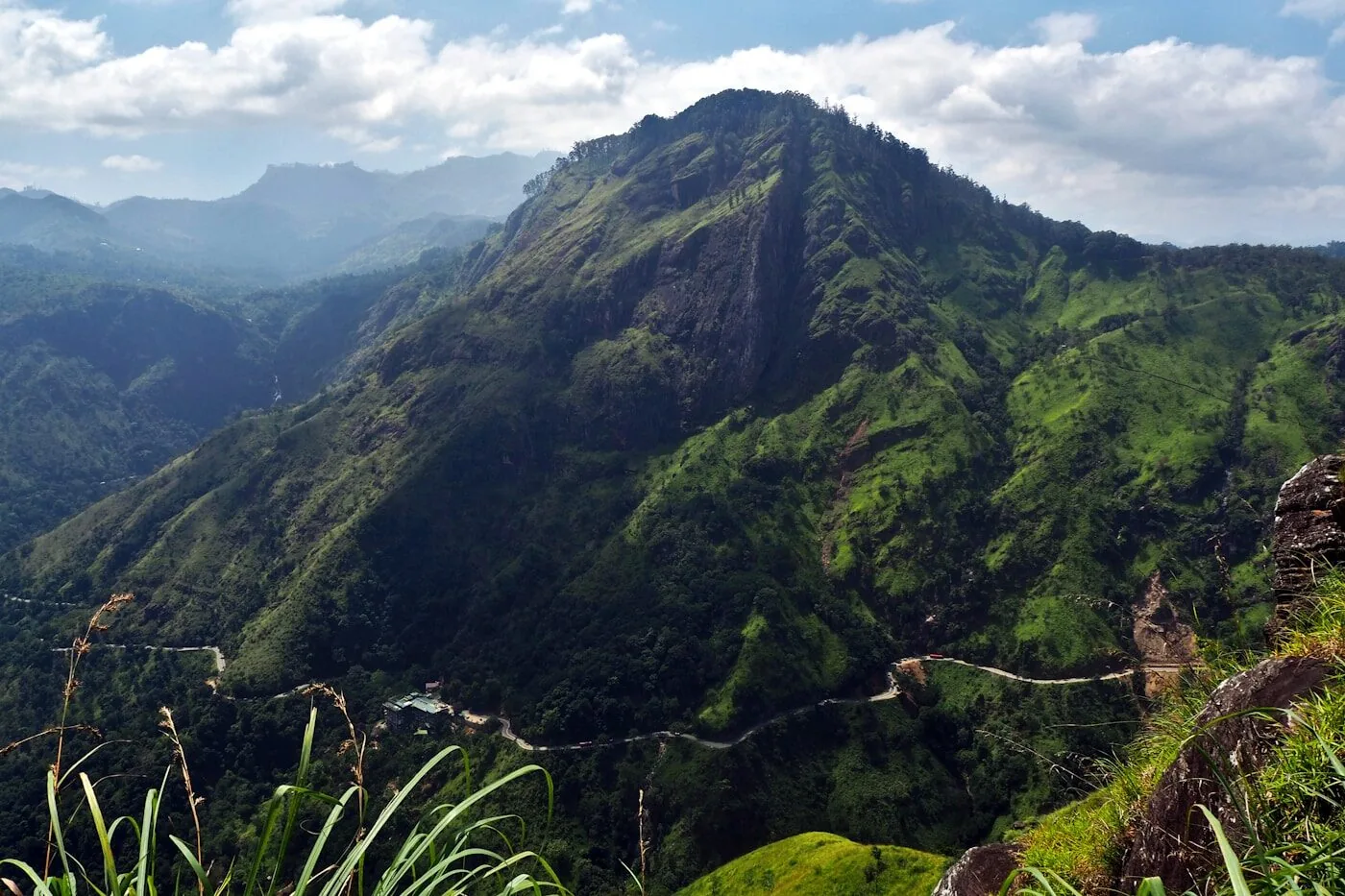
The Knuckles Range (officially the Knuckles Conservation Forest) is a UNESCO World Heritage Site in the Central Province with extraordinary biodiversity: 200+ bird species, 17 endemic amphibians, dense cloud forest, tea plantations, and waterfalls. It's arguably the best trekking terrain in Sri Lanka and the most rewarding camping destination for nature-focused visitors.
Camping experience: Wild Glamping Knuckles operates semi-permanent camp setups with good beds, local food, and guided night walks. Budget operators offer basic tent camping in and around villages at the forest edge.
Best season: March–October (dry season for the Knuckles). November–February brings mist and occasional rain - beautiful for mood, less practical for trekking.
Key operators: Wild Glamping Knuckles, Knuckles Forest Lodge, Sri Lanka Eco Camping, Mahoora Tented Safari Camps
Getting there: ~30–45 km from Kandy. Tuk-tuk or 4WD to the trailhead (ask your operator for the specific entry point - Rattota, Illukkumbura, or Corbett's Gap).
2. Yala National Park ⭐⭐⭐⭐⭐
Best for: Wildlife photography, luxury safari experience, leopard sightings
Yala is Sri Lanka's most famous national park and one of the best places in Asia to see wild leopards. Block 1 (the most productive game zone) has the highest leopard density of any protected area in the world. A night at a tented camp inside or on the park boundary means early access before day-trippers arrive - and the park at night, which is something entirely different.
Camping experience: Luxury tented safari camps dominate here. Leopard Trails is the gold standard - permanent eco-tented camp just outside Block 1 with solar power, gourmet food, and dedicated naturalists. Mahoora Tented Safari Camps operates a seasonal mobile camp. Both arrange private jeep safaris.
Best season: June–September (dry season, wildlife concentrates around waterholes - best leopard probability). December–March also good. Park closed annually in September for three weeks (exact dates vary year to year).
What to expect: Elephants, leopards, sloth bears, crocodiles, water monitors, peacocks, 200+ bird species. Safaris at 5:30–6 am and late afternoon.
Key operators: Leopard Trails, Mahoora Tented Safari Yala, The Beach Camp, Yala Safari Camping
3. Meemure ⭐⭐⭐⭐⭐
Best for: Remote village experience, waterfall swimming, off-grid adventure
Meemure is one of Sri Lanka's most isolated villages - a community of around 125 families at the end of a rough mountain road deep in the Knuckles Range, approximately 50 km from Kandy. It's not easy to reach (the last section of road is 4WD territory) and that's precisely the point.
The village sits at around 900m altitude, surrounded by cloud forest with 130+ bird species. The main attractions: a natural waterfall with a water slide worn into the rock, a 50-foot "confidence jump" into a deep pool, forest hikes, and the genuine experience of staying with a community that still lives largely as it has for generations.
Camping experience: Simple tent camping at the Meemure Camping Site with local food. Homestays also available. Very cheap - expect LKR 2,000–4,000/person including meals.
Best season: Year-round, but May–October is drier. December–February can be rainy and cold.
Getting there: ~50 km from Kandy on very rough road. Essential to hire a local 4WD or motorbike for the last section. Many visitors combine Meemure with a Knuckles trekking route.
Key operators: Meemure Camping Site, Meemure Forest Lodge, Hotel Meemure Campsite
4. Horton Plains National Park ⭐⭐⭐⭐
Best for: Cold-climate camping, World's End hike, montane grassland
Horton Plains is Sri Lanka's highest plateau - a UNESCO World Heritage Site sitting at 2,100–2,300 metres in the Central Highlands. The climate is unlike anywhere else in Sri Lanka: daytime temperatures of 14–16°C, nights dropping to 5°C or below in the dry season. This is proper cold-weather camping.
The park is famous for the World's End escarpment - a sheer 870m drop with (on clear days) views stretching to the south coast. Baker Falls is another highlight. The plateau grassland is home to sambar deer, leopards (rarely seen), and hundreds of highland bird species including the dull-blue flycatcher and Sri Lanka white-eye.
Camping experience: The Wildlife Department runs official campsites within the park boundary. Facilities are basic - you need to bring your own tent, sleeping bag (minimum -5°C rating recommended), and food. Permits required from the Wildlife Department in advance.
Important note: Horton Plains is a day-visit park for most tourists. Overnight camping is available but requires a specific permit and advance booking - not something you can arrange on arrival.
Best season: December–April (dry and clear). The dry season brings the clearest views at World's End - mist obscures the drop by mid-morning even in good months.
Getting there: ~32 km from Nuwara Eliya (45-minute drive). Most visitors arrive from Nuwara Eliya or Haputale. No public transport to the park gate.
5. Wilpattu National Park ⭐⭐⭐⭐
Best for: Uncrowded safari, leopard watching, ancient fort ruins
Wilpattu is Sri Lanka's largest national park - significantly bigger than Yala - but receives far fewer visitors, which makes for a completely different safari experience. The park's distinctive feature is its villus: natural circular lakes formed by rainwater collecting in sand basins, which attract remarkable concentrations of wildlife.
Leopards are regularly sighted (better odds than many expect), along with elephants, sloth bears, and the endemic fishing cat. The park is also close to the ancient ruins of Anuradhapura and the Kalpitiya dolphin-watching coast.
Camping experience: Wilpattu Safari Camp and Leopard Trails operate tented camps adjacent to the park. Mahoora also has a presence. Less developed than Yala - more authentic.
Best season: February–October. January sees the northeast monsoon, which can make park roads muddy.
Key operators: Wilpattu Safari Camp, Leopard Trails, Mahoora Tented Safari Camps
6. Kitulgala Forest Reserve ⭐⭐⭐⭐
Best for: Adventure sports, weekend trips from Colombo, groups
Kitulgala is Sri Lanka's adventure sports hub - approximately 95 km from Colombo in the Sabaragamuwa province, where the Kelani River cuts through dense rainforest. It's the filming location of David Lean's Bridge on the River Kwai (1957) and today draws weekenders for white-water rafting, canyoning, kayaking, zip-lining, and jungle camping.
Camping experience: Adventure Base Camp, Borderlands, and Go Kitulgala all offer camping + activity packages. Typically one or two nights with rafting included in the package price. Comfortable tents with proper bedding, communal meals.
Best season: January–March for the best rafting conditions (higher water levels). Year-round for camping and most other activities.
Key operators: Adventure Base Camp, Borderlands (the most established), Go Kitulgala
Getting there: ~3 hours from Colombo by car or bus. Easy day-trip but much better as an overnight.
7. Sinharaja Rainforest ⭐⭐⭐⭐
Best for: Endemic birdwatching, biodiversity, serious nature lovers
Sinharaja is Sri Lanka's last viable tract of primary lowland rainforest and a UNESCO World Heritage Site. Its biodiversity credentials are extraordinary: 95% of the endemic birds of Sri Lanka are found here, along with 50% of endemic mammals, and remarkable concentrations of endemic reptiles and amphibians.
Note
Permit required: Independent camping is not permitted in Sinharaja. Entry requires registration at a Forest Department entry point (Kudawa or Pitadeniya). Overnight stays must be arranged through approved operators. Day visits are allowed with a guide, but overnight camping needs advance approval from the Forest Department.
Best season: December–April (drier, better visibility); August–September (second dry spell). Avoid May–July (heaviest rainfall).
Key operators: Sinharaja Adventure Resort, Trip Peaks Camping Site, Mahoora Tented Safari Camps (Sinharaja)
8. Udawalawe National Park ⭐⭐⭐⭐
Best for: Elephant watching, family camping, budget safari
Udawalawe is Sri Lanka's elephant park - a permanent population of 600–700 wild elephants makes it one of the best places on earth to see large herds in the wild. Unlike Yala, which requires patience and a good guide for leopard sightings, Udawalawe almost guarantees elephant encounters on every safari.
Camping experience: Mahoora Tented Safari Camps operates here, as do Big Game Camp and Riverside Camping. More accessible price points than Yala tented camps.
Best season: Year-round - Udawalawe is one of the most consistently productive parks in Sri Lanka regardless of monsoon.
Key operators: Mahoora Tented Safari Udawalawe, Big Game Camp, Riverside Camping, Udawalawe Safari Campground
9. Gal Oya National Park ⭐⭐⭐⭐
Best for: Unique boat safari experience, remote east coast, small groups
Gal Oya is Sri Lanka's most overlooked national park - and arguably one of its most atmospheric. The centrepiece is the Senanayake Samudra reservoir, one of the largest tanks in the country, where herds of elephants swim between islands and fishing eagles patrol the shoreline. The only way to see most of the park is by boat safari.
Camping experience: Wild Glamping Gal Oya operates a small, well-designed tented camp here - solar powered, excellent food, intimate group sizes. Community-based camping also available through local operators.
Best season: May–September (east coast dry season).
Key operators: Wild Glamping Gal Oya, community operators based in Ampara/Inginiyagala
Getting there: Closest town is Ampara (20 km) or Monaragala (40 km). Most visitors reach Gal Oya via Arugam Bay or Ella.
10. Minneriya National Park ⭐⭐⭐⭐
Best for: Elephant gathering (largest on earth), Cultural Triangle combination
Minneriya hosts the famous "Gathering" - when declining water levels in the dry season concentrate hundreds of wild elephants around the ancient Minneriya reservoir. At peak (July–September), counts of 300+ elephants in a single afternoon have been recorded.
Camping experience: Minneriya National Park Safari Camp and Mahoora offer tented accommodation. The proximity to Sigiriya and Polonnaruwa makes combining this with Cultural Triangle sightseeing very practical - often on the same day.
Best season: May–September (dry season, gathering peaks July–September).
→ Plan a Minneriya visit around the honeymoon circuit
11. Sorabora Lake, Mahiyanganaya ⭐⭐⭐
Best for: Unique floating canoe camping, cultural tourism, off-the-beaten-path
Sorabora Lake is an ancient reservoir attributed to King Dutugemunu - built over 2,000 years ago and still in use for irrigation. The Mahiyanganaya Sorabora Lake Camping project offers a genuinely unusual experience: canoe-camping on the lake, with a camp set up on one of the reservoir's small islands.
Birdwatching, fishing, sunrise and sunset views, and the adjacent Mahiyangana Raja Maha Vihara (one of Sri Lanka's oldest Buddhist temples) add to the appeal.
Best season: Year-round, but avoid the wettest months (October–November in this region).
12. Belihuloya & Kalpitiya
Belihuloya (Ratnapura district): River camping in a scenic gorge with a natural rock pool, canoeing on the reservoir, and easy access to Horton Plains and Adams Peak. River Garden Resort is the main operator. A practical stop between Colombo and the hill country.
Kalpitiya (Puttalam district): Beach camping on the Kalpitiya peninsula, Sri Lanka's kitesurfing capital. Most appealing May–September when the wind is consistent and the lagoon is at its best. Combines well with dolphin watching tours in the Puttalam Lagoon.
What You Need to Know Before You Go
Permits & Regulations
National park camping (Horton Plains, Gal Oya, Wilpattu, etc.) requires a permit from the Department of Wildlife Conservation (DWC). Most licensed operators handle this automatically - it's one of the key reasons to book through an operator rather than trying to arrange independently.
Sinharaja and Knuckles (Forest Department-managed sites) have separate permit processes. Again, your operator handles this.
Independent camping is not permitted inside most protected areas. Camping outside a licensed operator's designated area without a permit risks a significant fine. The rules exist for genuine conservation reasons - don't circumvent them.
What to Pack
| Item | Notes |
|---|---|
| Sleeping bag | Essential for Horton Plains (5°C nights), Meemure, Knuckles. Light bag fine for lowland/coast. |
| Warm layer | Cloud forest and highlands are genuinely cold - bring a fleece even in April |
| Headtorch | Mandatory for night walks and camp use |
| DEET repellent | Dengue-carrying mosquitoes present year-round. Apply at dawn and dusk. |
| Waterproof pack liner | Monsoon rain arrives without much warning in the hills |
| Sandals + walking shoes | Separate shoes for river crossings and dry trail |
| Sunscreen | SPF 50+ - equatorial sun is intense even on overcast days |
| Water purification | Tablets or SteriPen for remote camps where bottled water isn't available |
Choosing an Operator
All reputable camping operators in Sri Lanka should be SLTDA-licensed. When comparing options:
- Ask specifically whether park entry and camping permits are included in the price (they usually should be)
- Check whether the naturalist/guide speaks English well enough for meaningful commentary, not just logistics
- Confirm the meals situation - some camps are full-board, others charge separately
Price ranges:
- Budget camping (tent, meals, basic facilities): LKR 3,000–8,000/person/night
- Mid-range adventure camp: $30–60/person/night
- Luxury tented safari camp (Yala, Wilpattu): $150–350/person/night all-inclusive
Tented safari camps, glamping sites and eco-lodges across Sri Lanka
Compare Camping & Safari Lodge Options
Hotels near Sri Lanka
Compare prices across Booking.com, Agoda & more
Powered by Travelpayouts · We may earn a small commission at no extra cost to you.
Best Camping by Season
| Camping Type | Best Months | Avoid |
|---|---|---|
| Yala / south wildlife safari | Jun–Sep, Dec–Mar | Oct–Nov |
| Knuckles trekking camp | Mar–Oct | Nov–Feb (mist, rain) |
| Horton Plains highland camp | Dec–Apr | May–Sep (wet, cloud) |
| Sinharaja rainforest | Dec–Apr, Aug–Sep | May–Jul |
| Kitulgala adventure camp | Year-round (best rafting Jan–Mar) | - |
| Gal Oya / east coast | May–Sep | Oct–Jan |
| Meemure village camp | May–Oct | Dec–Feb (coldest, wettest) |
| Kalpitiya beach camp | May–Sep (kite season) | Oct–Apr |
For the full seasonal picture: Sri Lanka Weather by Month
Camping & Outdoor Tours in Sri Lanka
Safari camps, trekking packages, and adventure experiences from licensed operators
Frequently Asked Questions
Is camping legal in Sri Lanka? Camping in designated areas with a licensed operator is completely legal. Unauthorized camping inside national parks or protected forest reserves is not - it carries fines and in some cases the cancellation of the park's entry permit. Always book through an SLTDA-licensed operator for national park camping.
Can I camp independently in Sri Lanka? Yes, but only outside protected areas. Some private land camping is possible (by arrangement with landowners). For anywhere inside a national park or conservation forest, you need a permit and must use a registered operator.
How cold does it get camping in Sri Lanka? Depends entirely on altitude. On the coast: 24–28°C at night, no sleeping bag needed. At Horton Plains (2,100m): 5–12°C at night. At the Knuckles or Meemure (~900–1,200m): 15–20°C at night. Pack accordingly.
What's the cheapest camping option in Sri Lanka? Meemure village camping costs LKR 2,000–4,000/person including food - one of the cheapest genuine adventure experiences anywhere in the country. Kitulgala budget camps start at similar price points. The tradeoff is basic facilities: shared bathroom, simple tent, local food (which is usually excellent).
Which is better - Yala or Wilpattu for camping? For a first-time visitor, Yala - the tented camp operators are more established, the leopard sighting probability is higher in Block 1, and the overall infrastructure is more reliable. Wilpattu has a more untouched, less-touristy atmosphere - better if you've already done Yala and want something rawer.
Do I need vaccinations for camping in Sri Lanka? The same vaccinations recommended for Sri Lanka generally apply: hepatitis A, typhoid (for food/water exposure), and a tetanus booster if yours has lapsed. For camping specifically, add a discussion of rabies pre-exposure with your travel doctor (especially for Knuckles and Sinharaja where bat exposure is possible). See the Sri Lanka health guide.
Related Guides
- Yala National Park Safari Guide - leopards, safaris, and what to expect
- Sri Lanka Weather by Month - timing your camping trip
- Sri Lanka Health Guide - vaccinations, dengue, and what to pack
- Best Travel Agents Sri Lanka - licensed operators for wildlife camps
- Kandy to Ella Train Guide - combining camping with the iconic train route
Advertisement
Flights, hotels and tours - all in one place.
Plan Your Sri Lanka Trip
Find the best price to Colombo from your city
Search Flights →Compare prices across Booking.com, Agoda & more
Find Hotels →Bus fares, train times and transport options
Plan Transport →Powered by Travelpayouts · We may earn a small commission at no extra cost to you.
Leave a Comment
Share your thoughts, questions, or travel experiences