Tip
Quick summary: A month in Sri Lanka costs approximately $2,800 for two people (excluding flights). The classic route is Negombo → Dambulla → Kandy → Ella → Nuwara Eliya → Tangalle → Hiriketiya → Mirissa, returning to Negombo. Ella and Hiriketiya are the standout destinations. Mirissa is the most skippable if you have limited time. Use Uber and PickMe for long transfers; rent a scooter (2,000–3,000 LKR/day) to explore each area. See also the 2-week version of this route.
Sri Lanka has a reputation problem. People who haven't been ask if there's a war. People who have been extend their trip from one month to four. The gap between expectation and reality is one of the widest of any destination in Asia - and almost always in Sri Lanka's favour.
This guide is built on what actually works: the itinerary structure that experienced travellers return to, the honest ratings for each stop, the real budget numbers, and the practical answers to every question that comes up when you're planning a month here for the first time.
Tip
Our take: We have spent cumulative months across all nine provinces. The honest one-month observation: the more time you give Sri Lanka, the more it gives back in unexpected places - a roadside temple in the north at dusk, a surf break in the south that nobody has mapped, a village market that has been running since before most countries existed.
Why a Month in Sri Lanka Works
A month gives you exactly enough time to stop rushing. Sri Lanka is a small island - 65,000 sq km, roughly the size of Ireland - but the roads are slow, the landscape changes dramatically from region to region, and the best experiences happen when you slow down enough to establish a routine somewhere.
Six locations over 30 days is the sweet spot that experienced travellers settle on. Less and you're skimming the surface. More and you're moving every two days and spending half your holiday on buses.
The other reason a month works: the island's climate zones are genuinely different. The north-central dry zone (Dambulla, Sigiriya) feels nothing like the cool hill country (Ella, Nuwara Eliya), which feels nothing like the warm southern coast (Tangalle, Hiriketiya). You're essentially visiting several different countries with one set of luggage.
The One-Month Itinerary
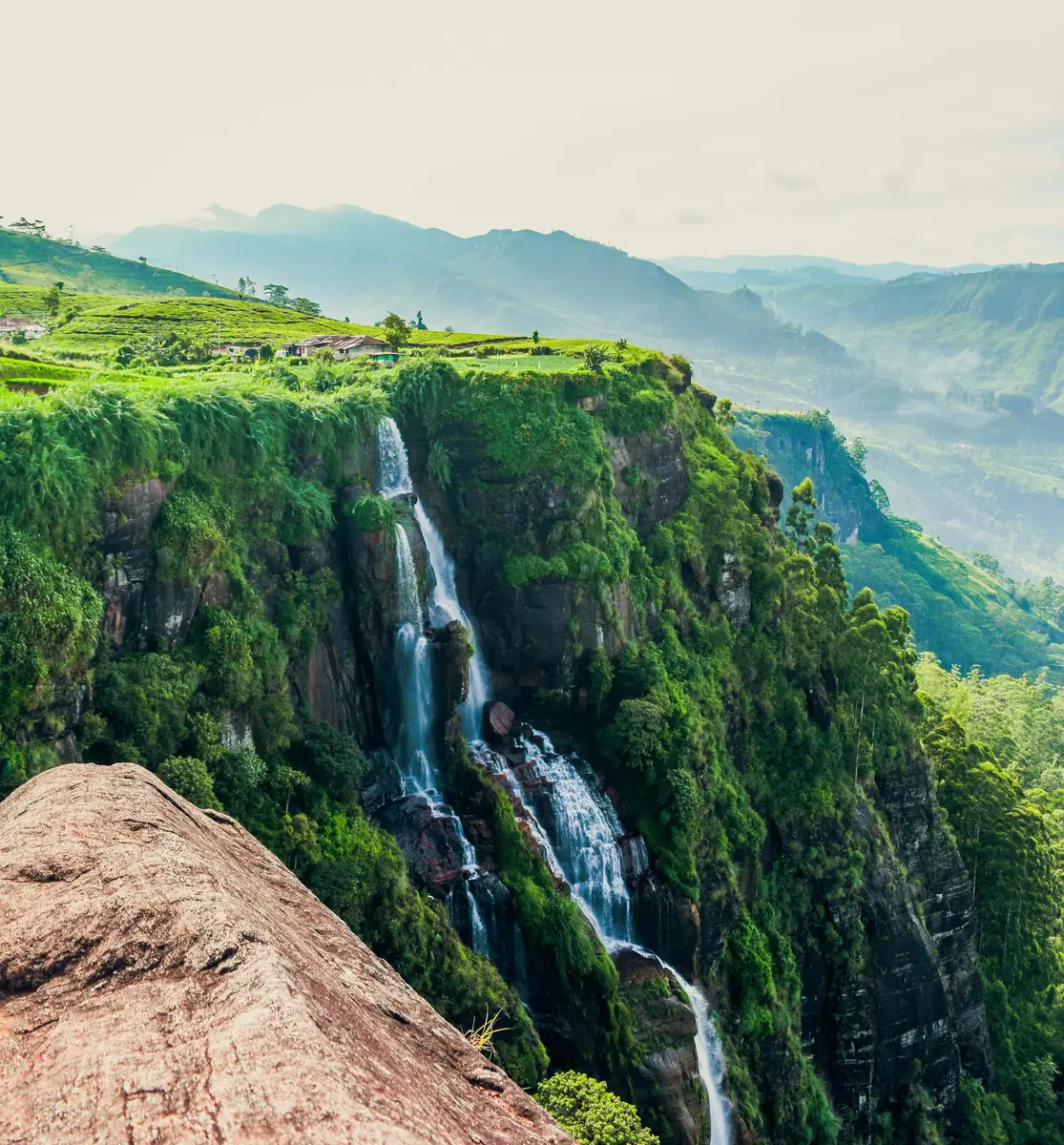
This is the sequence that works. Night counts are minimums - if you love a place, stay longer.
| Location | Nights | Why |
|---|---|---|
| Negombo | 2 | Arrival buffer, adjust to time zone |
| Dambulla | 3 | Sigiriya, Pidurangala Rock, cave temple |
| Kandy | 2–3 | Temple of the Tooth, Peradeniya Gardens |
| Ella | 4+ | Hikes, Nine Arch Bridge, scooter roads |
| Nuwara Eliya | 1–2 | Tea estates, World's End, cooler climate |
| Tangalle | 4 | Quiet beach, turtles, no crowds |
| Hiriketiya | 6–7 | Surf beach, cafe scene, genuinely excellent |
| Mirissa | 3–4 | Whale watching only (Nov–Apr) |
| Negombo | 1 | Departure buffer |
Total: 30–31 nights
The logic of this sequence matters. You arrive in Negombo (the airport is nearby), move inland and upward through the Cultural Triangle and Hill Country, then descend to the south coast for the final stretch. The train from Kandy to Ella is one of the great rail journeys on earth - it connects the hill country section naturally. The south coast then becomes a series of progressively quieter beaches as you move east from Mirissa to Hiriketiya to Tangalle.
Location by Location: The Honest Rating
Negombo: The Practical Start
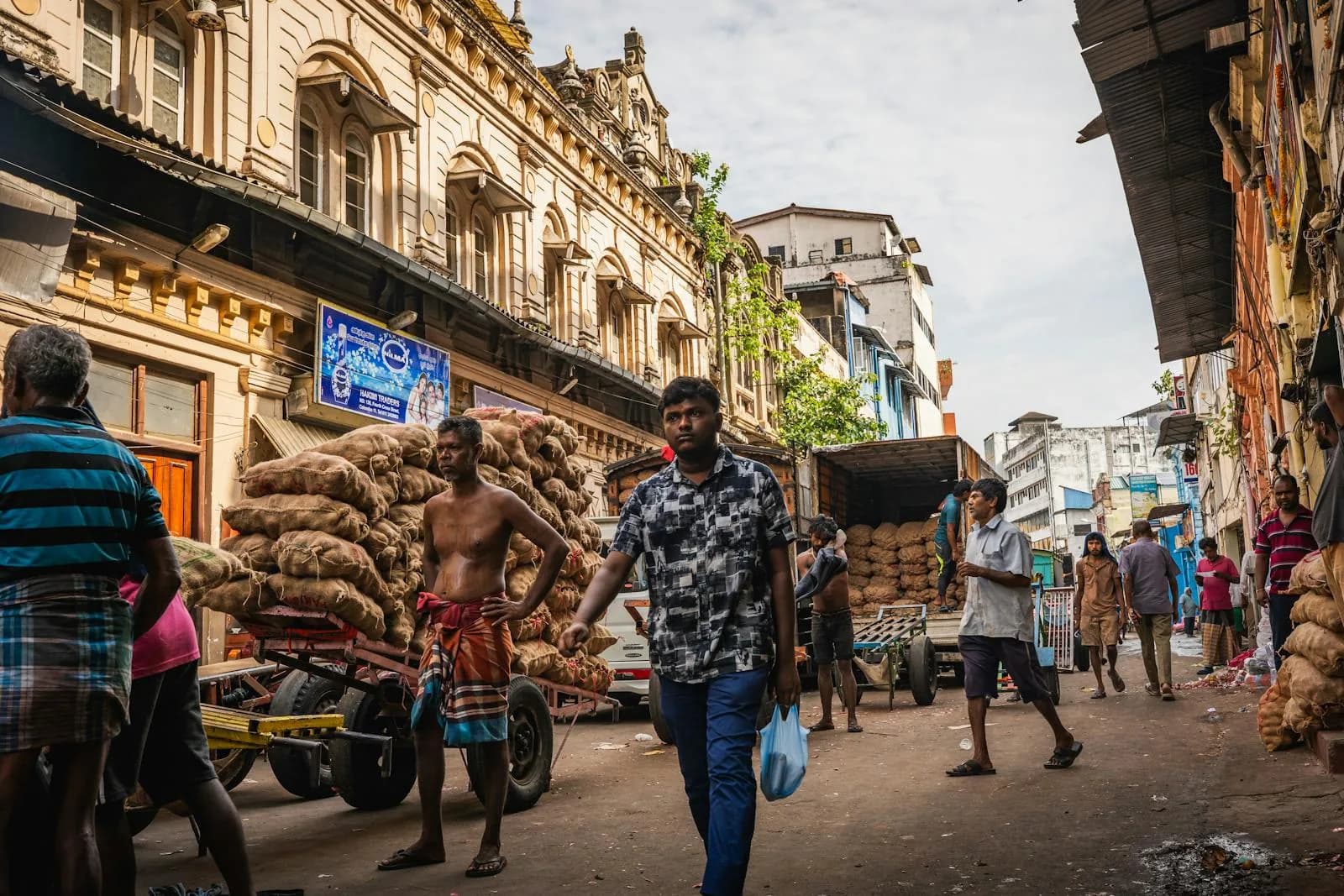
Not a destination in itself - but a useful one. The airport is 8 km from town, which makes Negombo the obvious arrival and departure point. The beach is nothing special (brown sand, some development) but the fish market is excellent, the lagoon is good for a sunset walk, and the Dutch canal area has a quiet charm.
Two nights: enough to sleep off the flight, find your bearings, and get used to tuk-tuks and the food. Don't extend unless you specifically like fishing villages.
Rating: 6/10 - Practical, not beautiful
Dambulla: Cultural Triangle Base
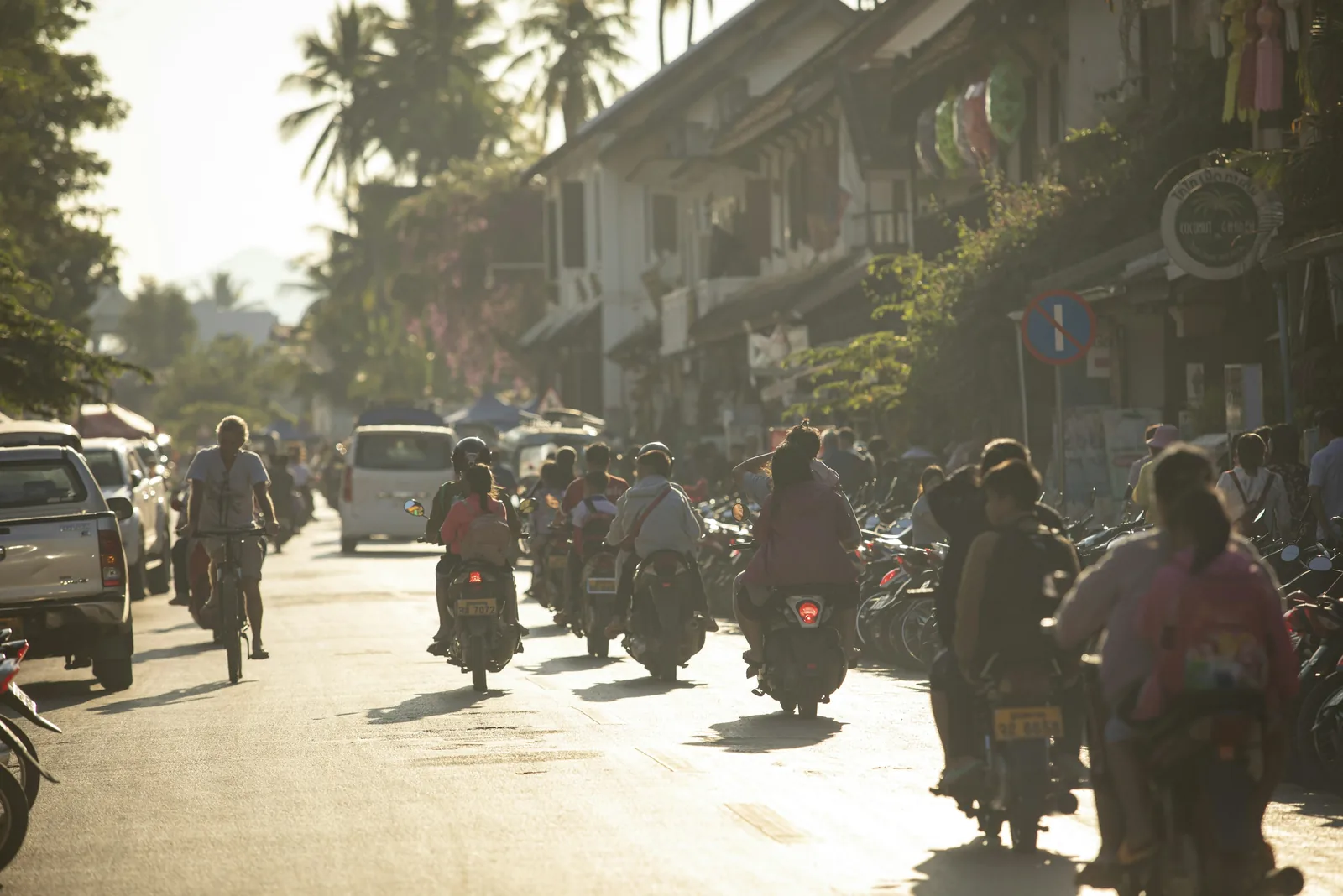
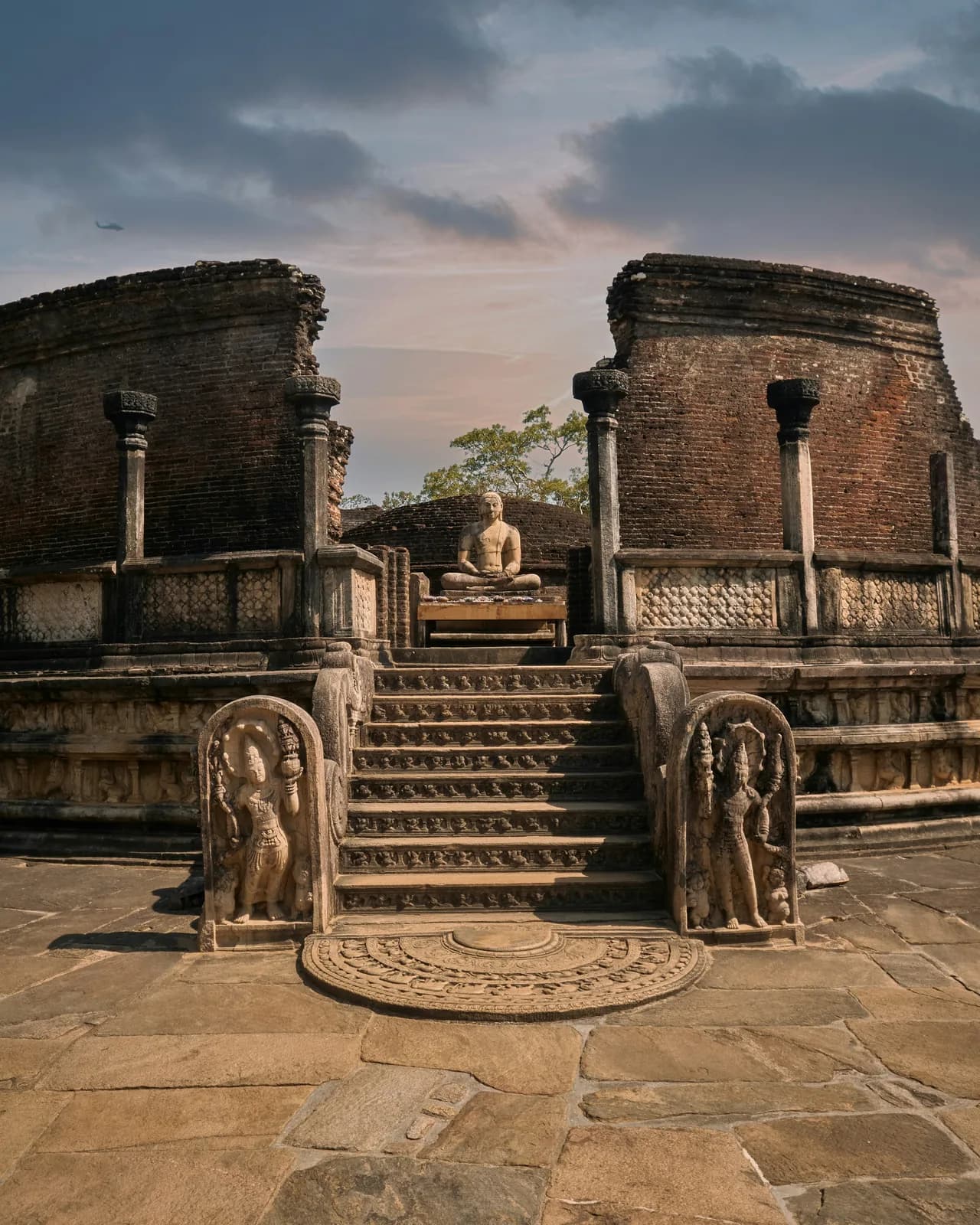
Three nights here covers the three big Cultural Triangle sites: Sigiriya Rock Fortress (30 km), Dambulla Cave Temple (in town), and Pidurangala Rock (next to Sigiriya, better views, LKR 1,000 entry). The Cave Temple at Dambulla is also worth visiting on a cooking class evening - Roy's Villa in Sigiriya runs one that gets consistently excellent reviews.
Habarana (10 km south) is a slightly better base if you want to add Minneriya National Park (the elephant gathering is July–September).
Rating: 8/10 - Dense with great day trips
Kandy: More Than the Temple
Kandy is Sri Lanka's second city and the cultural capital - home to the Temple of the Tooth (the most sacred Buddhist site in Sri Lanka), Peradeniya Botanical Gardens, and the best connection point to the hill country train. Two to three nights is enough. Most things to see are in the town centre and can be covered in a day and a half.
The Kandyan dancers performance (nightly) is genuinely worth seeing. The lake walk in the evening is one of the better urban walks in Sri Lanka.
What makes Kandy memorable isn't the specific sights - it's the atmosphere. The pace is slower than Colombo, the hillside position gives the city a distinctive layered look, and the surrounding villages (Pinnawala, Peradeniya) add texture to extra nights.
Rating: 7.5/10 - Don't rush it but don't overextend
Ella: The One Where You Lose Track of Time
The most consistently loved destination on the south-central route. Ella sits at 1,041 metres in a valley between steep forested ridges, and the combination of hiking trails, a scenic train connection, viewpoint restaurants, and the famous backroads makes it the kind of place where four nights becomes six without you noticing.
Key activities: the Nine Arch Bridge (morning, before tourists), Ella Rock (3-hour hike, worth every step), Little Adam's Peak (easy hour), and the Ravana Falls and Ravana Pool Club for an afternoon. But the real recommendation is to rent a scooter and just get lost - the roads around Ella wind through tea estates, waterfalls, and small villages where people wave as you pass.
Read the complete Ella guide for hikes, accommodation, and restaurants.
Rating: 9/10 - The highlight of the hill country section
Nuwara Eliya: One Night Is Enough
The tea capital of Sri Lanka sits at 1,868 metres and is notably cooler than anywhere else on this route - bring a layer. The British colonial influence is strong (racecourse, Victoria Park, mock-Tudor hotels), which gives the place a slightly surreal quality.
A day covering the Pedro Tea Estate tour, Gregory Lake, and Horton Plains (World's End viewpoint - go before 9 am for clear views) is exactly right. One night; two if you want to do World's End properly with an early start.
Read the Nuwara Eliya guide for the full rundown.
Rating: 7/10 - Unique atmosphere, but limited staying power
Tangalle: The Secret South Coast
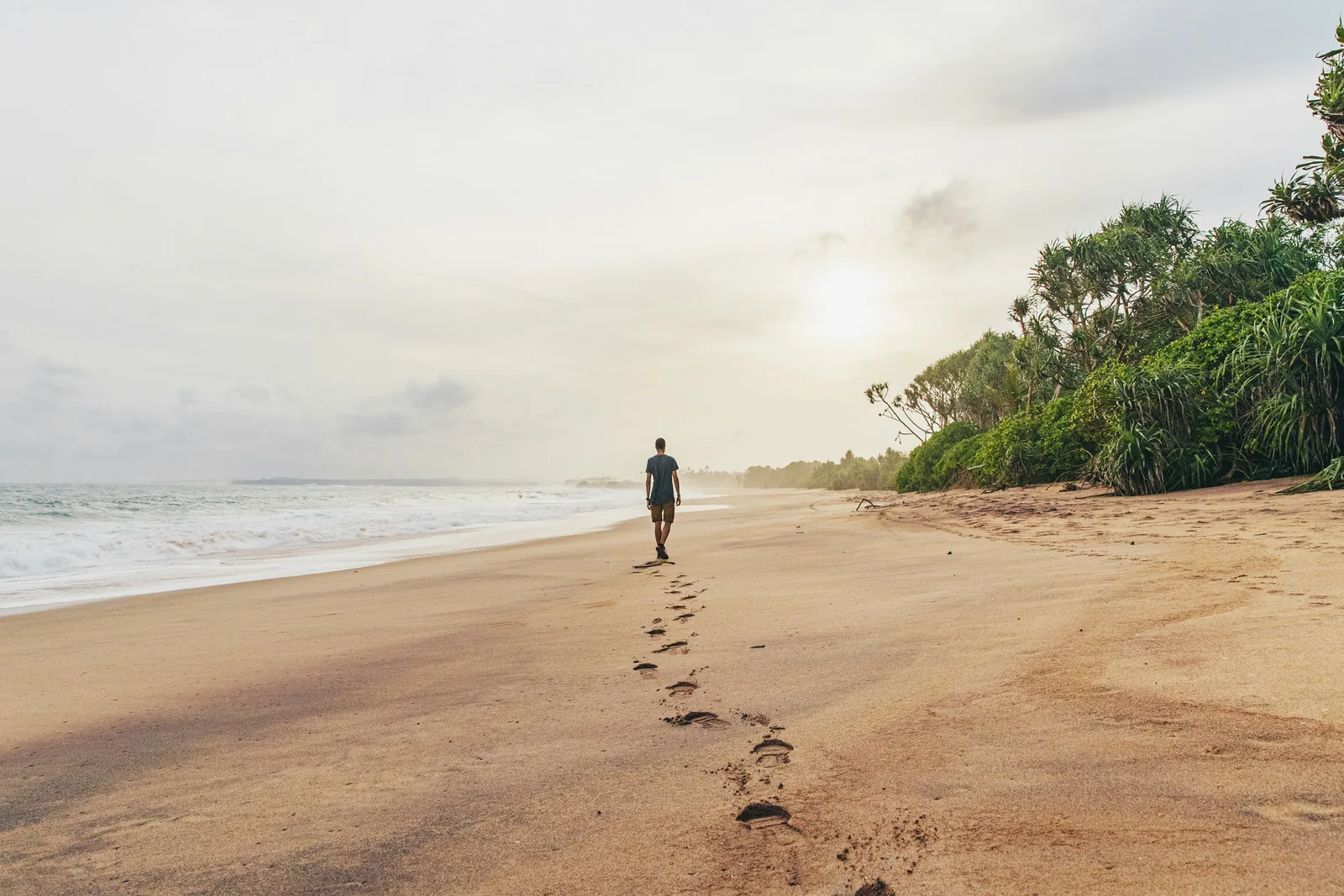
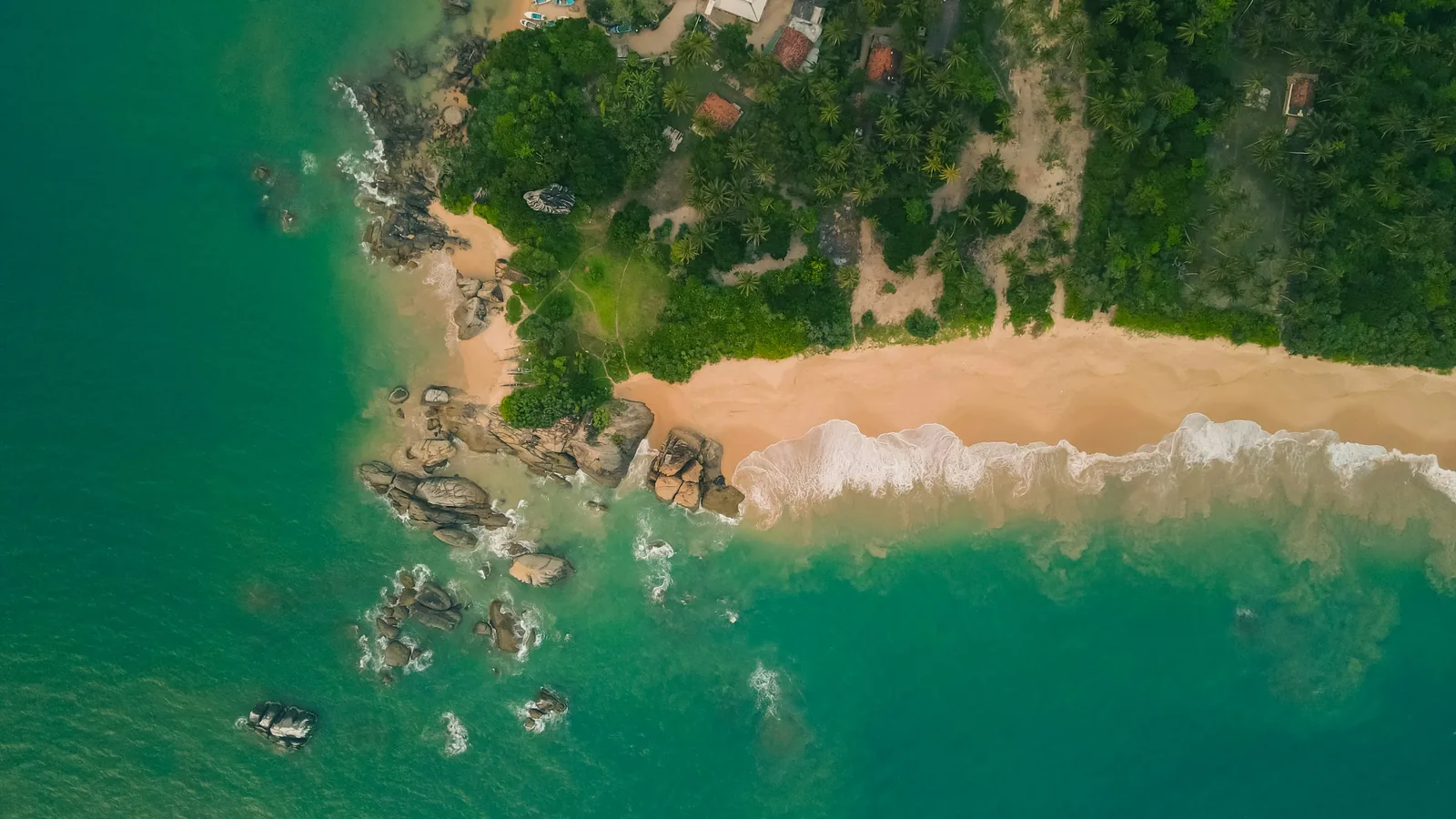
Tangalle is what the south coast looked like before Mirissa happened. It is quieter, less developed, and has a genuinely local feel - the fish is fresher, the prices are lower, and the people working in the restaurants are more interested in conversation than commission. Turtle nesting happens on some beaches here from April to September.
Accommodation ranges from beachfront guesthouses to mid-range villas. The town itself is small; life happens at the beach and at dinner.
Four nights here is restorative in a way the more-visited south coast towns are not. If you've done the hill country and the cultural triangle in the first two weeks, Tangalle is exactly what you want next.
Rating: 8.5/10 - Underrated; stay longer than planned
Hiriketiya: The Best Beach on the South Coast
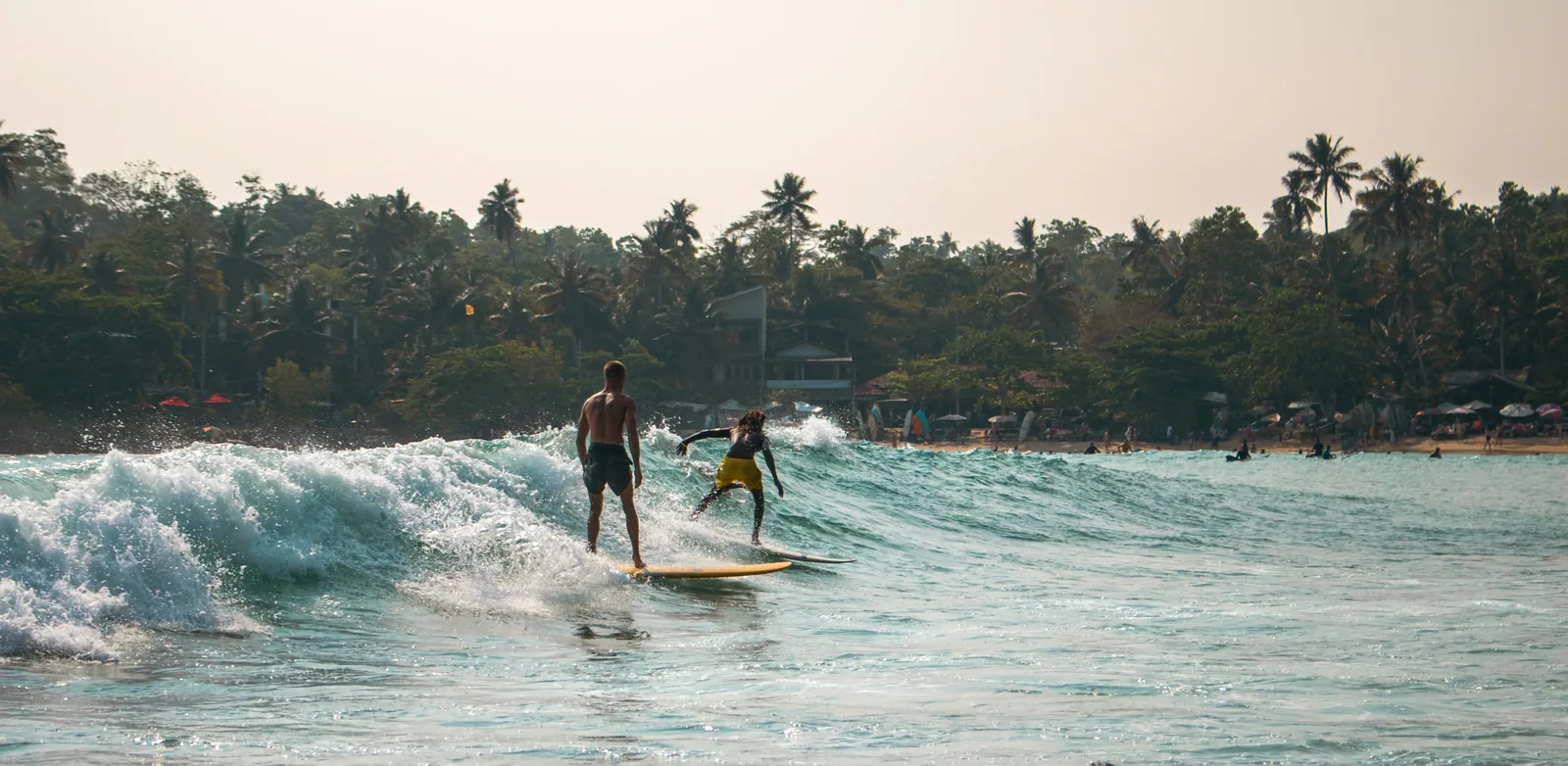
Hiriketiya is a horseshoe-shaped bay 6 km east of Dickwella - small enough that the whole beach fits in one photograph, large enough to have three surf breaks, a strong coffee-and-smoothie-bowl cafe scene, and enough accommodation to spend a week without repeating the same restaurant.
The surf is beginner to intermediate - better and more consistent than Unawatuna, less powerful than Arugam Bay. Lessons and board hire are available on the beach from multiple operators.
The crowd is young and international but not overwhelming. Hiriketiya has the specific quality of a place that experienced travellers discover and immediately wish they'd allowed more time for. Seven nights is not too many.
Rating: 9.5/10 - The best-kept secret on the south coast
Mirissa: Beautiful Beach, Busy Town
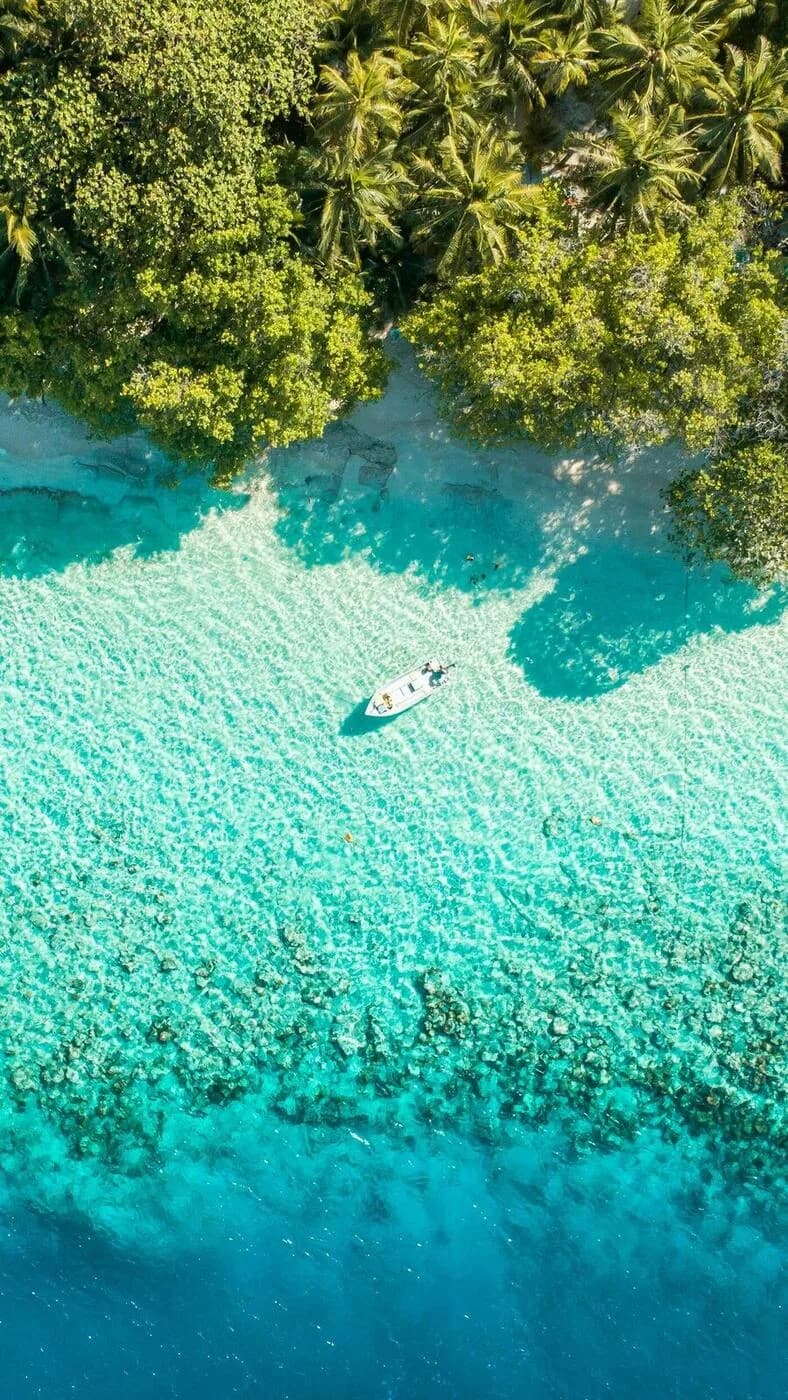
Mirissa has the finest beach on the south coast - 800 metres of sheltered bay, clear water, a coral reef within swimming distance, and the Secret Beach / Parrot Rock headland that photographs brilliantly.
It also has a well-developed restaurant and nightlife strip that can feel frenetic in peak season (December–March), a whale watching industry that departs at 6 am, and a tuk-tuk-to-tourist-shop ratio that some visitors find wearying.
The honest assessment: come for whale watching (November–April, genuinely world-class) and stay three to four nights. If you're going for the beach alone, Hiriketiya or Tangalle will give you a better experience with less noise.
Rating: 7/10 - The whale watching justifies the trip; the town atmosphere divides opinion
Budget: What a Month Actually Costs
Based on real traveller data, here is what two people typically spend over 30 days in Sri Lanka, excluding international flights:
| Category | Monthly (2 people) | Per day |
|---|---|---|
| Accommodation (mix of homestays + guesthouses) | $900–1,200 | $30–40 |
| Food (mix of local restaurants + beach bars) | $600–900 | $20–30 |
| Transport (Uber/PickMe long distances + tuk-tuks) | $300–400 | $10–13 |
| Scooter rental (when needed) | $150–200 | $5–7 |
| Activities & entrance fees | $300–400 | $10–13 |
| Miscellaneous | $200–300 | $7–10 |
| Total | $2,450–3,400 | $82–113 |
A realistic figure: $2,800 for two people for 30 days - approximately $47/day per person, or $23 each.
This assumes a mix of accommodation types (homestays, mid-range guesthouses, occasional nicer hotel), eating at a mix of local and beach-facing restaurants, and pre-booking long-distance transport via app.
International flights add $800–1,200 per person (Europe) or $600–900 (Australia/Singapore). Total trip budget for two: $5,000–6,000 is a realistic working figure.
For the Sri Lanka budget breakdown by travel style, see the full cost guide.
Transport: What Actually Works
Between cities: Uber and PickMe
Both apps operate in Sri Lanka and cover long-distance routes between major cities. The fare is visible before you confirm - no negotiation, no surprises. Colombo to Nuwara Eliya, Ella to Mirissa, Kandy to Dambulla - all bookable via app. PickMe is the local version (often cheaper); Uber is the international option (more reliable English-language interface).
Within areas: tuk-tuks
Agree the price before you get in. For any distance under 5 km, LKR 300–600 is reasonable. For a full day of tuk-tuk hire, LKR 3,000–5,000 covers most areas. The standard tourist fare is 2–3x the local rate - negotiating calmly and walking away once usually gets to a fair price.
Day-to-day exploration: scooter
Renting a scooter for 2,000–3,000 LKR/day unlocks the best version of Sri Lanka - the backroads, the villages, the roadside fruit stalls, the unexpected waterfalls. In Ella particularly, a scooter makes the difference between a good trip and a great one. An international driving permit is technically required; international licence is more practically useful.
The Kandy to Ella train
Non-negotiable. Book 1st class seats 2–4 weeks ahead via seatreservation.railway.gov.lk. Sit on the left side facing forward. This is the section of the trip everyone looks forward to - the six-hour climb through tea estates and cloud forest is legitimately one of the world's great train journeys. Read the full train guide for tickets and seat selection.
Honest Answers to Common Questions
Is Sri Lanka safe for tourists? Yes. Crime against tourists is rare. The concerns travellers express before going (touts, scams, being overcharged) are manageable with basic precautions: book accommodation ahead, use apps for transport, agree tuk-tuk prices upfront. Most visitors report no negative encounters at all.
Are ATMs reliable? Yes. Negombo on arrival and Ella mid-trip are the practical cash-up points for most itineraries. All major towns have working ATMs. Some smaller beach villages have limited banking - carry cash before you get there.
Is Mirissa worth visiting? Depends on timing and priorities. If you're there November–April and want to see blue whales, yes - the whale watching is world-class and justifies the stay. If you're visiting in May–October and want a beach holiday, Hiriketiya or Tangalle give you a better experience with a more relaxed atmosphere.
Homestay or hotel? Homestays win for authenticity and hospitality. Hosts typically go well beyond their brief - arranging transport, recommending local restaurants at local prices, cooking breakfast from scratch. Pre-booking via Booking.com or Airbnb gives you review data and cancellation protection. Walk-up rates at well-reviewed homestays often match or beat app prices.
How should I handle mosquitoes? Take a DEET-based repellent. Malaria risk is low in tourist areas but dengue fever is present, particularly in lowland and coastal areas after rain. Wear repellent at dusk. Budget accommodation without screens: bring a travel mosquito net or ask your host.
Do people speak English? Yes, more widely than in most of Asia. English is taught in schools and is the working language of the tourism industry. In small villages and rural areas, Sinhala is dominant - a few basic phrases (ayubowan for hello, stutiy for thank you) go a long way and are genuinely appreciated.
Frequently Asked Questions
Is one month enough time for Sri Lanka? One month is ideal - long enough to move slowly and actually experience each place, short enough that you won't run out of new things to see. Several travellers who go for a month extend to three or four. If you can only manage two weeks, the 2-week Sri Lanka itinerary covers the essential circuit.
What is the best base for the south coast? Hiriketiya for beach and surf; Tangalle for peace and quiet; Mirissa for whale watching. Most travellers do Tangalle then Hiriketiya then Mirissa in that order, moving west toward Colombo/Negombo for the return flight.
Which is better: Hiriketiya or Mirissa? For most travellers visiting outside whale watching season, Hiriketiya is the better stay. The bay is smaller and more intimate, the surf is more consistent, the cafe scene is better, and the overall atmosphere is less commercial. Mirissa has the better beach but a busier, more transactional feel in peak season.
Can I do Sri Lanka in a month as a solo traveller? Absolutely. Sri Lanka is one of the best solo destinations in Asia - the people are genuinely friendly and curious, the transport infrastructure (once you understand Uber/PickMe and the train system) is logical, and the concentration of other travellers at hostels and homestays means meeting people is easy. Female solo travellers report uniformly positive experiences with sensible precautions (dress modestly at religious sites, use app-based transport at night).
What is the best time of year for a month in Sri Lanka? December–March is peak season for the south coast and Cultural Triangle - dry, warm, busy. May–September is better for the east coast (Arugam Bay, Trincomalee) when the south coast is wetter. The hill country is accessible year-round. Most one-month itineraries travelling the classic circuit (Negombo → Cultural Triangle → Hill Country → South Coast) work best from November to April.
What should I know about tuk-tuks before I go? Always agree the price before getting in. For short distances (under 5 km), LKR 300–500 is typical in smaller towns; LKR 600–1,000 near tourist sites. Drivers near major attractions charge tourist rates - a short walk away from the site entrance brings prices down significantly. Use Uber or PickMe for longer journeys to avoid negotiation entirely.
Related Guides
- Why Sri Lanka is the Smartest Long-Haul Choice for European and Australian Travellers in 2026
- Sri Lanka Insider Travel Tips: What Locals Know That Most Guides Won't Tell You
- Is Sri Lanka Safe for Tourists in 2026? The Honest Guide
- 10-Day Sri Lanka Itinerary: The Perfect Route for First-Timers (2026)
Advertisement
Flights, hotels and tours - all in one place.
Plan Your Sri Lanka Trip
Find the best price to Colombo from your city
Search Flights →Compare prices across Booking.com, Agoda & more
Find Hotels →Bus fares, train times and transport options
Plan Transport →Powered by Travelpayouts · We may earn a small commission at no extra cost to you.
Leave a Comment
Share your thoughts, questions, or travel experiences