Tip
Short answer: Yes. Sri Lanka is a safe destination for tourists. The civil war ended in 2009. The 2019 Easter Sunday bombings were a single, anomalous event and the security situation has since returned to normal. US, UK, and Australian government travel advisories all rate Sri Lanka at Level 1 ("Exercise Normal Precautions"). The real risks are what you'd find anywhere in South Asia: road accidents, ocean rip currents, petty scams at tourist sites, and the occasional digestive misadventure from unfamiliar food.
Sri Lanka consistently ranks as one of the friendlier destinations in Asia for independent travellers. Violent crime against tourists is rare. Locals are genuinely welcoming - the country's hospitality culture runs deep, and strangers stopping to offer directions or help is a normal occurrence. Most travellers finish a trip saying the people were the highlight.
That said, "safe" doesn't mean "risk-free." There are specific scams, road hazards, and coastal dangers that catch unprepared visitors every season. This guide covers them all honestly.
Tip
Our take: We have travelled solo, as couples, and in mixed groups across all nine provinces of Sri Lanka. The consistent finding: it is one of the safest countries in Asia for international visitors. The main risks are traffic (winding roads, variable driving standards) and petty opportunism in busy tourist areas - not violent crime.
The Overall Picture
Sri Lanka has been a functioning, peaceful democracy since the end of its civil war in May 2009. The conflict - which ran for 26 years - was concentrated in the north and east and was largely a military/political conflict rather than a threat to civilian visitors. Even during the war years, the main tourist circuit (Colombo, Kandy, Ella, Yala, Galle) was largely unaffected.
The 2019 Easter Sunday bombings (three churches and three hotels, 267 deaths) were a serious event and understandably shook visitor confidence. But they were an isolated attack by a domestic extremist group, not representative of ongoing instability. Tourism recovered substantially by 2023, and the security environment has returned to pre-2019 normalcy.
If you're coming from further afield, our guide for European and Australian travellers covers flight routes, jet lag, and what to expect on arrival.
The 2022 economic crisis - fuel shortages, power cuts, political protests - created a difficult period for both locals and tourists. The economic situation has since stabilised significantly, though inflation remains elevated and some shortages persist. It no longer meaningfully affects tourist travel.
Current government travel advisories (2026):
| Country | Advice |
|---|---|
| United States (State Dept) | Level 1 - Exercise Normal Precautions |
| United Kingdom (FCDO) | No advisory against travel |
| Australia (Smartraveller) | Exercise Normal Safety Precautions |
| Canada (Global Affairs) | Exercise Normal Precautions |
Road Safety: The Real Risk
If anything poses a genuine risk to travellers in Sri Lanka, it's the roads. Sri Lanka has a high rate of road accidents by global standards, driven by:
- Aggressive overtaking on narrow mountain roads
- Mixed traffic (tuk-tuks, buses, trucks, cyclists, animals) on the same roads
- Long-distance bus drivers with poor records
- Pedestrian crossings that are advisory at best
How to manage road risk:
- Hire a driver with a proven safety record. Ask your guesthouse for recommendations rather than booking the cheapest option. A good driver is worth the premium.
- Avoid overnight buses on mountain roads (Kandy–Ella, Colombo–Ella). Night driving on mountain roads is the highest-risk situation. Take the train instead.
- Don't ride motorbikes in heavy traffic. Renting a scooter in Ella or Galle for exploring quiet roads is fine. Riding one into Colombo is not.
- Train over bus for long-haul journeys. Sri Lanka's railway is slow but the safest long-distance option. The Kandy–Ella train is both the most scenic and one of the safest ways to cross the hill country.
Ocean Safety
Sri Lanka's coastline is beautiful but requires attention. Rip currents and strong surf cause drowning deaths each year, predominantly during the southwest monsoon (May–October on the south and west coasts).
Key rules:
- Respect the flag system. Red flag = dangerous, don't enter. Yellow = swim with care. Green = safe. Flags are enforced at some beaches and advisory at others - always ask locals.
- South coast during monsoon (May–October): Mirissa, Unawatuna, Hikkaduwa, Weligama, and Tangalle can have dangerous rip currents and large surf. Check conditions before swimming.
- East coast (Arugam Bay, Trincomalee) is calmer during the southern monsoon - this is precisely why east coast beaches peak in May–September.
- Don't swim at night. Even calm beaches have no lifeguards after dark.
Scams to Know
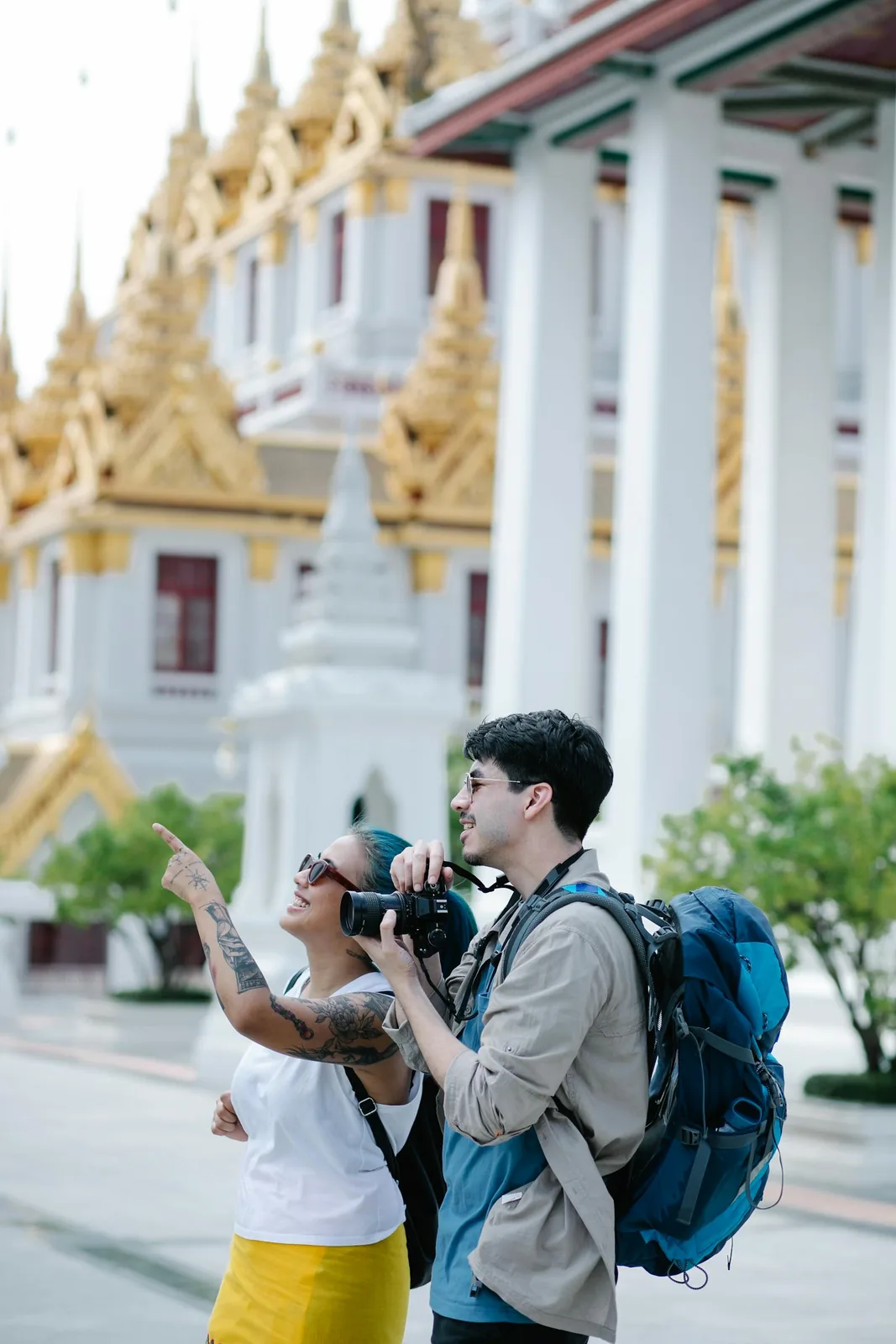
Sri Lanka doesn't have the aggressive tout culture of some South Asian destinations, but there are a handful of recurring scams that catch thousands of visitors each year.
The Gem Shop Redirect
Where: Near Kandy, Galle Fort, and Sigiriya
How it works: Your tuk-tuk driver, a "friendly local," or someone claiming a site is "closed today" offers to take you to their cousin's gem shop, batik shop, or spice garden first. The shop gives the driver a commission on anything you buy (often 30–50%), which gets added invisibly to your price.
Avoid it: If someone tells you a major attraction is closed, verify independently. If your driver keeps stopping "just for a moment," you can simply say no.
The Temple Closed / Special Ceremony Scam
Where: Kandy (Temple of the Tooth area)
How it works: A man in smart clothes tells you the Temple of the Tooth is closed for a special ceremony and offers to take you to another temple. The other temple is real but aggressively solicits donations.
Avoid it: The Temple of the Tooth opens at 5:30 am daily without exception. Check the official hours and walk in.
Tuk-Tuk Price Inflation
Where: Everywhere, especially Colombo and Galle
How it works: Standard practice is to agree a price before getting in. Drivers quoting prices to foreign tourists often start 3–5× higher than the local rate.
Avoid it: Use Uber or PickMe (both operate in most cities and charge metered rates). If taking a tuk-tuk, negotiate before you get in and know approximate local rates. From Colombo city to the airport, for example, should be around LKR 2,500–3,500 by PickMe.
Currency Exchange at Unofficial Booths
Where: Tourist areas
How it works: Unofficial changers offer slightly better rates but short-change the count or swap bills.
Avoid it: Use ATMs (Visa/Mastercard widely accepted) or licensed exchange desks at banks and hotels. The rate difference rarely justifies the risk.
"Free" Coconut/Fruit at the Beach
Where: South coast beaches
How it works: A vendor hands you a coconut unprompted and then demands an inflated price when you've finished it.
Avoid it: Always ask the price before accepting anything. "How much?" before touching it.
Solo Female Travel
Sri Lanka is considered one of the safer South Asian destinations for solo female travellers, though the usual regional cautions apply.
Generally safe:
- Travelling alone during daylight hours
- Taking trains and buses
- Staying in guesthouses and hostels
- Visiting temples and tourist sites
- Beach areas during the day
Take more care:
- Walking alone on beaches after dark
- Accepting rides from strangers who approach you
- Being out alone very late in non-tourist areas of Colombo
- Visiting very remote areas without a clear plan
Dress code at religious sites: Covered shoulders and knees are required at temples and at religious sites throughout Sri Lanka. This applies to all genders - keeping a light scarf or sarong in your bag makes transitions easier. See the Sri Lanka temple etiquette guide for specifics.
General advice: Most female solo travellers report overwhelmingly positive experiences in Sri Lanka. The main nuisance-level issues are persistent offers of help from men near tourist sites (firmly decline and keep walking) and occasional staring in rural areas. Serious harassment is rare.
Health and Medical
Drinking Water
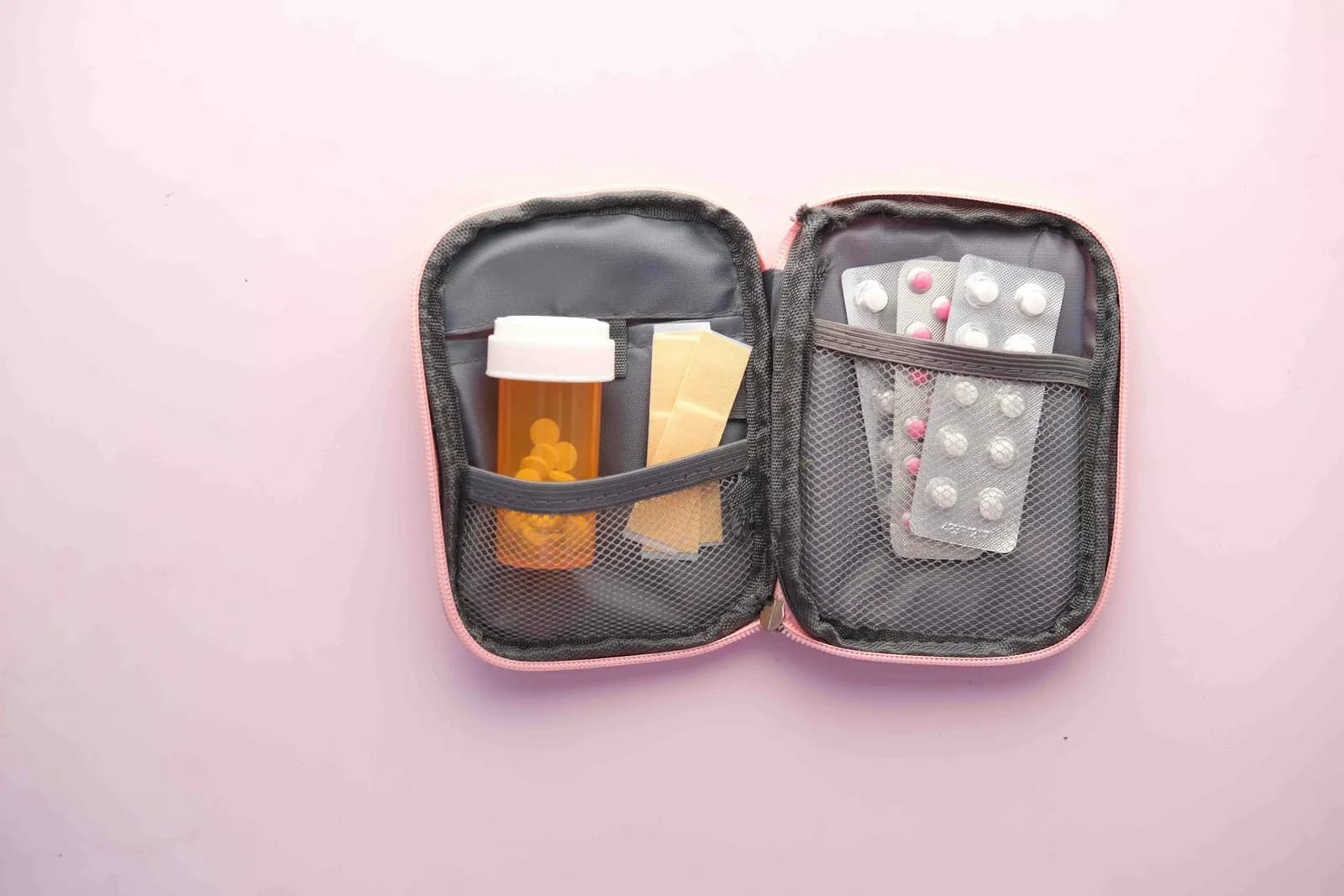
Don't drink tap water. Bottled water is cheap (LKR 50–80 for 1 litre) and universally available. Some guesthouses provide filtered water free. Ice in restaurants is generally made from filtered water in tourist areas but use judgment in rural places.
Food Safety
Sri Lankan food is generally safe. The standard advice: choose busy restaurants, avoid seafood that's been sitting out, and don't eat street food that's been pre-cooked and left for hours. Your stomach will likely need a few days to adjust to the spice levels regardless of food safety.
Mosquitoes and Dengue
Dengue fever exists in Sri Lanka year-round, with higher rates in the rainy season. Use mosquito repellent (DEET-based), sleep with a fan running or mosquito net, and avoid standing water near accommodation.
Malaria: Present in some northern and eastern regions but not in the main tourist areas (Colombo, Kandy, Ella, Galle, Yala). Consult your doctor about prophylaxis if travelling to remote northern areas.
Medical Facilities
- Colombo: Excellent private hospitals (Lanka Hospital, Nawaloka, Asiri) with international-standard care and English-speaking doctors
- Kandy, Galle, Matara: Adequate medical facilities for most needs
- Rural areas and hill country: Limited facilities; serious cases need transfer to Colombo
- Medical evacuation insurance is strongly recommended for any active itinerary (climbing, surfing, wildlife) that takes you far from Colombo
Natural Hazards
Tsunami Awareness
Sri Lanka was devastated by the 2004 Indian Ocean tsunami. The island now has a tsunami early warning system, and coastal hotels post evacuation routes. In practice, tourists should simply be aware: if you feel a large earthquake while near the coast, move inland immediately to high ground without waiting for official alerts.
Heat and Sun
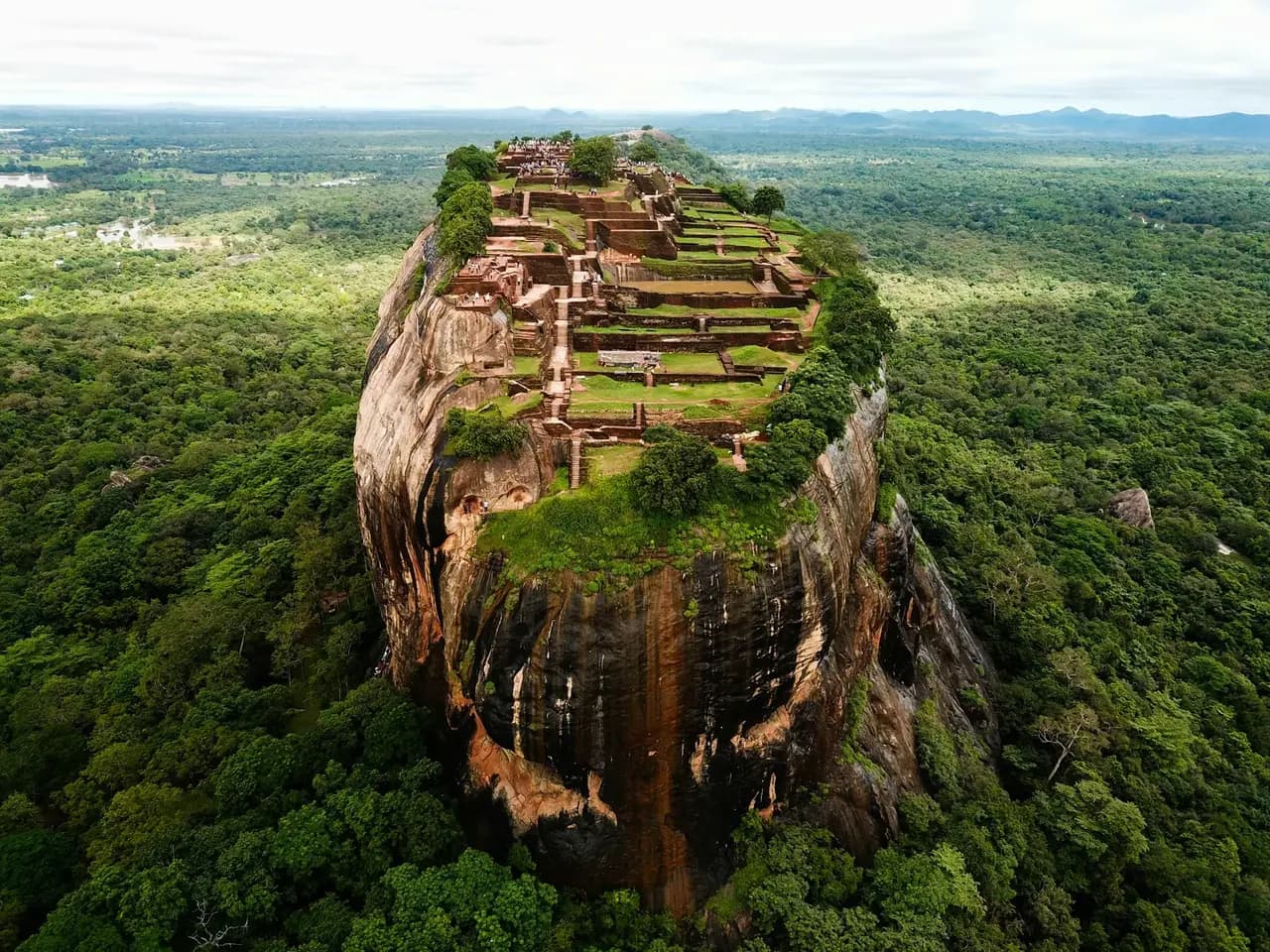
The Sigiriya climb and other exposed outdoor activities are underestimated heat risks. Carry at least 1 litre of water per person, wear a hat, and avoid the full midday sun (11 am–2 pm) for strenuous activity. Heat exhaustion is the most common medical issue reported by visitors.
Monsoon Rains
Heavy rain is intense but usually short. The bigger hazard is flash flooding in hill country and landslides on steep roads after sustained rainfall. If you're in the hill country (Ella, Nuwara Eliya, Kandy) during heavy rain season, check road conditions before travelling on mountain roads.
Emergency Contacts
| Service | Number |
|---|---|
| Police emergency | 119 |
| Ambulance | 110 |
| Fire & Rescue | 111 |
| Tourist Police Hotline | 1912 |
| Coast Guard | 011-2-435176 |
The Tourist Police Hotline (1912) is specifically for visitor assistance - English-speaking officers, available around the clock. If you're scammed, robbed, or need non-emergency help, this is your first call.
Most guesthouses will help with emergency situations - Sri Lankan hospitality extends to genuine assistance in a crisis.
The Honest Safety Breakdown by Activity
Road travel: The most significant actual risk in Sri Lanka. Roads in the mountains (Kandy–Ella, Ella–Nuwara Eliya) are narrow, winding, and shared with trucks, buses, and tuk-tuks that overtake on blind corners. Fatal accidents involving tourists in hired vehicles occur every year. If you are self-driving, drive extremely defensively. If you are being driven, choose an experienced driver and don't feel awkward asking them to slow down.
Ocean swimming: Rip currents along Sri Lanka's south and west coast are responsible for tourist drownings every season. The flag system at main beaches is reliable - red means stay out. The most dangerous areas are beaches with no lifeguard presence. Never swim alone at an unpatrolled section, and always ask locals about conditions before entering the water.
Wildlife encounters: Elephants encountered on roads (especially the Habarana corridor and Minneriya area at night) are genuinely dangerous. Do not get out of a vehicle near wild elephants. At national parks, stay inside the jeep. Safari operators know this, but tourists sometimes forget in excitement.
Petty crime at tourist sites: Not dangerous but reliably present. The tuk-tuk gem shop redirect (driver takes you to a commission shop instead of your destination), the fake tour guide near Sigiriya, and the closed temple scam near Kandy are well-documented. Awareness is the defence - you cannot be robbed of something you did not offer.
Dengue fever: A genuine health risk, not a scare story. Dengue-carrying mosquitoes are present year-round. The risk increases after heavy rain and in the Cultural Triangle area. Use DEET repellent consistently at dawn and dusk. One hospitalisation due to dengue typically costs USD 300–800 - adequate travel insurance is essential.
What Sri Lanka's Safety Rating Actually Means
Sri Lanka typically sits at Level 1 on most Western government travel advisories (same as Germany, Japan, New Zealand). This means: exercise normal precautions. It is not a high-risk destination.
For context, Thailand - which receives vastly more tourists and is rarely questioned as a destination - has similar or slightly higher traffic fatality rates per kilometre driven. The practical risks in Sri Lanka are ordinary travel risks, not conflict, political instability, or targeted crime against tourists.
The 2019 Easter Sunday bombings resulted in temporary Level 3 or 4 advisories. All major government advisories have since returned to Level 1 or equivalent. The security environment is normal.
Is Sri Lanka Safe? Frequently Asked Questions
Is Sri Lanka safe to visit in 2026? Yes. All major Western government travel advisories rate Sri Lanka as Level 1 (exercise normal precautions). Violent crime targeting tourists is rare. The main risks are road accidents, ocean currents, and petty tourist scams - all manageable with basic awareness.
Is Sri Lanka safe for solo female travellers? Generally yes. Sri Lanka is considered one of the more comfortable South Asian destinations for solo female travel. Take the standard precautions you would anywhere: don't walk alone on beaches at night, decline persistent offers of help from strangers near tourist sites, and dress modestly at religious sites.
Is Sri Lanka safe after the 2019 Easter bombings? Yes. The 2019 bombings were an isolated attack. Security has returned to normal and the travel advisories have been returned to standard levels. The sites that were targeted (hotels and churches) have reopened.
Is the water safe to drink in Sri Lanka? Tap water is not safe to drink. Use bottled water or filtered water. Ice in tourist-area restaurants is generally made from filtered water but it's reasonable to skip ice in very rural places.
What are the biggest scams in Sri Lanka? The gem shop redirect (tuk-tuk takes you to a commission shop) and the temple closed scam (telling you the Temple of the Tooth is shut) are the most common. Use Uber/PickMe for transport and verify opening times independently.
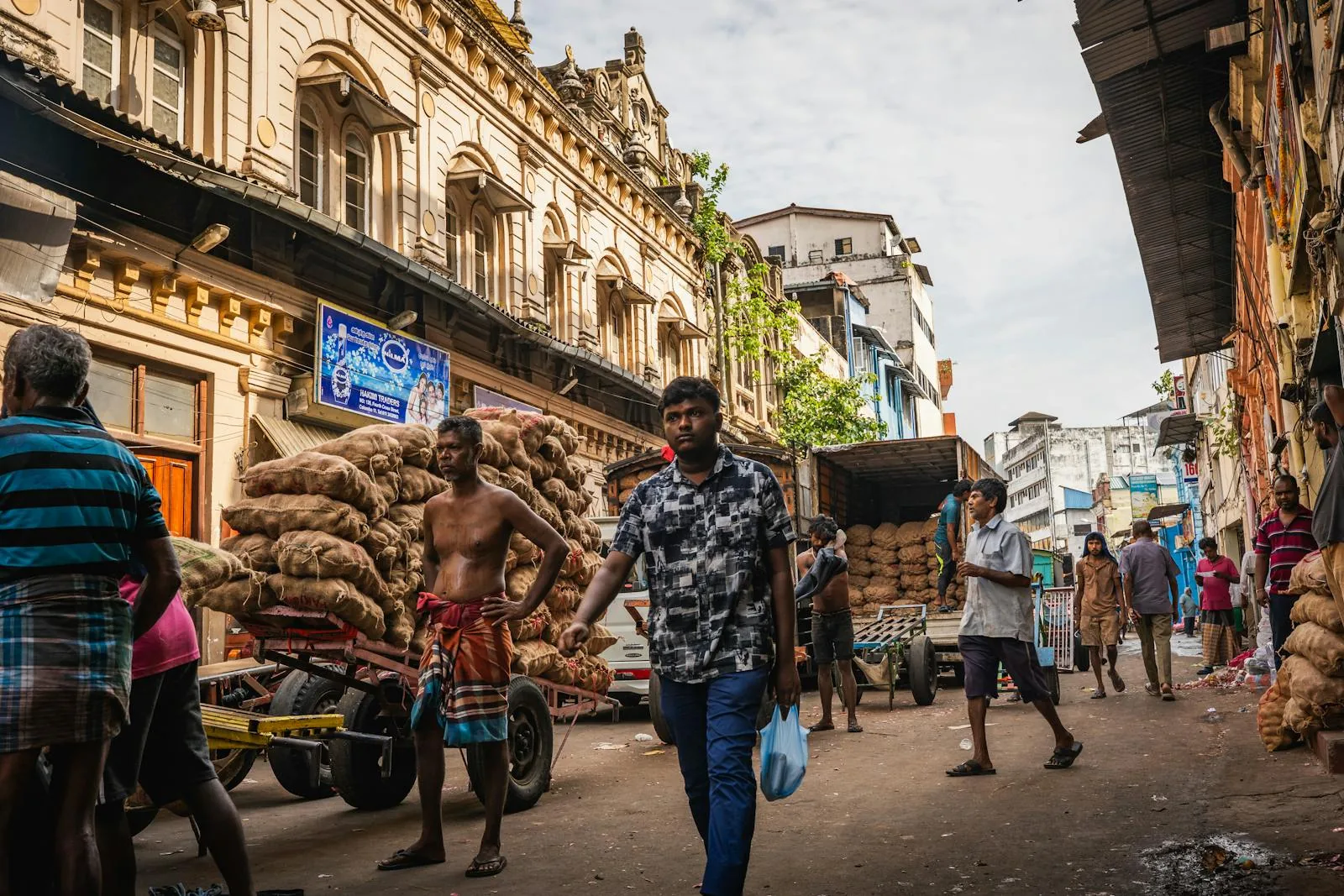
Is Colombo safe? Yes. Colombo is a normal South/Southeast Asian capital city. The main tourist areas (Fort, Pettah, Galle Face Green, Colombo 3/7) are safe during the day. Use standard city precautions at night in unfamiliar areas.
Are tuk-tuks safe in Sri Lanka? Mostly. They're slower than cars and don't protect well in a collision, but for short city trips they're fine. For longer distances on mountain roads, a car is safer. Always agree the fare before getting in. PickMe and Uber provide metered, safer-value alternatives.
What should I do if I get sick in Sri Lanka? For minor illness, pharmacies are everywhere and well-stocked. For anything more serious, get to a private hospital in Colombo, Kandy, or Galle. Lanka Hospital in Colombo (011-5-430000) is the most internationally recognised facility. Having travel insurance that covers medical evacuation is strongly advisable.
Related Guides
- Why Sri Lanka is the Smartest Long-Haul Choice for European and Australian Travellers in 2026
- Sri Lanka Insider Travel Tips: What Locals Know That Most Guides Won't Tell You
- One Month in Sri Lanka: Real Itinerary, Costs & Honest Reviews (2026)
- Why Sri Lanka Is the Honeymoon Destination Modern Couples Are Choosing Over the Maldives
Advertisement
Flights, hotels and tours - all in one place.
Plan Your Sri Lanka Trip
Find the best price to Colombo from your city
Search Flights →Compare prices across Booking.com, Agoda & more
Find Hotels →Bus fares, train times and transport options
Plan Transport →Powered by Travelpayouts · We may earn a small commission at no extra cost to you.
Leave a Comment
Share your thoughts, questions, or travel experiences