Tip
Short answer: Bali wins on beach clubs, yoga retreats, budget infrastructure, and the specific aesthetic it has perfected. Sri Lanka wins on wildlife, cultural depth, and doing more genuinely different things in a shorter time. If you have been to Bali already, Sri Lanka offers something substantially different. If you are choosing for the first time, the decision comes down to what kind of travel you want.
Both Sri Lanka and Bali are tropical islands in the same general part of the world. Both have ancient temples, rice terraces, surf beaches, and a well-developed tourist circuit. Both cost roughly similar amounts for mid-range travel. Both have been on the "must-visit" list for independent travellers for decades.
But they are genuinely different experiences, and the comparison is worth doing properly rather than reducing to "which one is better" - because the right answer depends entirely on the traveller.
This guide was written on the assumption that you are trying to decide between the two, and you want honesty rather than promotional copy.
The Headline Difference
Bali has had 40 years to develop a tourism infrastructure around specific categories: wellness retreats, beach clubs, surf breaks, rice terrace photography, and upscale villa stays. It has optimised for these things and does them exceptionally well. Canggu's café scene and Seminyak's beach clubs are polished products.
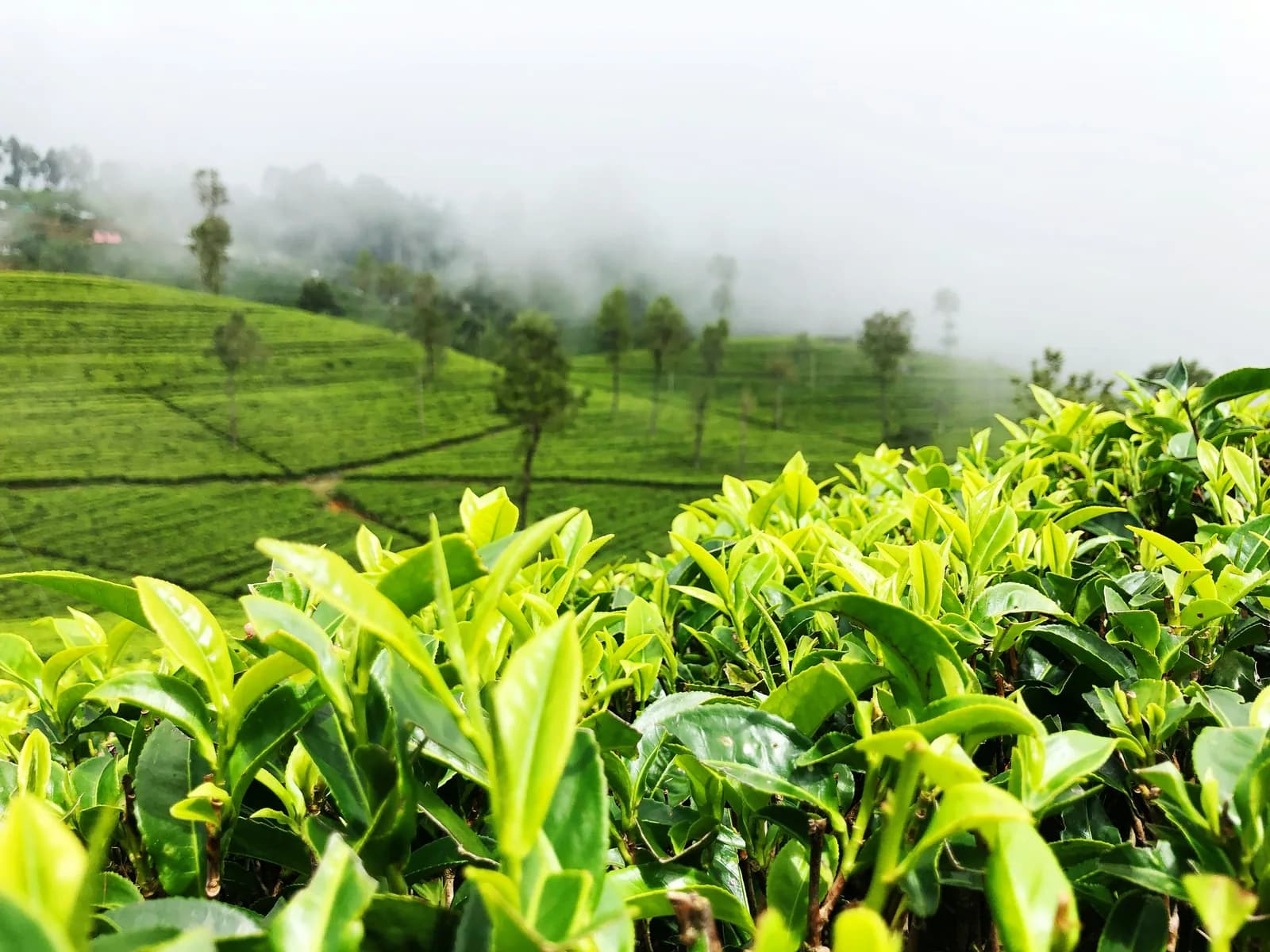
Sri Lanka is a more complex country to visit. It has not optimised for any single type of tourism. Instead it has an extraordinary range of things - wildlife safaris, 8 UNESCO World Heritage Sites, a 833-mile coastline with four distinct characters, the highest tea production in the world, and a Buddhist culture that predates European history by 2,000 years. None of it is as seamlessly packaged as Bali. All of it is more varied.
Beaches
Bali
Bali's beach reputation is based primarily on Kuta, Seminyak, Canggu, and the Bukit Peninsula (Bingin, Padang Padang, Uluwatu). These are surf beaches, not swimming beaches - the Indian Ocean swell that hits Bali's south coast is powerful, and currents that have killed experienced swimmers are well-documented. The beach experience in Bali is less about swimming and more about beach clubs, surf sessions, and the scene.
If you want calm, clear water for swimming, Nusa Lembongan (accessible by fast boat from Sanur) or the northeast coast (Amed, Tulamben) are better options - but they require additional travel time.
Sri Lanka
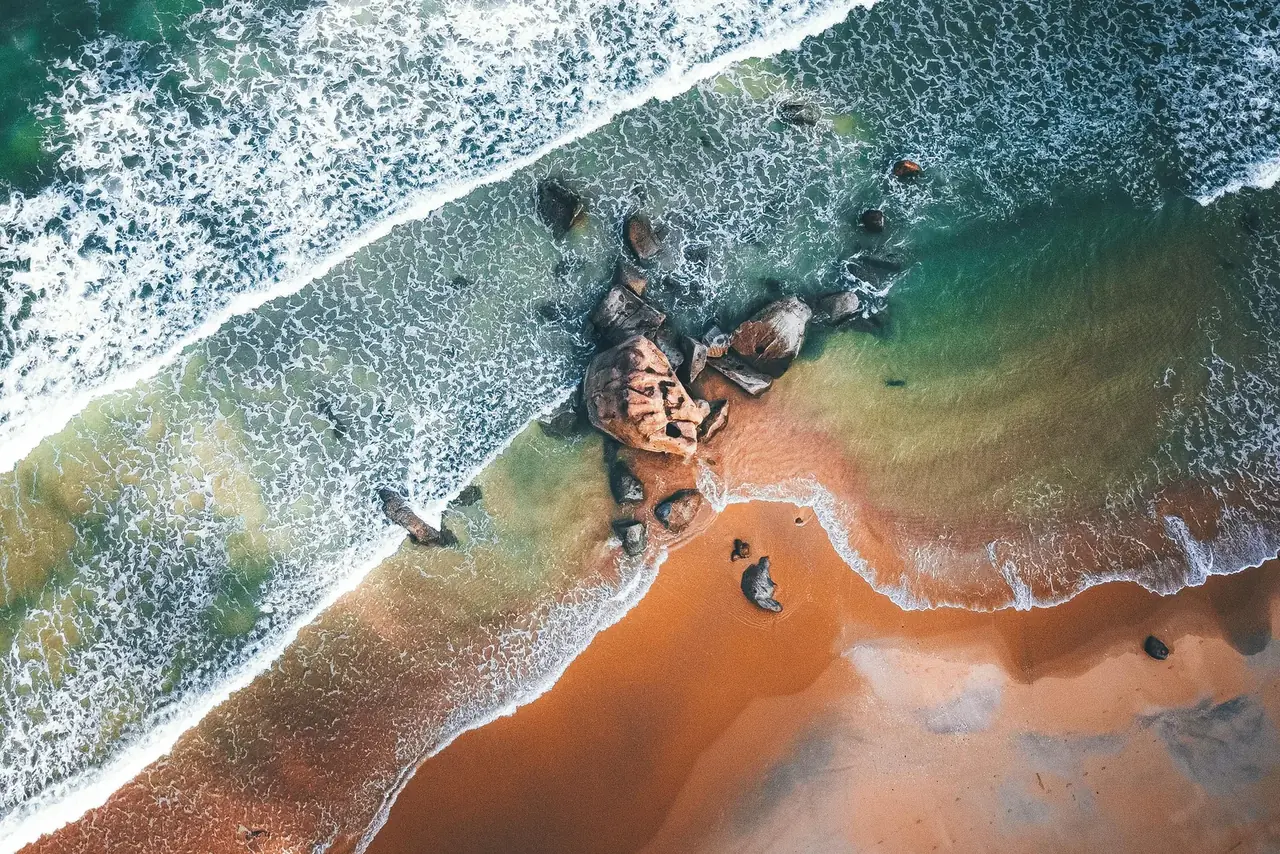
Sri Lanka's coastline is longer, more varied, and - for much of it - emptier than Bali's. The south coast (Mirissa, Unawatuna, Hiriketiya) offers calm bays and surf breaks. The east coast (Arugam Bay, Nilaveli, Uppuveli near Trincomalee) has white sand beaches that on weekdays in season are almost deserted.
Arugam Bay's main point break is considered one of the top 10 surf spots in Asia - a long right-hander that Bali's beach breaks cannot match for wave quality. Nilaveli beach near Trincomalee, a 5 km stretch of white sand with almost no development, does not have a Bali equivalent.
Verdict: For beach club life and the surf scene, Bali. For empty white sand, quality surf waves, and snorkelling, Sri Lanka - particularly the east coast. Sri Lanka's beaches are better for swimming (calmer water, less dangerous currents at most south and east coast beaches).
Wildlife
Bali
Bali is not a wildlife destination. The Bali Safari Marine Park is a commercial facility. The Sacred Monkey Forest in Ubud is genuinely interesting - long-tailed macaques in a forested temple complex - but it is not a wildlife encounter in any meaningful sense. Offshore, the Manta Point near Nusa Penida is legitimately excellent for manta ray snorkelling, and Tulamben has an accessible USS Liberty wreck for divers.
Sri Lanka
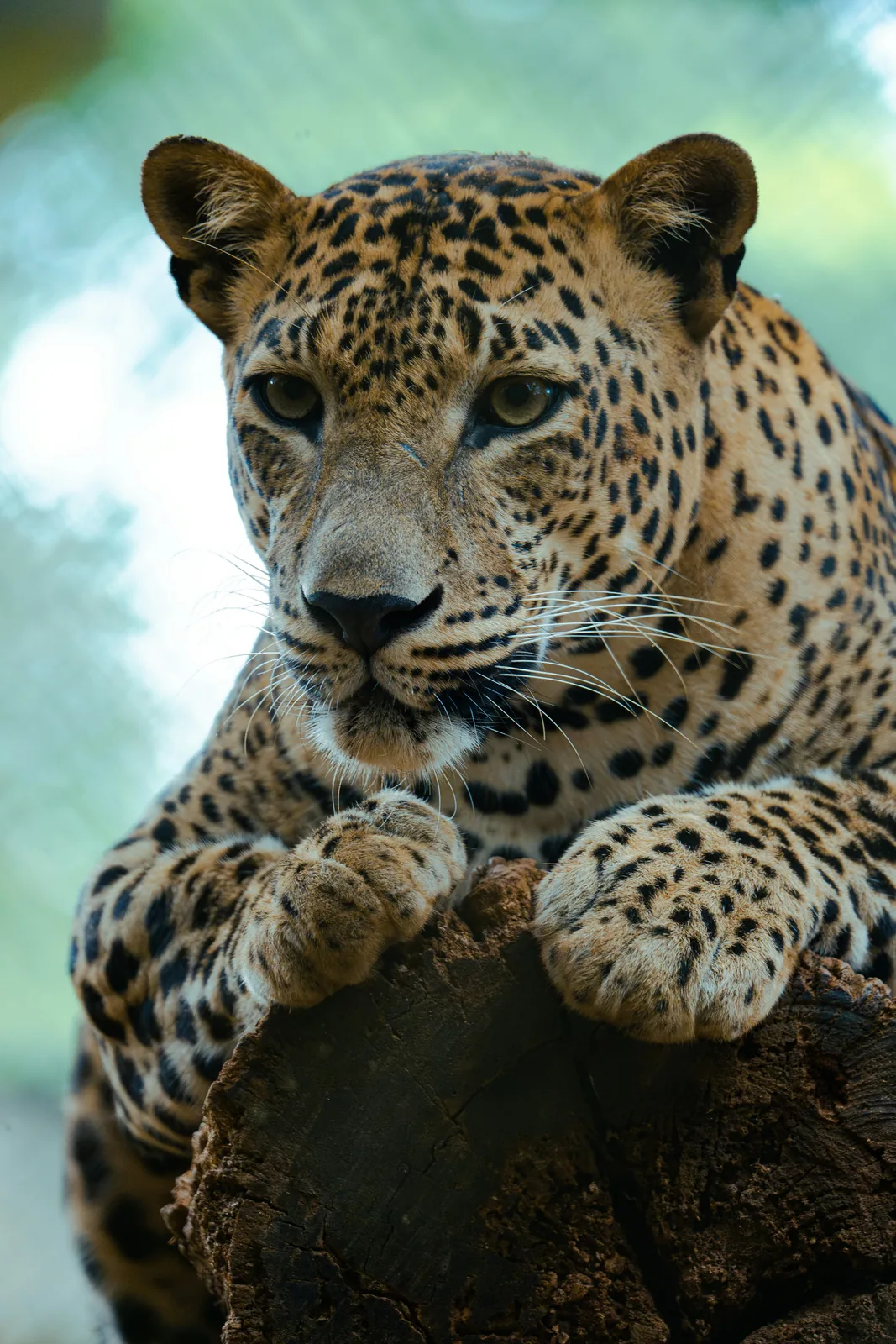
Sri Lanka's wildlife position is different in kind, not just degree. The island has the world's highest density of wild leopards (Yala National Park), wild elephant populations numbering in the thousands (Minneriya, Kaudulla, Udawalawe), blue whale sightings reliably from tourist boats off Mirissa, spinner dolphins almost everywhere on the east coast, and nesting sea turtles on several south coast beaches.
Yala National Park produces leopard sightings on roughly 70% of morning safari attempts - a statistic that even African safari operators note with respect. The combination of leopards, elephants, sloth bears, saltwater crocodiles, and hundreds of bird species in a single national park has no equivalent in South-East Asia.
The Minneriya elephant gathering in July-September, when 150-300 wild elephants gather at a single tank to graze, is one of the great wildlife spectacles in Asia.
Verdict: Sri Lanka is one of the best wildlife destinations in Asia. Bali has almost no wild wildlife. This is the sharpest difference between the two destinations.
Culture and History
Bali
Bali has a distinctive Hindu culture - unique in Indonesia as the country's only majority Hindu island - and the religious landscape is extraordinary. The Mother Temple of Besakih on the slopes of Mount Agung, the water temples system, the daily flower offerings placed everywhere, the elaborate cremation ceremonies that happen without warning in villages. Ubud is the cultural centre and has good galleries, dance performances, and cooking classes.
Bali's culture is genuinely impressive and worth experiencing. The temple ceremonies are more accessible to visitors than many similar traditions elsewhere. The rice terrace system at Tegalalang and Jatiluwih is a UNESCO-listed agricultural landscape that does not disappoint in person.
Sri Lanka
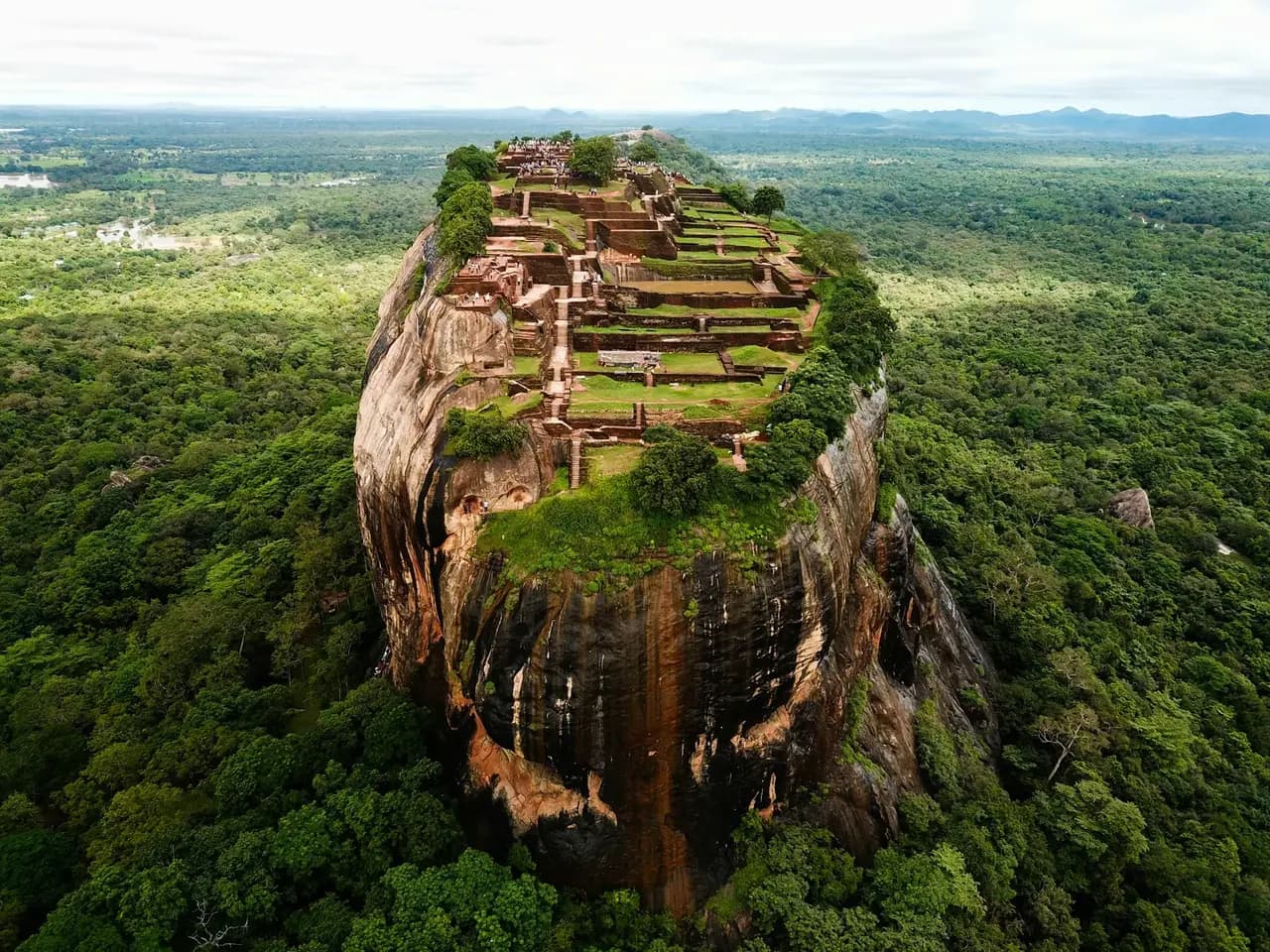
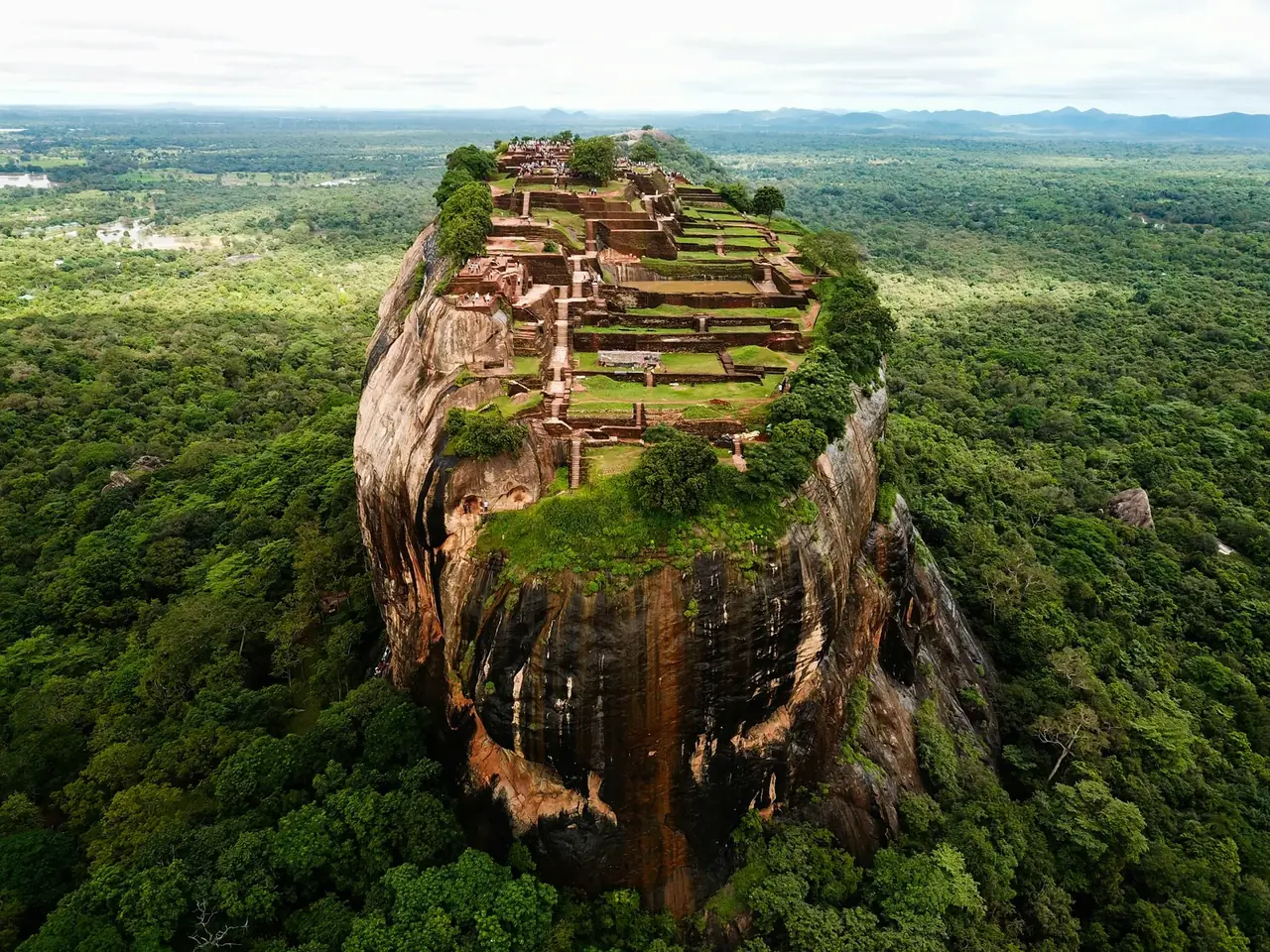
Sri Lanka's history is longer and arguably more layered. The country has been continuously inhabited for 30,000 years and has some of the best-preserved ancient urban sites in South Asia. Sigiriya - a 5th-century rock palace fortress rising 200 metres from the jungle, with frescoes, water gardens, and lion-paw gate - is one of the most impressive single sites in Asia. Polonnaruwa, the 12th-century ancient capital, has a 4 km circuit of ruins including a 14-metre recumbent Buddha cut from a single rock face. Anuradhapura, founded in the 3rd century BC, contains the Sri Maha Bodhi - a sacred fig tree planted in 288 BC that is the oldest living tree in the world with a documented planting date.
Sri Lanka has 8 UNESCO World Heritage Sites. Bali has 1 (the rice terrace system). That difference is a reasonable proxy for the depth of historical interest available.
Verdict: Bali's living Hindu culture is genuinely impressive and accessible. Sri Lanka's historical depth and the scale of its ancient monuments are harder to match - for travellers who care about history and archaeology, Sri Lanka has significantly more to offer.
Food
Bali
Bali's food scene has evolved to a very high standard, particularly in Ubud, Seminyak, and Canggu. The local Balinese food (babi guling - suckling pig, sate lilit - minced fish satay, lawar) is excellent, and the internationally-influenced café scene in Canggu and Seminyak is genuinely good. Bali is particularly strong on brunch culture, smoothie bowls, and the specific aesthetic of wooden tables and coconut lattes that has spread worldwide.
Vegetarian and vegan options are extremely well developed - more so than almost anywhere in Asia.
Sri Lanka
Sri Lanka's food is less globally famous but equally distinctive. Rice and curry - the national dish - varies enormously by region: Jaffna's curry is coconut and tamarind-based, the south uses thicker, hotter pastes, the hill country produces milder preparations with green leaves. A proper rice and curry in Sri Lanka comes with 6-8 accompaniments: dal, three vegetable preparations, a fish or meat curry, sambol, and papadam.
Hoppers (crispy bowl-shaped rice pancakes), string hoppers (steamed rice noodle nests eaten with coconut sambol and dal), kottu roti (shredded roti stir-fried with vegetables and egg on a hot griddle - identifiable by the rhythmic metallic chopping sound from any roadside restaurant), and devilled dishes are all distinctly Sri Lankan and not found elsewhere.
The street food scene is more casual and less Instagrammed than Bali's, but the quality at local rice and curry shops (typically $2-4 for a full meal) is excellent.
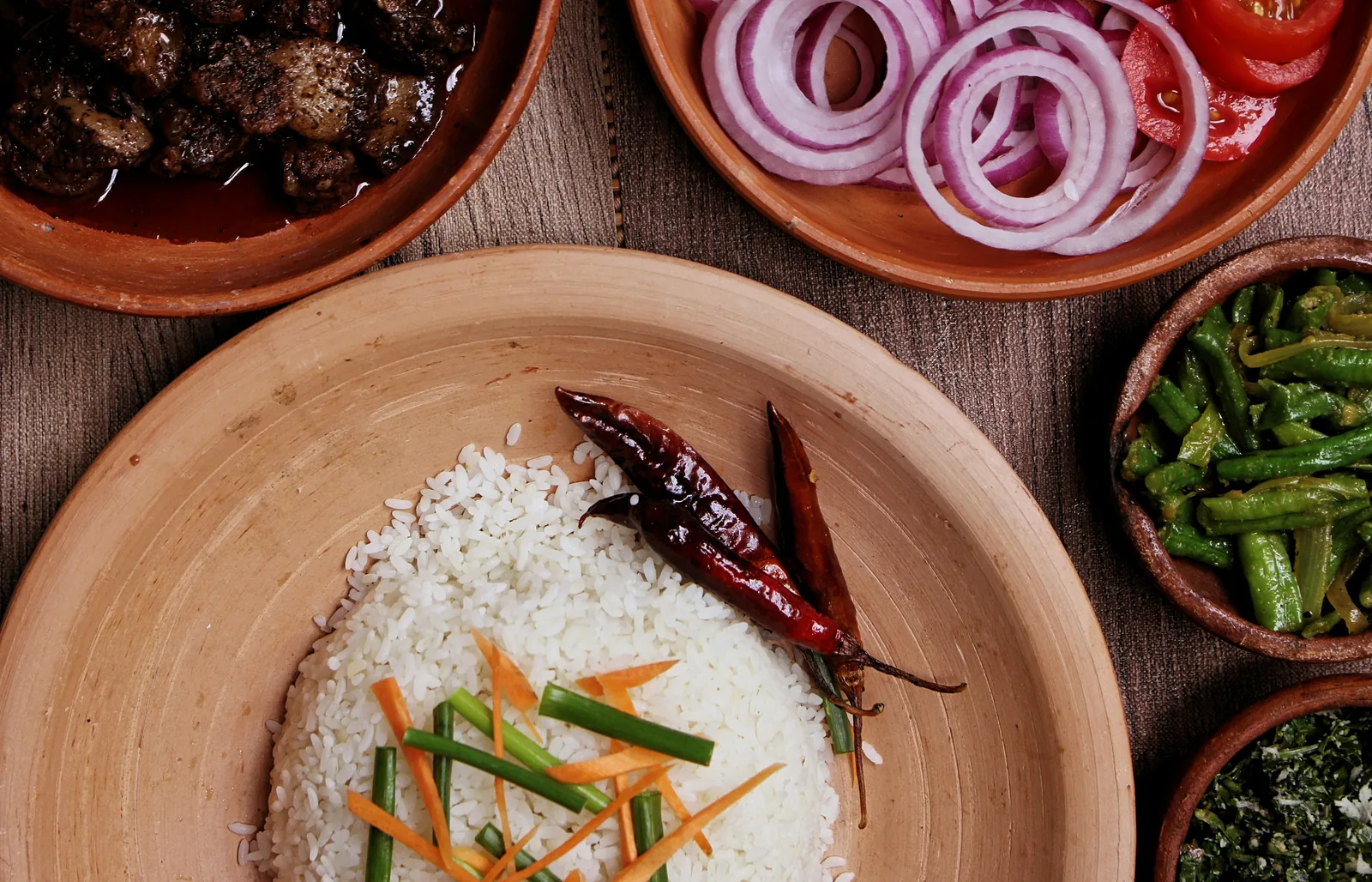
Verdict: Bali wins on Western-influenced café culture and vegan options. Sri Lanka wins on depth and distinctiveness of local cuisine. Neither is a bad food destination.
Cost Comparison
Both destinations are broadly similar in cost, but the distribution differs.
| Category | Bali | Sri Lanka |
|---|---|---|
| Budget accommodation | $10-20/night | $12-25/night |
| Mid-range hotel | $40-80/night | $50-100/night |
| Luxury villa/hotel | $150-400/night | $100-300/night |
| Local meal | $2-4 | $2-5 |
| Restaurant meal | $8-20 | $8-20 |
| Scooter/tuk-tuk hire | $5-10/day | $40-80/day with driver |
| Safari/major activity | $30-60 | $30-80 |
| Beer (local) | $1.50-3 | $3-5 |
The key difference: Bali has a well-established scooter rental culture that makes self-transportation cheap ($5-10/day). Sri Lanka roads are significantly more dangerous for foreign riders, and most visitors use hired cars with drivers ($40-80/day). This adds meaningfully to Sri Lanka's cost.
For budget backpacker travel, Bali has a slight edge - the scooter alone saves significantly. For mid-range travel with a driver, costs are comparable. For luxury travel, Sri Lanka's best hotels (particularly the heritage properties in the Galle Fort and Kandy area) offer exceptional value relative to Bali's villa market.
Crowds and Tourism Saturation
Bali receives 6-7 million foreign visitors annually. The Tegalalang Rice Terrace has queue management systems. The Uluwatu Temple requires booking. Canggu has traffic jams. The tourist infrastructure is excellent precisely because so many people have passed through it.
Sri Lanka receives 1.5-2 million foreign visitors annually (recovering post-COVID and post the 2022 economic crisis). Major sites like Sigiriya and Galle Fort are busy but not overwhelmed. The east coast beaches in season are genuinely empty by comparison to any popular Bali beach. Wildlife parks in the off-season have far fewer jeeps competing for leopard sightings.
For travellers who are specifically trying to avoid crowds and the feeling that they are following a well-worn tourist trail, Sri Lanka is the cleaner choice in 2026.
Visa and Access
Bali (Indonesia): Most nationalities receive a 30-day visa on arrival, extendable. Free for UK, US, EU, Australian passport holders.
Sri Lanka: As of May 2026, citizens of 40 countries (including UK, Germany, France, Australia, Japan, and most of the EU) receive a free ETA. Other nationalities pay $20 for an online ETA. Valid for 30 days, extendable to 90 days for most nationalities.
Flights: Bali (Denpasar) has more direct flight options from European hubs, though most routes still require a stopover. Sri Lanka (Colombo Bandaranaike) is similarly a one-stop from most European cities. Journey time and pricing are comparable.
Who Should Choose Which
Choose Bali if you want:
- Beach clubs, pool parties, and nightlife
- A well-developed yoga and wellness retreat scene
- The specific Canggu/Seminyak aesthetic
- Scooter freedom across the island
- Cheaper budget backpacking with good hostel infrastructure
- Snorkelling specifically at Nusa Penida (mantas, mola mola)
- A destination that has been refined by millions of visitors into a very smooth experience
Choose Sri Lanka if you want:
- Genuine wildlife encounters (leopards, elephants, blue whales)
- 8 UNESCO World Heritage Sites and a civilisation 2,500 years old
- Empty east coast beaches that look like something from 15 years ago
- The famous scenic train through tea country
- A destination most of your friends have not done
- World's Best Island 2026 recognition for a reason
- An itinerary that combines jungle, mountains, culture, and beaches in two weeks
Can You Do Both?
Yes, and many itineraries combine them. The routing works well: fly into Colombo for 10-14 days of Sri Lanka, then connect to Bali (Garuda or via Singapore) for a week. Or reverse it. The total travel time is similar to doing either destination plus a return flight.
The most natural combination: Sri Lanka first (Colombo, Sigiriya, Kandy, train to Ella, Yala, south coast beaches) then Bali for the last week (Ubud for culture, Seminyak or Canggu for the beach scene, Nusa islands for the diving). It works because the two destinations do not repeat themselves.
Frequently Asked Questions
Is Sri Lanka cheaper than Bali?
For the same travel style, Sri Lanka and Bali are broadly similar in cost. The main difference: Bali's scooter culture makes budget travel cheaper, while Sri Lanka requires a hired car for most journeys, adding $40-80/day. Food and accommodation are similar at the same quality level.
Which has better beaches, Sri Lanka or Bali?
It depends on what you want. Bali has more beach clubs and surf culture. Sri Lanka has emptier beaches with clearer water, particularly on the east coast, and the south coast is safer for swimming. Arugam Bay produces better surf waves than most of Bali's popular breaks.
Which is better for wildlife, Sri Lanka or Bali?
Sri Lanka significantly. Bali has very limited wild wildlife. Sri Lanka has leopards (Yala), wild elephants (Minneriya, Kaudulla, Udawalawe), blue whales (Mirissa), sea turtles, and hundreds of bird species. There is no comparison.
Which is less touristy, Sri Lanka or Bali?
Sri Lanka receives roughly one-quarter the visitors Bali does annually. Major attractions are significantly less crowded, east coast beaches are often empty, and the overall experience feels less processed. Bali's tourist infrastructure is more polished; Sri Lanka's is more varied.
Can I visit Sri Lanka and Bali in the same trip?
Yes. The most practical routing is Colombo (in) - 10-14 days Sri Lanka - connect to Denpasar via Singapore or Kuala Lumpur - 7-10 days Bali - Denpasar (out). Total trip: 3 weeks, covers both comprehensively.
Is Sri Lanka safe compared to Bali?
Both are considered safe for tourists. Sri Lanka had well-publicised instability in 2019 (Easter bombings) and 2022 (economic crisis and political unrest), both of which have resolved. Current (2026) safety assessments rate Sri Lanka as safe for tourist travel. Bali is extremely safe. Road safety is a concern in both - Bali's scooter accident rate is high among foreign visitors; Sri Lanka's general road conditions present risks, which is why hiring a driver is recommended.
Advertisement
Flights, hotels and tours - all in one place.
Plan Your Sri Lanka Trip
Find the best price to Colombo from your city
Search Flights →Compare prices across Booking.com, Agoda & more
Find Hotels →Bus fares, train times and transport options
Plan Transport →Powered by Travelpayouts · We may earn a small commission at no extra cost to you.
Leave a Comment
Share your thoughts, questions, or travel experiences