Tip
The headline: Big 7 Travel has ranked Sri Lanka the World's Best Island for 2026, beating Greece, Thailand, Portugal, and Maldives. The ranking cites the island's rare combination of biodiversity, cultural heritage, compact geography, 833 miles of coastline, and the most accessible visa policy in the island's modern history. Here is why the ranking is right - and what it means if you are planning a trip.
Every year, travel publications compile their lists of the world's best islands. Most of those lists are predictable. Santorini. Bali. The Maldives. Destinations that have been photographed so many times that the images feel like screensavers rather than places. Sri Lanka has appeared on best-of lists before. What changed in 2026 is that it won.
Big 7 Travel, the global travel media brand with an audience of over 1.5 million, placed Sri Lanka above every other island on earth for 2026. The reasoning is not complicated if you have spent time here. But it is worth unpacking precisely - because what makes Sri Lanka the best island right now is a specific combination of things that no other island delivers simultaneously, and understanding that combination is the key to planning a trip that actually uses the island well.
What Big 7 Travel Ranked and Why It Matters
Big 7 Travel bases its rankings on a combination of editorial assessment and traveller feedback, weighted across categories including natural diversity, cultural richness, value for money, accessibility, and the quality of experiences available within a compact geography. Sri Lanka scored at the top of the overall ranking, with particular recognition for:
- Biodiversity - eight UNESCO World Heritage Sites, over 400 bird species, the world's highest leopard density in Yala, and blue whale sightings within sight of the coast
- Cultural heritage - more ancient cities per square kilometre than almost any other island on earth
- Compact geographic diversity - beaches, jungle, highlands, ancient ruins, and wildlife within a driving distance most European countries cannot match
- Affordability and access - a visa fee waiver program extended to 40 countries from May 2026, one of the most significant policy changes in Sri Lankan tourism in decades
- Wellness and authenticity - an Ayurvedic tradition going back 3,000 years, a food culture built around fresh spice and coconut, and a pace of travel that rewards slowing down
The ranking places Sri Lanka above Greece (strong on history, weak on wildlife and value), Thailand (strong on food and beaches, but crowded and increasingly expensive), Portugal (strong on heritage and coast, but lacking tropical biodiversity), and the Maldives (strong on ocean luxury, but thin on cultural depth and land-based experiences).
Reason 1: The Wildlife Is World-Class and Close
Most island destinations that claim "great wildlife" mean a handful of monkeys in a patch of managed forest. Sri Lanka means something different.
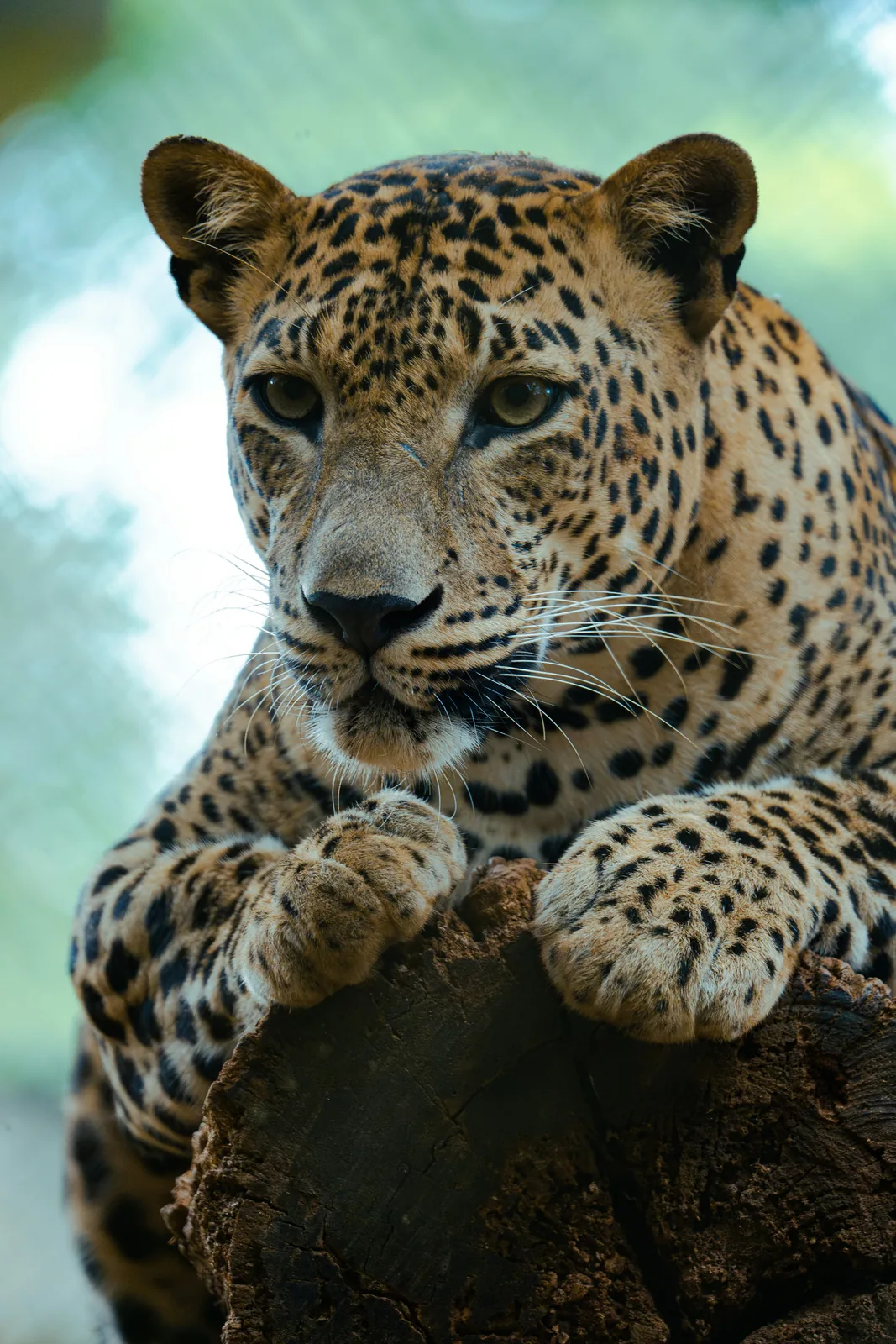
Yala National Park in the southeast has the highest density of leopards of any national park in the world. Not the highest in Asia. The highest anywhere. A half-day safari from a south coast hotel puts you in a landscape where leopard sightings are genuinely common - not guaranteed, but common enough that visitors expecting to see one usually do.
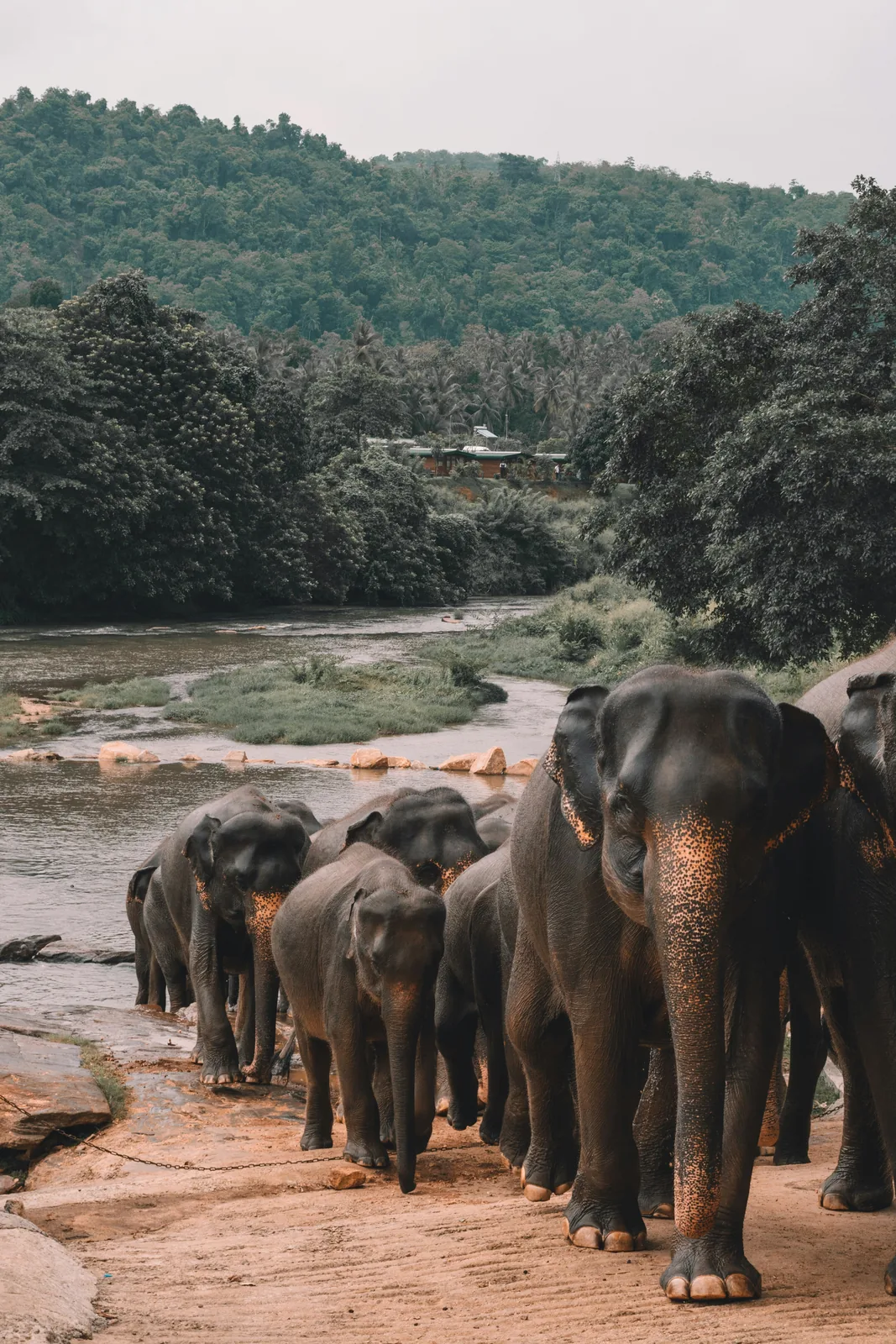
Minneriya National Park in the north-centre hosts the Gathering - an annual event between August and October when hundreds of wild Asian elephants converge on the reservoir as seasonal water sources dry up. Hundreds. In the wild. In one place. The spectacle is extraordinary and it happens reliably, not as a once-a-decade occurrence.
Blue whales - the largest animals that have ever lived on earth, larger than any dinosaur - are sighted regularly off Mirissa on the south coast between November and April, and off Trincomalee on the east coast between June and September. Sri Lanka is one of only a handful of places on earth where blue whale sightings are a realistic expectation rather than a hopeful rumour.
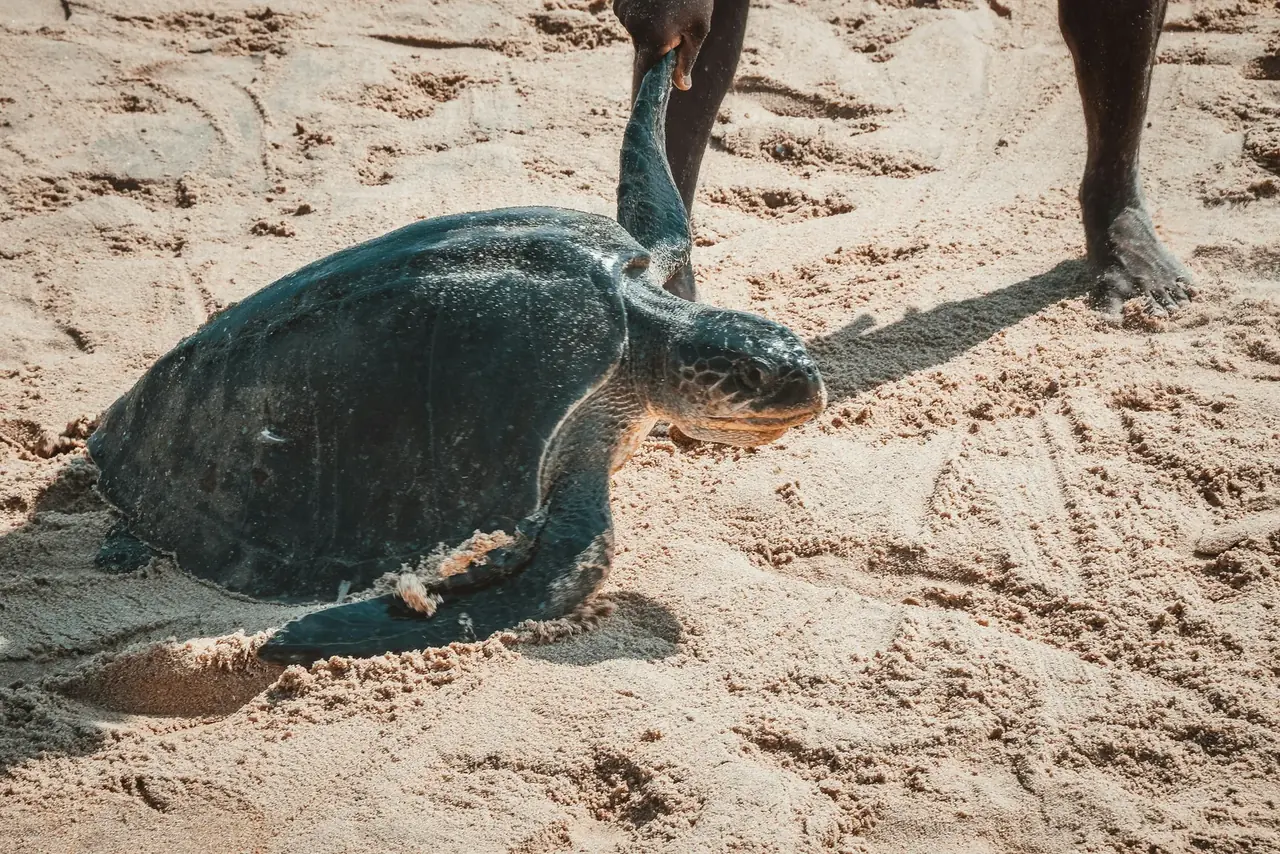
Offshore, the coral reefs around Pigeon Island near Trincomalee and the snorkelling sites off Hikkaduwa and Unawatuna support sea turtle populations large enough that encounters in the water are routine rather than exceptional.
Reason 2: Eight UNESCO World Heritage Sites on an Island the Size of Ireland
Sri Lanka is 65,610 square kilometres. Ireland is 70,273 square kilometres. On this island, roughly the size of Ireland, there are eight UNESCO World Heritage Sites.
For comparison: Greece has two. Thailand has three. Portugal has two. The entire United Kingdom has thirty-three - across a country eight times larger than Sri Lanka.
Those eight sites are not minor entries. They include:
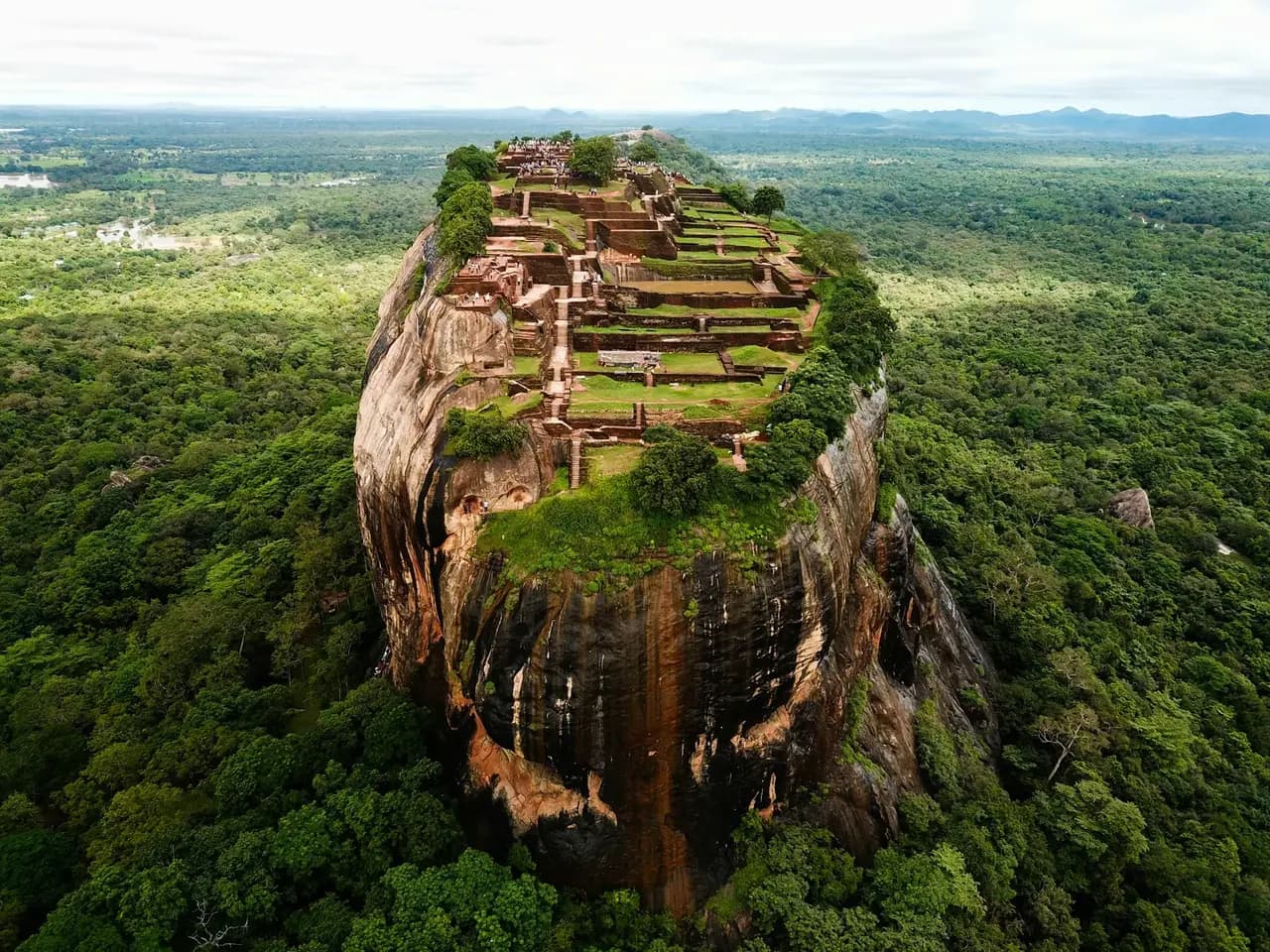
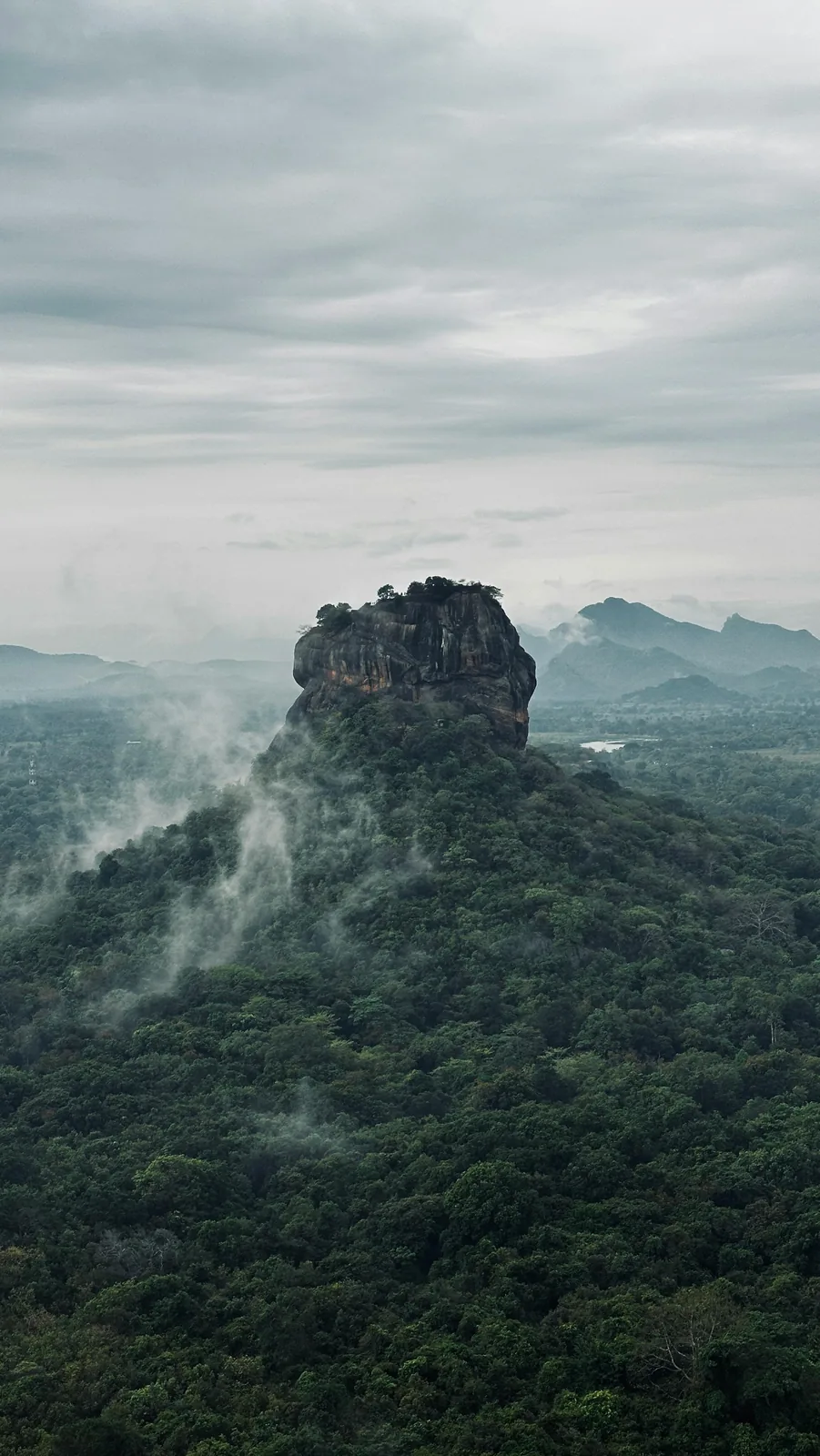
Sigiriya - a 5th-century rock fortress built by King Kashyapa on a 200-metre granite column rising from the jungle plain. The frescoes on the rock face, the mirror wall, the water gardens at the base, and the views from the summit combine into something that has no equivalent anywhere else on earth. It is genuinely one of the archaeological wonders of Asia.
Polonnaruwa - a medieval capital spanning the 10th to 13th centuries, with the Gal Vihara stone Buddhas, the circular Vatadage relic house, and the remains of a city that was, at its height, one of the most sophisticated urban centres in the world.
Anuradhapura - the oldest inhabited city in Sri Lanka, with a 2,300-year-old sacred fig tree (Sri Maha Bodhi) grown from a cutting of the original Bodhi tree under which the Buddha attained enlightenment. The tree is still alive. The city around it has dagobas (dome-shaped reliquaries) large enough to be visible from kilometres away.
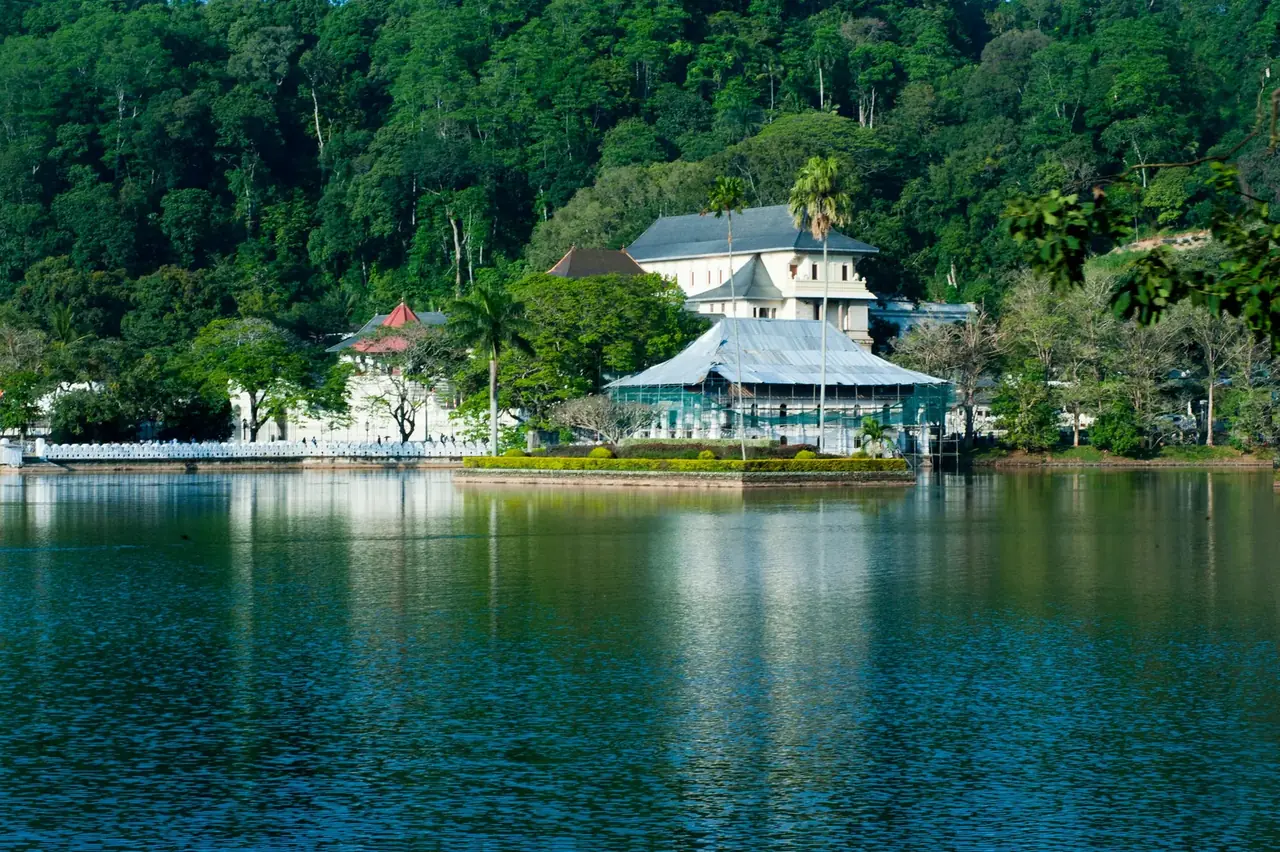
The Kandy Sacred Area - centred on the Temple of the Tooth Relic, Sri Dalada Maligawa, which houses what is believed to be the tooth of the Buddha and has been the most important pilgrimage site in Theravada Buddhism for over a thousand years.
The Central Highlands - covering the Peak Wilderness, Knuckles Range, and Horton Plains National Park, recognised for their unique biodiversity and the extraordinary cloud forest ecosystems that exist at altitude.
Reason 3: Everything Within Hours of Everything Else
This is the practical edge that no other island in the top five can match.
In Greece, you choose between Athens and the islands - you cannot sensibly do both in a week. In Thailand, the north (Chiang Mai, cultural sites) and the south (islands, beaches) require a flight between them. In Portugal, the Algarve beaches and the Douro valley wine country are at opposite ends of a country.
In Sri Lanka, you can watch the sunrise from Sigiriya Rock, drive three hours south to do a Yala leopard safari, and be on a beach at Mirissa in time for sunset - all in the same day. Extreme example, but not an impossible one. The more practical version:
- Colombo to Sigiriya: 4 hours by road
- Sigiriya to Kandy: 2.5 hours
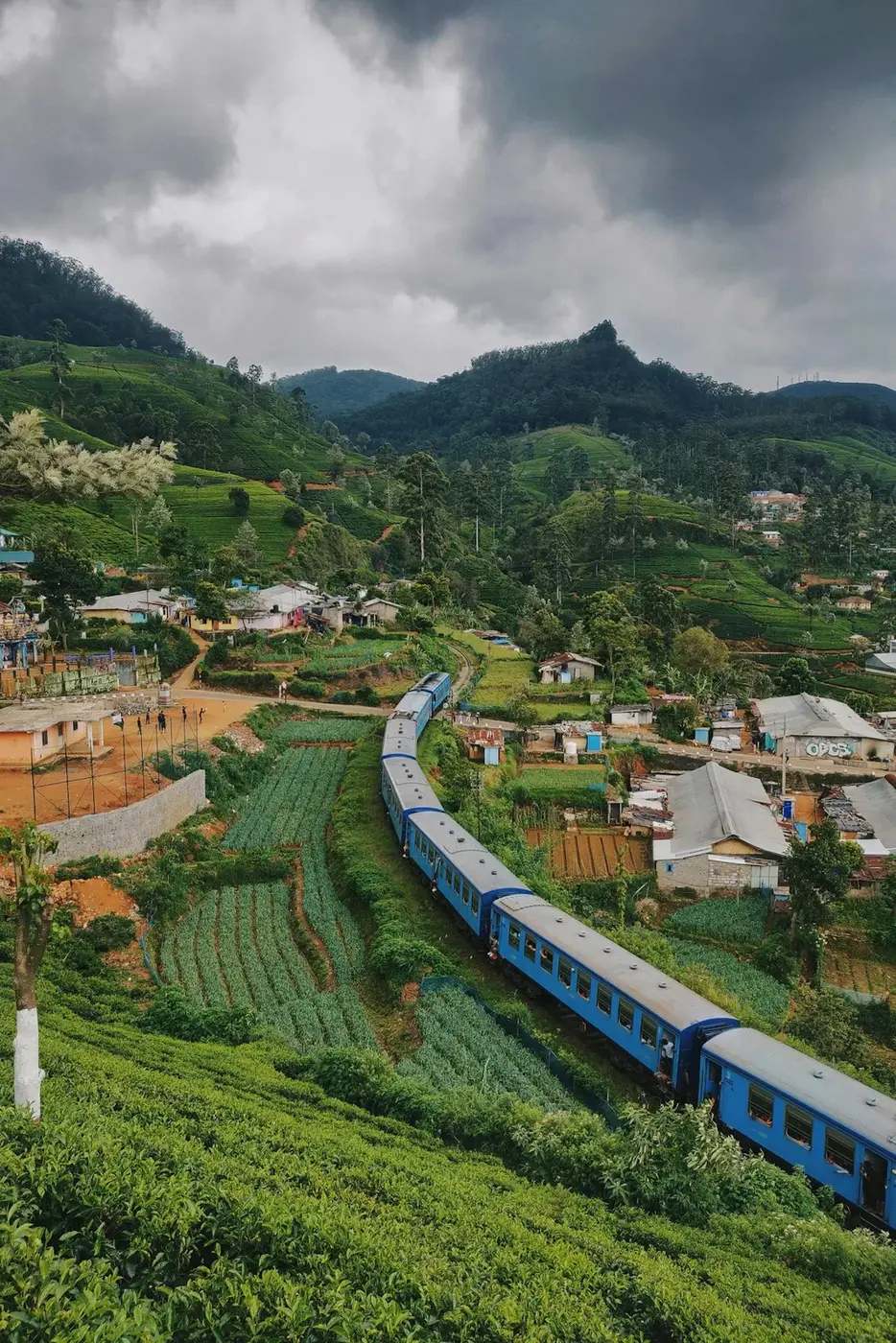
- Kandy to Ella by train: 7 hours (the scenic journey; not the fastest route, but the most beautiful)
- Ella to Yala: 2.5 hours
- Yala to Mirissa: 1.5 hours
- Mirissa to Colombo: 3 hours
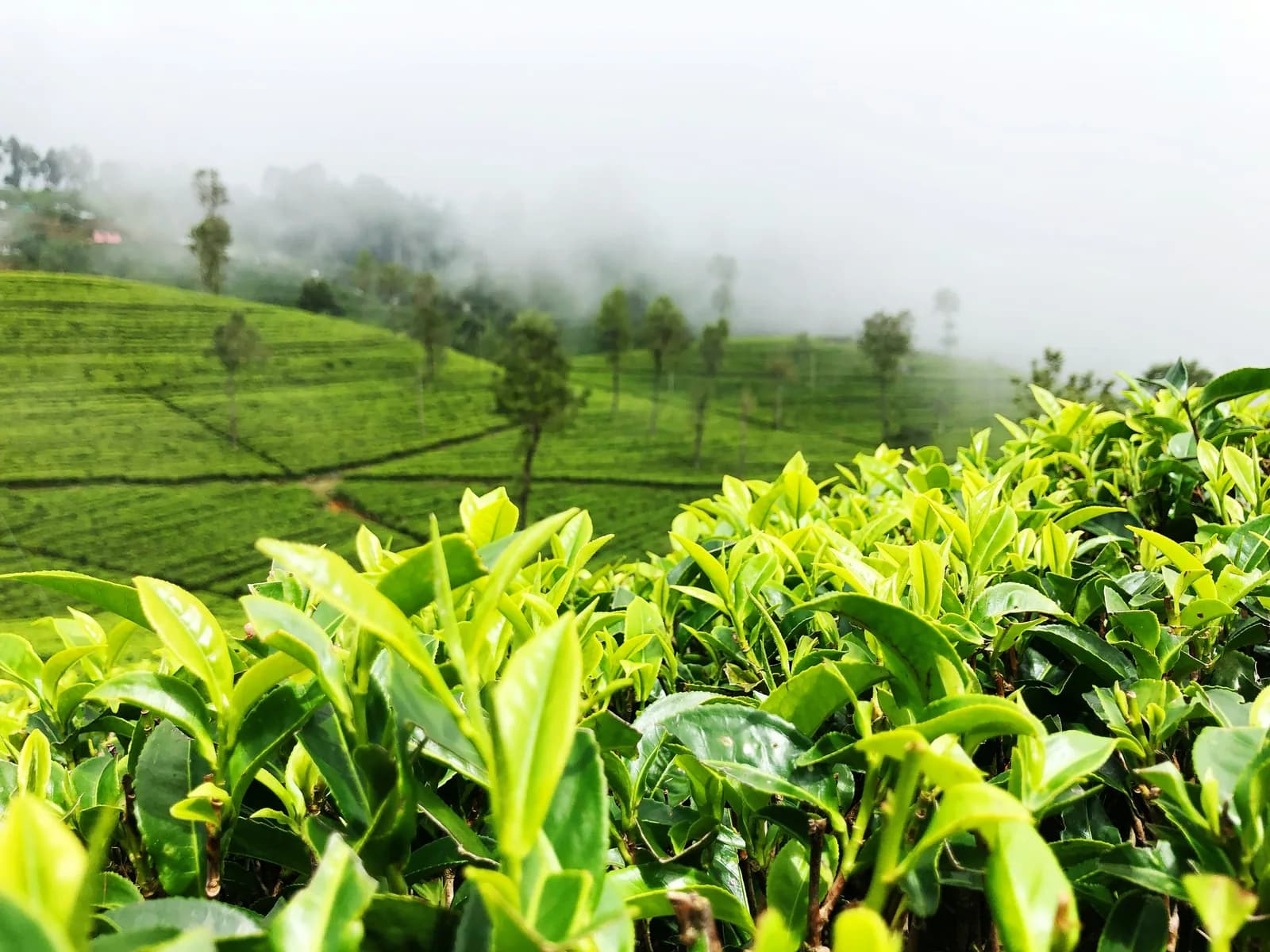
A seven-day route connecting these points covers ancient ruins, hill country tea estates, a wildlife safari, and south coast beach time. It requires no internal flights and the distances feel comfortable. This is what Big 7 Travel means by "compact geographic diversity" and it is the thing that makes Sri Lanka punch far above its size in terms of what a single trip can contain.
Reason 4: 833 Miles of Coastline - and They Are All Different
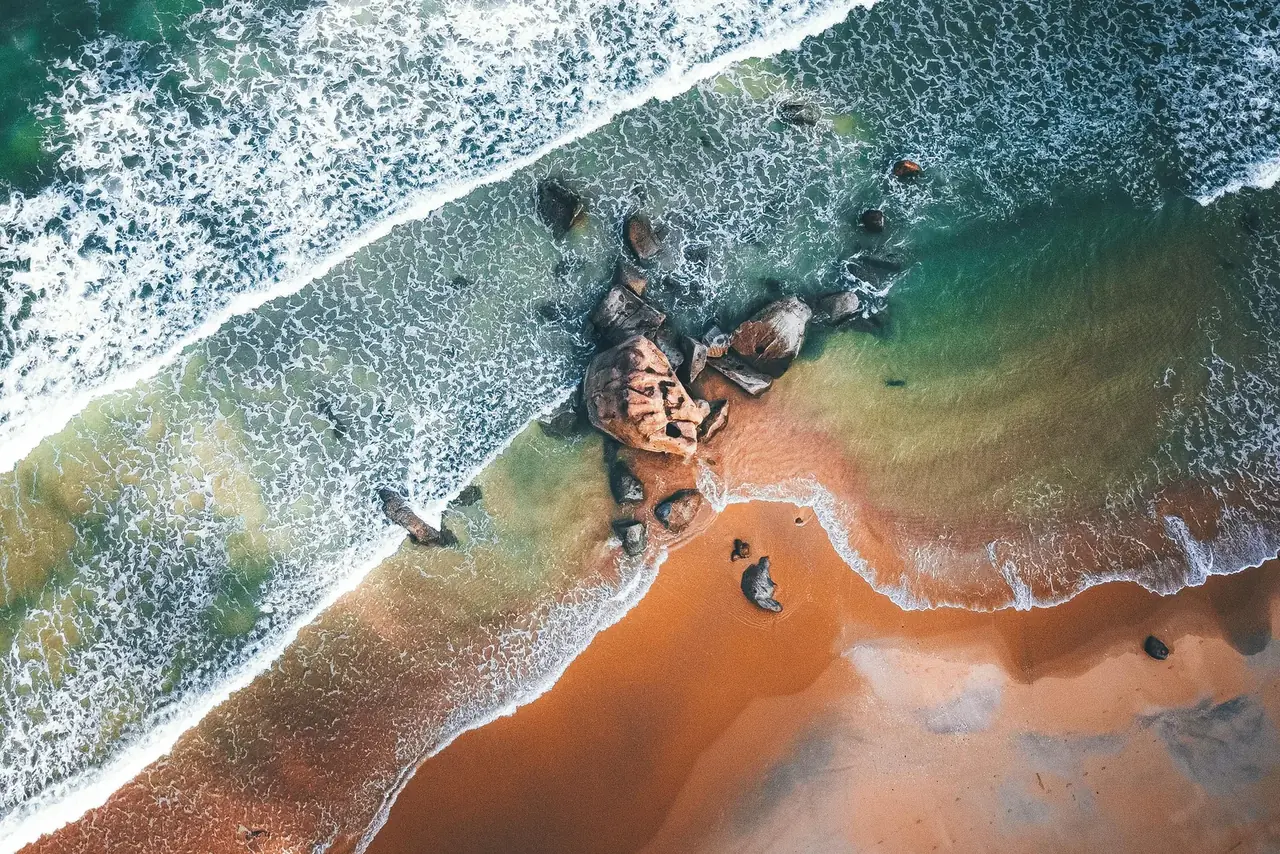
Sri Lanka's 1,340-kilometre (833-mile) coastline is not a single beach destination. It is four different coastal experiences depending on which stretch you are on and which monsoon season it is.
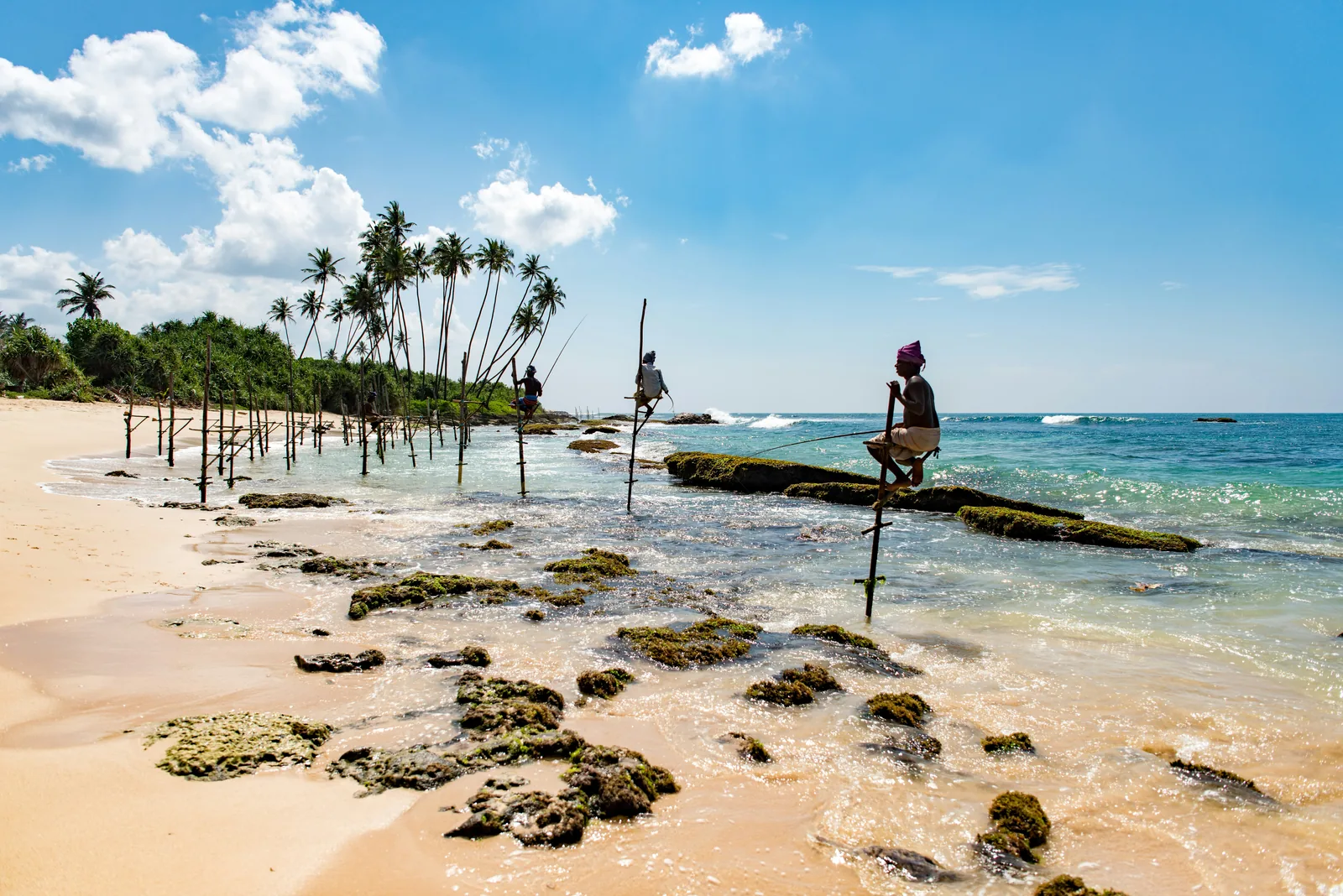
The south coast (Mirissa, Unawatuna, Galle, Hikkaduwa, Bentota) is at its best from December to March - calm seas, golden light, the famous Galle Dutch Fort, and the most reliable whale watching on the island. Stilt fishermen still balance on wooden poles above the shallow water near Koggala and Weligama in the early morning.
The east coast (Trincomalee, Nilaveli, Arugam Bay) comes alive from April onwards and peaks from July to September, when the southwest monsoon keeps the south coast wet but the east is dry, calm, and warm. Arugam Bay has world-class surf breaks. Pigeon Island near Trincomalee has some of the clearest water and best coral in South Asia. Nilaveli has long stretches of near-empty white sand beach in the dry season.
The northwest coast (Kalpitiya, Mannar) is a different Sri Lanka entirely - flatter, drier, with kite-surfing on the lagoon at Kalpitiya between May and October and flamingo flocks on the salt flats of Mannar.
The far north (Jaffna peninsula) has its own coastal character - ancient Hindu temples on the coast, islands accessible by causeway, and a Tamil cultural tradition distinct from the Sinhalese south.
No other island in the top five has this coastal range within one continuous coastline.
Reason 5: Visa Access Just Got Significantly Easier
From 25 May 2026, Sri Lanka extended its free Electronic Travel Authorisation (ETA) scheme to 40 countries, up from a smaller group of pilot nations. Citizens of the UK, USA, Australia, Canada, most of Europe, Singapore, South Korea, Japan, and others now pay nothing for the ETA that previously cost USD 50.
The application takes under 10 minutes at eta.gov.lk. Approval is typically within 24 hours. The ETA allows a 30-day stay, extendable to 90 days through the Department of Immigration.
This is the most significant policy shift in Sri Lankan tourism entry in years. Combined with a cost of living that remains low by the standards of competing island destinations - a midrange guesthouse room for USD 40-60, a full rice and curry lunch for under USD 3, a Yala safari jeep for USD 60-90 - Sri Lanka now offers a combination of easy entry, genuine affordability, and world-class experiences that Greece, Thailand, and Portugal cannot match simultaneously.
Reason 6: A Food and Wellness Tradition That Cannot Be Copied
Sri Lanka's Ayurvedic tradition is one of the oldest continuous medical and wellness systems in the world, dating back over 3,000 years. It is not a spa marketing concept here - it is a functioning medical tradition embedded in the culture, with government-recognised practitioners, dedicated treatment centres, and herbal formularies that have been refined across dozens of generations.
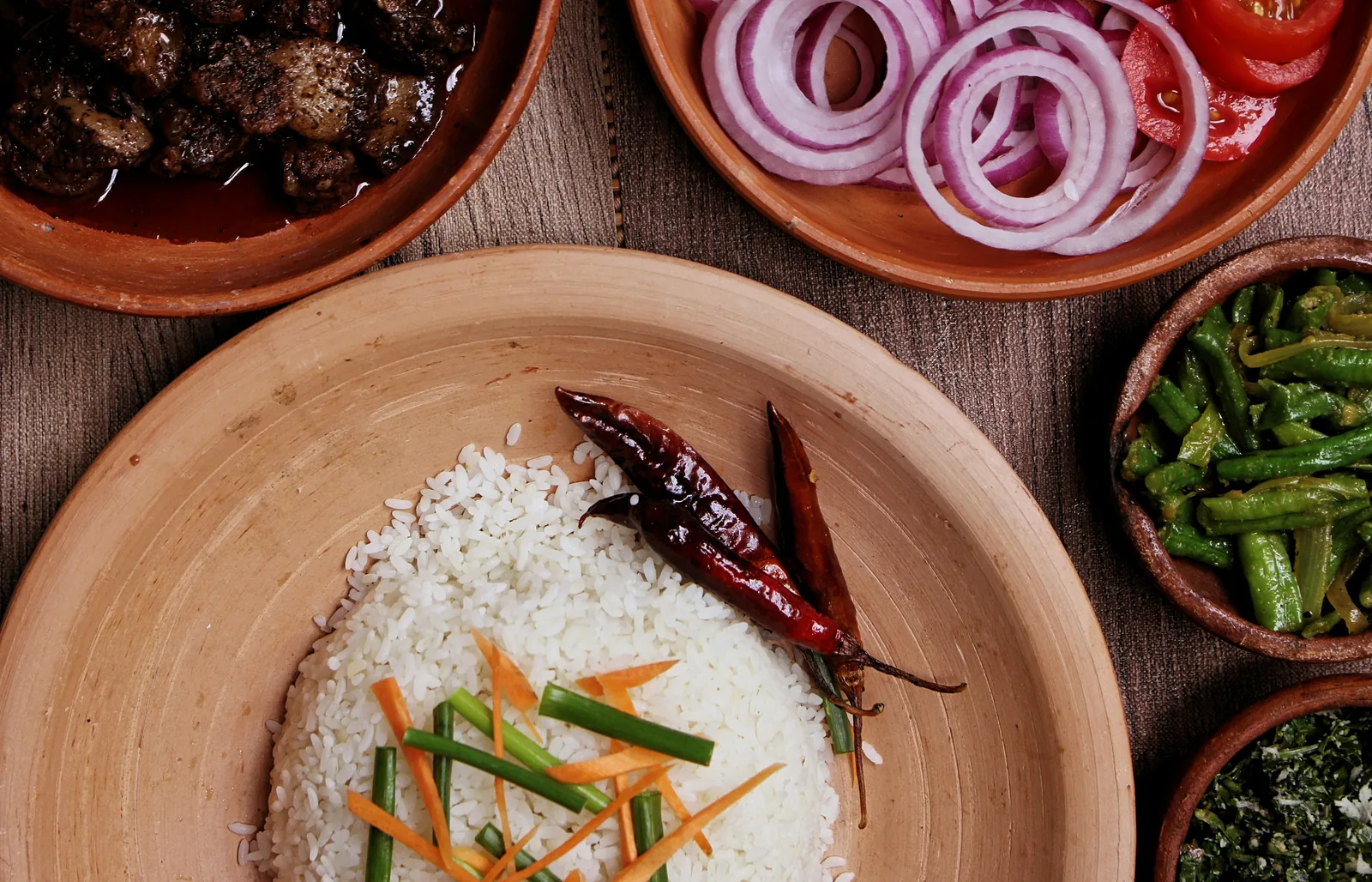
The island is also one of the most diverse spice-growing regions in the world. Ceylon cinnamon (Cinnamomum verum, the true cinnamon) grows in the south and southwest. Black pepper, cardamom, cloves, nutmeg, and turmeric come from the wet zone. The food that emerges from this spice culture - coconut milk curries, fresh herb porridges, slow-cooked dhal, hoppers and string hoppers - is one of the most underrated in Asia.
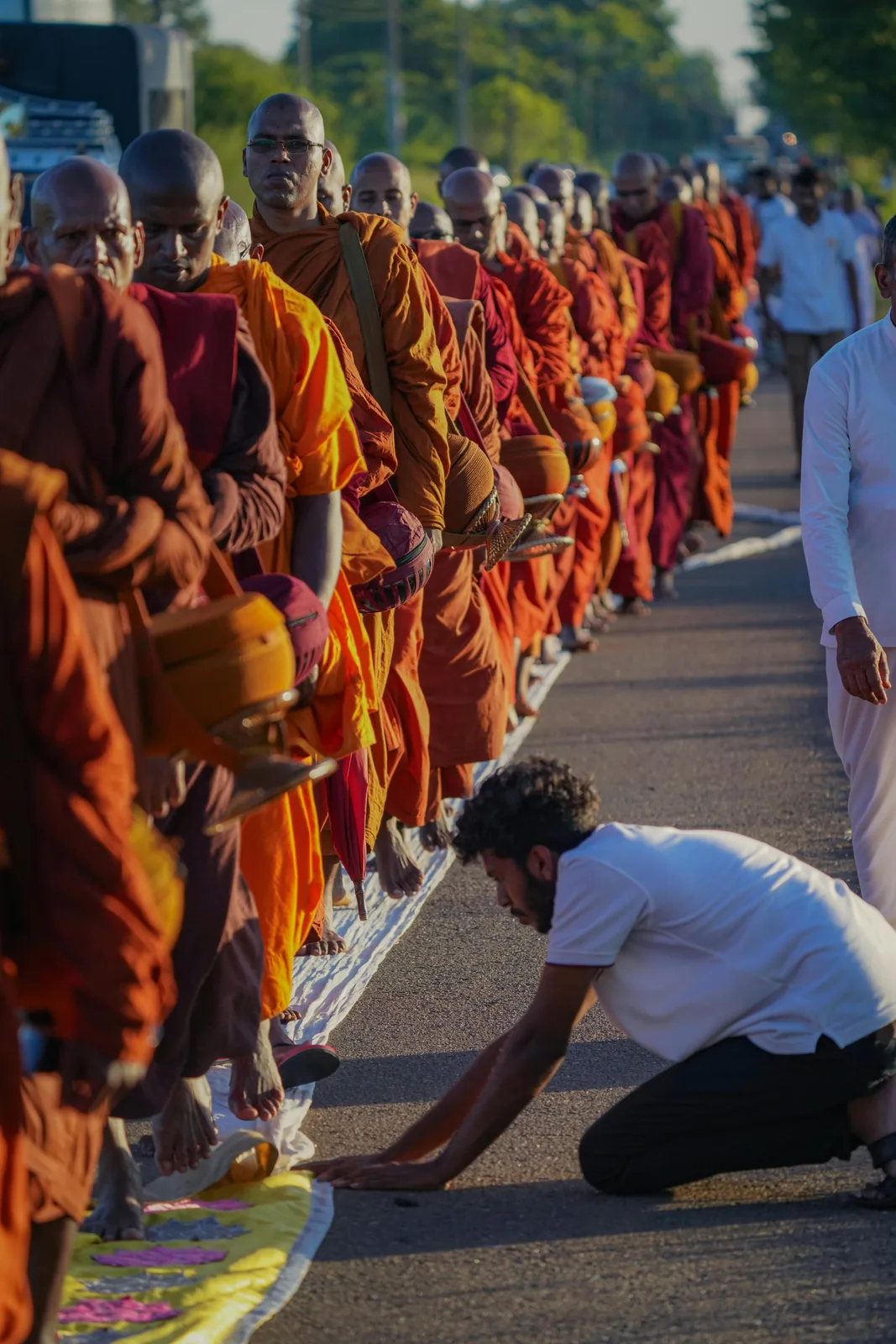
A Sri Lanka trip done well includes at least one proper Ayurvedic treatment, at least one cooking class, at least one morning of kola kanda (the green herbal rice porridge drunk at breakfast by millions of Sri Lankans every day), and time enough to understand that the food is not just nourishment but a direct expression of a medicinal philosophy about what a body needs.
Sri Lanka vs the Competition: What the Others Are Missing
Greece - outstanding history, beautiful islands, great food. But the wildlife is minimal, beach seasons are crowded and expensive in summer, the island-hopping model is expensive, and a week there will not include a leopard safari or a whale watching trip. Greece is the better choice if you want deep history in a Mediterranean climate. Sri Lanka is the better choice if you want history AND jungle AND beaches AND wildlife in the same compact trip.
Thailand - excellent food, great beaches in the south, rich cultural sites in the north. But the island beaches (Koh Samui, Phuket) are heavily developed and increasingly expensive, internal flights are needed to combine north and south, and the wildlife corridor that once defined the country has contracted significantly. Sri Lanka's wildlife density, particularly for leopards and elephants, is higher in a smaller geographic area.
Portugal - underrated, honest, excellent value within Europe. But it has no tropical biodiversity, no monsoon-fed tea country highlands, no ancient rock fortresses in the jungle, and no blue whales off the coast. It is a very good European destination. Sri Lanka is a very good everything-else destination.
Maldives - the luxury island standard for ocean experiences. But if you step off the resort jetty, there is no there there. No city, no temples, no jungle, no wildlife safari, no ancient ruins, no hill country. The Maldives does one thing brilliantly. Sri Lanka does six things excellently.
What the 2026 Ranking Means for Travelers
A World's Best Island ranking drives one immediate consequence: more visitors. Sri Lanka saw a significant increase in international arrivals in the first half of 2026 and the trend is accelerating. The practical implication for trip planning:
Book earlier than you used to. Hotel capacity in peak destination areas - Sigiriya, Ella, Yala, south coast - has not expanded as fast as demand. Properties that were easy to book a week out in 2024 now fill up 6-8 weeks ahead in peak season (December to March). Book key nights before you book flights.
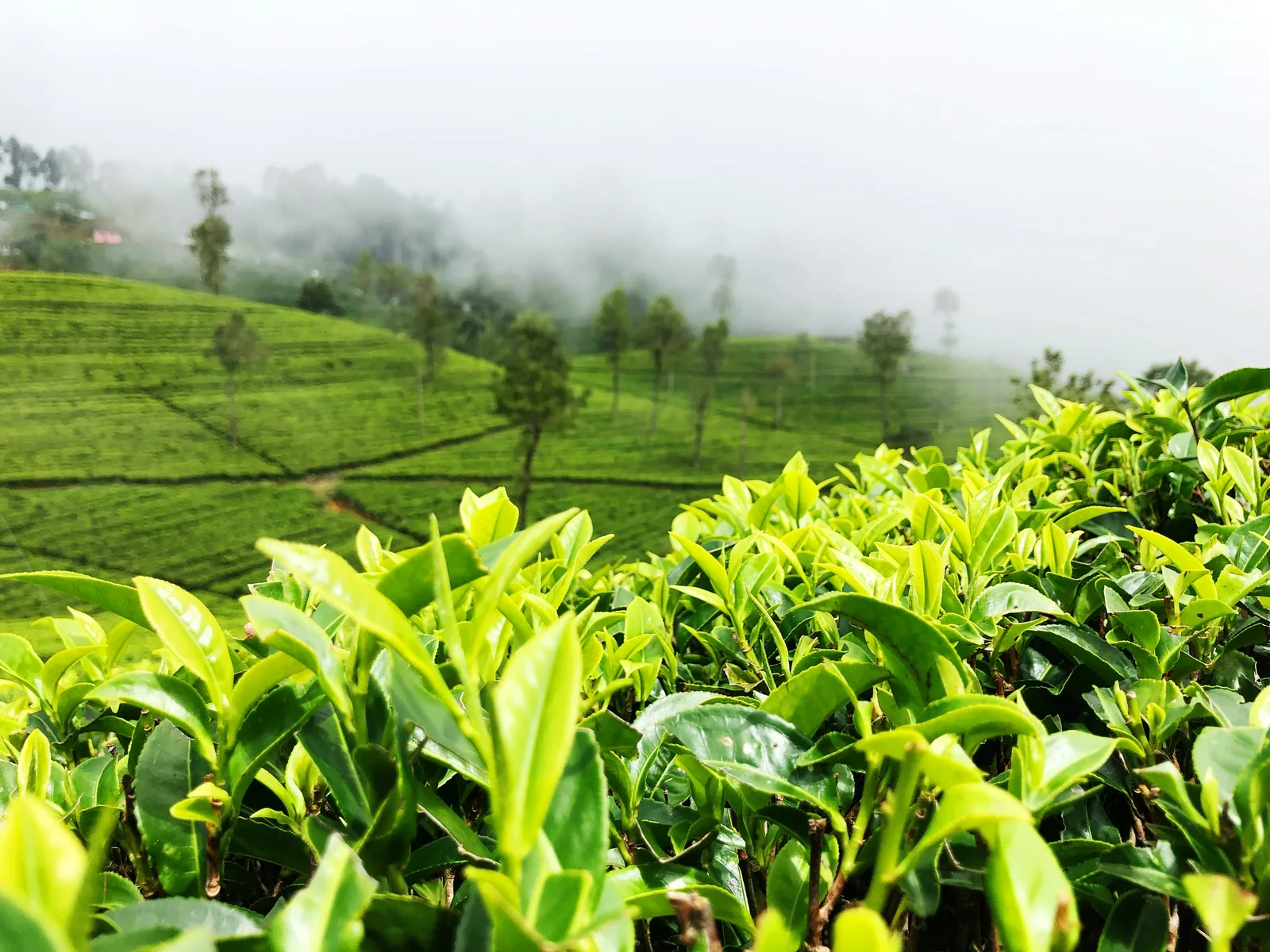
The east coast is an underused opportunity. The ranking has sent most of the 2026 influx to the south coast and cultural triangle, which were already the busiest circuits. Trincomalee, Nilaveli, and Arugam Bay are in their prime season now (July to September) and are not yet as crowded as they will become in two years. If you are planning a trip in the next few months, the east coast is where the best available space is.
The free ETA removes the biggest practical friction. Previously, the USD 50 fee and the uncertainty around the application process deterred some travellers or made them postpone. That friction is gone for 40 countries as of May 2026. The application is straightforward. There is no longer a good logistical reason to delay.
How to Plan Your Sri Lanka Trip for 2026
The classic circuit works for good reason: it connects the island's best experiences in a logical geographic sequence.
7 days: Colombo - Sigiriya - Kandy - Ella - Yala - south coast. This is the minimum viable Sri Lanka itinerary. You will not have time to linger, but you will see the essential country. Read the full 7-day Sri Lanka itinerary for the day-by-day breakdown.
10 days: Add Polonnaruwa, Nuwara Eliya, and two nights on the south coast instead of one. This is the recommended first visit. Read the 10-day itinerary.
2 weeks: Add the east coast (Trincomalee or Arugam Bay), more time in the Cultural Triangle, and the option to travel north to Jaffna. Read the 2-week Sri Lanka itinerary.
The free ETA covers 30 days for most nationalities - long enough for the one-month itinerary if you want to go deep.
When to go: The short answer is that there is no bad time to visit Sri Lanka - the two-monsoon system means one side of the island is almost always dry. The long answer is in the best time to visit Sri Lanka guide. For personalised advice based on what you want to do, use the Best Time Finder tool.
Visa: The ETA application takes under 10 minutes at eta.gov.lk. Most of the 40 countries that now qualify for the free ETA see approval within 24 hours.
Sri Lanka's World's Best Island 2026: Frequently Asked Questions
Who named Sri Lanka the World's Best Island 2026? Big 7 Travel, a global travel media brand with an audience of over 1.5 million across its platforms. The ranking is based on editorial assessment and traveller feedback across categories including natural diversity, cultural richness, value for money, and the range of experiences available within a compact geography. Sri Lanka was ranked first overall, above Greece, Thailand, Portugal, and the Maldives.
Why did Sri Lanka beat Greece and Thailand for the 2026 ranking? The ranking cited Sri Lanka's unique combination of biodiversity, cultural heritage, and compact geographic diversity - a package none of the other top five islands delivers simultaneously. Greece has outstanding history but minimal wildlife. Thailand has excellent beaches but requires internal flights to combine them with cultural sites. Sri Lanka offers wildlife safaris, eight UNESCO World Heritage Sites, 833 miles of coastline, and hill country tea estates within a geography small enough to cover in a week.
Is Sri Lanka expensive to visit in 2026? No - Sri Lanka remains one of the best-value destinations in Asia. A midrange guesthouse room costs USD 40-60 per night. A local rice and curry lunch costs under USD 3. A Yala safari jeep is USD 60-90. Internal transport by train and bus is cheap. International flights are the main cost, but these are comparable to Thailand or Bali from most major hubs. Use the trip cost estimator for a personalised budget.
Do I need a visa to visit Sri Lanka in 2026? Citizens of 40 countries, including the UK, USA, Australia, Canada, and most of Europe, can now get a free Electronic Travel Authorisation (ETA) as of 25 May 2026. The application takes under 10 minutes at eta.gov.lk and approval typically comes within 24 hours. The ETA allows a 30-day stay. Check the full visa guide or use the ETA checker to confirm your country's status.
What is the best time of year to visit Sri Lanka? December to March is the best all-round time for the south coast, Cultural Triangle, and hill country. July to September is the best time for the east coast (Trincomalee, Arugam Bay) and whale watching off Trincomalee. Sri Lanka's two-monsoon system means one side of the island is almost always in dry season. Use the Best Time Finder for a personalised recommendation based on what you plan to do.
What are the must-see attractions that earned Sri Lanka the World's Best Island ranking? The Big 7 Travel ranking specifically cited biodiversity and cultural heritage as the differentiating factors. The non-negotiable experiences are: Sigiriya Rock Fortress (UNESCO, one of Asia's great archaeological sites), a Yala National Park leopard safari (highest leopard density in any national park on earth), the Kandy to Ella scenic train journey (one of Asia's best rail routes), the Temple of the Tooth in Kandy (the most sacred Buddhist site in Theravada Buddhism), the south coast beaches and whale watching from Mirissa (blue whales, November to April), and Anuradhapura or Polonnaruwa (the ancient capitals that place Sri Lanka among the world's great civilisation sites).
How does Sri Lanka compare to the Maldives for 2026? They serve different travel profiles. The Maldives does one thing - overwater luxury and ocean experiences - at the highest possible level. Sri Lanka does six things well: wildlife, cultural heritage, beaches, hill country, food, and wellness. The Maldives has no ancient cities, no leopards, no jungle train journeys, no tea plantations. Sri Lanka has no overwater bungalows and limited pure ocean-luxury options. If you want one week of resort isolation, go to the Maldives. If you want a trip you will still be talking about in ten years, come to Sri Lanka.
Start Planning
Sri Lanka's World's Best Island 2026 ranking reflects something that has been true for a long time but is now impossible to ignore: this is an island where a single trip can contain more genuinely different, high-quality experiences than almost any other destination on earth.
The only real risk of visiting in 2026 is waiting too long to book. The south coast and Cultural Triangle fill up fast in peak season. The east coast - still the better-kept secret - has its best availability right now through September.
- Check your ETA eligibility
- 7-day itinerary - the classic circuit
- 10-day itinerary - the full first visit
- Find your best time to visit
- Calculate your trip budget
- Yala National Park safari guide
- Sigiriya Rock Fortress: everything you need to know
Advertisement
Flights, hotels and tours - all in one place.
Plan Your Sri Lanka Trip
Find the best price to Colombo from your city
Search Flights →Compare prices across Booking.com, Agoda & more
Find Hotels →Bus fares, train times and transport options
Plan Transport →Powered by Travelpayouts · We may earn a small commission at no extra cost to you.
Leave a Comment
Share your thoughts, questions, or travel experiences