
In the middle of April each year, Sri Lanka stops. Businesses close, families gather, kitchens fill with the smell of frying oil cakes, and the entire country turns its attention to the most significant celebration in the Sri Lankan calendar: Avurudu - the Sinhala and Tamil New Year.
This is not Sri Lanka's version of December 31. It is something entirely different in character, timing, and meaning - an ancient festival rooted in the movement of the sun, the rhythm of harvests, and a shared national identity that crosses the boundary between the country's two largest communities. If you are in Sri Lanka on April 13 or 14, you are present for something genuinely extraordinary.
Fly into Colombo (CMB) and plan to be in Sri Lanka for April 13–14. It is the best time of year to experience the country's living culture at its most vibrant.
Be in Sri Lanka for Avurudu
Flights to Sri Lanka
Find the best price to Colombo from your city
Powered by Travelpayouts · We may earn a small commission at no extra cost to you.
Tip
Our take: We have been in Sri Lanka for the April 13 to 14 New Year period twice. It is chaotic, warm, and extraordinary. Hotels in the Cultural Triangle book out two to three months ahead. Plan for it as a centrepiece of your trip, not something to navigate around.
What Is Avurudu?
Avurudu (ஆண்டு புத்தாண்டு in Tamil; ඇවෑ in Sinhala) marks the end of one solar year and the beginning of the next, timed to a specific astronomical event: the sun's transition from Meena Rashiya (Pisces) into Mesha Rashiya (Aries) - the last to the first constellation in the zodiac cycle.
This is also the moment when the Maha harvest season ends - the major rice cultivation cycle of the dry zone - making the New Year both an astronomical and an agricultural marker. Unlike a calendar festival tied to an arbitrary date, Avurudu's timing is set each year by astrological calculation, and the exact minute of transition (called the punya kalaya, or auspicious time) is announced by religious leaders and published by government astrologers.
Both Sinhalese and Tamil communities celebrate simultaneously, making it one of the few holidays that genuinely unites the country's two largest ethnic communities in a shared national moment.
The Astrological Foundation
The timing of every significant Avurudu ritual is governed by astrology in a way that has no equivalent in Western celebrations. Each action - lighting the hearth, cooking the first meal, eating, bathing, conducting the first business - has its own auspicious time (nekath), calculated from the year's specific planetary configuration and published in advance so families can plan accordingly.
This is not symbolic - families genuinely wait for the announced minute to begin each activity. A household might have its hearth lit at a specific time, eat its first New Year meal at a different specific time, and then bathe with herbal water at yet another time, all within the same day, all in coordination with the celestial calendar.
The mythological figure Indradeva - sometimes called the Prince of Peace - is believed to descend to earth during this time to ensure harmony and happiness, arriving in a white chariot wearing a crown of flowers. His presence, and the cosmic moment of solar transition, gives the festival its sacred weight.
Note
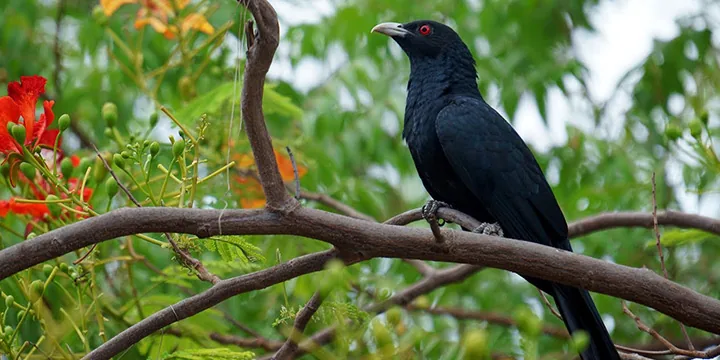
The herald of spring: The Koha bird - a species of cuckoo - returning to Sri Lanka in March is traditionally the first sign that Avurudu approaches. Its distinctive call in the weeks before April is greeted as an auspicious omen. Visitors who arrive in late March may hear locals noting the Koha's return as the informal beginning of the New Year season.
The Neutral Period: Sri Lanka's Most Distinctive Festival Concept
The feature that most distinguishes Avurudu from any Western festival is the Nonagathaya - the neutral period. Between the moment the old year ends and the new year begins, there is a transition gap of approximately 12 hours and 48 minutes during which neither year is active.
This period is not a waiting room. It is a specific cultural space with its own prescribed activities. Work stops. Business transactions are suspended. Material pursuits give way to temple visits, religious observances, and communal games. Some households observe complete fasting during this window. Others gather for music, drumming, and the traditional games that are specifically associated with Avurudu.
The midpoint of the neutral period is considered the most sacred moment - the true instant of transition between years, when the old cycle closes and the new one has not yet fully opened. Families gather for quiet reflection or prayer at this point.
Understanding the Nonagathaya helps explain something that can puzzle visitors who arrive expecting a festival: for roughly half of April 13, nothing "festive" appears to be happening. The country is in the neutral period - observing, not celebrating.
The Rituals, Step by Step
The sequence of Avurudu observances follows a structure that has been consistent for generations, though the specific auspicious times shift each year.
Preparing the Home
In the days before April 13, houses are thoroughly cleaned, freshly painted where possible, and decorated. The cleaning carries ritual significance - clearing out the old year's accumulations, both physical and spiritual - beyond its practical function.
The Last Bath and Herbal Anointing
Before the new year begins, families apply a herbal mixture called nanu - a blend of specific leaves and oils - to the body, followed by a ceremonial bath. This is understood as a cleansing of the old year's burdens and a preparation of the body to receive the new.
Lighting the Hearth
At the astrologically determined auspicious time, the kitchen hearth is lit for the first time in the new year. The direction faced when lighting it, the wood used, and the person who performs the lighting may all be specified by the astrologer's guidance for that particular year.
Boiling the Coconut Milk
An earthenware pot of coconut milk is placed on the lit hearth and allowed to boil until it overflows. The overflow is a symbol of abundance and prosperity - the household that watches its pot overflow with coconut milk in the new year is beginning the cycle with a fortunate omen.
The First Meal
Kiribath - rice cooked in coconut milk - is the quintessential Avurudu first meal. Prepared at an auspicious time, it is eaten facing the direction specified by that year's astrologers, and often served with coconut sambol and the sweet confections that are the signature foods of the season.
The First Business Transaction
Conducting business at an auspicious time formally opens the new economic year. For traders and market vendors this is a moment of significance - the first exchange of money, goods, or produce sets the tone for the year's commerce.
Visiting Relatives and Gifts
The day following the transition is dedicated to visiting. Extended families gather, gifts are exchanged, and the communal dimension of the festival - neighbours, friends, community - takes over from the household rituals of the previous day.
The Foods of Avurudu
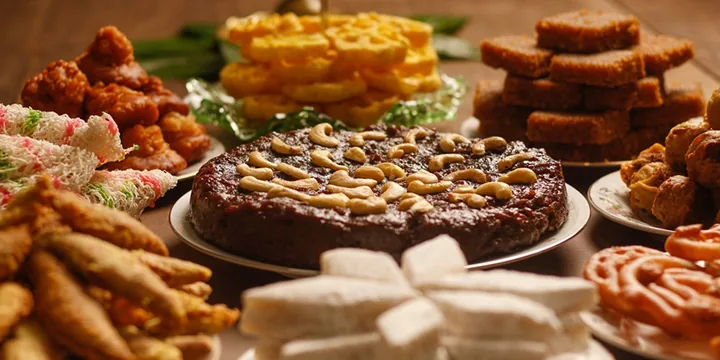
Avurudu food is prepared in the days before the festival, filling kitchens with oil and sugar and the distinctive smell of deep-frying. The traditional confections are specific to this season - they appear at bakeries and in homes only around April, making them a sensory marker of the festival as much as a food.
Kiribath (milk rice) - the ceremonial first food of the new year, rice simmered in thick coconut milk until dense, then cut into diamond portions. Every Avurudu table begins with kiribath.
Kavum - deep-fried oil cakes made from rice flour and treacle, golden-brown and dense. The most iconic Avurudu sweet.
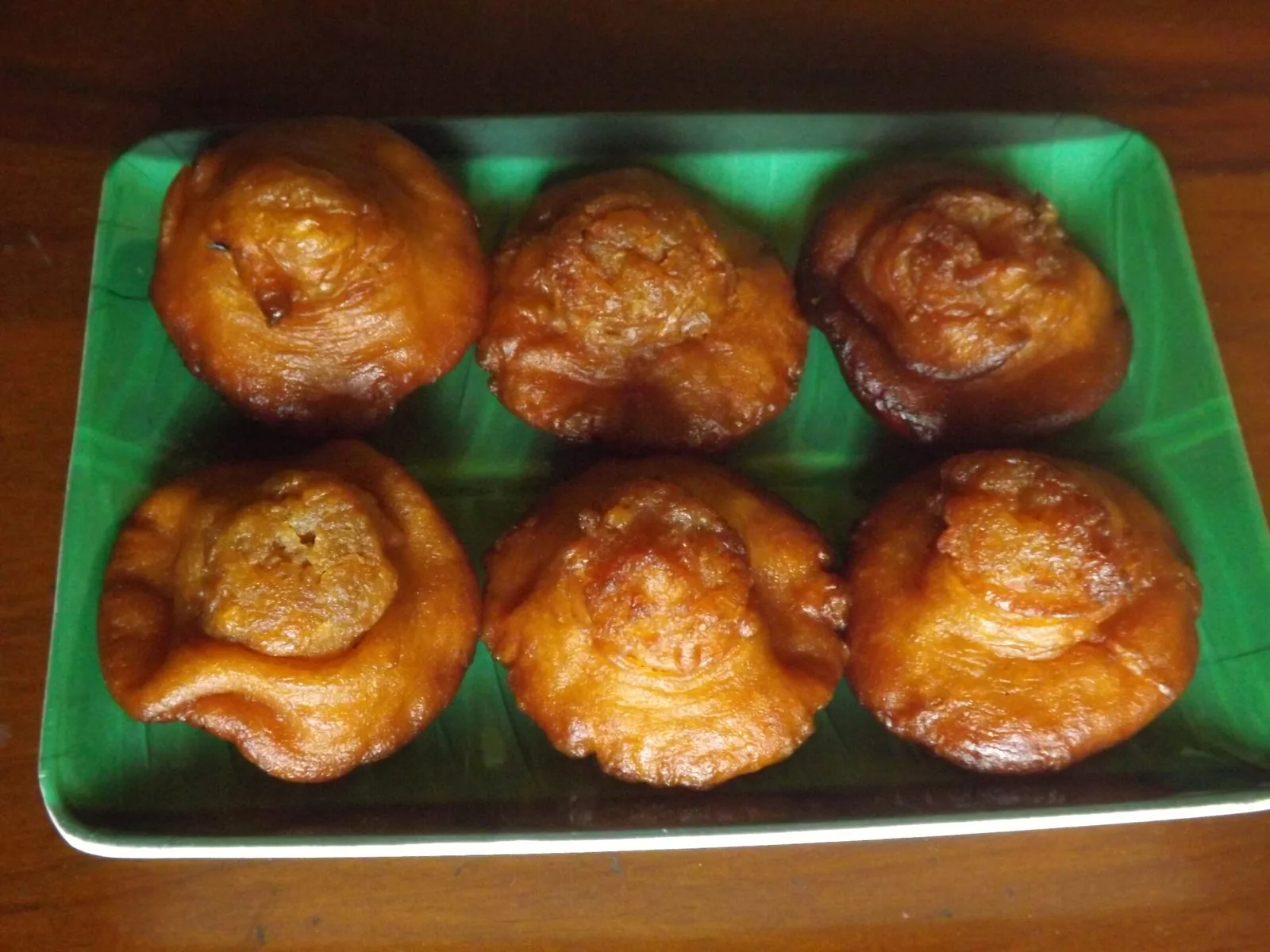
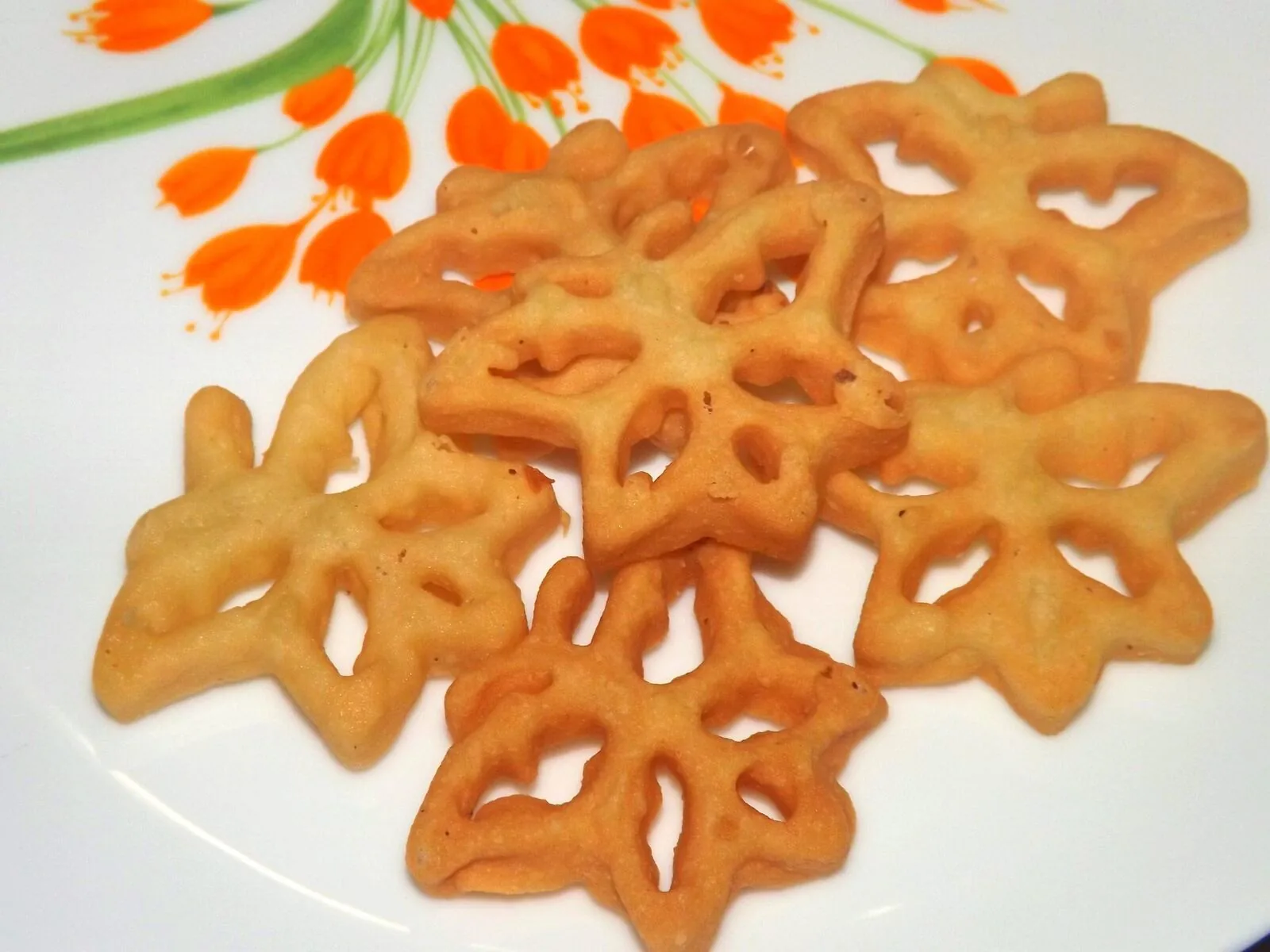
Kokis - crispy, lace-edged fried sweetmeats made by dipping a specially shaped iron mould into rice flour batter and plunging it into oil. The result is a delicate, star-shaped wafer. Kokis originated with Dutch colonisers in the 17th century and were so thoroughly adopted into Sri Lankan tradition that most people are unaware of their European origin.
Aasmi - colourful sweet strips made from rice flour and treacle, steamed and then fried.
Thala Guli - sesame seed balls bound with jaggery; small, intensely flavoured, and addictive.
Tip
For visitors: If you are in Sri Lanka during the New Year period and are invited to share an Avurudu meal with a family, accept without hesitation. This is the most direct cultural experience available to visitors in the country, and sharing kiribath and kavum at a family table on April 14 is unlike any restaurant meal you will have anywhere.
The Games of Avurudu
The neutral period and the days following are when traditional games take over village grounds and open fields. These are not casual diversions - they are a specific cultural function, channelling the transition period into communal, physical, non-material activity.
Pillow fighting on a pole - contestants balance on a suspended log or pole above a pit of water (or mud) and attempt to knock each other off with a pillow. The spectacle is as important as the competition.
Greased pole climbing - a tall pole is coated with grease, and competitors attempt to climb to the top to claim a prize. The slipping and struggling is theatrical, the crowd is involved, and few things more quickly dissolve the boundary between visitor and local than watching this event.
Tug of war - team competition, often organised along village or neighbourhood lines, carrying genuine community pride.
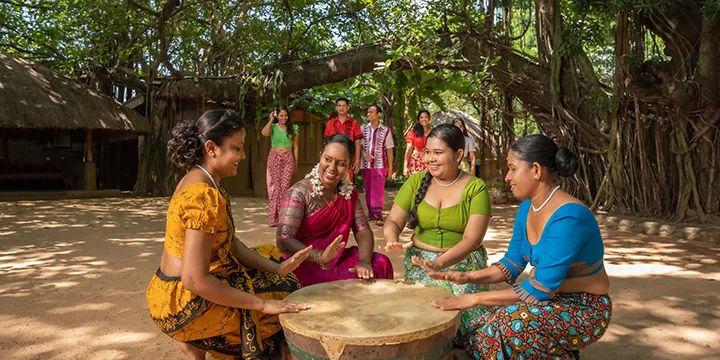
Raban playing - the raban is a flat circular drum traditionally played by women during Avurudu. Groups of women play together in coordinated rhythms, and the sound of raban in the days around April 13 is one of the most distinctive audio markers of the festival.
Olinda Keliya - a board game played with seeds on an intricately carved wooden board, the Sri Lankan equivalent of mancala. It is played quietly in homes and beneath trees throughout the festival period.
Avurudu for Visitors: What to Expect
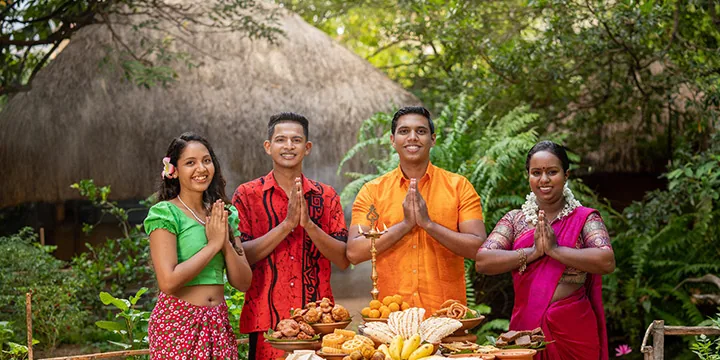
Visiting Sri Lanka during Avurudu requires some planning and flexibility, but the rewards are substantial.
Practical considerations: Most businesses, shops, and government offices close for several days around April 13–14. Transport continues but schedules may be disrupted. Book hotels and restaurants well in advance - the festival period fills up, particularly in Colombo and the cultural triangle.
Where to experience it: Rural and suburban areas offer the most immersive experience - village games, community gatherings, and the full ritual sequence. Colombo has large public celebrations, but the city's festival atmosphere is more diluted. The south coast and hill country villages maintain the most traditional observances.
What to wear: If you are invited to share in family celebrations, modest dress is appropriate. For women, a traditional Kandyan sari or salwar kameez is welcomed and appreciated. For men, a collared shirt and trousers. Bright colours are suitable - Avurudu is a joyful occasion.
Photography: Ask before photographing ritual moments or family ceremonies. Games and public celebrations are generally open to photography. Personal cooking and domestic rituals are private - approach with the same consideration you would give to any family in their home.
Kandy and the surrounding hill country offer some of the most authentic Avurudu experiences in Sri Lanka. Book early - accommodation fills well in advance for the April festival period.
Where to Stay for Avurudu
Hotels near Kandy
Compare prices across Booking.com, Agoda & more
Powered by Travelpayouts · We may earn a small commission at no extra cost to you.
A Festival That Belongs to Everyone
One of Avurudu's most significant qualities is that it belongs equally to Sinhalese and Tamil Sri Lankans - two communities whose relationship has been shaped by decades of tension and conflict. The New Year cuts across that divide. Tamil Puthandu (Tamil New Year) and Sinhala Avurudu fall on the same days, involve similar rituals, share similar foods, and are observed with equal seriousness by both communities.
This shared celebration does not erase the differences or the history. But it is a reminder that the cultural foundations of Sri Lanka's two major communities have more in common than their modern political narratives sometimes suggest. Both communities count the harvest, watch the sun move through the constellations, light their hearths at auspicious times, and eat milk rice in the new year.
For a visitor, experiencing Avurudu - even briefly, even at its edges - is an encounter with something that the island's long and complicated history has not managed to divide. That is rarer and more significant than it might first appear.
Note
Festival calendar note: Avurudu falls on April 13–14 every year. The exact auspicious times for each ritual shift annually based on astronomical calculations. Check Sri Lankan media in early April for that year's published schedule of auspicious times if you want to observe specific ritual moments.
Sri Lanka's festival calendar is one of the richest in Asia. From Avurudu in April to Wesak in May and the Esala Perahera in July, plan your visit around what moves you most.
Plan Your Sri Lanka Festival Trip
Find the best price to Colombo from your city
Search Flights →Compare prices across Booking.com, Agoda & more
Find Hotels →Bus fares, train times and transport options
Plan Transport →Powered by Travelpayouts · We may earn a small commission at no extra cost to you.
Further reading and references:
Related Guides
- Sri Lanka's Traditional Masks: The Art, the Ritual and Where to Find Them
- Angampora: Sri Lanka's Ancient Martial Art That Survived a Colonial Ban
- Kola Kanda: Sri Lanka's Ancient Herbal Porridge and Why Locals Swear by It
- Ceylon Cinnamon: Why Sri Lanka's 'True Cinnamon' Is in a Different Class
Advertisement
Flights, hotels and tours - all in one place.
Plan Your Sri Lanka Trip
Find the best price to Colombo from your city
Search Flights →Compare prices across Booking.com, Agoda & more
Find Hotels →Bus fares, train times and transport options
Plan Transport →Powered by Travelpayouts · We may earn a small commission at no extra cost to you.
Leave a Comment
Share your thoughts, questions, or travel experiences
Keep Exploring
 Food & Drink
11 min read
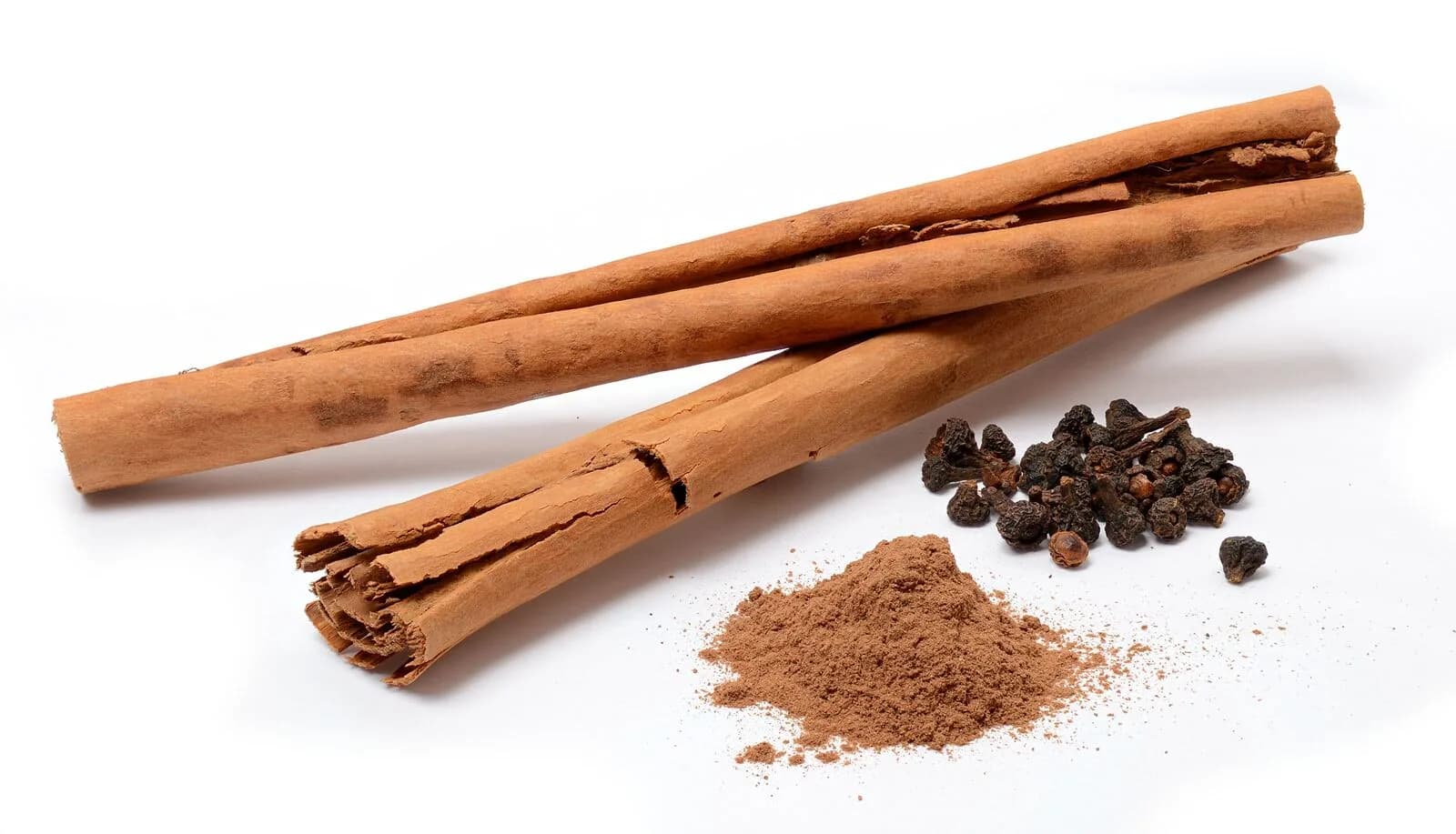
Ceylon Cinnamon: Why Sri Lanka's 'True Cinnamon' Is in a Different Class
Read →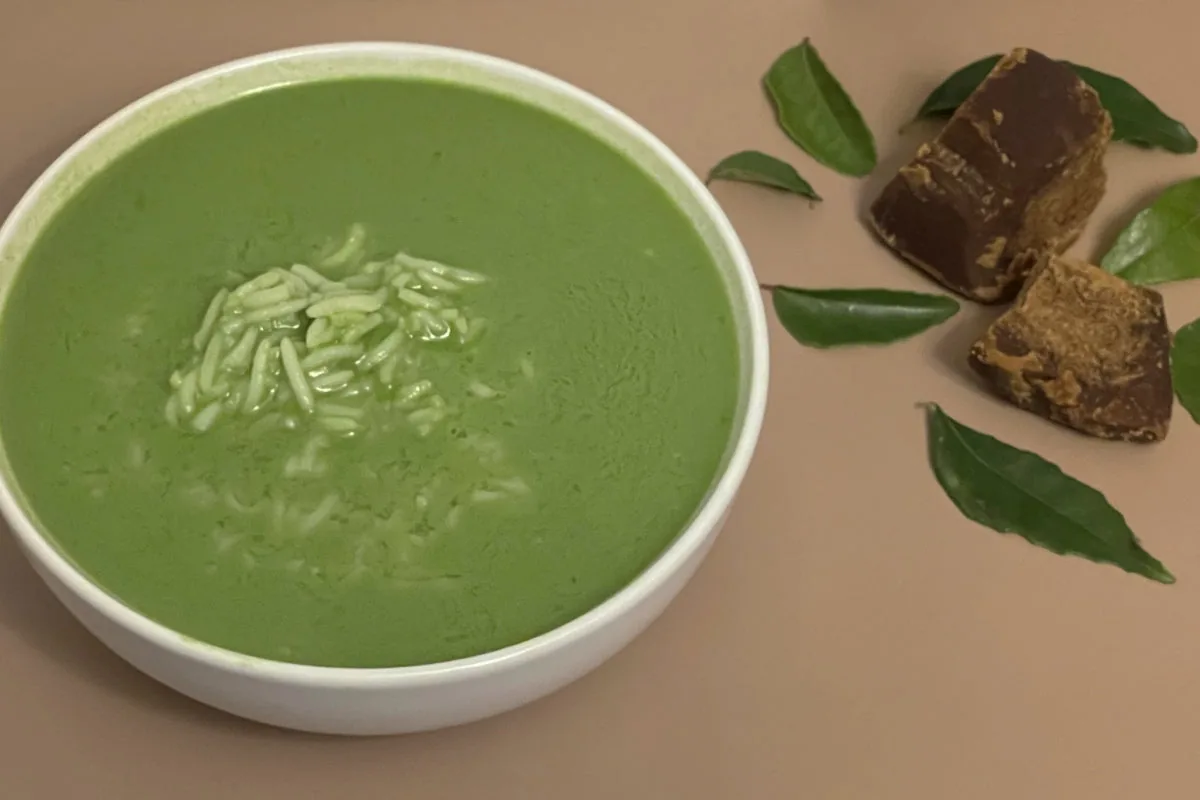 Food & Drink
10 min read
Kola Kanda: Sri Lanka's Ancient Herbal Porridge and Why Locals Swear by It
Read → Culture
9 min read