The cinnamon in your kitchen cupboard is almost certainly not cinnamon.
It is likely cassia - a related but distinct spice from China, Vietnam, or Indonesia, sold under the same name, cheaper to produce, and carrying a coumarin content that European food regulators have flagged as a liver toxicity concern at high doses. The global spice trade has blurred this distinction so thoroughly that most people in the world have never tasted real cinnamon.
Real cinnamon - Cinnamomum verum, the spice that ancient Egypt imported for embalming pharaohs, that Arab traders kept secret for a millennium, that Dutch colonisers fought a war to control, and that the botanical world named after the island where it grows - comes almost exclusively from Sri Lanka. The country produces 80 to 90 percent of the world's supply. Its botanical Latin name, Cinnamomum zeylanicum, encodes this directly: zeylanicum means "of Ceylon."
This is the full story of Ceylon cinnamon: where it comes from, how it differs from what most of the world eats, what the science says about its health properties, and how it is still made - entirely by hand - in the coastal lowlands of southern Sri Lanka.
Fly into Colombo (CMB) and explore the cinnamon-growing heartland of Sri Lanka's southern coast - one of the most distinctive agricultural landscapes in Asia.
Planning a Trip to Sri Lanka?
Flights to Sri Lanka
Find the best price to Colombo from your city
Powered by Travelpayouts · We may earn a small commission at no extra cost to you.
Tip
Our take: We visited cinnamon plantations in both Matale and the Galle district. The peeling demonstration - bark stripped and rolled into quills in one fluid motion by workers who have done it ten thousand times - is one of those process-watching moments that stays with you long after other memories fade.
The Plant Behind the Spice
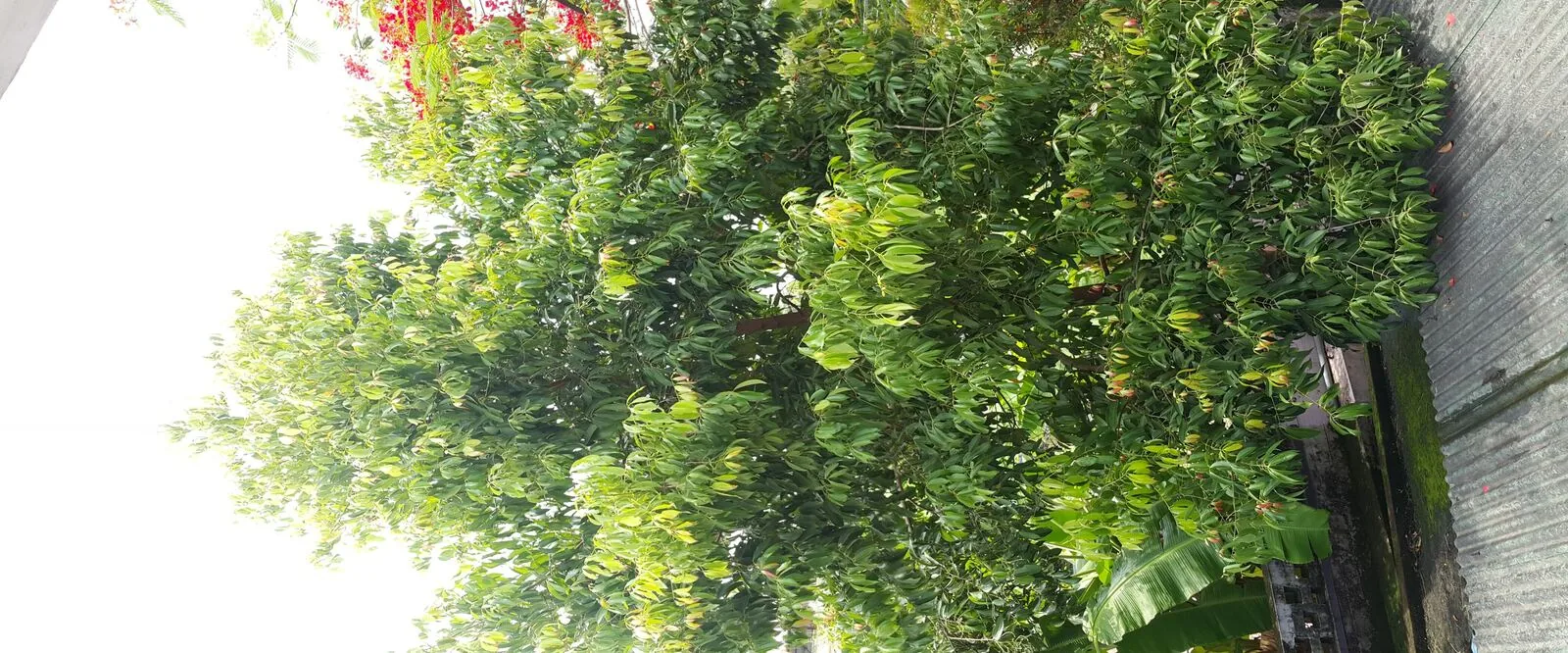
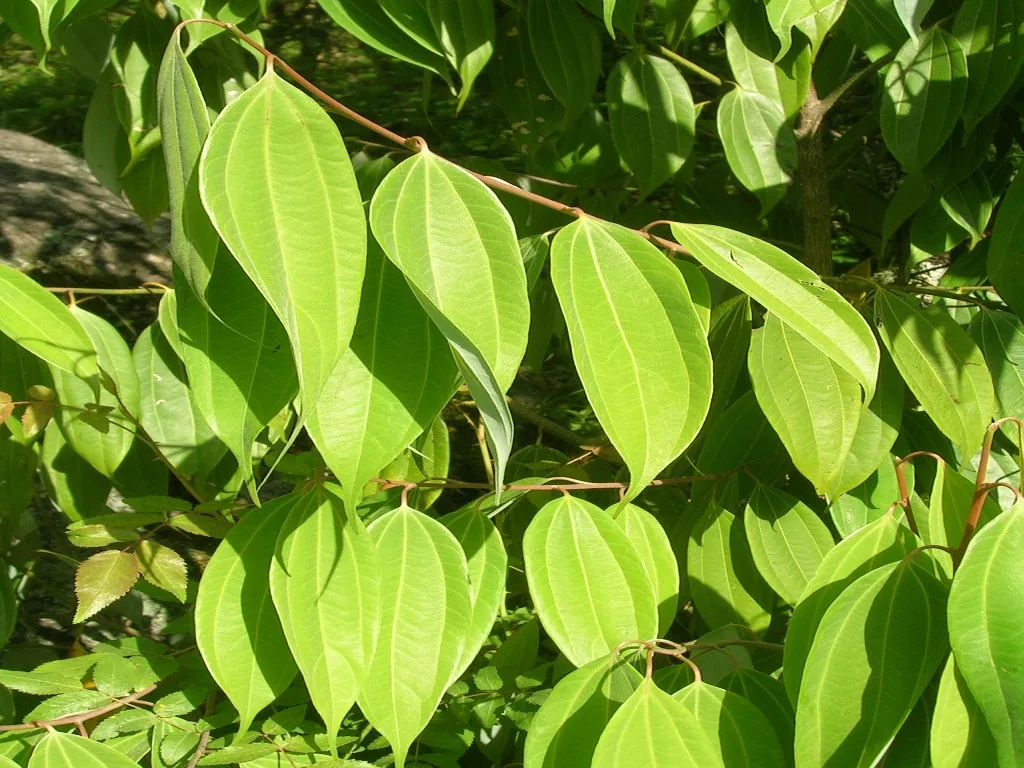
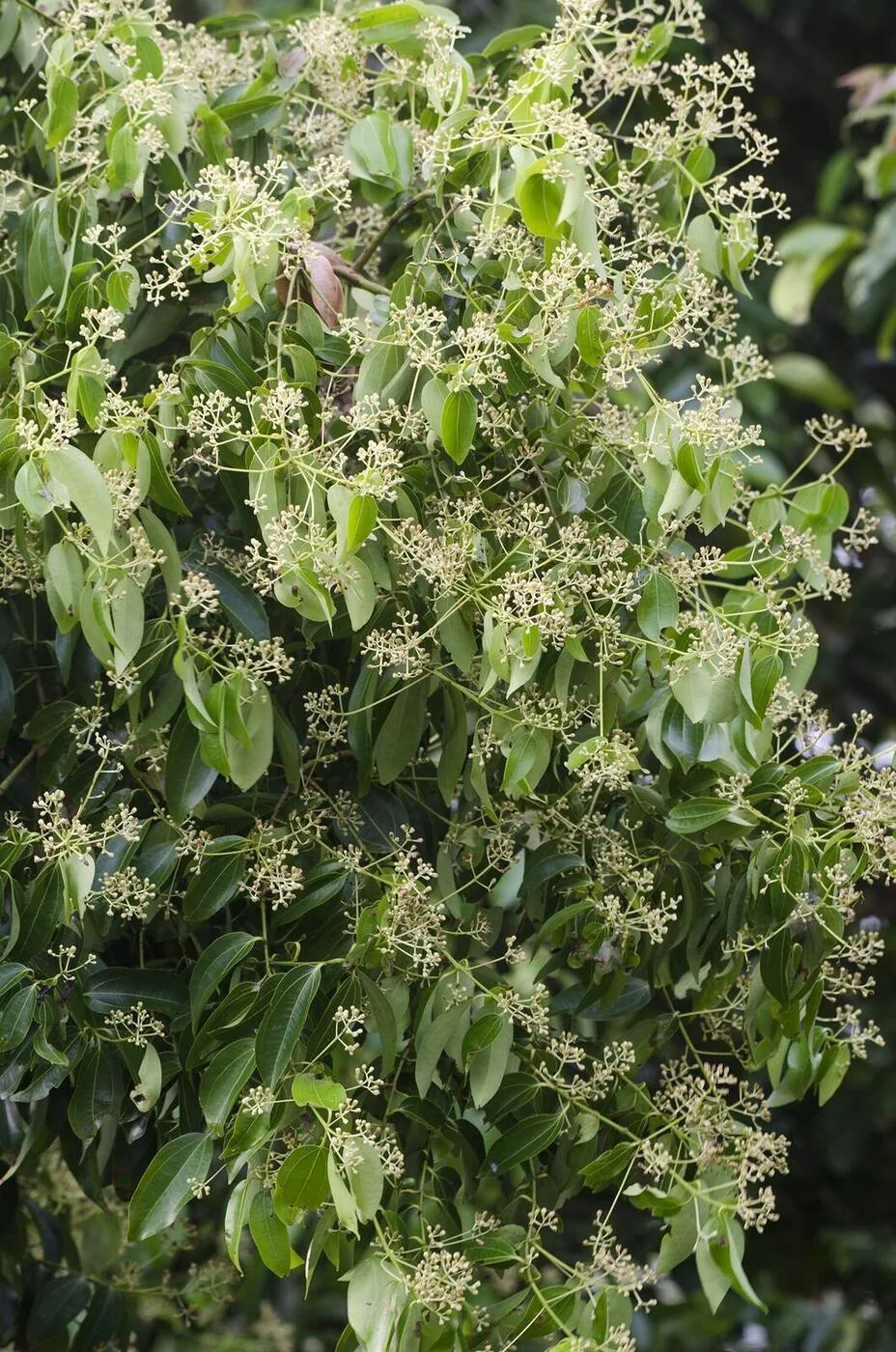
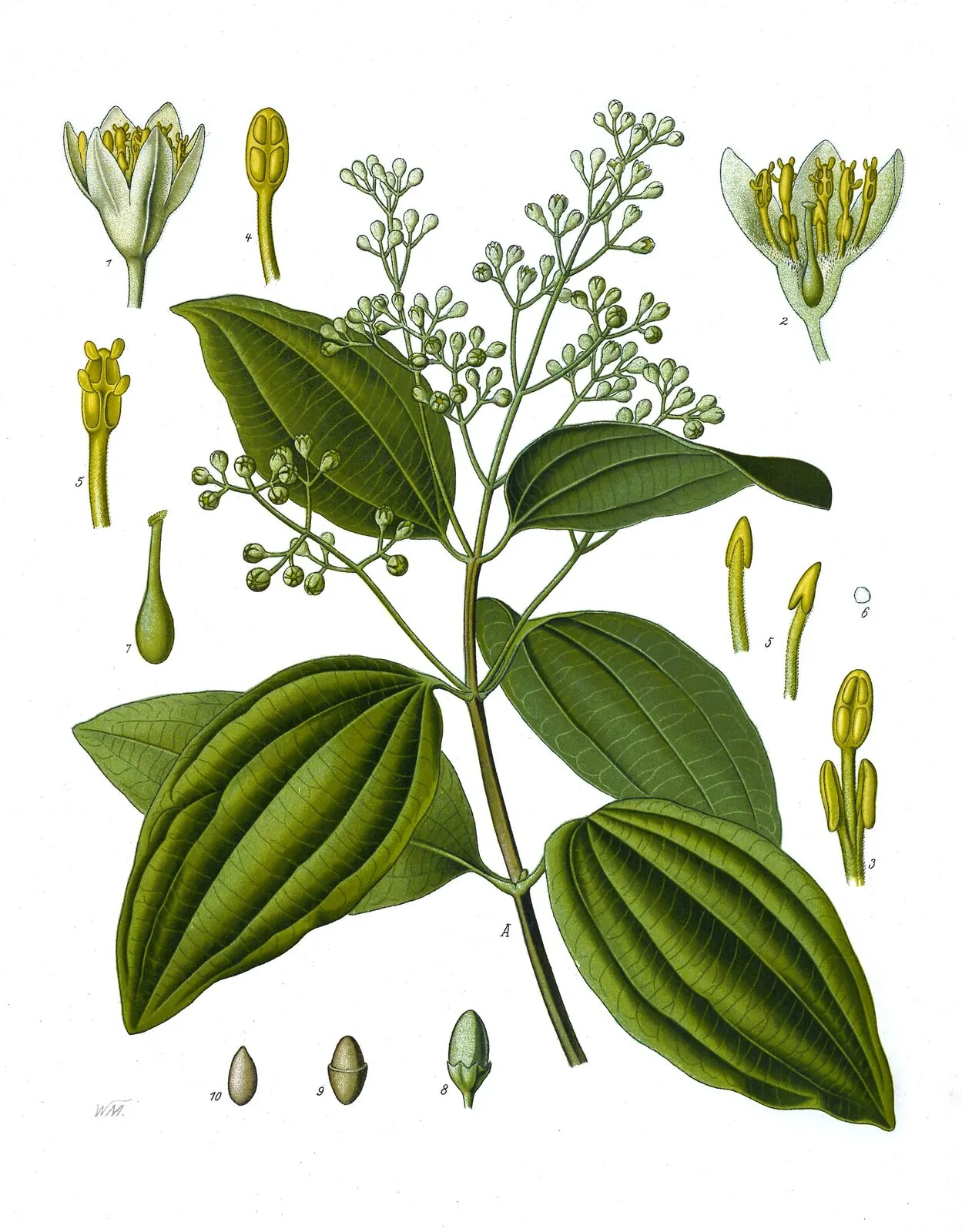
Ceylon cinnamon is a small evergreen tree in the Lauraceae family - the same botanical family as avocados and bay laurel. In the wild it can reach 10 to 15 metres. In cultivation it is kept much smaller, typically under 3 metres, through a process called coppicing: cutting the tree to near ground level every two years so it sends up a dense flush of new straight shoots, which are the source of the bark.
The tree's young leaves are a striking copper-red when they first emerge, shifting to deep glossy green as they mature. The flowers are small and cream-coloured, followed by dark purple berries. Every part of the plant - bark, leaves, twigs, buds, berries - carries the characteristic volatile oil that gives cinnamon its flavour, though the bark of young shoots is where the concentration and quality are highest.
A Thousand Years of Deliberate Mystery
Few spices have a history as dramatic as cinnamon, and much of that drama stems from the extraordinary lengths to which ancient traders went to conceal where it actually came from.
Egypt was importing cinnamon as early as 2000 BC, using it in religious rituals, embalming, and medicine. It was considered a gift appropriate for monarchs and deities - not a kitchen spice but a substance of genuine power and rarity. In the ancient Mediterranean world, cinnamon was more valuable than gold by weight.
The Greeks and Romans knew cinnamon well - the 7th-century BC poet Sappho mentions it by name - but had no accurate idea of its origin. Arab traders who controlled the overland supply routes maintained deliberate misinformation about where cinnamon grew, because knowing the source would allow competitors to trade directly and collapse their monopoly pricing. Herodotus, writing in the 5th century BC, recorded the story that cinnamon was collected from birds' nests in an unknown land and could only be obtained by leaving out large cuts of meat for the birds to carry away, dropping the cinnamon as they flew. He knew this sounded improbable. He repeated it anyway, because no better information existed.
Medieval Europeans believed cinnamon came from somewhere near the Nile, possibly Ethiopia. Around 1270, the Persian geographer Zakariya al-Qazwini became one of the first writers to specifically identify Sri Lanka as its true source - but the knowledge remained obscure in Europe for another two centuries.
The situation changed decisively when Portuguese sailors arrived in Sri Lanka in the early 16th century and found cinnamon growing along the southwestern coast. Within decades, Portugal had established a trading monopoly. The Dutch East India Company expelled the Portuguese from Ceylon in 1658 and held the cinnamon trade as their most profitable single commodity for over a century. The British seized Ceylon from the Dutch in 1796 and continued the monopoly structure.
Throughout this period, cinnamon was so economically significant that colonial powers treated it as a strategic resource. The Dutch at one point ordered the destruction of cinnamon trees outside Dutch-controlled areas to maintain price levels - an early example of deliberate supply manipulation on a continental scale.
Note
Name and identity: The botanical name Cinnamomum zeylanicum - the Latin synonym for C. verum - literally means "cinnamon of Ceylon." Sri Lanka's identity as the home of true cinnamon is embedded in the plant's scientific name. No other agricultural product has this relationship with the island quite so directly.
Ceylon vs. Cassia: The Difference That Actually Matters
The global cinnamon market is dominated by four species, and only one of them is what most consumers think they are buying:
| Species | Common Name | Primary Source | Coumarin Level |
|---|---|---|---|
| C. verum | Ceylon / True Cinnamon | Sri Lanka | 0.007–0.9 mg/g (negligible) |
| C. cassia | Chinese Cassia | China | 0.09–12 mg/g (high) |
| C. burmannii | Indonesian Cassia | Indonesia | Variable (high) |
| C. loureiroi | Vietnamese Cassia | Vietnam | Variable (high) |
In 2023, global cinnamon production totalled approximately 238,000 tonnes. China produced 39 percent, Vietnam around 27 percent, Indonesia around 23 percent - virtually all of it cassia. Sri Lanka produced 22,410 tonnes - less than 10 percent of world volume - but nearly all of the world's genuine C. verum.
The Coumarin Problem
The distinction matters because of coumarin - a naturally occurring compound that acts as a blood thinner and, at elevated doses, causes liver damage. Cassia cinnamon contains coumarin at levels between 0.09 and 12 milligrams per gram. The European Food Safety Authority has set a maximum tolerable daily intake of 0.1 mg coumarin per kilogram of body weight. For a 60 kg adult, that is 6 mg per day - an amount achievable with as little as half a gram of cassia powder.
Ceylon cinnamon contains coumarin at 0.007 to 0.9 mg/g - so low that the same calculation produces a safe daily intake measured in hundreds of grams. Effectively, coumarin toxicity is not a concern with genuine Ceylon cinnamon at any realistic consumption level.
This is why the European Union has introduced specific limits on coumarin in baked goods, and why food researchers recommend that anyone taking cinnamon as a supplement or consuming large regular quantities should verify they are using Ceylon rather than cassia.
Taste and Texture
The flavour difference is equally significant. Ceylon cinnamon is delicate, complex, and subtly sweet, with floral top notes and lower heat than cassia. It is the preferred cinnamon for desserts, chocolates, and preparations where cinnamon is a feature rather than background warmth.
Cassia is stronger, spicier, and more pungent - it handles baking heat better and tends to dominate whatever it is added to. Most of the cinnamon flavour in mainstream commercial products (biscuits, cereals, flavoured coffees) is cassia, because its intensity makes it cost-effective at small quantities.
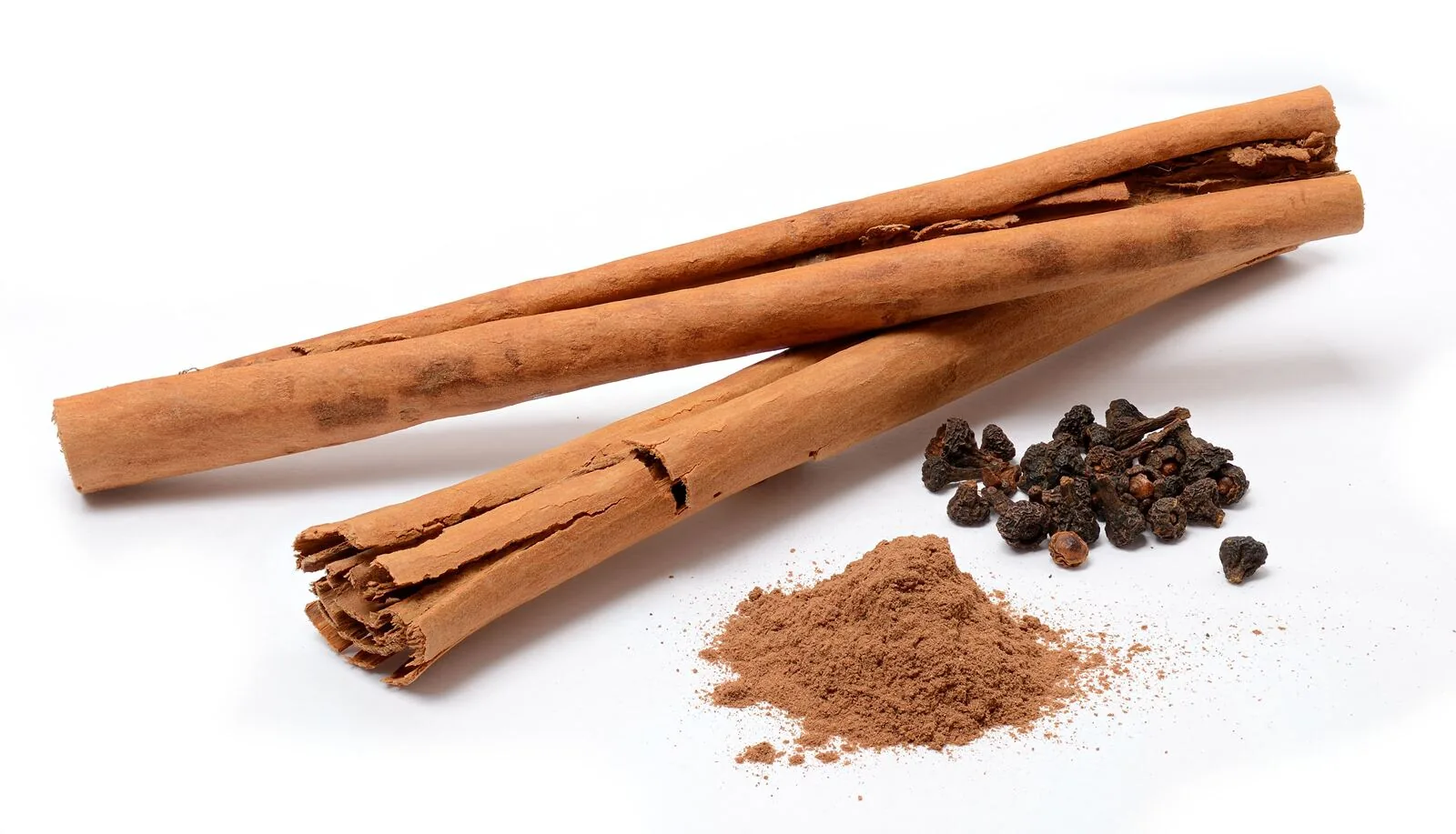
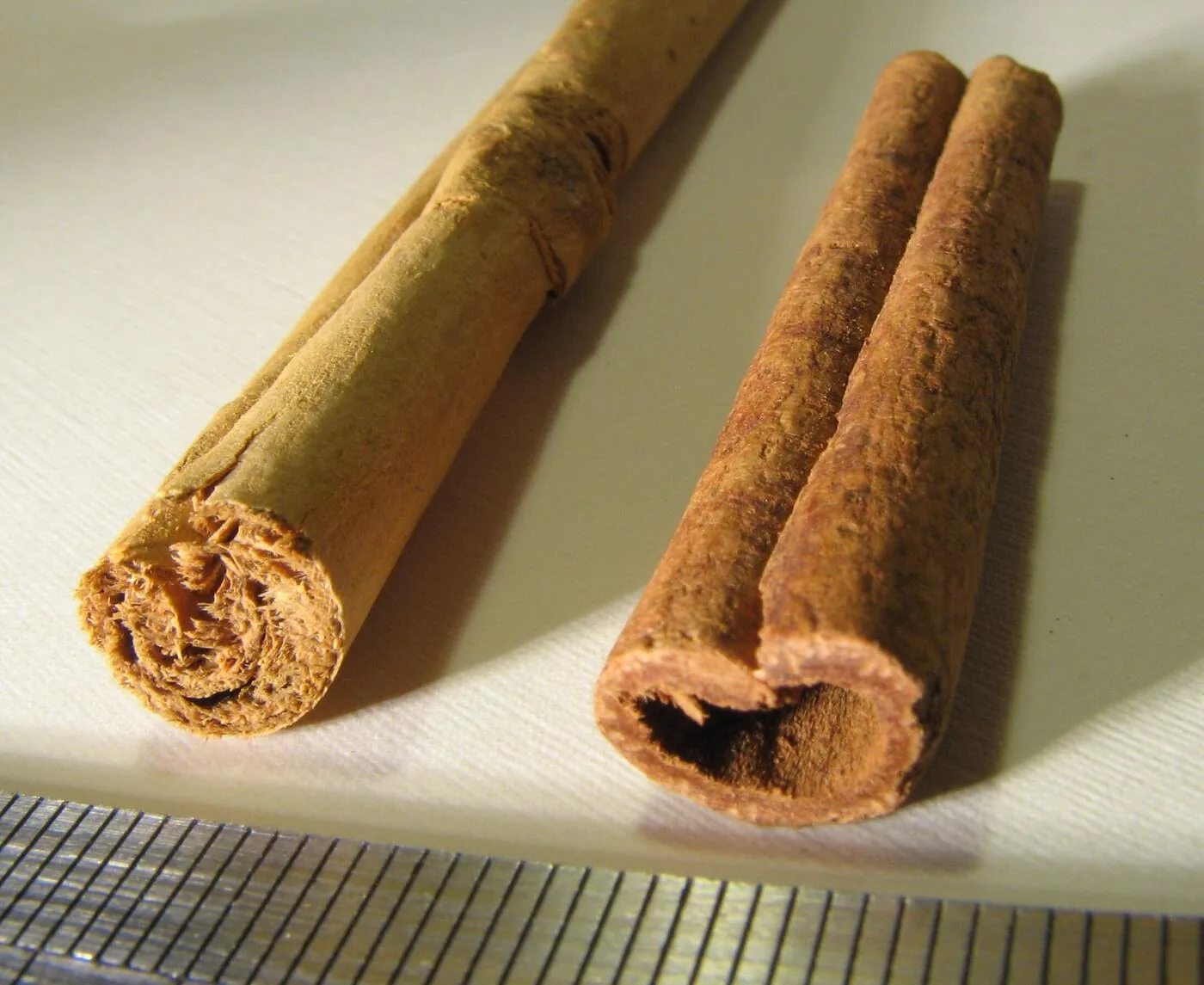
Ceylon quills are immediately recognisable by their multiple thin, layered sheets - the inner bark only, approximately 0.5 mm thick, rolled from multiple pieces. They are pale tan, fragile, and easily ground in a standard coffee grinder. Cassia sticks are a single thick tube of dark reddish-brown woody bark, 2 to 3 mm thick, which can damage grinders and takes much longer to dissolve when cooked.
Tip
The iodine test: A reliable field test for distinguishing Ceylon from cassia - put a drop of iodine tincture on the ground powder. Authentic Ceylon cinnamon shows minimal reaction. Cassia turns deep blue-black immediately, indicating the presence of starch from the thicker outer bark layers. This test works on both powder and stick forms.
How Ceylon Cinnamon Is Made
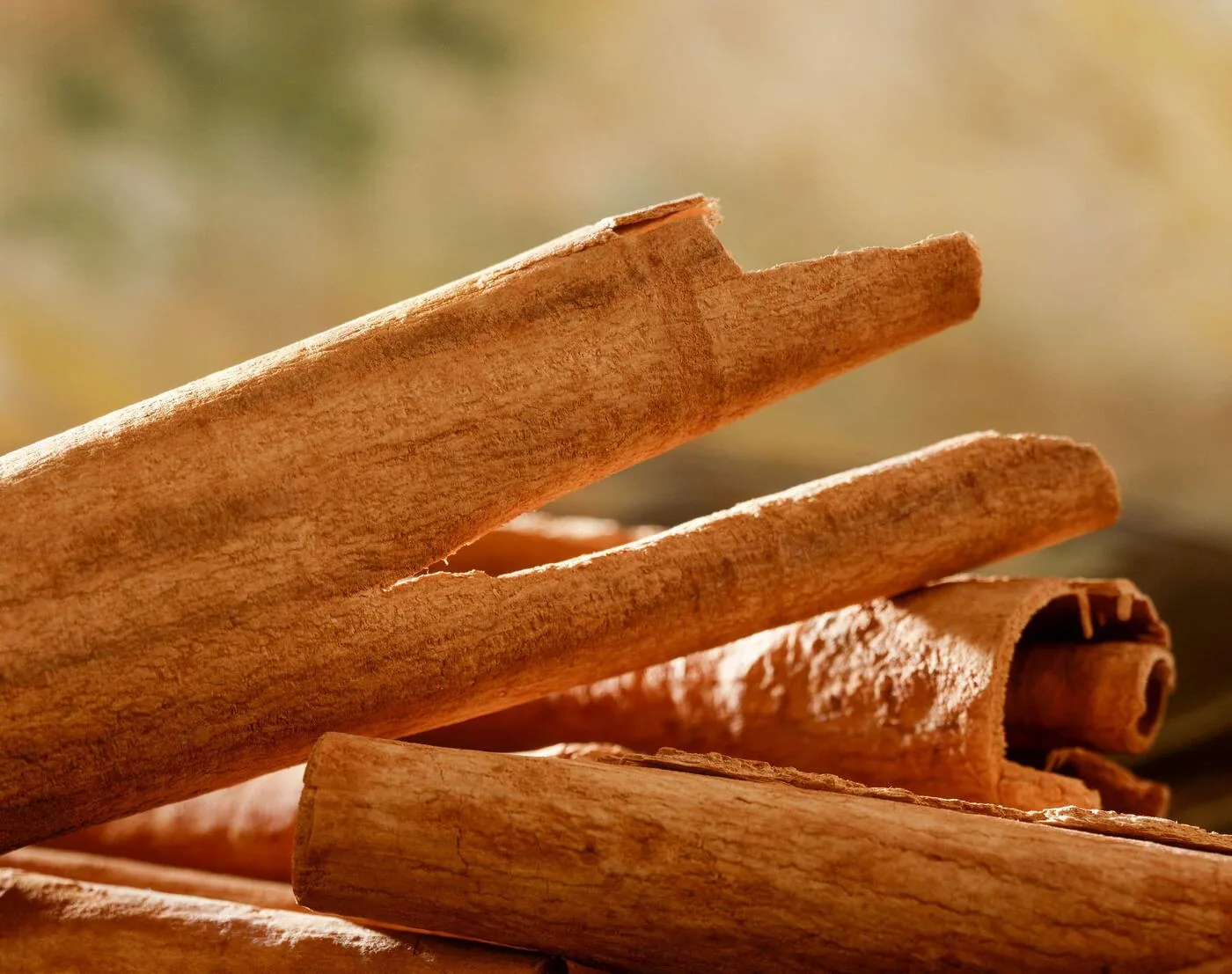
Ceylon cinnamon processing is among the most labour-intensive spice production processes in the world. No commercially viable mechanisation exists for the core peeling and rolling work. Every quill is made by hand.
The process begins with young shoots from coppiced trees - lateral branches between 1.5 and 5 cm in diameter are selected and cut. Timing matters: stems must be processed immediately after harvesting while the inner bark is still wet and pliable, before it begins to dry and separate unevenly.
The peeling sequence:
- The outer bark is scraped away with a curved brass blade, removing the rough grey exterior
- A brass rod is rubbed firmly along the stem to loosen the inner bark from the wood beneath
- The bark is split with a knife and peeled away in as large an intact sheet as possible
- Workers piece together matching sections to form a continuous cylinder - the ideal quill is approximately 107 cm long
- Trimmings and smaller pieces are packed inside the outer shell to maintain the cylindrical form
The filled quills are then dried for 4 to 6 hours in a warm, well-ventilated space, followed by several more days of drying in shade and darkness. They are periodically rolled on boards to tighten the fill and maintain shape. Final drying occurs in subdued sunlight, after which quills are cut to 5 to 10 cm retail lengths.
The entire process - from cutting the shoot to finished quill - is done by skilled workers who have typically learned from their parents or grandparents. The knowledge is generational, and the speed and quality of an experienced peeler cannot be replicated by someone new to the work.
Grading
Finished Ceylon cinnamon is graded by quill diameter and quality:
| Grade | Description |
|---|---|
| Alba | Finest grade, quill diameter max 6 mm - most expensive |
| Continental | Slightly larger, premium grade |
| Mexican | Medium grade |
| Hamburg | Standard commercial grade |
| Quillings / Featherings / Chips | Off-cuts and smaller pieces - sold for grinding |
Alba grade Ceylon cinnamon can command prices more than ten times higher than equivalent-weight cassia on international markets.
Health Benefits: What the Research Shows
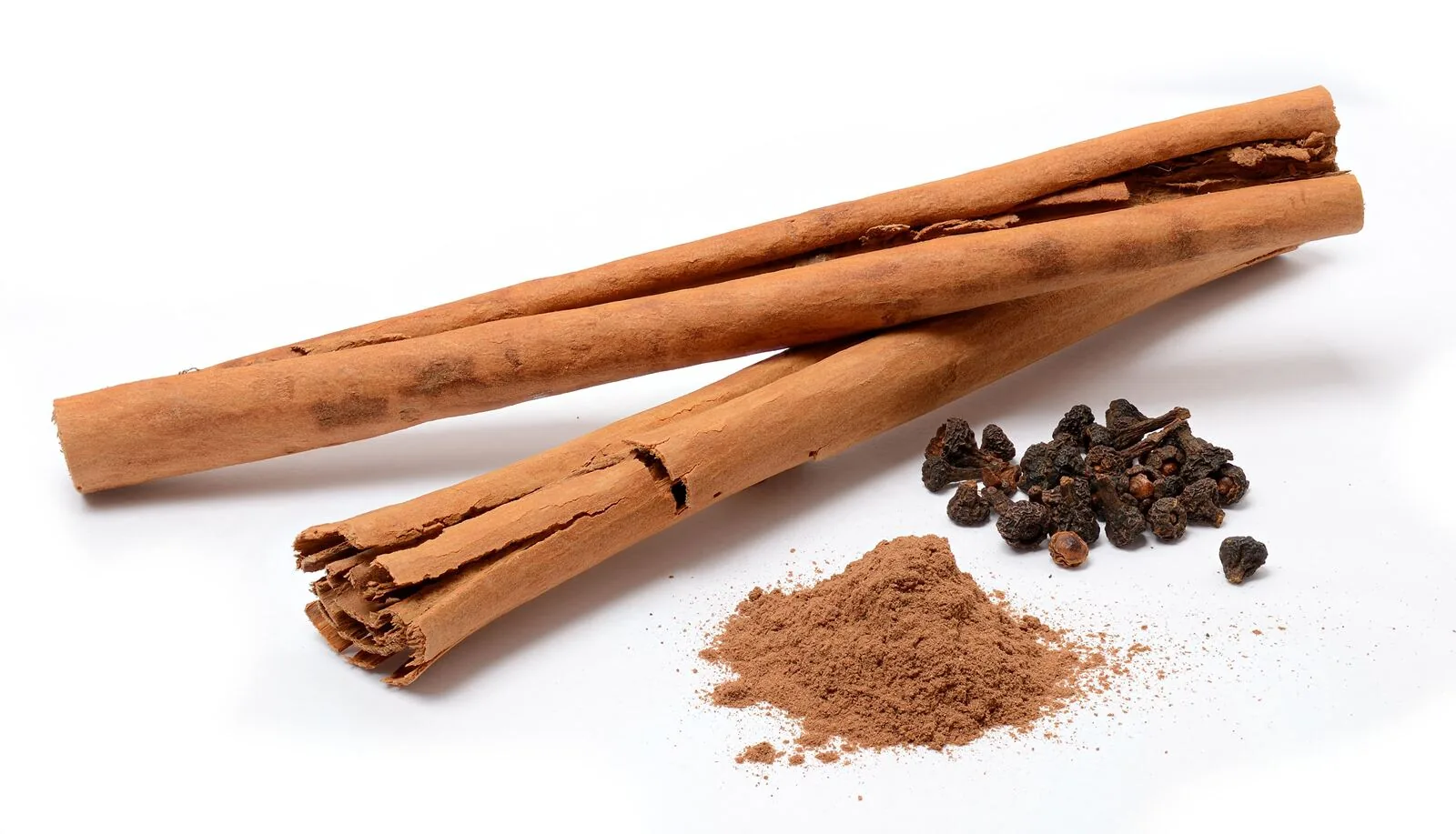
Ceylon cinnamon has been the subject of significant scientific research, particularly around metabolic health. The evidence is promising in several areas, though researchers consistently note that higher-quality trials are needed.
Blood Sugar Regulation
The most studied application is blood glucose management. A 2023 meta-analysis found that cinnamon supplementation leads to modest but statistically significant decreases in fasting plasma glucose and haemoglobin A1C levels - both key markers in diabetes management. Multiple earlier reviews from 2012 to 2019 showed consistent effects on fasting glucose, with more variable results on long-term glycaemic control.
The active compounds responsible appear to include cinnamaldehyde (the primary volatile component, comprising 49 to 75 percent of Ceylon's essential oil) and various polyphenols that improve insulin sensitivity at the cellular level.
Note
Important distinction: Most cinnamon-diabetes research uses cassia rather than Ceylon cinnamon. Research specifically on C. verum as a diabetes intervention is more limited, and the higher polyphenol but lower cinnamaldehyde content of Ceylon means the two species may produce different effects. The Wiley/Plants People Planet review (Suriyagoda et al., 2021) specifically calls for more research on Ceylon cinnamon's distinct bioactive profile.
Cardiovascular Health
A 2017 meta-analysis found that cinnamon supplementation was associated with lower total cholesterol and reduced triglycerides - two important cardiovascular risk markers. Effects on LDL and HDL cholesterol were not statistically significant in the pooled data, but the lipid-lowering signal across multiple trials suggests a genuine biological mechanism.
Antimicrobial and Antioxidant Properties
Both bark and leaf extracts of Ceylon cinnamon demonstrate strong antimicrobial activity against a range of bacterial and fungal pathogens. The essential oil - rich in cinnamaldehyde and eugenol - has documented antifungal properties. Food science researchers have investigated using Ceylon cinnamon extracts to extend the postharvest shelf life of perishable foods as a natural preservative.
The antioxidant capacity of Ceylon cinnamon is high, attributable primarily to polyphenolic compounds. Antioxidants reduce oxidative stress in cells, which is associated with inflammation, ageing, and various disease processes.
Neurological Research
Preliminary research has investigated cinnamon's potential role in managing neurological diseases. Laboratory studies suggest that cinnamon compounds may inhibit the formation of tau protein aggregates and beta-amyloid oligomers - two molecular processes associated with Alzheimer's disease progression. This research is at an early stage and far from clinical application, but it represents an active area of investigation.
Traditional and Ayurvedic Uses
Within Sri Lankan traditional medicine and the broader Ayurvedic system, cinnamon has been used for centuries as a digestive aid, anti-inflammatory agent, and circulatory stimulant. It appears in preparations for respiratory conditions, menstrual irregularities, and as a general tonic for energy and vitality. These applications predate modern pharmacology by millennia and represent a body of empirical knowledge that contemporary researchers are beginning to systematically investigate.
Sri Lanka's Cinnamon Industry Today
Cinnamon is Sri Lanka's second-highest agricultural export earner after tea, generating USD 211 million in export revenue in 2023. Over 350,000 families across the country are directly involved in cultivation, processing, or trade - making it one of the most socially significant agricultural sectors on the island.
The cinnamon-growing region is concentrated in the southern and south-western coastal lowlands, particularly around Galle, Matara, and Kalutara districts. The climate of this zone - warm, wet, with annual rainfall of 2,000 to 2,500 mm and average temperatures around 27°C - is close to ideal for C. verum.
Sri Lanka's production increased by approximately 52 percent over the decade to 2021, driven by expanding cultivation area and improved agronomic practices. The country is actively investigating selective breeding and genomic approaches to improve yield and disease resistance while maintaining the quality characteristics that distinguish Ceylon cinnamon in international markets.
The industry faces two persistent challenges: adulteration fraud and mechanisation. Cassia is frequently mixed with Ceylon bark and sold as genuine, particularly in powder form where visual identification is impossible. The iodine test provides a simple check, but comprehensive laboratory analysis is needed for certainty. On mechanisation, pilot programmes using partially mechanised peeling equipment have been trialled, though the full quill-rolling process has not yet been successfully mechanised at commercial scale.
Galle Fort makes an ideal base for exploring the cinnamon-growing districts of southern Sri Lanka. Stay in the Fort itself and take day trips to spice gardens in the surrounding lowlands.
Where to Stay near Sri Lanka's Cinnamon Country
Hotels near Galle
Compare prices across Booking.com, Agoda & more
Powered by Travelpayouts · We may earn a small commission at no extra cost to you.
Buying Authentic Ceylon Cinnamon
Whether you are shopping in Sri Lanka or looking for Ceylon cinnamon at home, a few practical points apply:
In Sri Lanka: Spice gardens throughout the south and hill country offer tours where you can see cinnamon being processed and buy directly. These are among the most reliable sources of authentic product. Look for quills rather than powder - the layered structure is immediately distinguishable from cassia, and reputable sellers will know which grade they are selling.
Grading matters: Alba grade is the finest and most expensive. For cooking and health use, Continental or Mexican grade delivers excellent quality at lower cost. Quillings and chips are suitable for grinding at home and considerably cheaper per kilogram.
Powder caution: Pre-ground cinnamon from any source is difficult to verify without laboratory testing. If you want to be certain of what you are using, buy quills and grind them yourself. A standard coffee or spice grinder handles Ceylon quills easily - the delicate layered structure crumbles readily, unlike cassia which requires significant force.
Smell and taste: Genuine Ceylon cinnamon has a more complex, floral, subtly sweet aroma than cassia. Side-by-side comparison is the clearest way to understand the difference. If you have only ever smelled cassia, Ceylon will seem surprisingly delicate.
Tip
Visiting a spice garden: Spice tours around Galle, Matara, and the hill country near Kandy typically include cinnamon, cardamom, pepper, cloves, and nutmeg. Most offer free tours with the expectation that you will buy - prices are generally fair and quality reliable. Avoid purchasing spices from tuk-tuk drivers or unsolicited guides, who may take a substantial commission from shops with lower quality standards.
Why Ceylon Cinnamon Matters Beyond the Kitchen
The story of Ceylon cinnamon is, in microcosm, a story about the relationship between knowledge and value. For a thousand years, the Arab traders who controlled the spice routes maintained high cinnamon prices through deliberate misinformation about its origins. When the Portuguese discovered the truth, they replaced that monopoly with a colonial one. When the Dutch expelled the Portuguese, they used military force to maintain theirs.
Throughout these transitions, the farmers and peelers of Sri Lanka's southern coast continued doing what they had always done: harvesting young shoots by hand, scraping bark with brass blades, rolling quills that would travel across the world to kitchens that had no idea where they came from.
That work continues today. The tools and techniques have changed little. The knowledge is still passed between generations by demonstration rather than documentation. And the result - pale, delicate, layered cylinders of the world's only true cinnamon - is still almost entirely made by hand, in Sri Lanka, by people whose families have been doing this for centuries.
That is what you are buying when you buy genuine Ceylon cinnamon. It is worth knowing.
Combine cinnamon gardens, Galle Fort, Yala National Park, and the south coast beaches for a complete southern Sri Lanka experience.
Plan Your Sri Lanka Spice Journey
Find the best price to Colombo from your city
Search Flights →Compare prices across Booking.com, Agoda & more
Find Hotels →Bus fares, train times and transport options
Plan Transport →Powered by Travelpayouts · We may earn a small commission at no extra cost to you.
Further reading and references:
- Cinnamon - Wikipedia
- Suriyagoda et al. (2021): "Ceylon cinnamon: Much more than just a spice" - Plants, People, Planet
- European Food Safety Authority - Coumarin in Food
- Sri Lanka Export Development Board - Cinnamon Suppliers
Related Guides
- Kola Kanda: Sri Lanka's Ancient Herbal Porridge and Why Locals Swear by It
- Sri Lanka's Traditional Masks: The Art, the Ritual and Where to Find Them
- Sinhala & Tamil New Year: Sri Lanka's Most Important Festival Explained
- Angampora: Sri Lanka's Ancient Martial Art That Survived a Colonial Ban
Advertisement
Flights, hotels and tours - all in one place.
Plan Your Sri Lanka Trip
Find the best price to Colombo from your city
Search Flights →Compare prices across Booking.com, Agoda & more
Find Hotels →Bus fares, train times and transport options
Plan Transport →Powered by Travelpayouts · We may earn a small commission at no extra cost to you.
Leave a Comment
Share your thoughts, questions, or travel experiences