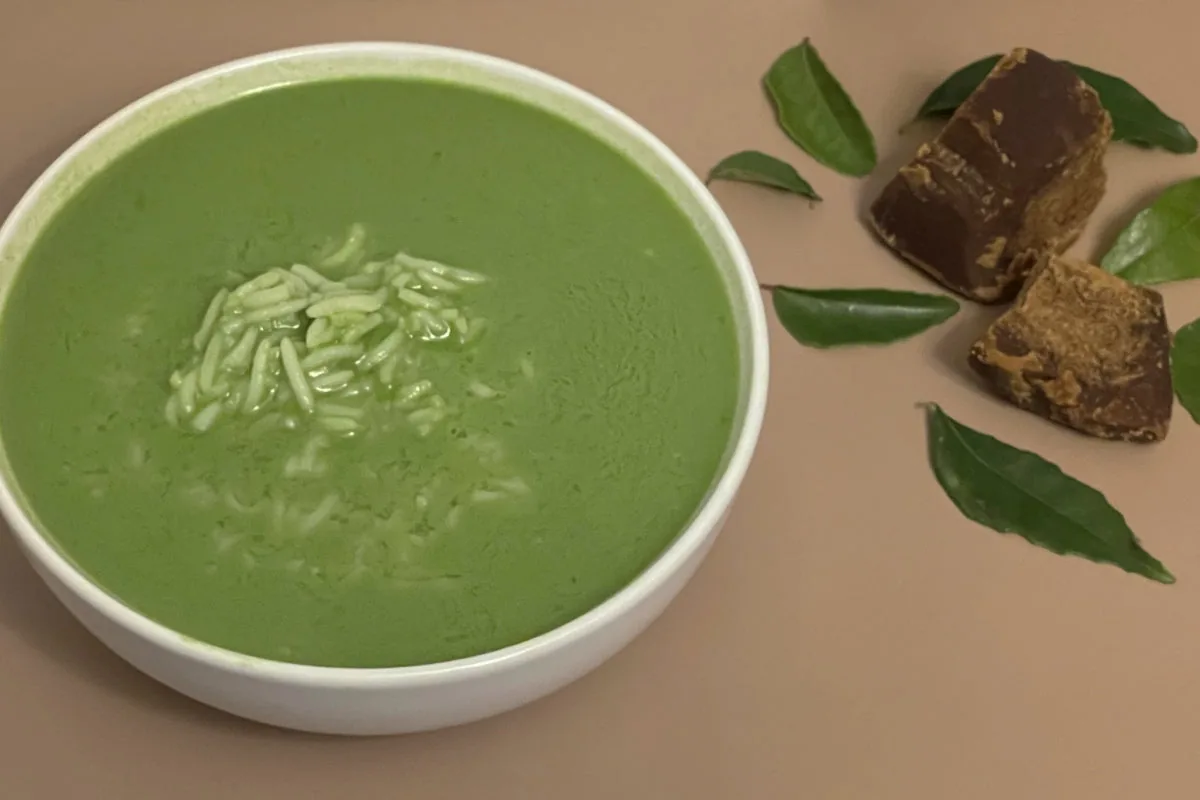
Order breakfast at a local Sri Lankan tea shop and you will almost certainly encounter it: a bowl of something vivid green, steam rising, served with a small piece of jaggery on the side. It looks simple. It tastes earthy and faintly sweet. And according to everyone who grew up drinking it, there is nothing better for starting the day.
Kola Kanda - literally leaf porridge in Sinhala - is one of Sri Lanka's oldest and most enduring food traditions. Long before it appeared on wellness menus and health food blogs, it was being ladled out at Buddhist monasteries, village tea counters, and family kitchens across the island. It has been eaten the same way, for the same reasons, for well over a thousand years.
Fly into Colombo (CMB) and discover Sri Lanka's extraordinary food culture - from Kola Kanda at dawn to rice and curry at noon.
Planning a Trip to Sri Lanka?
Flights to Sri Lanka
Find the best price to Colombo from your city
Powered by Travelpayouts · We may earn a small commission at no extra cost to you.
Tip
Our take: We drink kola kanda whenever it is offered in Sri Lanka. The best we have had was from a roadside stall in Matale at 6 am - thick, slightly bitter, warm, served in a clay pot. It sets up a full morning of travel better than coffee and costs about LKR 60.
What Is Kola Kanda?
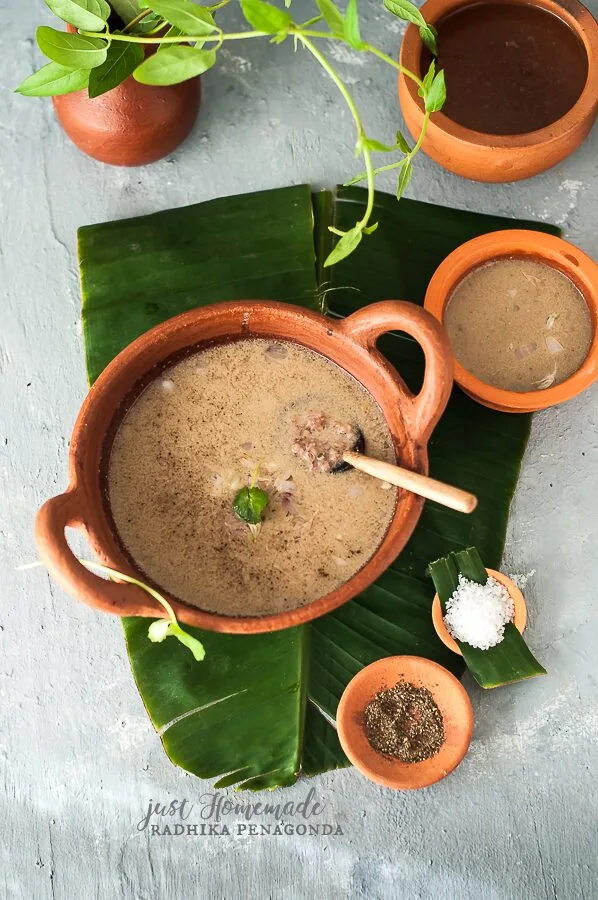
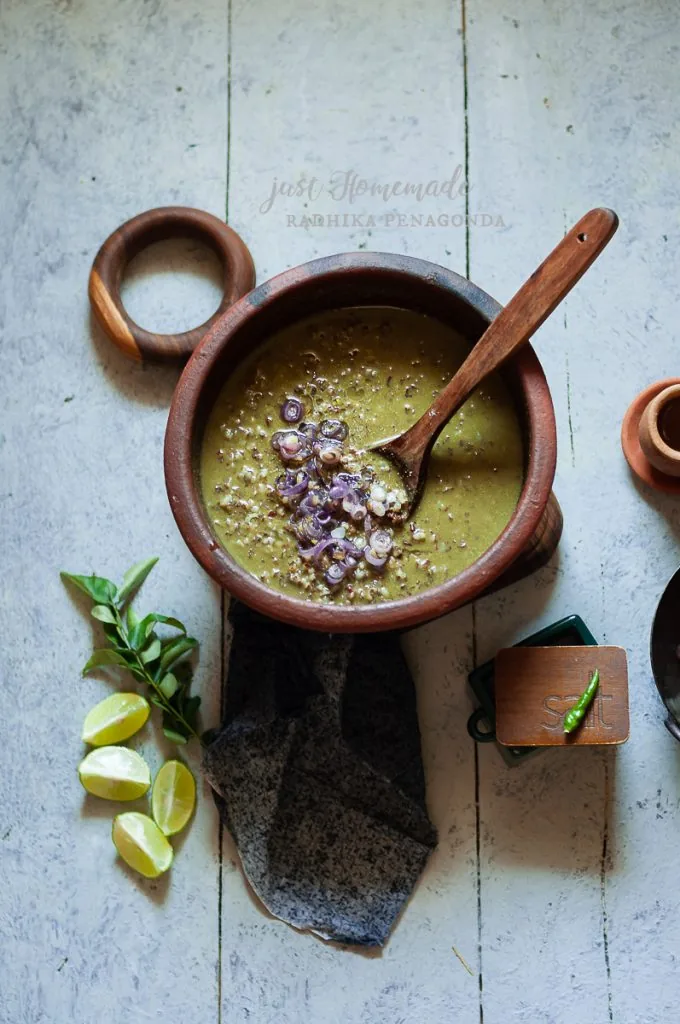
Kola Kanda is a porridge made from three core elements: rice, fresh green herb juice, and coconut milk. The result is a loose, congee-like gruel, coloured vivid green by the herb extract, warm and gently flavoured, light enough to eat before anything else in the morning.
The word kola means leaves or greens in Sinhala. Kanda means porridge or gruel. The name is precise: this is, at its most basic, a bowl of leaves cooked into rice.
What makes it remarkable is the choice of leaves. Kola Kanda is not made with whatever greens are to hand. It is made with specific medicinal herbs, each selected for defined therapeutic properties within the Sri Lankan Ayurvedic tradition. The combination varies by household, by region, and by what ailment or purpose the porridge is intended to address - but the underlying logic is consistent: this is food as medicine, prepared with intention.
Ancient Roots: From the Mahavamsa to the Morning Table
The origins of Kola Kanda are documented in Sri Lanka's oldest historical texts. Both the Dipavamsa and the Mahavamsa - ancient Buddhist chronicles that form the foundation of Sri Lankan recorded history - reference herbal porridge as a staple of monastic life. Buddhist monks traditionally consumed it as their morning meal, after a period of fasting, to restore energy and maintain the physical clarity required for meditation and study.
This connection to Buddhist monastic culture explains several features of how Kola Kanda is still eaten today. It is consumed on an empty stomach, before other food. It is considered purifying rather than simply nourishing. And it carries a cultural weight that most breakfast foods do not - eating Kola Kanda is understood as an act of care for your body, not merely a way to stop being hungry.
The practice spread from monasteries into households and eventually into the tea shop culture that is the backbone of daily social life across Sri Lanka. Today it is possible to find Kola Kanda at roadside stalls before dawn, at hospital canteens, at village markets, and increasingly at hotels that have rediscovered its appeal for visitors who want something genuinely local for breakfast.
Note
Historical note: The Mahavamsa records Kola Kanda being served to monks who had fasted overnight, describing it as a food that "sustains without burdening" - a description that aligns closely with its modern reputation as a light, restorative morning meal.
The Medicinal Herbs: What Goes into Kola Kanda
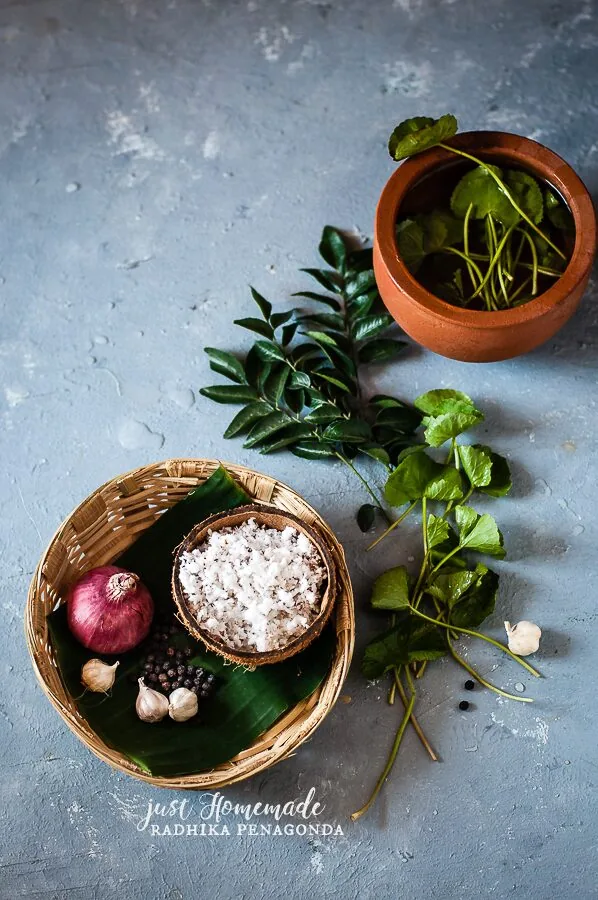
The green at the heart of Kola Kanda comes from fresh herbs that are blended with water and strained, with only the juice added to the porridge. Different preparations use different herbs depending on availability and intended effect. The following are among the most commonly used:
Gotu Kola (Centella asiatica)
The most widely used Kola Kanda herb, and the one most visitors will encounter. Gotu kola is a small, fan-shaped leaf that grows prolifically across Sri Lanka's wet lowlands. In Ayurvedic medicine it is prized above almost all other plants for its effects on the brain: it is believed to improve memory, sharpen concentration, and slow cognitive decline.
It is sometimes called "brain food" in Sri Lankan tradition, and it appears in Kola Kanda, salads, sambols, and herbal teas across the island. For visitors, gotu kola is probably the easiest Kola Kanda herb to identify and the most likely to be the primary green in any bowl you are served.
Karapincha - Curry Leaves (Murraya koenigii)
The aromatic leaf used across South Asian cooking, but in Kola Kanda valued less for flavour than for its medicinal content: iron, calcium, and vitamins A and C. Curry leaves in Kola Kanda are used alongside other herbs rather than as the primary green, contributing to both the nutritional profile and the flavour complexity.
Mukunuwenna (Alternanthera sessilis)
A creeping water herb with small, dark green leaves, Mukunuwenna is specific to Sri Lanka and southern India and not widely known outside the region. It is associated in Sri Lankan tradition with improved vision, healthy hair growth, and skin health. It appears frequently in both Kola Kanda and cooked sambols.
Hathawariya - Wild Asparagus (Asparagus racemosus)
Known in Sanskrit as Shatavari, this climbing plant has a long history in both Ayurvedic and Siddha medicine. In Sri Lanka it is specifically associated with women's health: it is believed to support fertility, balance hormones, and increase milk production in nursing mothers. Hathawariya-based Kola Kanda is sometimes prepared specifically for postpartum recovery.
Blood-Purifying Herbs: Wel Penela, Pol Pala, Wel Kohila
These three herbs are used in preparations specifically aimed at cleansing the blood and supporting organ function. Pol pala in particular is associated with preventing kidney and bladder stones; Elapitawakka and Heen Bowitiya appear in preparations aimed at supporting liver function. These more targeted preparations tend to be made at home rather than sold commercially.
The Role of Red Rice
Traditional Kola Kanda is made with unpolished Sri Lankan red rice - varieties such as Kalu Heenati or Madathawalu that have been cultivated on the island for thousands of years. These are not the white polished rice that dominates most Asian cooking; they are ancient grain varieties with a reddish-brown hue, a nuttier flavour, and a significantly different nutritional profile.
Research into these traditional varieties has found that red rice Kola Kanda has a lower glycaemic index than white rice equivalents, making it more suitable for people managing blood sugar levels. Some varieties have also shown anti-cancer activity against specific cell lines in laboratory conditions, though the clinical implications of these findings are still being studied.
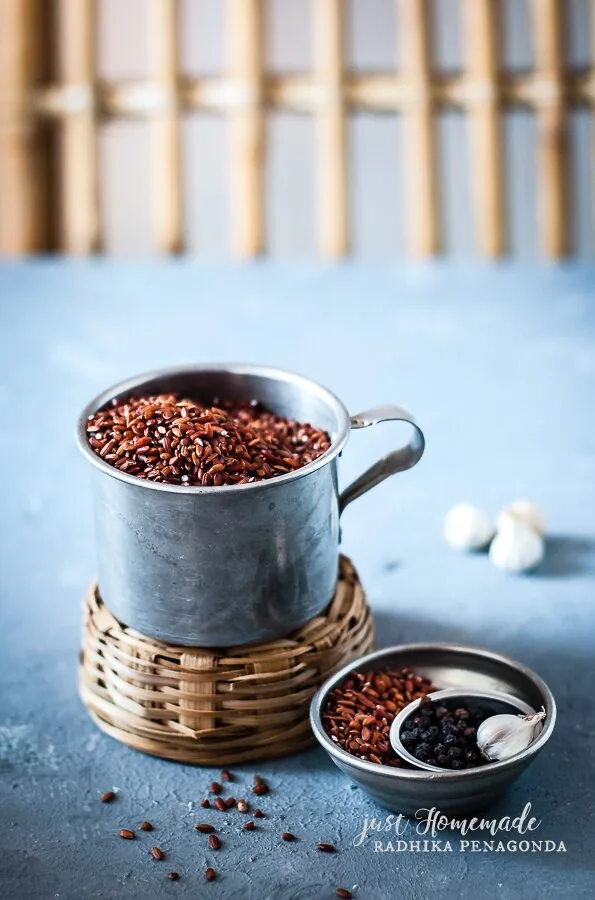
The shift towards white rice in Sri Lankan cooking over the past century - driven partly by colonial food policy and partly by the convenience and yield of modern varieties - has pushed traditional red rice to the margins. But it has never disappeared, and Kola Kanda is one of the preparations where its use has been most consistently maintained.
Health Benefits: What the Research Says
Kola Kanda's reputation as a health food is not simply cultural belief. Several of the claims made for it align with findings from nutritional and pharmacological research:
Detoxification and blood purification: The herbs used in blood-purifying preparations - Pol pala, Wel Penela, Wel Kohila - contain compounds that support liver function and urinary tract health, consistent with their traditional use.
Cognitive support: Gotu kola contains triterpenoids that have been shown in multiple studies to support nerve growth and improve memory function in both animal models and human trials. It is one of the better-researched plants in the Ayurvedic pharmacopoeia.
Digestive health: The combination of fibre from herbs and rice, along with the cooling effect of coconut milk, supports digestive regularity and creates a favourable environment for gut health.
Anti-diabetic properties: Studies specifically on Kalu Heenati and Madathawalu rice varieties used in traditional Kola Kanda have found low glycaemic indices and bioactive compounds with demonstrated anti-diabetic effects.
Reproductive and hormonal health: Wild asparagus (Hathawariya) is among the most studied plants for hormonal support, with evidence supporting its use for conditions related to female reproductive health.
Tip
Visitor tip: If you are having Kola Kanda for the first time, try it plain before adding jaggery. The herb flavour is subtle and earthy, and the sweetness of jaggery can overwhelm it if you add too much. Most locals drink it like a warm soup rather than eating it like a thick porridge.
How to Make Kola Kanda at Home
This recipe uses the traditional method with red rice and gotu kola. If red rice is unavailable, short-grain white rice works, though the flavour and nutritional profile will differ.
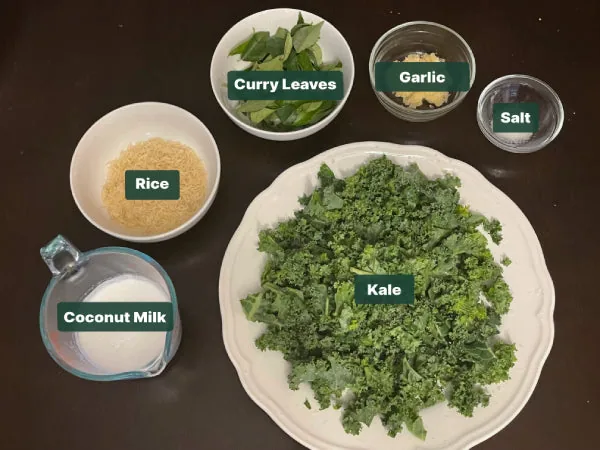
Ingredients (serves 2)
- ½ cup unpolished red rice (or short-grain white rice)
- 3 cups water
- 1 cup freshly grated coconut (or thick coconut milk)
- 2 small bunches fresh gotu kola leaves
- 5–8 curry leaf stalks
- 3 small garlic cloves, crushed
- 1 small onion or 3–4 shallots, finely sliced
- ½ tsp black peppercorns, roughly crushed
- 1 tbsp coconut oil
- Salt to taste
- Jaggery to serve (optional)
Method
Step 1 - Cook the rice
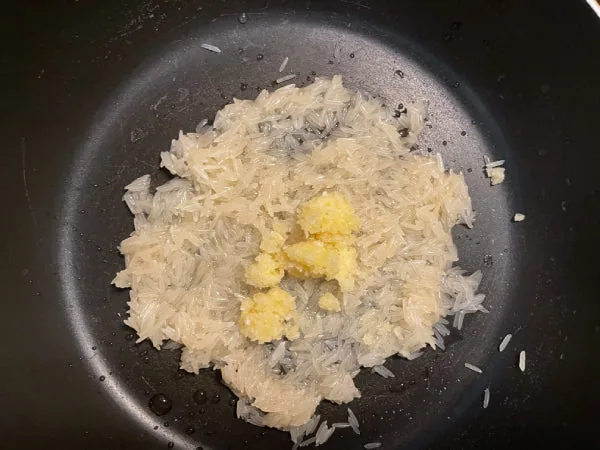
Rinse the rice until the water runs clear. Soak for 30 minutes. Combine with 3 cups of water and bring to a boil, then reduce heat and simmer for 30–40 minutes, stirring occasionally, until the rice is completely soft and has broken down into a loose gruel. You want a consistency thinner than oatmeal - it should pour easily from a ladle.
Step 2 - Extract the herb juice
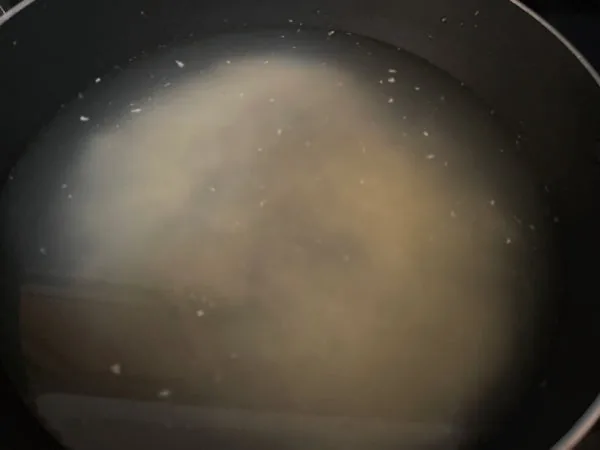
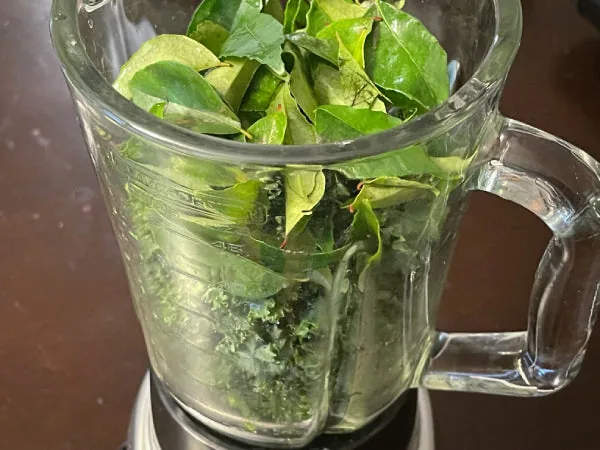
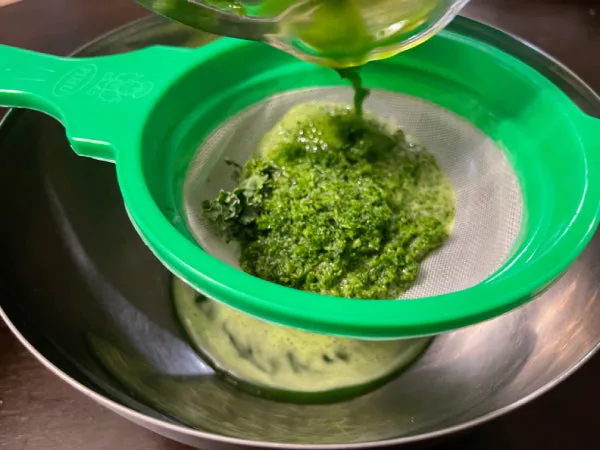
Wash the gotu kola and curry leaves thoroughly. Blend with a small amount of water - just enough to help the blender run - until completely smooth. Strain through a fine-mesh sieve or a piece of muslin cloth, pressing firmly to extract as much juice as possible. Discard the pulp. The juice should be intensely green.
Step 3 - Extract the coconut milk
If using fresh coconut, add the grated coconut to a cup of warm water and squeeze firmly through your hands to extract thick coconut milk. Strain and set aside. If using canned coconut milk, use full-fat and dilute slightly with water.
Step 4 - Build the porridge
Heat the coconut oil in a pan and sauté the garlic and shallots until softened and translucent. Add this to the cooked rice gruel. Pour in the coconut milk and stir through. Simmer gently on low heat for 5–7 minutes, stirring regularly.
Step 5 - Add the herb juice and finish
Turn off the heat. Stir in the strained herb juice. Season with salt and crushed black pepper. The residual heat from the porridge is sufficient - prolonged cooking after adding the herb juice degrades many of the heat-sensitive compounds that give Kola Kanda its medicinal reputation.
Step 6 - Serve
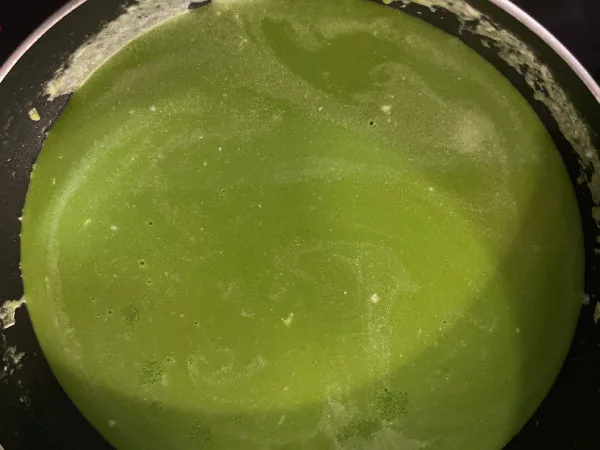
Serve immediately in bowls, with a small piece of jaggery on the side. Eat on an empty stomach for the full effect - the traditional practice is to have Kola Kanda before any other food in the morning, allowing the body to absorb it without the interference of heavier foods.
Where to Find Kola Kanda in Sri Lanka
Kola Kanda is not difficult to find if you know where to look. It is served at:
Local tea shops (kades): The most authentic versions are found at small roadside tea shops, typically before 8am. If you see a crowd of people standing around a pot of something green, you have found it. Point and ask for kola kanda - you will not need more Sinhala than that.
Market stalls: In towns across the south and centre of the island, market mornings include Kola Kanda vendors who sell by the cup to commuters and traders before the day's business begins.
Ayurvedic hotels and retreats: Sri Lanka has a significant Ayurvedic tourism sector, and most Ayurvedic properties include Kola Kanda on their breakfast menu. These versions are usually more refined in presentation but entirely traditional in preparation.
Urban breakfast cafes: In Colombo particularly, a number of cafes have added Kola Kanda to their menus alongside coffee and toast, positioning it for health-conscious urban diners. Quality varies considerably.
Note
Regional variation: Kola Kanda in the Kandy region traditionally uses red rice and tends to be thicker. Coastal versions are sometimes made with white rice and a higher proportion of coconut milk. Neither is more authentic - they reflect different local traditions within the same broader practice.
Kola Kanda and the Broader Sri Lankan Food Philosophy
Kola Kanda is not an isolated tradition. It sits within a broader Sri Lankan approach to food that does not draw a sharp line between eating and medicine. The herbs used in Kola Kanda - gotu kola, mukunuwenna, hathawariya - appear throughout Sri Lankan cooking: in salads, sambols, curries, and herbal teas, always carrying their therapeutic associations alongside their flavour.
This is everyday Ayurveda: not a clinic or a retreat, but a way of cooking that has always incorporated medicinal plants as a normal part of feeding people. Sri Lankan home cooks do not think of themselves as practicing alternative medicine when they add gotu kola to a salad. They are simply cooking the way their mothers and grandmothers cooked, using plants they have always known to be beneficial.
For visitors, Kola Kanda offers one of the most direct encounters with this tradition - a bowl that is simultaneously a breakfast, a medicine, and a piece of living cultural history. It costs very little, takes about fifteen minutes to find at any morning market, and tastes unlike anything you have had before.
That is a reasonable combination for something you can eat before 7am.
Sri Lanka's food culture is one of the most distinctive in Asia. Start planning your visit and discover it for yourself.
Plan Your Sri Lanka Food Journey
Find the best price to Colombo from your city
Search Flights →Compare prices across Booking.com, Agoda & more
Find Hotels →Bus fares, train times and transport options
Plan Transport →Powered by Travelpayouts · We may earn a small commission at no extra cost to you.
Further reading and references:
- Kola Kanda Recipe - Serendip Delights
- Traditional Herbal Porridge of Sri Lanka - Healthy Living LK
- Kola Kenda: Sri Lankan Herbal Red Rice Porridge - Just Home Made
Related Guides
- Ceylon Cinnamon: Why Sri Lanka's 'True Cinnamon' Is in a Different Class
- Sinhala & Tamil New Year: Sri Lanka's Most Important Festival Explained
- Sri Lanka's Traditional Masks: The Art, the Ritual and Where to Find Them
- Angampora: Sri Lanka's Ancient Martial Art That Survived a Colonial Ban
Advertisement
Flights, hotels and tours - all in one place.
Plan Your Sri Lanka Trip
Find the best price to Colombo from your city
Search Flights →Compare prices across Booking.com, Agoda & more
Find Hotels →Bus fares, train times and transport options
Plan Transport →Powered by Travelpayouts · We may earn a small commission at no extra cost to you.
Leave a Comment
Share your thoughts, questions, or travel experiences