Tip
Quick facts: Official name: Democratic Socialist Republic of Sri Lanka. Capital (legislative): Sri Jayawardenepura Kotte. Commercial capital: Colombo. Population: ~22 million. Area: 65,610 km². Languages: Sinhala and Tamil (both official), English (linked language). Religion: ~70% Buddhist. Currency: Sri Lankan Rupee (LKR). Independence: 4 February 1948.
Sri Lanka packs an extraordinary density of culture, history, wildlife, and geography into an island the size of Ireland. It was the world's leading exporter of cinnamon for centuries. It has eight UNESCO World Heritage Sites. It produces some of the world's finest tea. And it has been continuously inhabited for over 125,000 years. That depth shows up in living traditions too - from the carved devil-dancing masks of Ambalangoda to Angampora, the island's ancient martial art.
Here are 50 facts - some you may know, many you probably don't.
Tip
Our take: The facts in this guide are verified against official Sri Lanka government sources, tourism statistics, and academic records. Where figures vary between sources - population counts, UNESCO site tallies - we cite the most recently updated official figure and note the discrepancy.
Basic Facts
1. Official name: The Democratic Socialist Republic of Sri Lanka. Commonly shortened to Sri Lanka.
2. Former name: The island was officially known as Ceylon from British colonial rule until 1972, when it became the Republic of Sri Lanka. The name Ceylon is still used in the context of tea ("Ceylon tea") and some older references.
3. The capital is not Colombo. Sri Lanka has two capitals:
- Sri Jayawardenepura Kotte is the legislative capital - where Parliament sits. It is technically a separate city adjacent to Colombo.
- Colombo is the commercial capital and the largest city. Most embassies, businesses, and government ministries operate from Colombo.
4. Population: Approximately 22 million (2024 estimate). Sri Lanka has one of the higher population densities in South Asia for its size.
5. Area: 65,610 km² (25,332 sq mi) - roughly the size of Ireland or the state of West Virginia.
6. Location: An island in the Indian Ocean, separated from the southern tip of India by the Palk Strait - a stretch of sea just 31 km at its narrowest point.
7. Independence: Sri Lanka gained independence from Britain on 4 February 1948. Independence Day is a national holiday.
8. Government: A democratic republic. The President is both head of state and head of government. Parliament has 225 seats.
Geography
9. Shape: Sri Lanka is often described as a teardrop shape - wider in the north and tapering to a point in the south.
10. Highest point: Pidurutalagala at 2,524 metres (8,281 ft) - located in the Central Province near Nuwara Eliya. It hosts government communications infrastructure and is not open to the public for climbing. The popular hiking peak is Adam's Peak (Sri Pada), which stands at 2,243 metres.
11. Longest river: The Mahaweli River at 335 km - the longest river in Sri Lanka, originating in the Central Highlands and flowing to the northeast coast.
12. Largest lake: Parakrama Samudra near Polonnaruwa - an ancient man-made reservoir built in the 12th century. Still in use for irrigation today.
13. Two monsoon seasons: Sri Lanka's rainfall is governed by two monsoon systems:
- Southwest monsoon (May–September): affects the south, west, and hill country
- Northeast monsoon (October–January): affects the north and east
This means there is almost always a dry area somewhere on the island, making year-round travel possible.
14. The climate varies dramatically by altitude. Colombo on the coast is hot and humid year-round (27–32°C). Nuwara Eliya in the hill country at 1,800m averages just 14–19°C - it's cold enough for log fires in the evenings.
15. Sri Lanka is not attached to India. Adam's Bridge (also called Rama's Bridge) is a chain of limestone shoals between Sri Lanka and India that is 48 km long. At its shallowest it is just 1 metre deep. In Hindu tradition, it is the causeway built by Rama's army as described in the Ramayana.
People and Language
16. Languages: Sri Lanka has two official languages - Sinhala (spoken by ~74% of the population) and Tamil (spoken by ~18%). English is a "linked language" with official status and is widely used in business, government, and tourism.
17. Ethnic groups: Sinhalese (~75%), Sri Lankan Tamils (~11%), Indian Tamils (~4%), Sri Lankan Moors (Muslims, ~9%), Burghers (descendants of Dutch/Portuguese colonisers), Vedda (indigenous people).
18. The Vedda are the indigenous people of Sri Lanka, with a history stretching back thousands of years. A small community still exists, primarily in the east and northeast.
19. Religion:
- Buddhism: ~70%
- Hinduism: ~13%
- Islam: ~9%
- Christianity: ~8%
Sri Lanka is one of the oldest Buddhist nations in the world - Buddhism arrived on the island in the 3rd century BCE according to the Mahavamsa chronicles.
20. The Sinhala language is spoken only in Sri Lanka (and diaspora communities). It belongs to the Indo-Aryan branch of languages - closely related to Sanskrit, not to Tamil.
21. Literacy rate: Over 93% - one of the highest in South Asia, reflecting the country's historically strong education system.
History
22. Continuously inhabited for at least 125,000 years - archaeological evidence at Fahien Cave in the southwest dates human presence to the Paleolithic period.
23. The Mahavamsa - the Sri Lankan chronicle composed in Pali in the 5th century CE - is one of the oldest historical documents in the world that provides a continuous dynastic history.
24. Three ancient capitals: Sri Lanka had three great ancient capitals:
- Anuradhapura (4th century BCE – 10th century CE) - the first great capital; UNESCO World Heritage Site
- Polonnaruwa (10th–13th century) - the medieval capital; UNESCO World Heritage Site
- Kandy (1592–1815) - the last kingdom; the Temple of the Tooth here holds the relic of the Buddha's tooth
25. Portuguese, Dutch, then British: Sri Lanka was colonised by the Portuguese (1505–1658), then the Dutch (1658–1796), then the British (1815–1948). Each left a mark on culture, law, language, and architecture.
26. The civil war between the Sri Lankan government and the Liberation Tigers of Tamil Eelam (LTTE) ran from 1983 to 2009. It ended with a government military victory in May 2009. The war was concentrated in the north and east and resulted in significant civilian casualties on both sides.
27. The 2004 Indian Ocean Tsunami killed over 35,000 people in Sri Lanka - one of the hardest-hit countries. Entire coastal communities were destroyed. Reconstruction transformed many southern and eastern coastal areas.
Economy and Trade
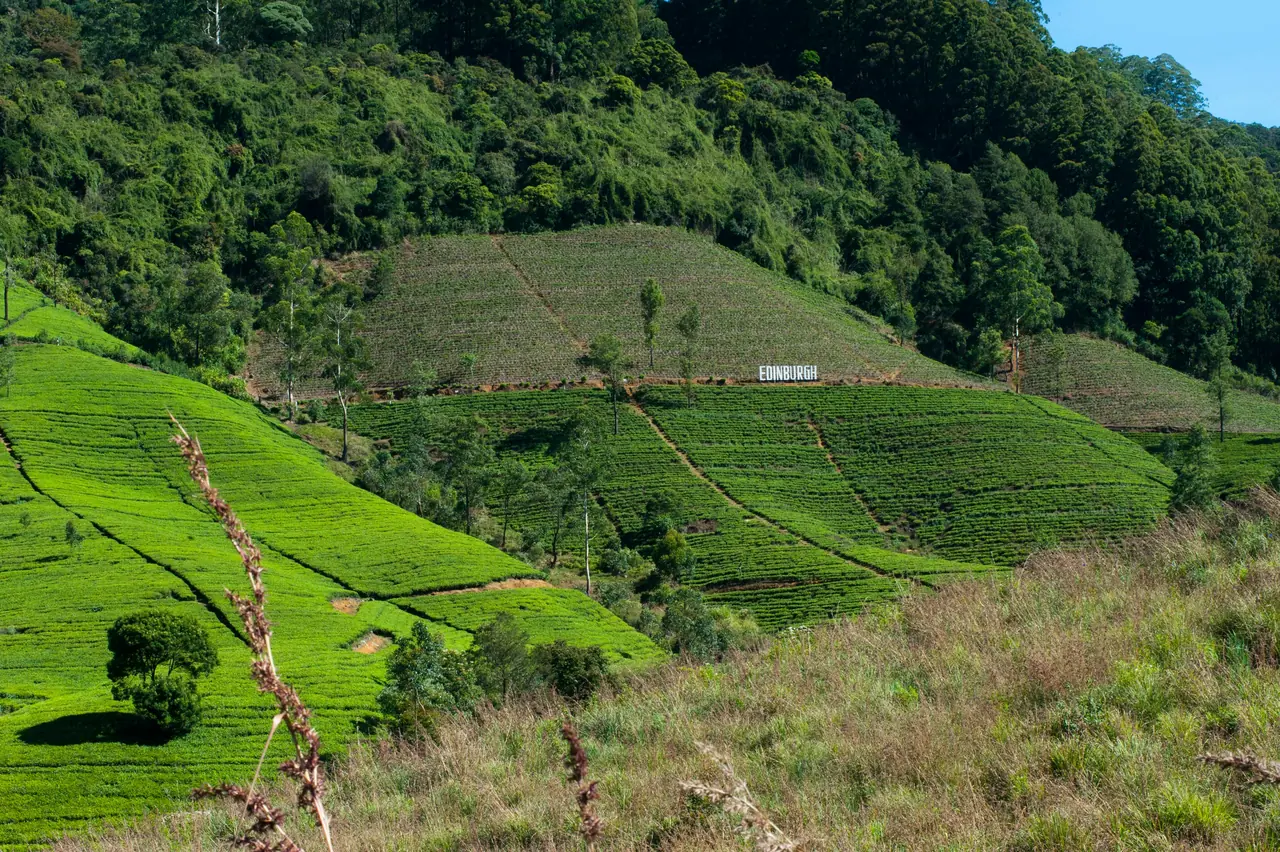
28. Tea: Sri Lanka is the world's 4th largest tea producer and the world's 2nd largest tea exporter. Ceylon tea is a globally recognised brand. Tea cultivation began in the 1860s after a coffee blight destroyed the original coffee plantations.
29. Cinnamon: Sri Lanka is the world's largest producer of true cinnamon (Cinnamomum verum - distinct from the cheaper cassia used in most international products). Cinnamon from Sri Lanka has been traded since ancient times - it was known to Arab traders by 1,000 BCE and to the Romans.
30. Gems: Sri Lanka is one of the world's top gem-producing nations. The country is known for blue sapphires (the Star of India sapphire in New York's American Museum of Natural History is Sri Lankan), as well as rubies, alexandrite, cat's eye, and moonstone.
31. Garments are Sri Lanka's largest export industry. Major international clothing brands manufacture in Sri Lanka.
32. Tourism is a major economic sector. In 2023, Sri Lanka received 1.5 million international visitors. The target for 2026 is 3 million.
33. Currency: The Sri Lankan Rupee (LKR). In 2026, approximately LKR 300–320 = USD 1 (rates fluctuate). The 2022 economic crisis caused severe depreciation; the currency has since partially stabilised.
Flag and National Symbols
34. The flag: The Sri Lanka flag (the Lion Flag) features:
- A golden lion holding a sword on a dark red (maroon) background - representing the Sinhalese people and bravery
- A green stripe on the left - representing Sri Lankan Moors (Muslims)
- An orange stripe on the left - representing Sri Lankan Tamils (Hindus)
- Four leaves of the Bo tree in the corners of the lion panel
- The sword-holding lion design is derived from the last Kingdom of Kandy
35. National animal: The Sri Lankan Elephant (Elephas maximus maximus) - a subspecies of Asian elephant. Sri Lanka has one of the highest densities of wild elephants in Asia.
36. National bird: The Sri Lanka Junglefowl (Gallus lafayettii) - found only in Sri Lanka. It is the ancestor of the domestic chicken.
37. National flower: The Blue Lotus (Nil Mahanel - Nymphaea stellata) - a water lily found in Sri Lanka's ancient irrigation tanks and reservoirs.
38. National tree: The Iron Wood tree (Na - Mesua ferrea). It appears in Buddhist tradition as the tree under which certain Buddhas attained enlightenment.
39. National sport: Volleyball is the official national sport. Cricket, however, is the most popular sport in practice - Sri Lanka won the Cricket World Cup in 1996.
UNESCO World Heritage Sites
Sri Lanka has eight UNESCO World Heritage Sites - an extraordinary density for a country of its size:
40. Ancient City of Anuradhapura (1982) - Sri Lanka's first great capital; the sacred Bo tree here is the oldest documented tree in the world.
41. Ancient City of Polonnaruwa (1982) - medieval capital with remarkable Buddhist and Hindu monuments.
42. Ancient City of Sigiriya (1982) - the 5th-century rock fortress and palace complex built by King Kashyapa.
43. Sinharaja Forest Reserve (1988) - a biodiversity hotspot rainforest in the southwest; home to over 50% of Sri Lanka's endemic species.
44. Sacred City of Kandy (1988) - home to the Temple of the Tooth Relic (Sri Dalada Maligawa), the most sacred Buddhist site in Sri Lanka.
45. Old Town of Galle and its Fortifications (1988) - a 17th-century Dutch colonial fortified city on the southwest coast.
46. Golden Temple of Dambulla (1991) - the largest cave temple complex in Sri Lanka, with 153 statues and 1,500 square metres of painted surfaces.
47. Central Highlands (2010) - includes Horton Plains, Knuckles Range, and Peak Wilderness; critical watershed and biodiversity reserve.
Wildlife and Nature
48. Leopard density: Sri Lanka's Yala National Park has one of the highest densities of leopards of any protected area in the world. The Sri Lanka Leopard is a distinct subspecies found only on the island.
49. Endemic species: Sri Lanka has extraordinary biodiversity for its size. Notable endemic animals include: the Sri Lanka Leopard, Sri Lankan Elephant, Purple-faced Langur monkey, Sri Lanka Blue Magpie, and dozens of reptile species found nowhere else.
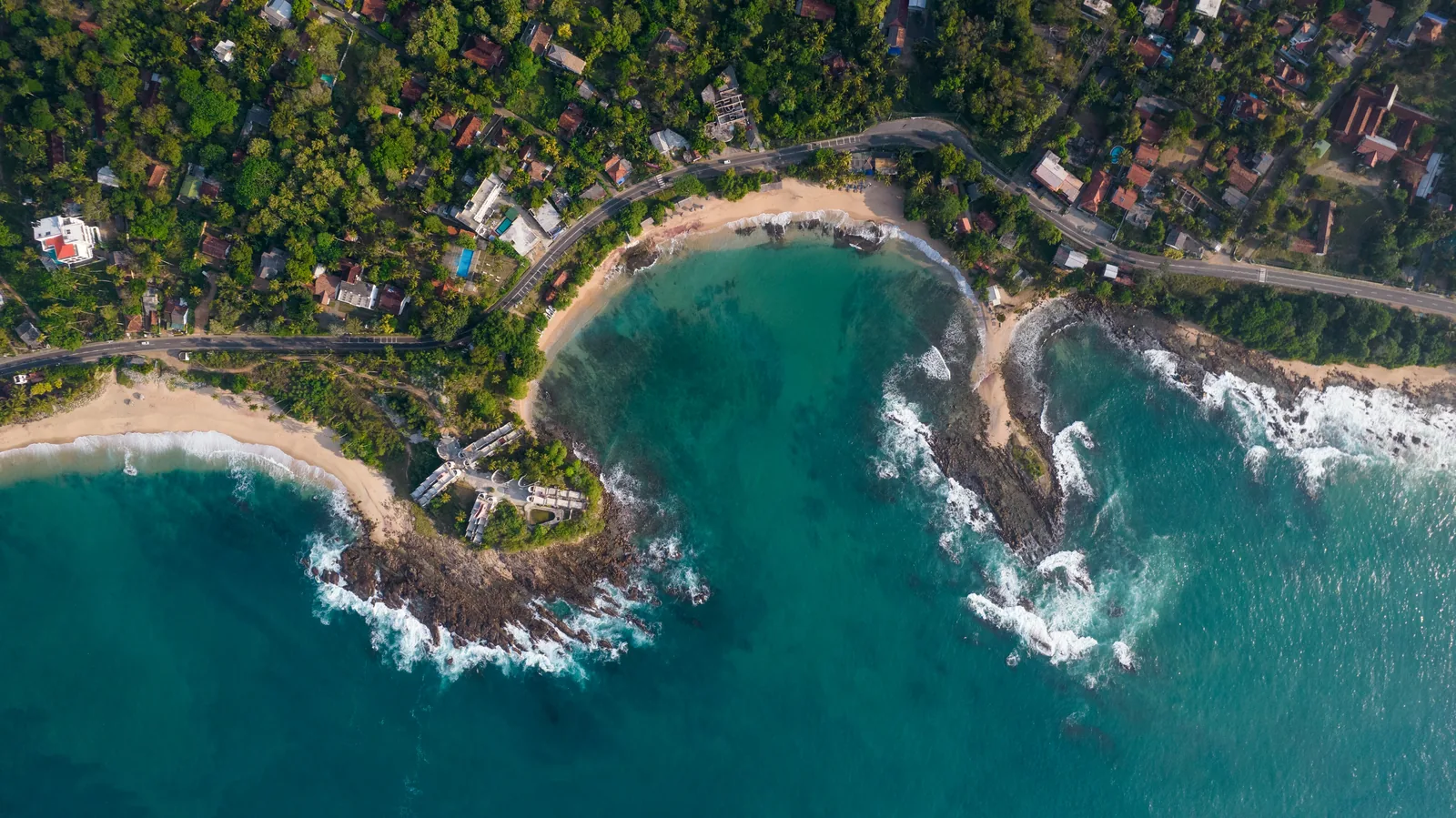
50. The blue whale feeding ground off Mirissa and Trincomalee is one of the most accessible blue whale viewing locations in the world - blue whales can be spotted within a few kilometres of the coast, making Sri Lanka one of the best whale-watching destinations globally.
Sri Lanka's Record-Breaking Statistics
Sri Lanka is a country of extraordinary density - remarkable things happening in a small space.
- Highest leopard density: Yala National Park has the world's highest recorded density of wild leopards per square kilometre. A subspecies (Panthera pardus kotiya) found only in Sri Lanka.
- Oldest tree: The Sacred Bodhi Tree in Anuradhapura is authenticated as the world's oldest documented human-planted tree - grown from a cutting of the original Bodhi tree in India brought to Sri Lanka in 288 BC. It is over 2,300 years old.
- Most UNESCO sites per capita: Sri Lanka has 8 UNESCO World Heritage Sites for a population of 22 million - a density that rivals countries three to five times its size.
- First woman Prime Minister: Sirimavo Bandaranaike became the world's first female head of government when she was elected Prime Minister in 1960, 12 years before any European country elected a woman to a comparable role.
- True cinnamon: Sri Lanka is the original source of Cinnamomum verum - true cinnamon - which has been traded from this island since at least 900 BC. What most of the world calls "cinnamon" (cassia) is a related but distinct species.
- Blue whale hotspot: The waters off Mirissa are one of the world's most reliable locations to observe blue whales, the largest animal ever known to have lived on Earth.
Key Dates in Sri Lanka's History
| Year | Event |
|---|---|
| 300 BC | Anuradhapura established as first capital |
| 288 BC | Sacred Bodhi Tree planted |
| 250 BC | Buddhism arrives from India via Mahinda |
| 1505 | Portuguese arrive, begin colonial era |
| 1640 | Dutch East India Company takes control |
| 1796 | British take control from the Dutch |
| 1815 | Kandyan Convention - last independent kingdom falls |
| 1948 | Independence from Britain |
| 1960 | Sirimavo Bandaranaike - world's first female PM |
| 1972 | Ceylon renamed Sri Lanka, becomes a republic |
| 1983 | Civil conflict begins (The Troubles) |
| 2009 | Civil conflict ends |
| 2016 | Sri Lanka elected to UN Human Rights Council |
| 2019 | Easter Sunday bombings (fully recovered by 2020) |
| 2022 | Economic crisis; President Gotabaya Rajapaksa flees |
| 2024 | Economic stabilisation; IMF programme underway |
Sri Lanka Facts FAQs
What is the capital of Sri Lanka? Sri Lanka has two capitals. Sri Jayawardenepura Kotte is the legislative capital where Parliament meets. Colombo is the commercial capital and largest city where most government ministries and embassies are located. When people refer to "the capital," they usually mean Colombo in practice.
What language is spoken in Sri Lanka? Sinhala and Tamil are both official languages. English is a linked language and widely spoken in business, tourism, and by educated professionals. In tourist areas, English communication is generally easy.
What religion is Sri Lanka? Approximately 70% of Sri Lanka's population is Buddhist, making it one of the most Buddhist nations in Asia. Hinduism (13%), Islam (9%), and Christianity (8%) are the other major faiths. Freedom of religion is guaranteed by the constitution.
What was Sri Lanka called before? The island was known as Ceylon during the colonial period and retained this name after independence in 1948. It became the Republic of Sri Lanka in 1972. The name "Ceylon" is still used internationally for tea (Ceylon tea) and some historical references.
How big is Sri Lanka compared to the UK? Sri Lanka is 65,610 km² - roughly the size of Ireland (70,273 km²) and about a quarter the size of Great Britain. Despite its small size, it has 8 UNESCO World Heritage Sites and extraordinary ecological and cultural diversity.
What is Sri Lanka known for? Sri Lanka is best known for: Ceylon tea (one of the world's finest), cinnamon (the original source of true cinnamon), blue sapphires, elephants, leopards, Buddhism (8 UNESCO sites), beautiful beaches, and having some of the friendliest people in Asia.
What currency does Sri Lanka use? The Sri Lankan Rupee (LKR). As of 2026, approximately LKR 300–320 equals USD 1. ATMs accepting international Visa and Mastercard are widely available in cities and tourist areas. See the Sri Lanka budget guide for a full breakdown of costs.
Related Guides
- Why Sri Lanka is the Smartest Long-Haul Choice for European and Australian Travellers in 2026
- Why Sri Lanka Is the Honeymoon Destination Modern Couples Are Choosing Over the Maldives
- Geoffrey Bawa and Lunuganga: Sri Lanka's Greatest Architect and His Garden of Dreams
- The Honest 6-Night Sri Lanka Honeymoon Itinerary (Sigiriya → Ella → Yala → Colombo)
Advertisement
Flights, hotels and tours - all in one place.
Plan Your Sri Lanka Trip
Find the best price to Colombo from your city
Search Flights →Compare prices across Booking.com, Agoda & more
Find Hotels →Bus fares, train times and transport options
Plan Transport →Powered by Travelpayouts · We may earn a small commission at no extra cost to you.
Leave a Comment
Share your thoughts, questions, or travel experiences