
Safari Zone
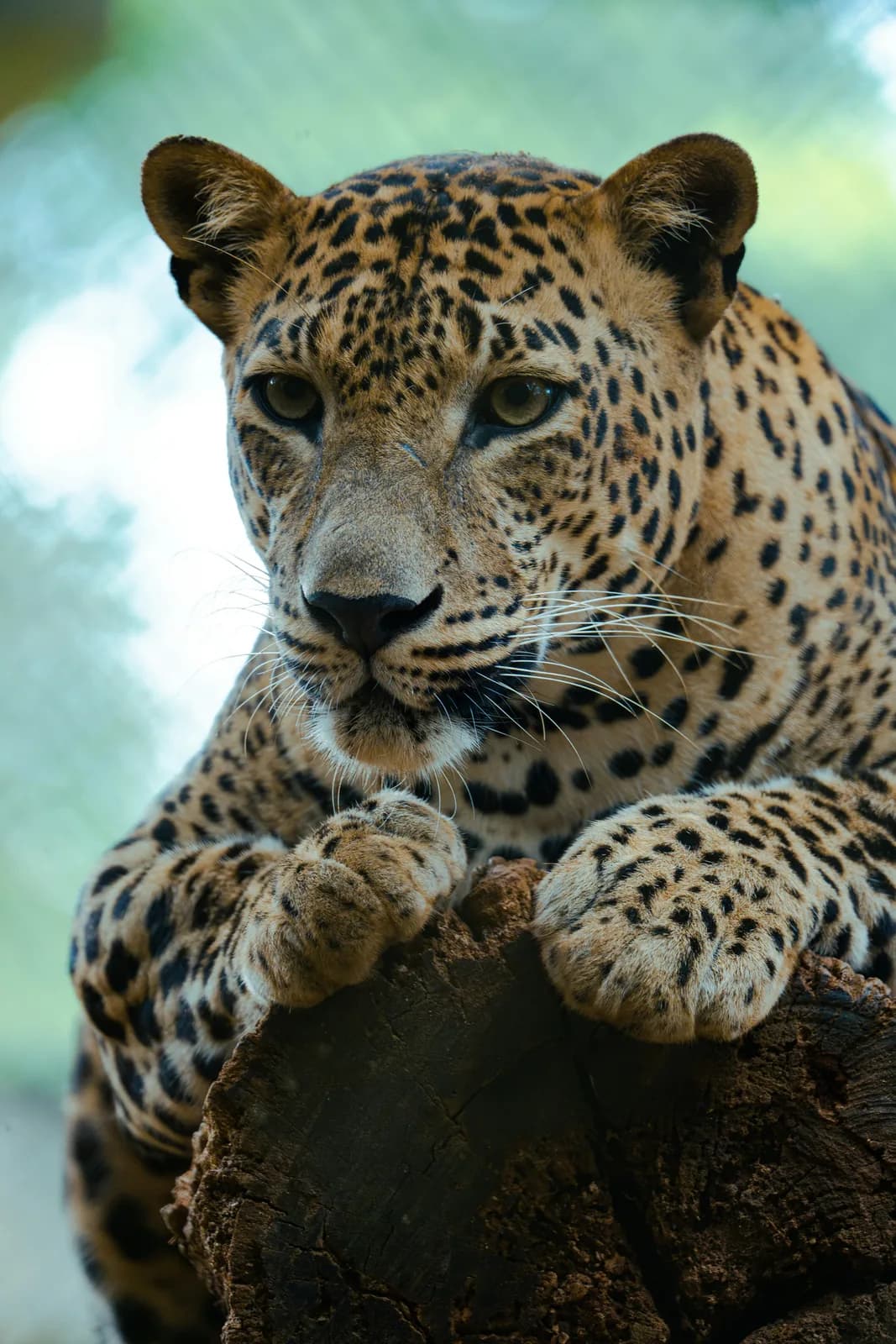
Home to the world's highest leopard density and vast herds of elephants. Yala, Udawalawe and Wilpattu national parks offer world-class wildlife encounters.
February to July
Self-driving isn't allowed in the parks - book a registered jeep through your guesthouse. Early-morning drives offer the best wildlife activity.
Best February–July. Yala closes September–October for park regeneration.
Visiting the Safari Zone
The south-east dry zone holds Sri Lanka's best-known national parks. Yala is famous for having one of the highest densities of leopards in the world, alongside elephants, sloth bears and crocodiles. Udawalawe, about 1.5 hours to the west, is the most reliable park in the country for seeing elephants, which roam its open grassland around the reservoir.
Nearby Bundala is a wetland park known for its migrant birds and flamingos, and Lunugamvehera offers a quieter alternative to Yala. Wilpattu, in the north-west, is a large and less-visited park that is better reached from Anuradhapura or Negombo.
Getting there
Tissamaharama, the main base for Yala, is roughly 4-5 hours from Colombo via the Southern Expressway. From Ella it is about 2-2.5 hours, and from Mirissa about 2 hours. Udawalawe is around 1.5 hours from Tissamaharama and makes a natural stop on the way between the hill country and the coast.
How long to stay
One night near each park is enough for most people: a morning safari at Yala and a separate drive at Udawalawe. Keen wildlife watchers often book two Yala drives to improve their chances of a leopard sighting.
Where to base yourself
Tissamaharama and Kirinda for Yala, ranging from simple guesthouses to tented camps on the park boundary; Udawalawe village for Udawalawe National Park.
Getting around
Visitors cannot drive their own vehicles inside the parks. Safaris are run in registered jeeps with a driver, and you pay the park fees at the gate. Hotels and guesthouses can book a jeep for you, usually for a morning (from around dawn until late morning) or afternoon slot.
Good to know before you go
- Yala Block 1 is the most visited section and can become crowded around leopard sightings. Other blocks are quieter, and there are fewer jeeps on the afternoon drive.
- Yala usually closes for several weeks in the dry season, typically around September and October. Check the dates before booking.
- Ask your driver not to crowd or chase animals. The best operators switch off the engine and wait.
- Don't feed the elephants that wait along the Udawalawe reservoir fence. It harms them and is illegal. The Elephant Transit Home nearby, which rehabilitates orphaned calves for release, is a better way to see young elephants.
Last reviewed 11 October 2026. Prices, timetables and park rules change - spotted something out of date? Tell us.
What To See & Do
- 1Yala leopards
- 2Udawalawe elephants
- 3Wilpattu lakes
- 4Bird watching
- 5Sloth bears
Places to Visit
Safari Read GuideYala National Park
Sri Lanka's most visited national park boasts the highest leopard density on earth. Spot elephants, sloth bears, crocodiles and hundreds of bird species.
 Safari
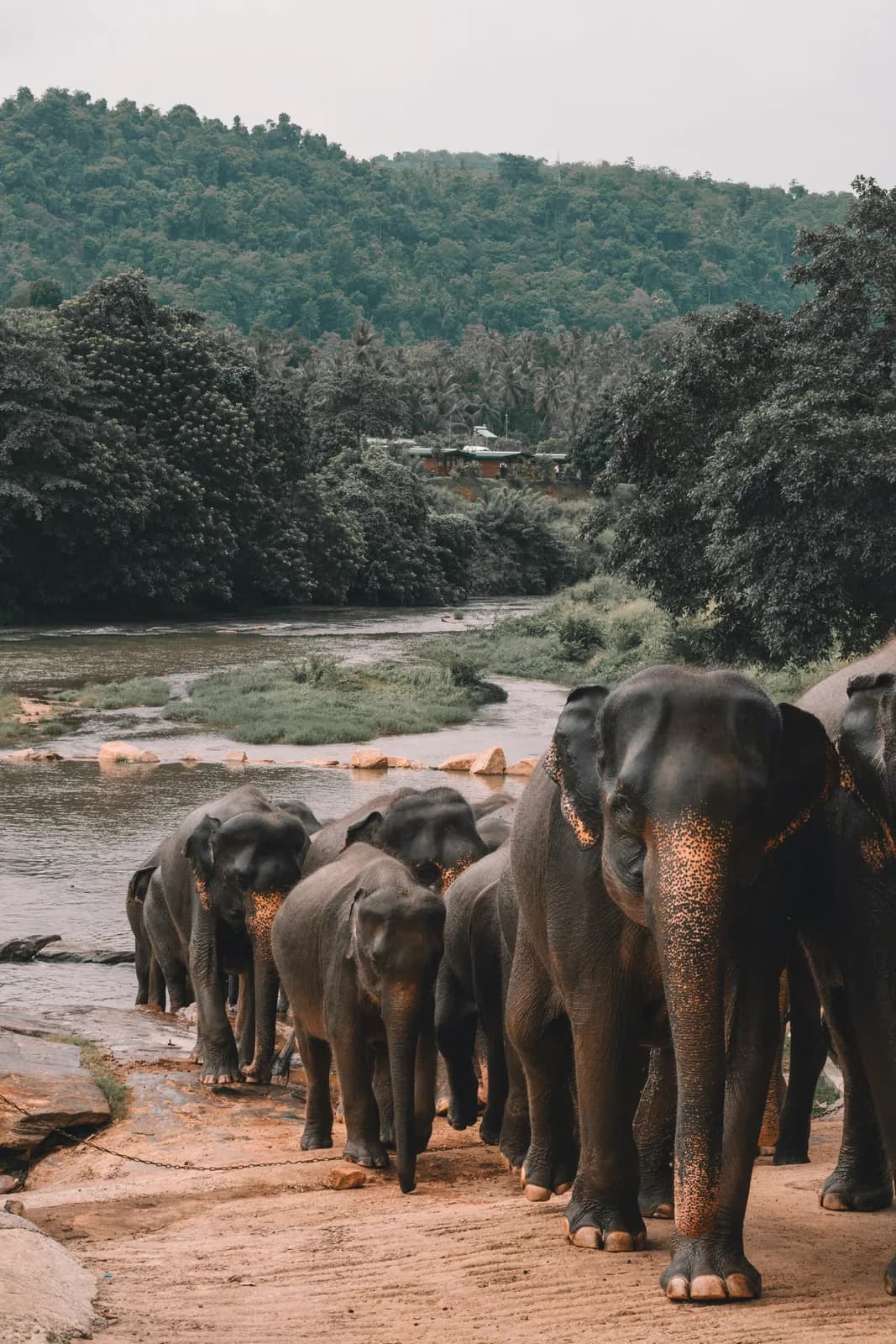
Udawalawe National Park
The best park in Sri Lanka for reliable elephant sightings. Herds of 50+ elephants gather daily at the reservoir, with water buffaloes and eagles in abundance.
Safari Zone Travel Guides
 Wildlife
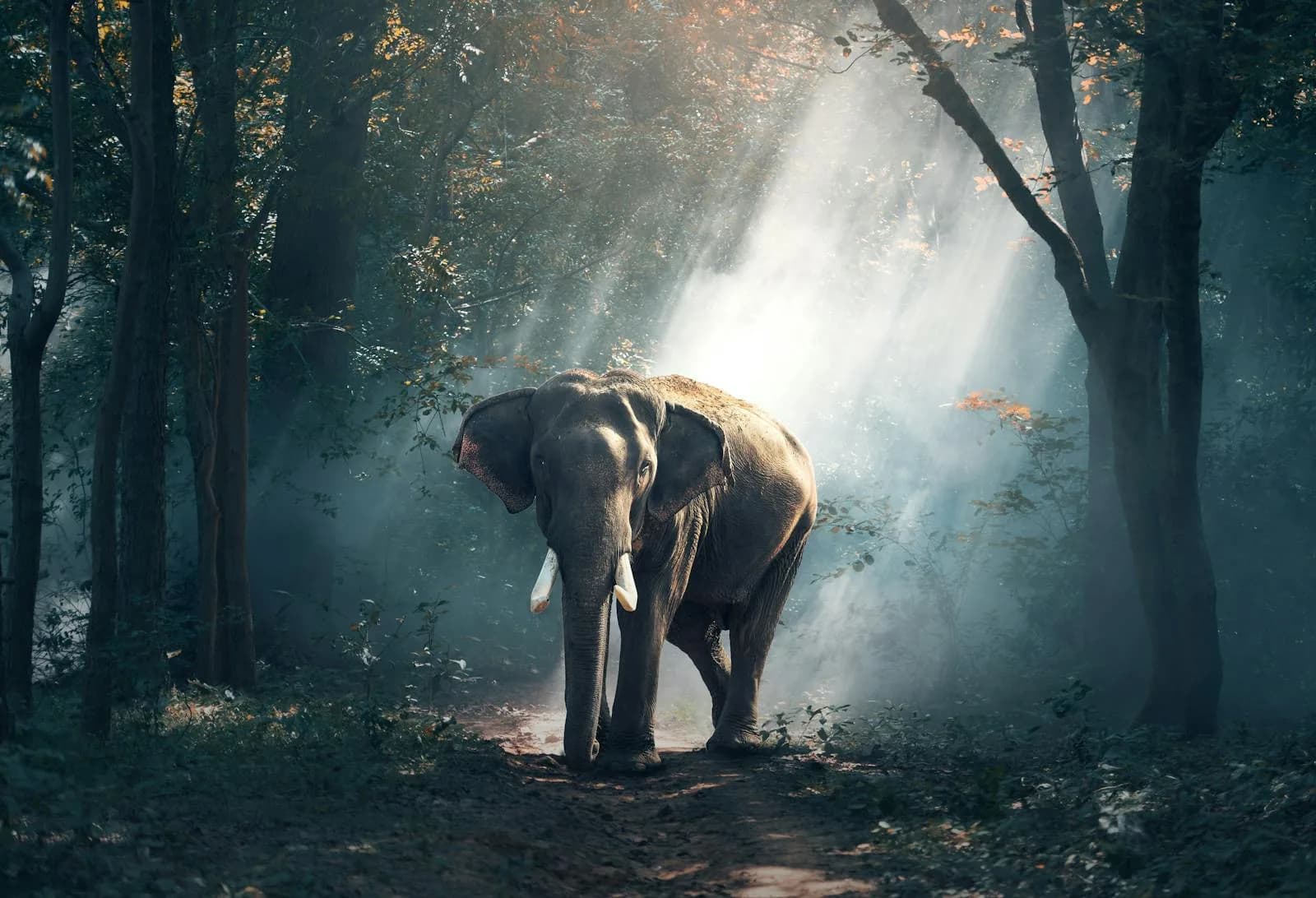
Yala Safari 2026: Leopard Odds, Block 1 vs 5 & Costs
Plan your Yala National Park safari - Block 1 vs Block 5, leopard sighting odds, jeep costs, best lodges, what to pack, and the honest answer to how busy it really gets.
 Outdoors
Camping in Sri Lanka 2026: Best Sites & Operators
Sri Lanka has 80+ camping sites across national parks, cloud forests, ancient reservoirs and jungle villages. This guide covers the 12 best camping experiences - from luxury tented safari camps at Yala to wild hillside camping in the Knuckles.
Continue Exploring