Tip
Sri Lanka food in brief: Rice and curry is the national meal - served at lunch across the island, multiple curries on a plate (or banana leaf), eaten with your right hand or a spoon. Hoppers (bowl-shaped rice pancakes) are the breakfast and dinner staple. Kottu roti (chopped roti stir-fried with egg and vegetables) is the street food you'll hear before you see it. Ceylon tea is the beverage. Budget meals cost LKR 200–400 ($0.65–$1.30) at local restaurants. This guide covers all 15 dishes worth knowing plus where and how to order.
Sri Lanka feeds you well and cheaply if you eat where locals eat. The problem most visitors have isn't finding good food - it's accidentally ordering from tourist menus at tourist prices when the real thing is available ten metres away. A rice and curry lunch at a local "wayside hotel" costs LKR 250–400 and is often better than the same dish at a beach resort charging ten times as much.
Sri Lankan cuisine has deep roots in Sinhalese, Tamil, Malay, Dutch, and Portuguese influences. It is coconut-heavy, spice-forward, rice-centred, and more vegetarian-friendly than it looks at first - many of the best curries contain no meat at all.
Tip
Our take: The best Sri Lanka food we have eaten is almost never in tourist restaurants. The unmarked kade (small shops) along any main road serve rice and curry that has been cooking since 5 am - LKR 300 to 400 for a plate that takes an hour to eat and outperforms most hotel restaurant versions at ten times the price.
The Essential Dishes
1. Rice and Curry
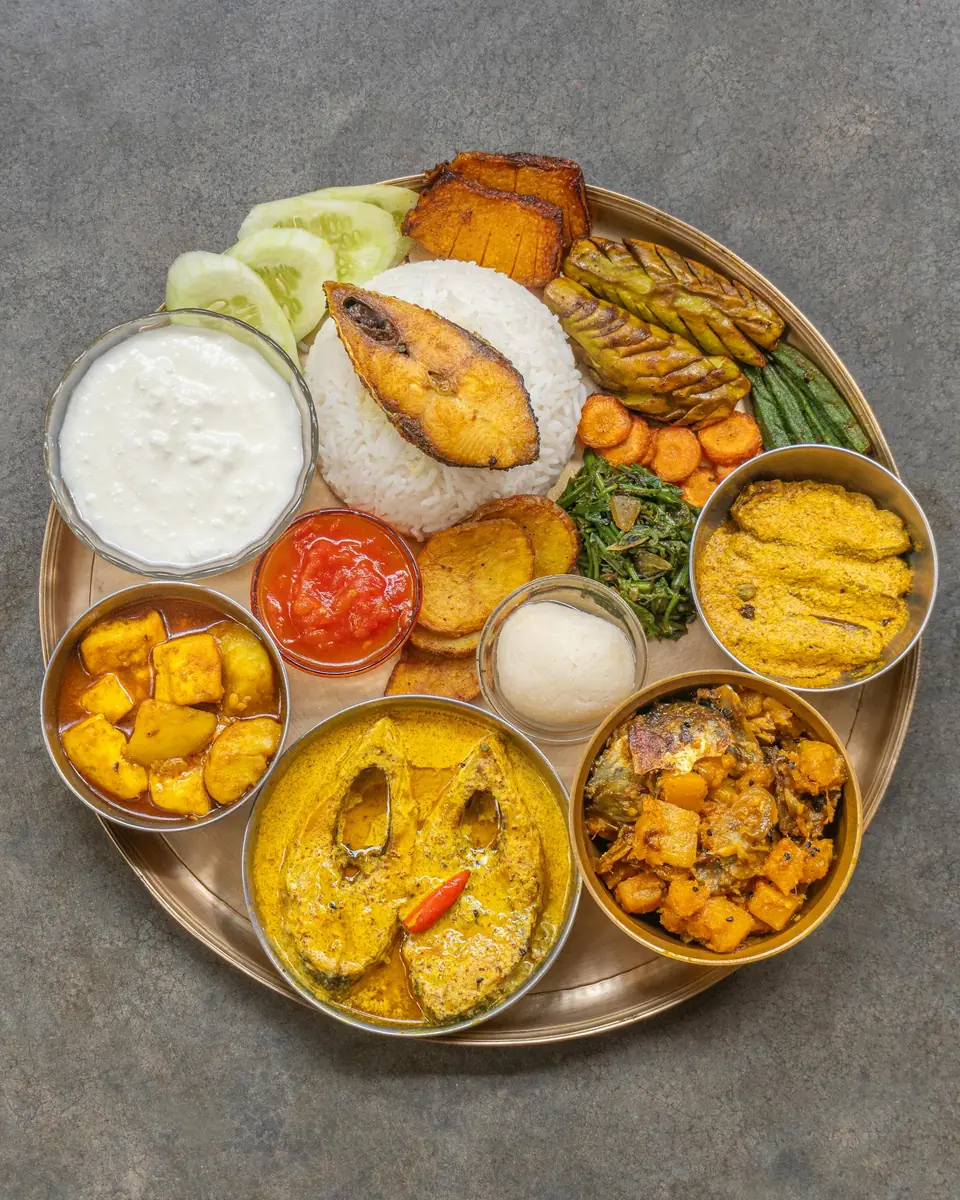
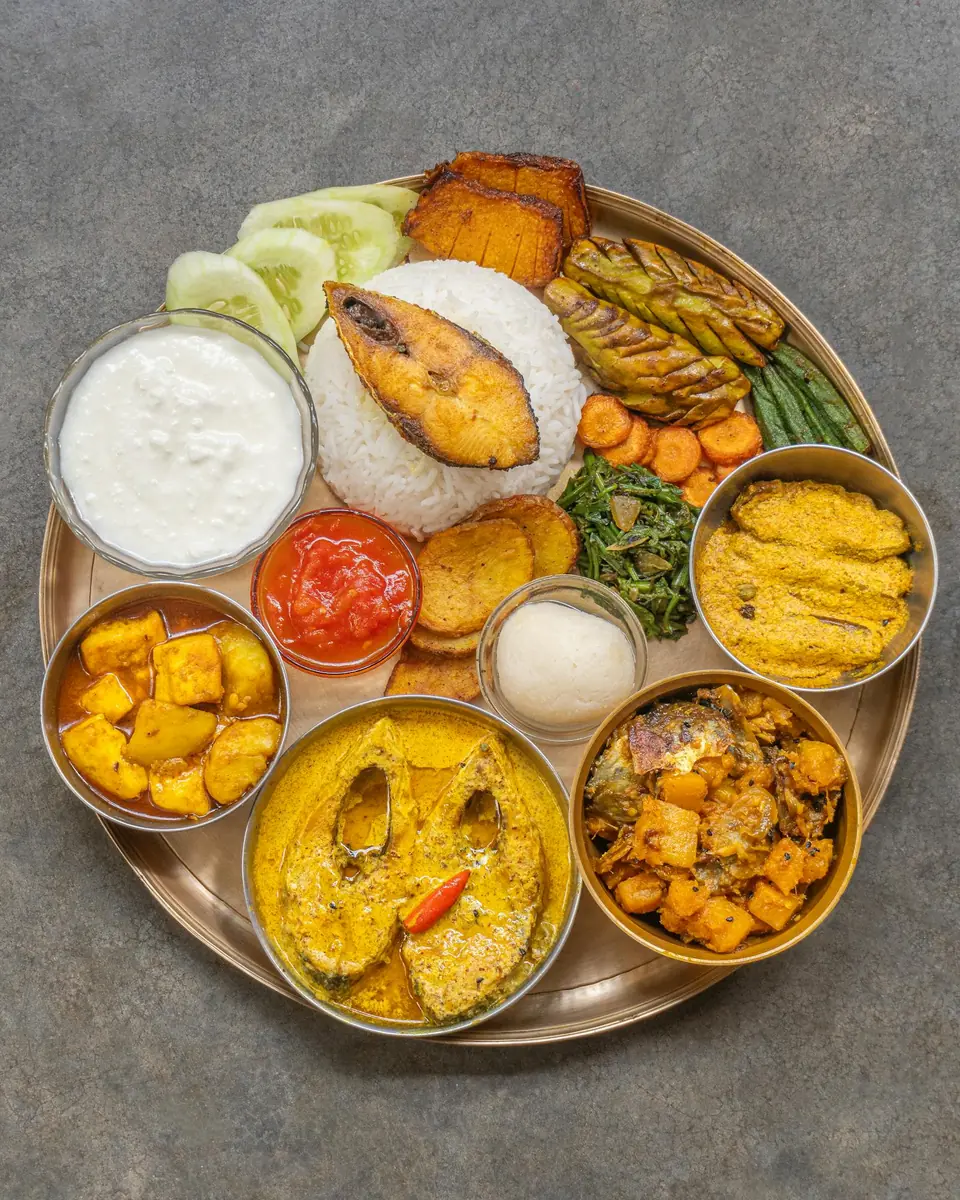
The centre of Sri Lankan eating. Not one dish but many on the same plate: a mound of steamed white rice surrounded by two to five small curries and condiments. A standard lunch plate might include:
- Dhal curry (red lentils cooked with coconut milk, turmeric, and mustard seeds - mild and comforting)
- Pol sambol (grated coconut with dried chili, lime juice, and onion - fiery, used as a condiment)
- One or two vegetable curries (pumpkin, green beans, jackfruit, drumstick, bitter gourd, or whatever's in season)
- Papadam (thin lentil cracker, usually one per serve)
- Fish, chicken, or pork curry (optional, at a small extra cost in most local restaurants)
How to eat it: Mix curries into the rice as you go. Locals eat with the right hand (the left is considered unclean), but spoons are always available without any judgment for using them. The spice builds - don't mix everything in at once if you're not sure how hot it is.
Where to find it: Everywhere. Every town has at least one local restaurant (called a "wayside hotel" locally despite not being a hotel) serving rice and curry at lunch. The lunch rush is 11:30 am–1:30 pm and the curries are freshest then.
Cost: LKR 250–450 at local restaurants. LKR 900–2,000 at tourist restaurants for a similar or worse version.
2. Hoppers (Appam)
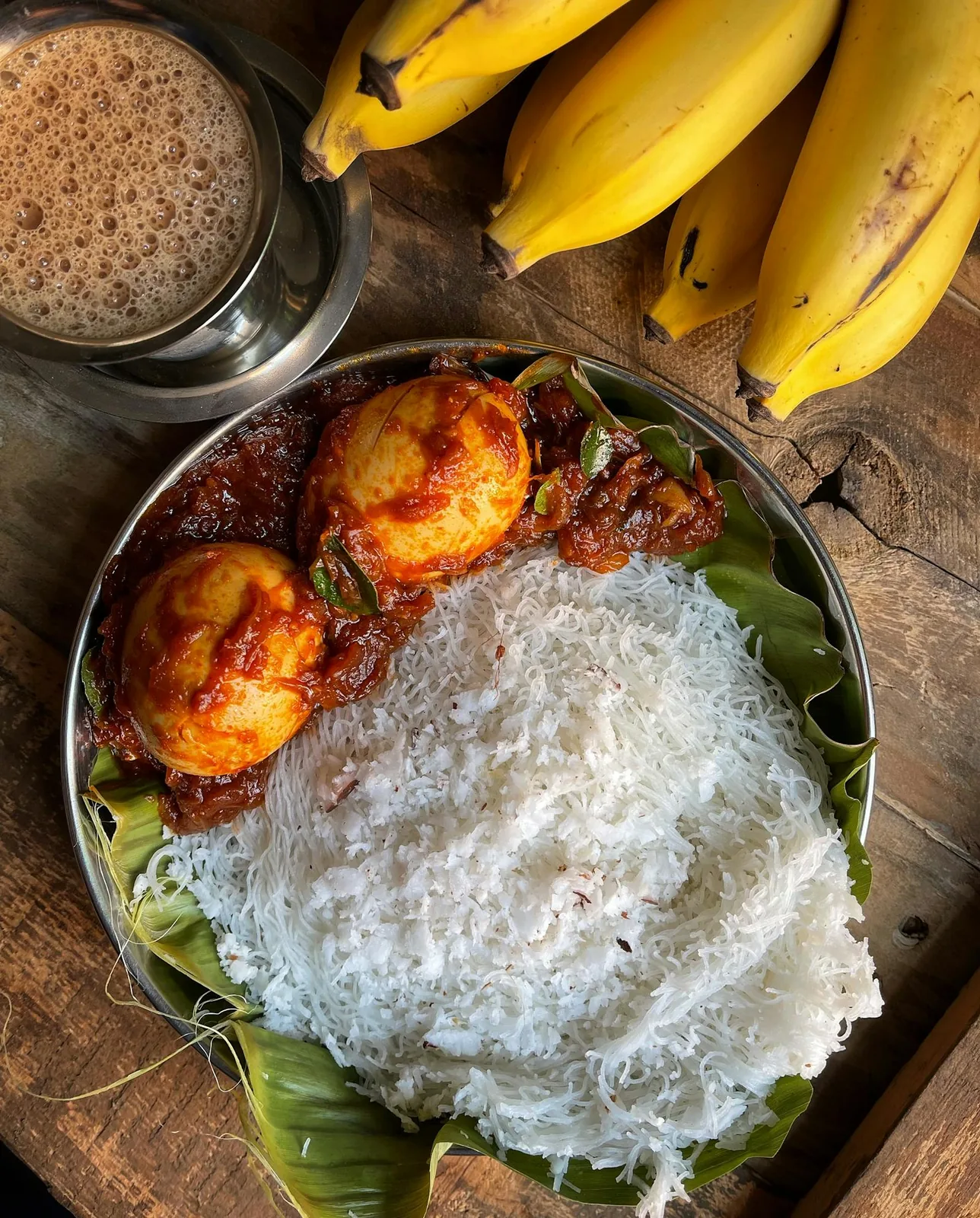
A hopper is a bowl-shaped pancake made from a fermented rice flour and coconut milk batter, cooked in a small curved iron pan. The edges are thin and crispy; the centre is thick and slightly spongy. They're served in pairs or fours and eaten with curry, pol sambol, or seeni sambol (sweet onion relish).
Types of hoppers:
- Plain hopper - the classic version, slightly tangy from fermentation
- Egg hopper - an egg cracked into the centre while cooking, the yolk runny, the white set. The most popular variety.
- Milk hopper - a sweeter version made with more coconut milk
- String hoppers - not actually the same dish (see below), though the name confuses visitors
When: Hoppers are primarily a breakfast and dinner food, not lunch. Many guesthouses serve them at breakfast. Dedicated hopper restaurants open from around 6–9 am and again 6–10 pm.
Cost: LKR 25–60 per hopper.
3. String Hoppers (Idiyappam)
Pressed rice noodles steamed into flat circular patties - delicate, white, and lacy. Usually served as a stack of three to five, with dhal curry poured over the top and a small serve of pol sambol on the side. Occasionally served with coconut milk and a spoon of kithul treacle for a sweeter breakfast version.
Where: Available at the same breakfast spots as hoppers. Also sold at roadside stalls from early morning.
Cost: LKR 40–80 for a portion of three to five.
4. Kottu Roti
The dish you hear before you see. Kottu is made by chopping flatbread (roti or godamba roti) on a hot iron griddle with two metal blades, mixing in egg, vegetables, and optionally chicken, beef, or cheese. The rhythmic metallic clatter of the blades is the sound of every Sri Lankan night market.
Varieties:
- Plain kottu (roti + egg + onion + leek + curry leaves) - the simplest version
- Chicken or beef kottu - most popular
- Cheese kottu - processed cheese melted through, popular with locals
- Kottu with curry - served with a small pot of curry for dipping
Where: Roadside restaurants throughout the island, most active from 6 pm onward. Every small town has at least one.
Cost: LKR 350–700 depending on filling and location.
5. Pol Sambol
Not a dish in itself but the condiment that goes with everything. Grated fresh coconut mixed with dried red chili, small red onion, lime juice, and Maldive fish (dried, cured tuna - optional in vegetarian versions). Dark red, intensely flavoured, hot.
Eat a small amount of pol sambol with every bite of rice and curry. It transforms the meal. The level of heat varies enormously by restaurant and cook - the bright red version in tourist places is usually milder than the darker, drier version at local restaurants.
6. Dhal Curry (Parippu)
Red lentils cooked slowly with coconut milk, curry leaves, mustard seeds, shallots, and dried chili until they reach a thick, deeply flavoured consistency. Sri Lankan dhal is richer and more coconut-forward than Indian versions. It's the one curry you'll find at every meal, in every region, at every budget level.
7. Jackfruit Curry (Polos)
Young jackfruit cooked in a dark, spicy gravy of coconut milk and roasted spices - one of Sri Lanka's great vegetarian dishes. The texture is remarkably meat-like, which surprises many visitors. Available at local rice and curry restaurants, usually as one of the rotating vegetable curries. Worth specifically asking for when you see it.
8. Short Eats
The Sri Lankan term for the small savoury snacks sold at bakeries, bus stands, and tea stalls throughout the day.
The essential short eats:
- Wade (Vade) - lentil doughnut, crispy outside, soft inside, slightly spiced. The most common short eat.
- Isso wade - wade topped with a whole prawn, fried together. Buy these on Galle Fort ramparts at sunset if you see them.
- Fish cutlet - spiced fish mixed with potato, shaped into a ball and deep-fried. Rich and filling.
- Pol roti - thick coconut flatbread, sometimes with dhal. Eaten at breakfast or as a snack.
- Kimbula buns - sweet buns shaped like crocodiles (kimbula = crocodile), a colonial-era bakery staple that Sri Lankan children love.
Where: Every town has a bakery selling short eats from about 7 am until they run out. Bus stands are a reliable place to find them. Cost: LKR 30–80 per piece.
9. Lamprais
A Dutch colonial-era dish: rice, two or three curries, a hard-boiled egg, and a smoked meat or prawn wrapped in a banana leaf and baked. The result is fragrant, slightly smoky, and unlike anything else in Sri Lankan cuisine. Historically made on Sundays (a Burgher tradition), now available at selected bakeries and restaurants, mainly in Colombo.
Where: Cafés and restaurants in Colombo. Green Cabin on Galle Road is one of the most famous lamprais stops.
10. Seafood on the South Coast
The south coast between Galle and Tangalle produces some of the best seafood eating in the country. Restaurants in Mirissa, Weligama, and Tangalle receive fresh fish daily from the harbour - tuna, snapper, barracuda, seer fish, crab, lobster, and prawns.
The simplest preparation - grilled with lime and a thin curry sauce - is usually the best. Ask what came in fresh that morning.
Cost: Crab and lobster vary with the catch; always agree a price before ordering. Fish dishes LKR 600–1,200. See the Mirissa beach guide for specific restaurant recommendations on the south coast.
11. Curd and Treacle (Kiri Pani)
Buffalo curd (thicker and slightly sour, similar to Greek yoghurt) served with kithul palm treacle - a dark, caramel-like syrup tapped from the kithul palm tree. The combination is cooling and sweet and appears on tables at the end of meals and as a standalone dessert at wayside cafés throughout the hill country.
The best kithul treacle comes from the Matale and Kandy areas. Worth buying a small jar to take home - airport customs allows sealed food products.
12. Ceylon Tea
Sri Lanka is one of the world's largest tea producers and the quality at source is exceptional. Tea is served everywhere - at roadside stalls (LKR 20–40 a glass), in guesthouses, and at the tea factory restaurants in the hill country. The standard serve in local restaurants is strong, sweet, and milky (tea + sugar + condensed or fresh milk boiled together). Ask for "plain tea" if you want it black.
The tea country experience: Taking the Kandy to Ella train passes through the best tea-growing regions. Tea factory tours in Nuwara Eliya and Haputale include tasting sessions.
What to buy: Single-estate teas from Nuwara Eliya, Dimbula, or Uva make excellent gifts. Avoid airport gift-box blends - they're often low grade. Buy from a plantation or a reputable Colombo tea shop.
13. Wambatu Moju (Pickled Aubergine)
Small aubergines deep-fried then pickled in a sweet, spiced vinegar-based sauce with shallots and dried chili. Dark, glossy, intensely flavoured. Appears as a condiment alongside rice and curry. One of the signature flavours of Sri Lankan home cooking - less commonly found on tourist menus but standard in every local restaurant.
14. Pittu
Steamed cylinders of rice flour and coconut, cooked inside a bamboo mould. Crumbly and light, served as an alternative to string hoppers or rice at breakfast. Eaten with dhal curry or coconut milk. Less commonly found than hoppers but worth trying when it appears.
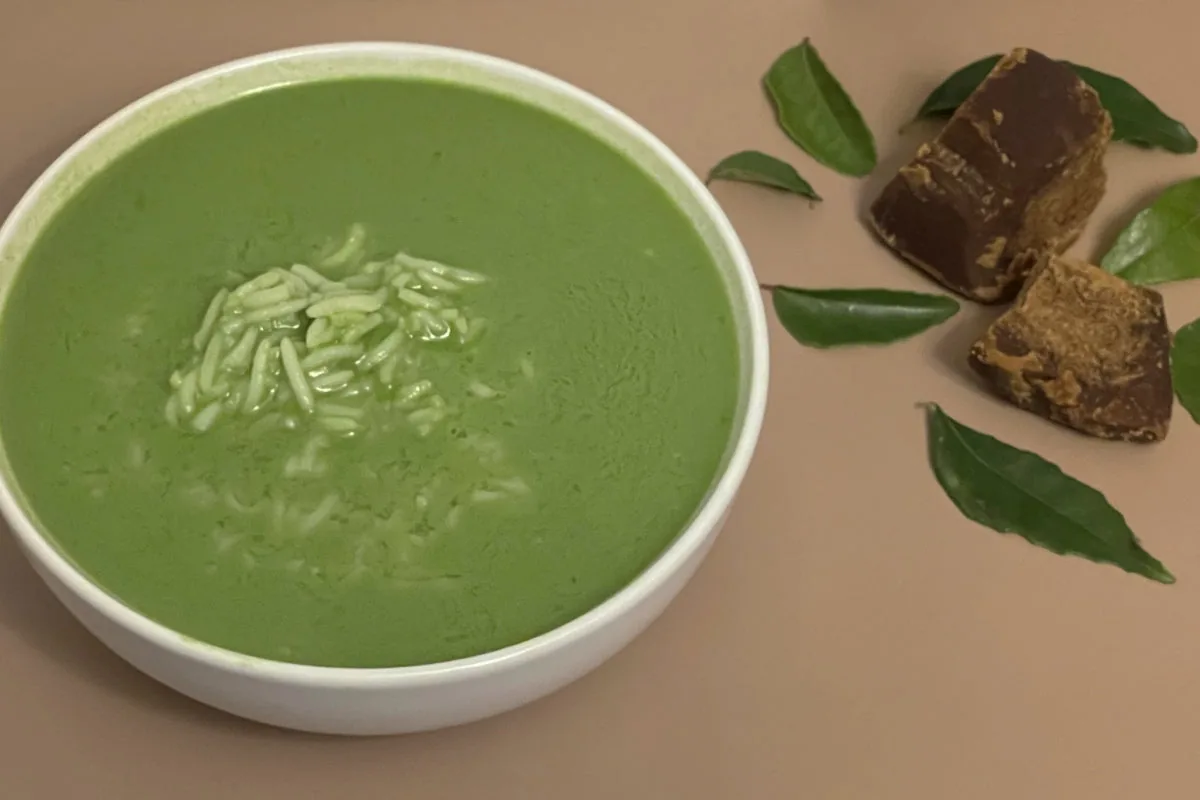
For the most distinctive Sri Lankan breakfast of all, seek out kola kanda - the green herbal rice porridge served at roadside stalls from dawn. And if you want to learn to cook these dishes yourself, the Ella Spice Garden cooking class is the best in the country.
15. Arrack
Not food, but the national drink. Coconut arrack is distilled from fermented coconut flower sap - clear, slightly sweet, roughly 40% ABV, and the base spirit for Sri Lanka's cocktail culture. Served straight, on ice, or as the base in a range of local mixes. The premium brand is Old Reserve Arrack.
Ceylon Arrack + ginger beer + lime = a rough local equivalent to a Moscow Mule. Available at every bar and most restaurants. LKR 400–700 per glass in tourist areas.
Where to Eat: The Key Rule
Eat where locals eat. The most important principle for food in Sri Lanka. A restaurant full of tuk-tuk drivers and office workers at lunchtime is serving better food at lower prices than the empty restaurant with English laminated menus nearby.
"Wayside hotels": Despite the name, these are restaurants - typically simple, tiled floor, fluorescent lighting, a chalkboard menu or just a glass case showing what's available. They serve rice and curry at lunch and short eats and tea at other times. Cost: LKR 200–400 for a full meal. No English menu needed - point at the glass case or say "rice and curry" (universally understood).
Colombo restaurant scene: Colombo has a genuine restaurant culture with excellent options across all cuisines. For Sri Lankan fine dining, Ministry of Crab (a classic but now very touristy) and Nuga Gama (traditional rural cooking) are well-regarded. The Pettah area has some of the most authentic local eating in the city.
Galle Fort: The fort has a cluster of good-quality restaurants that work above tourist-restaurant standard. Pedlar's Inn Café and Church Street Social are good all-day options.
Vegetarian and Vegan Eating
Sri Lanka is genuinely easy for vegetarians. The majority of the traditional diet is vegetable-based - dhal, pol sambol, vegetable curries, hoppers, string hoppers, and short eats are all naturally meat-free.
Common vegetarian dishes to know: Rice and curry (ask to exclude meat - it's usually a separate add-on anyway), dhal curry, pol sambol, jackfruit curry, pumpkin curry, green bean curry, string hoppers, plain hoppers, wade, pol roti, pittu, curd and treacle.
Vegan: Most of the above is vegan or easily made vegan (coconut milk replaces dairy in most curries). Ask specifically about Maldive fish (dried fish) in pol sambol - some versions use it and some don't.
Buddhist-influence areas: In the Cultural Triangle (Anuradhapura, Kandy, Sigiriya areas) and near major temples, vegetarian-only restaurants are common. Worth seeking out - the cooking in these places is often excellent.
Food Safety Tips
- Freshness over variety: At rice and curry lunches, the food sitting in pots since early morning is fine. The food sitting since yesterday is not. Busy restaurants turn over their curries fast.
- Seafood in monsoon: During the off-season (May–October on the south coast), the fishing fleet is often not operating. Fresh seafood at beach restaurants during monsoon may not be as fresh as the menu suggests.
- Spice adjustment: Your stomach needs a few days to adjust to Sri Lankan levels of chili and coconut. Start mild, build up. Curd is a good stomach-settler.
- Water: Always bottled or filtered. This is non-negotiable for the entire trip. See the Sri Lanka safety guide for details.
Sri Lanka Food & Cooking Tours
Street food walks, cooking classes and market tours in Colombo and Galle
Sri Lanka Food: Frequently Asked Questions
What is the most popular food in Sri Lanka? Rice and curry - eaten at lunch by most of the island's population every day. The combination of steamed rice with multiple curries, pol sambol, and papadam is both the everyday staple and the most representative dish of Sri Lankan cuisine.
Are hoppers the same as pancakes? Similar concept but different flavour and texture. Hoppers are made from fermented rice flour and coconut milk batter, which gives them a slightly tangy flavour and a crispy-edged, soft-centred texture that pancakes don't have. The egg hopper (with an egg cooked in the centre) is the most popular version.
Is Sri Lankan food vegetarian-friendly? Very much so. The traditional diet is largely plant-based. Rice and curry with dhal, vegetable curries, and pol sambol is entirely vegetarian (and often vegan). Hoppers and string hoppers are also vegetarian. Meat is typically an add-on rather than the default.
Is Sri Lankan food very spicy? It can be, but the spice level varies enormously. Tourist restaurants usually moderate it significantly. Local restaurants can be intense. Pol sambol is the main heat-delivery component - use small amounts until you've gauged a restaurant's level.
How much does food cost in Sri Lanka? A full rice and curry lunch at a local restaurant costs LKR 250–450 ($0.80–$1.50). A hopper costs LKR 25–60 each. Seafood dinners at beach restaurants range from LKR 800–3,000 depending on what you order. See the Sri Lanka budget guide for detailed food cost breakdowns.
What is kottu roti? Chopped flatbread stir-fried on a hot griddle with egg, onion, leek, and optionally chicken, beef, or cheese. It's cooked with two metal blades that create a distinctive rhythmic clatter - you'll hear it before you see it at any night market. One of the most popular street foods in Sri Lanka.
Can I drink Ceylon tea everywhere in Sri Lanka? Yes. Tea is served everywhere from roadside stalls to five-star hotels. The standard serve is strong, sweet, and milky. Ask for "plain tea" for black tea. For the best quality, visit a tea factory in the Nuwara Eliya or Haputale areas of the hill country.
What is string hoppers? Steamed rice noodle patties - pressed through a mould to create a lacy disc of fine rice noodles, stacked and served with dhal curry and pol sambol. Not the same as regular hoppers despite the name. A breakfast staple throughout Sri Lanka.
Related Guides
- Kola Kanda: Sri Lanka's Ancient Herbal Porridge and Why Locals Swear by It
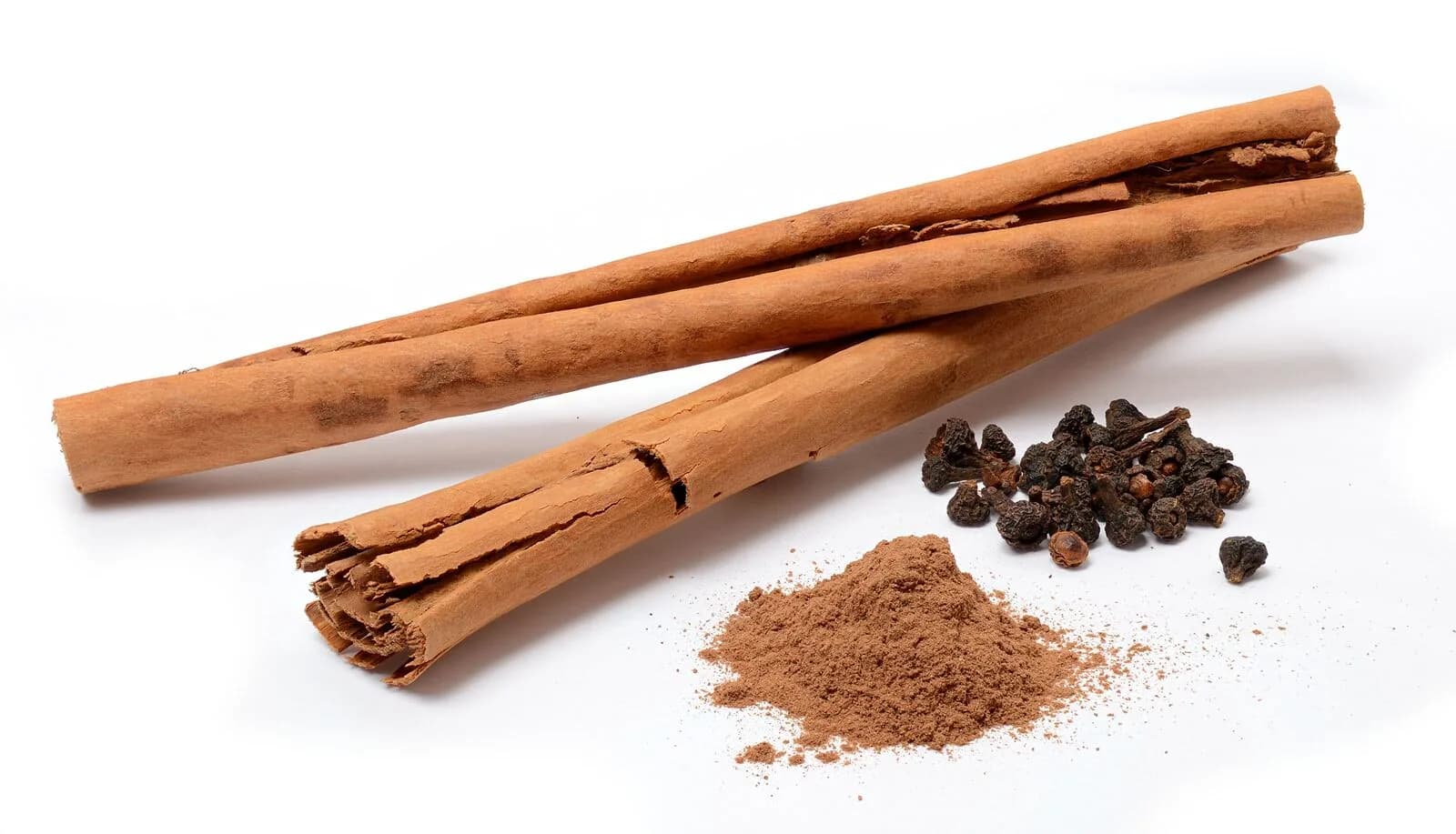
- Ceylon Cinnamon: Why Sri Lanka's 'True Cinnamon' Is in a Different Class
- Why Sri Lanka is the Smartest Long-Haul Choice for European and Australian Travellers in 2026
- Why Sri Lanka Is the Honeymoon Destination Modern Couples Are Choosing Over the Maldives
Advertisement
Flights, hotels and tours - all in one place.
Plan Your Sri Lanka Trip
Find the best price to Colombo from your city
Search Flights →Compare prices across Booking.com, Agoda & more
Find Hotels →Bus fares, train times and transport options
Plan Transport →Powered by Travelpayouts · We may earn a small commission at no extra cost to you.
Leave a Comment
Share your thoughts, questions, or travel experiences