Tip
In brief: Sri Lanka's south and west coasts - especially Hikkaduwa and Polhena beach near Matara - have resident wild green sea turtles that snorkellers can reliably encounter in shallow, calm water. Early morning (6–9 AM) gives the clearest water and fewest people. The one rule that matters more than any other: look, don't touch. Never chase, feed, or grab a turtle - it's harmful to the animal and illegal under Sri Lankan law.
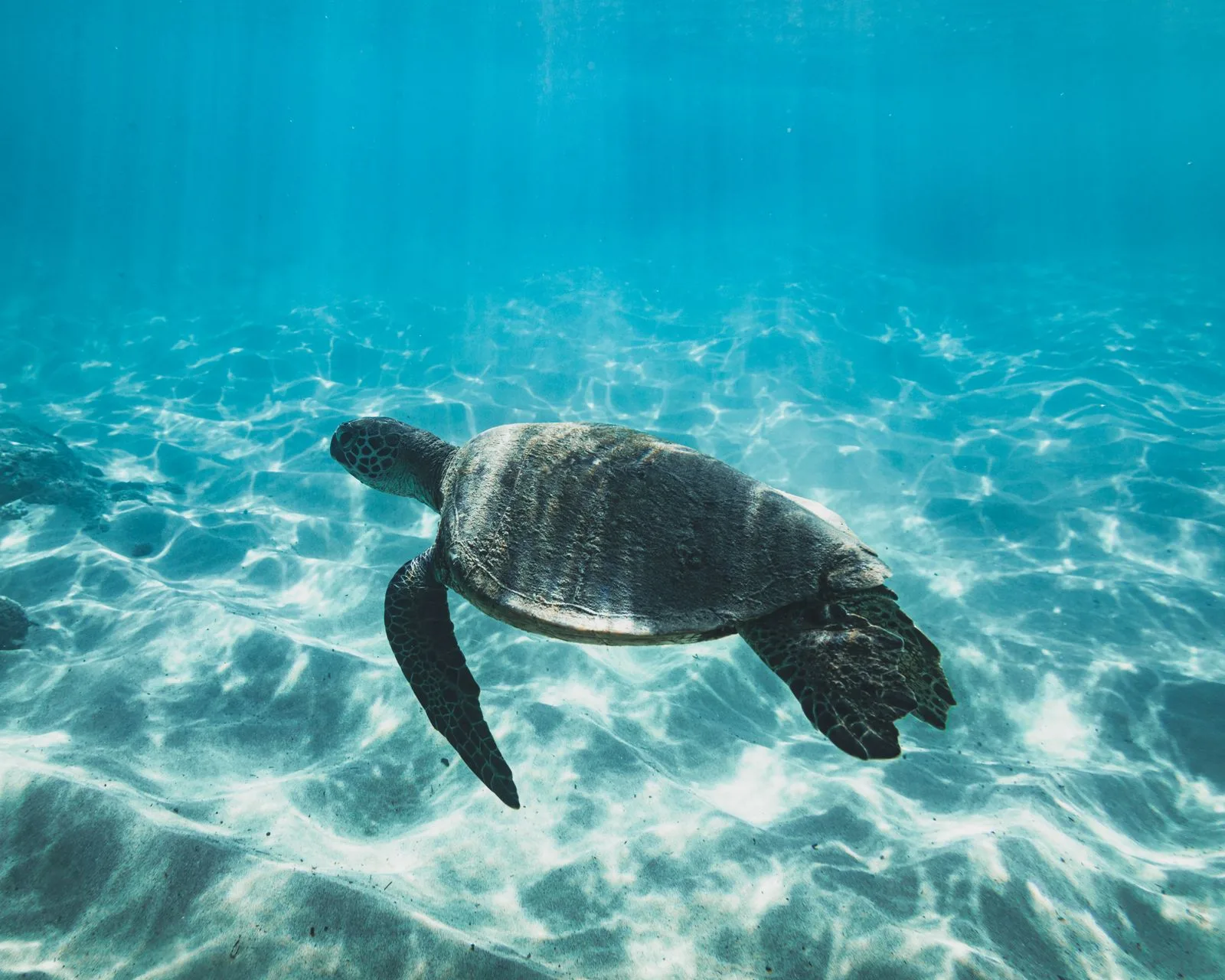
There's a particular kind of quiet that happens the first time a wild sea turtle surfaces a few metres in front of you, takes a breath, and sinks back down to graze on the seabed without a flicker of concern for your presence. It's not a tank, not a show - it's a wild animal going about its day in water shallow and clear enough that you can simply float and watch. Sri Lanka is one of the more reliable places in Asia to have exactly this experience, and you don't need a boat, a dive certification, or a tour booking to do it.
This guide covers where to find them, when to go, what to bring, and - most importantly - how to do it without harming the turtles or breaking the law.
Important
Ethical disclaimer: Sea turtles in Sri Lanka are wild animals protected under the Fauna and Flora Protection Ordinance. Touching, chasing, feeding, or harassing a turtle is both harmful to the animal and a legal offence. Everything in this guide assumes a strict no-touch, keep-your-distance approach - if a tour operator offers to help you "pet" or "ride" a turtle, that operator is breaking the law and you should not book with them.
Where to Swim with Sea Turtles in Sri Lanka
Hikkaduwa Beach
Hikkaduwa, on the west coast about two hours south of Colombo by train, is the island's most established turtle-watching spot. The water along the coral sanctuary and the stretch in front of the Hikka Tranz area is shallow, calm, and clear, and several green sea turtles return to feed on the same patches of reef and seagrass daily - they're used to snorkellers and rarely spook.
Best time to visit: Early morning, roughly 6–8 AM, before the wind picks up and the beach gets busy with boat traffic and other snorkellers. Some visitors also report good midday sightings, but mornings consistently give calmer, clearer water.
Practicalities: Snorkel mask and fins rent from beach-side stalls for roughly USD 3–8 (LKR 300 upwards) per session. Glass-bottom boat tours and guided snorkel trips are widely available if you'd rather not go in alone, typically a few thousand rupees per person - but you can just as easily walk in from the beach yourself. See the full Hikkaduwa beach guide for where to stay and what else to do.
Ethical note: Hikkaduwa's turtles are accustomed to people, which makes it tempting to get close - resist it. Keep your distance, never touch, and don't follow a turtle if it swims away from you. Feeding turtles (some boat operators have historically done this to guarantee sightings for tourists) alters their natural foraging behaviour and should be avoided and reported.
Polhena Beach (near Mirissa/Matara)
Polhena is the quieter alternative, a small reef-protected lagoon beach near Matara, about 10 km (roughly 15 minutes by tuk-tuk, around LKR 1,000 one-way) from Mirissa. The reef creates a natural breakwater, so the water inside is exceptionally calm and shallow - genuinely one of the most beginner- and family-friendly snorkel spots on the island, with turtles sighted regularly, especially in the morning.
Best time to visit: Mornings again, for the same reasons as Hikkaduwa - calmer water and turtles more active before the day's traffic builds up.
Practicalities: Snorkel gear is available to rent right on the beach. Because the lagoon is shallow and protected, it's a good option for nervous swimmers or anyone snorkelling with kids.
Ethical note: Polhena's appeal is precisely that it's less crowded than Hikkaduwa - help keep it that way by giving the turtles space and not crowding around a single animal if a few other snorkellers are already nearby.

Ethical Guidelines for Swimming with Sea Turtles
The golden rule: look, don't touch. A turtle's shell and skin are covered in a thin protective mucus layer that touching can strip away, leaving them more vulnerable to infection. Human contact also transfers oils, sunscreen residue, and bacteria, and simply stresses a wild animal that has no way to consent to the interaction. Under Sri Lanka's Fauna and Flora Protection Ordinance, harassing, capturing, or harming a sea turtle is a criminal offence that can carry fines and even imprisonment - this isn't a grey area.
Maintain distance. Keep at least 2–3 metres back. Don't swim directly at a turtle, don't chase one that's moving away, and never position yourself to block its path back to the surface for air or back out to open water.
No feeding. Feeding alters a turtle's natural diet and foraging behaviour, can make them dependent on humans or boats for food, and risks introducing food that makes them ill. If you see an operator feeding turtles to guarantee a sighting, don't reward that business with your money.
Use reef-safe sunscreen. Standard sunscreens containing oxybenzone and octinoxate are harmful to coral reefs and the marine ecosystem turtles depend on. Mineral-based, reef-safe sunscreen is widely available and makes no difference to your own sun protection.
Avoid flash photography. If you're snorkelling with an underwater camera, skip the flash - it can startle and disorient turtles, especially in low light.
Choose responsible operators. If you book a guided snorkel or boat trip, ask how they handle turtle encounters before you pay. A responsible operator keeps a respectful distance, doesn't feed or touch wildlife, and briefs guests on the same no-touch rules covered here.
What to Bring
- Snorkel mask and fins (rent locally for a few dollars, or bring your own if you prefer a proper fit)
- An underwater camera or housing, if you want photos (no flash)
- Reef-safe, mineral-based sunscreen
- A towel, drinking water, and a hat for the walk to and from the water
- Reusable water bottle - plastic waste on these beaches directly affects the marine environment turtles live in
Best Time of Year to See Turtles
Sea turtles can be seen swimming and feeding in Sri Lanka's coastal waters year-round, since green turtles in particular tend to be resident rather than just passing through. That said, conditions are best avoiding the southwest monsoon (roughly May–September), when rougher seas and reduced visibility make snorkelling less pleasant on the west and south coasts. December to April is the most reliable window for calm water and good visibility at both Hikkaduwa and Polhena.
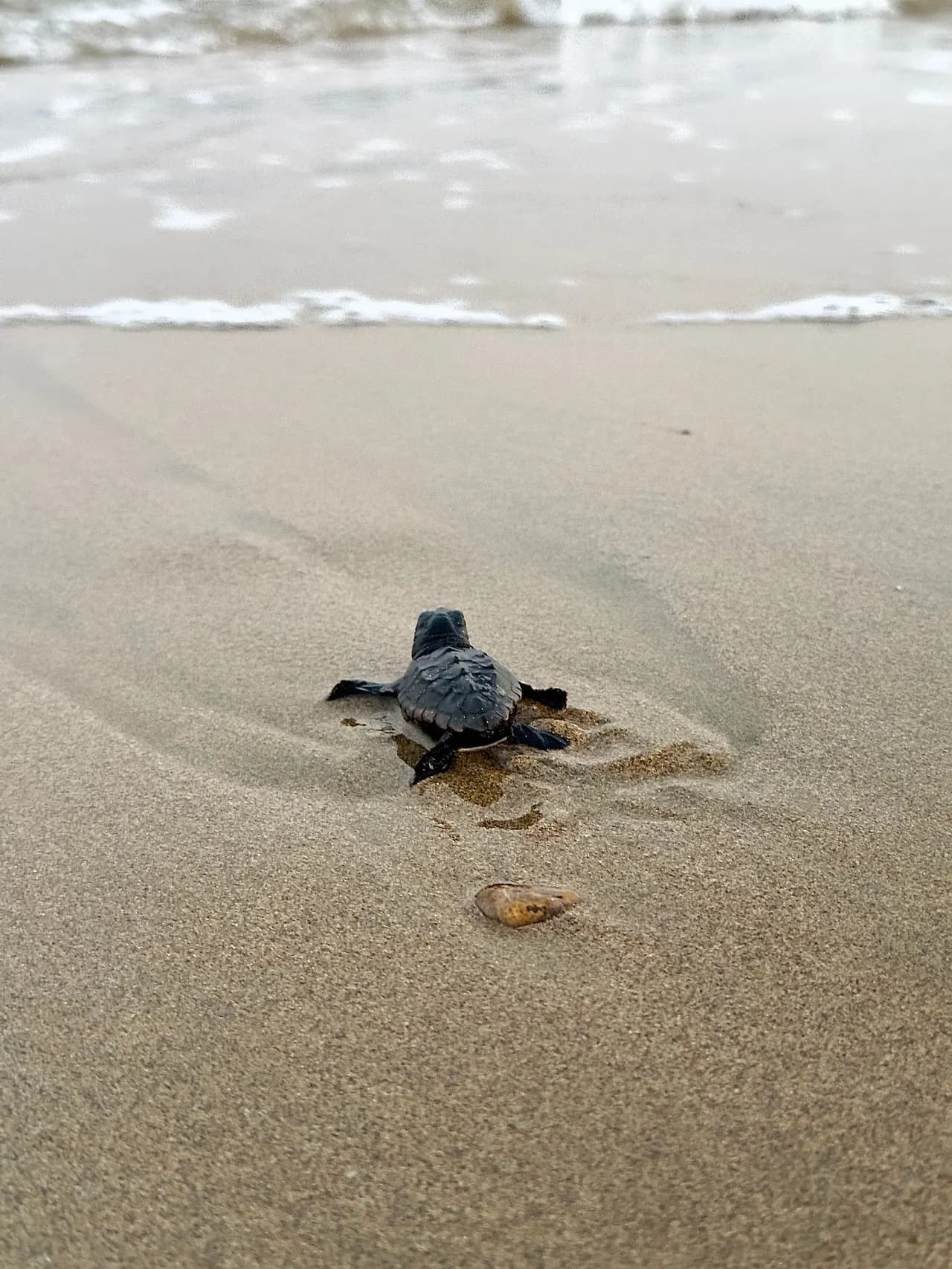
This is separate from nesting season, which peaks roughly October to March at south coast beaches - if you want to see nesting or hatchling activity rather than swimming with turtles, see our companion guide to visiting an ethical turtle hatchery in Sri Lanka.
Sri Lanka's Sea Turtles: Frequently Asked Questions
Can you really swim with wild sea turtles in Sri Lanka? Yes. Hikkaduwa and Polhena beach both have resident green sea turtles that snorkellers regularly encounter in shallow water, with no boat or dive certification required. Sightings aren't guaranteed on any single day, but they're common enough that most visitors who go in the early morning see at least one turtle.
Is it safe to touch a sea turtle if it swims close to you? No. Even if a turtle approaches you, you should never touch it. Touching can damage their protective mucus layer, transfer bacteria, and stress the animal - and it's illegal under Sri Lanka's wildlife protection laws regardless of who initiates the contact.
Which is better for beginners - Hikkaduwa or Polhena? Polhena, generally. Its reef-protected lagoon is shallower and calmer, making it more forgiving for nervous swimmers, children, or first-time snorkellers. Hikkaduwa has more infrastructure (gear rental, boat tours, accommodation) and slightly more turtle activity, but also more people and boat traffic.
Do I need a guide or tour to see turtles? No - both beaches allow you to walk in and snorkel independently with rented gear. A guided tour can be useful if you want local knowledge of where turtles are currently feeding, or if you're not a confident swimmer, but it isn't required.
What should I do if I see a tour operator touching or feeding turtles? Don't book with them, and where possible report the behaviour to your accommodation or a local conservation group - this kind of practice damages both the turtles and the long-term sustainability of turtle tourism on the island.
Related Guides
- Turtle Hatcheries in Sri Lanka: Supporting True Conservation (and How to Spot the Fakes)
- Hikkaduwa Beach Guide 2026: Surf, Snorkel & What to Expect
- Mirissa Beach Sri Lanka Guide 2026: Whale Watching, Surfing & Where to Stay
- Sri Lanka's Hidden Gems: Five Places Even Well-Travelled Visitors Miss
Advertisement
Flights, hotels and tours - all in one place.
Plan Your Sri Lanka Trip
Find the best price to Colombo from your city
Search Flights →Compare prices across Booking.com, Agoda & more
Find Hotels →Bus fares, train times and transport options
Plan Transport →Powered by Travelpayouts · We may earn a small commission at no extra cost to you.
Leave a Comment
Share your thoughts, questions, or travel experiences