Tip
In brief: Sri Lanka's south coast has dozens of turtle hatcheries, and they range from genuinely valuable conservation projects to tourist traps that keep hatchlings in tanks far longer than is good for them. The most ethical approach prioritises protecting nests where they are (in situ), releases hatchlings into the ocean the same night they hatch, and never lets visitors touch the turtles. Rekawa Turtle Watch, near Tangalle, is the clearest example of best practice on the island - it doesn't relocate eggs at all, instead protecting nesting turtles directly on the beach.
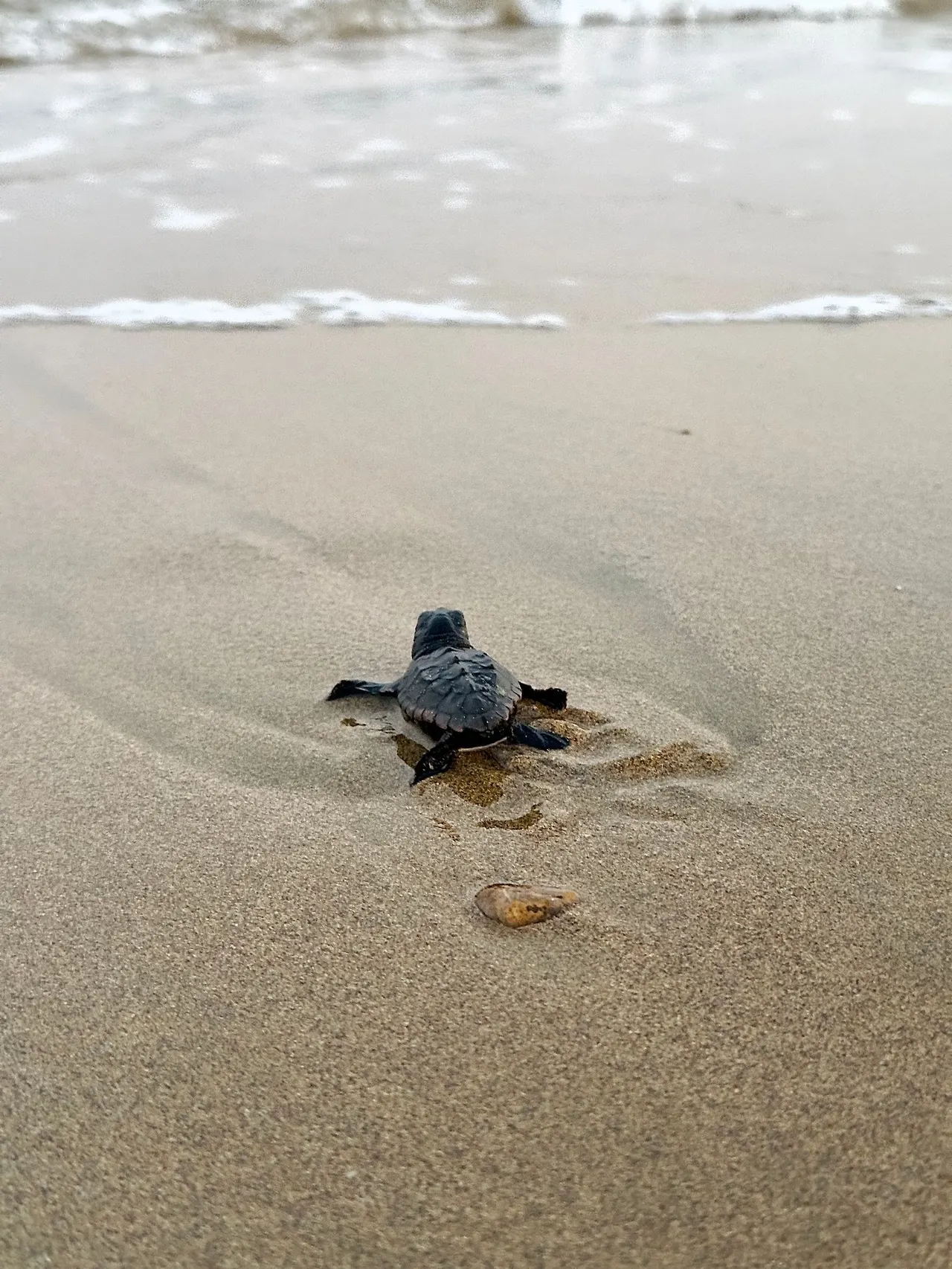
There's something undeniably moving about watching a tiny hatchling make its first uncertain scramble toward the surf. It's also one of the most exploited images in Sri Lankan tourism - plenty of operators have built a business around it without doing much for actual conservation. Before you pay an entrance fee, it's worth understanding what a genuinely ethical hatchery does differently, and which of the well-known names on the south coast are worth your time and money.
Important
Ethical disclaimer: The turtle hatchery industry in Sri Lanka is genuinely controversial. Some operators function as legitimate conservation projects; others are functionally tourist attractions that keep turtles in cramped tanks, allow excessive handling, or hold hatchlings far longer than necessary purely so visitors have something to look at. This guide is designed to help you tell the difference, not to recommend visiting a hatchery as a default activity.
The Role of Turtle Hatcheries in Conservation
Hatcheries exist, in principle, for good reasons: protecting turtle eggs from poachers and predators (including, historically, local communities collecting eggs for food), caring for turtles injured by boat strikes or fishing nets, and increasing the survival rate of hatchlings that would otherwise face heavy predation on an open beach.
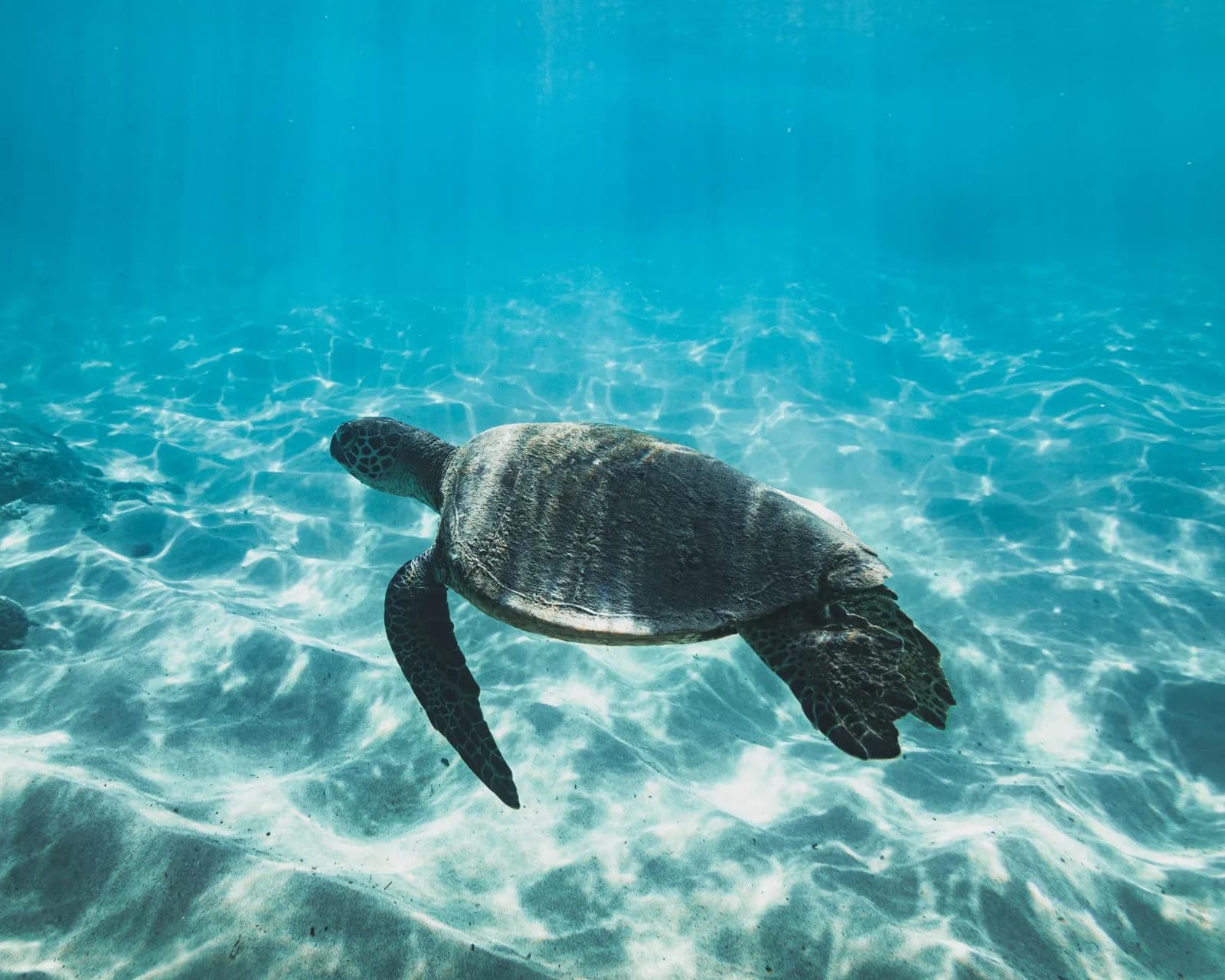
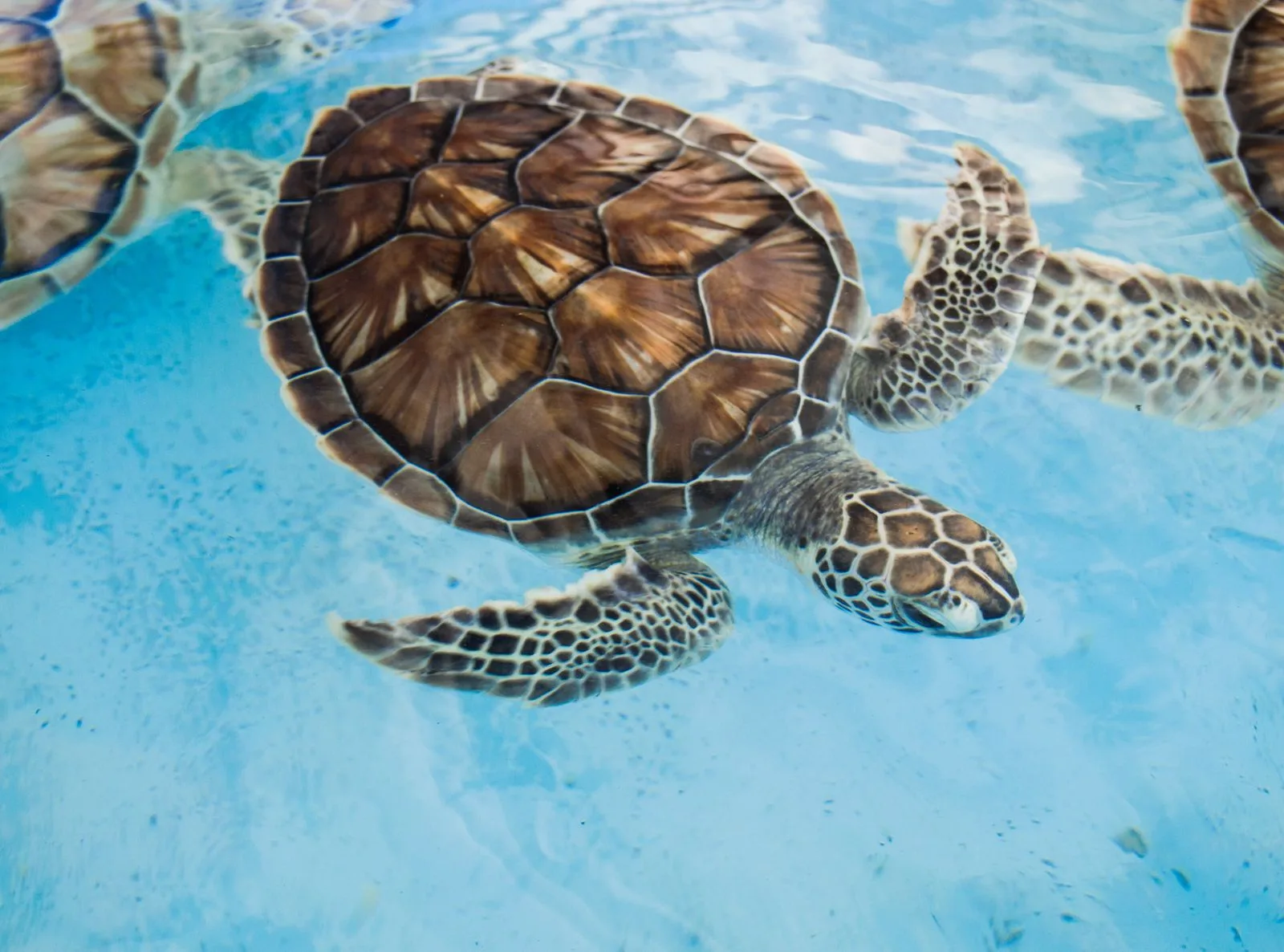
Five species of sea turtle are found in Sri Lankan waters: the Green Turtle, Loggerhead, Leatherback, Hawksbill, and Olive Ridley. All five are protected under the Fauna and Flora Protection Ordinance, and several are listed as endangered or critically endangered globally.
The genuine conservation value of a hatchery depends entirely on how it operates - which is where the real differences between projects show up.
How to Identify an Ethical Turtle Hatchery
Prioritises in-situ conservation. The most rigorous approach doesn't relocate eggs to a hatchery at all - it protects nests where the mother turtle laid them on the beach, monitoring the site until the eggs hatch naturally. This is harder to manage and offer as a tourist activity, which is exactly why fewer operators do it.
No long-term rearing of hatchlings. Hatchlings should be released into the ocean the same night they hatch, ideally after dark when predation risk is lower. Keeping hatchlings in tanks for days or weeks - something several hatcheries still do, partly so there's always something for visiting tourists to see - measurably reduces their survival instincts and physical condition once released.
No touching or handling. Visitors should never be invited to hold, touch, or pose with turtles of any age. Beyond the stress this causes the animal, human handling can transfer disease and damage a hatchling's shell or skin at the most vulnerable stage of its life.
Rehabilitation, not permanent display. Injured adult turtles should be in active treatment with a goal of release back to the ocean - not kept indefinitely as a tank exhibit for visitors.
Transparency. A genuine conservation project should be willing to explain where its funding comes from, how eggs are sourced, and what its release outcomes actually look like. Vague or evasive answers are a red flag.
Accreditation and partnerships. Look for affiliation with Sri Lanka's Department of Wildlife Conservation or a recognised international conservation body, rather than a hatchery operating purely as an independent commercial attraction.
Recommended (More Ethical) Hatcheries
Rekawa Turtle Watch
Located on a 2 km stretch of beach near Tangalle on the south coast, Rekawa takes the most genuinely conservation-led approach on the island: rather than collecting eggs into a hatchery, the project protects nests in situ and runs guided night walks (roughly 8:30–11:30 PM) to observe wild turtles coming ashore to lay eggs. Red-filtered lights and strict silence are enforced so as not to disturb nesting turtles, and entrance fees directly fund a team of local nest protectors who patrol the beach. Five of Sri Lanka's sea turtle species nest here, and the best season for sightings is roughly April to July.
Kosgoda Sea Turtle Conservation Project
One of the longest-running hatcheries in Sri Lanka, established in 1981. Kosgoda's conservation model centres on buying turtle eggs from local fishermen at a price high enough to discourage them being sold for human consumption - a legitimate harm-reduction strategy in places where egg poaching was historically common. That said, the facility has drawn criticism over the years for cramped tank conditions for some of its adult turtles. If you visit, ask directly how long hatchlings are held before release and how adult turtles in care are housed - and judge for yourself whether the answers hold up.
Other South Coast Locations
Smaller hatcheries operate near Hikkaduwa, Mirissa, Unawatuna, and Galle, with varying standards. None should be assumed ethical by default - the questions in the section above apply everywhere, not just at the two named projects.
What to Expect During a Visit
Entrance fees are typically modest - somewhere in the region of LKR 1,000–2,000 for foreign visitors, sometimes structured as a donation rather than a fixed ticket price. At a genuine conservation project, this fee should visibly support nest protection, staff, and release programmes rather than disappearing into general operating profit.
The educational element is usually the strongest part of any hatchery visit - learning about turtle life cycles, the specific threats each species faces (plastic pollution, egg poaching, boat strikes, beachfront development), and what conservation actually requires.
Viewing injured or recovering turtles should always be from a respectful distance, with no expectation of touching them.
Hatchling releases, if offered during your visit, should happen at night, follow the hatchlings' own pace down the beach, and involve no human handling beyond placing them gently on the sand to find their own way to the water. If you're invited to personally pick up and place hatchlings in the water, that's a sign of an operation prioritising the visitor experience over the animal's welfare.
Supporting Turtle Conservation Beyond a Single Visit
- Donate directly to established, transparent conservation organisations rather than relying solely on entrance fees
- Join a beach clean-up - plastic and other debris on nesting beaches is a direct threat to both adult turtles and hatchlings
- Report illegal activity, such as egg poaching or the sale of turtle products, to Sri Lanka's Department of Wildlife Conservation
- Choose your operators carefully - the questions in this guide apply to every hatchery and tour you consider, not just the ones named here
Sri Lanka Turtle Hatcheries: Frequently Asked Questions
Are turtle hatcheries in Sri Lanka ethical? It depends entirely on the individual operator. Some genuinely protect eggs and release hatchlings responsibly; others keep hatchlings in tanks far longer than necessary and allow excessive handling. Ask directly about release timing, egg sourcing, and how long animals are held before deciding whether to visit or pay.
What is the most ethical turtle hatchery in Sri Lanka? Rekawa Turtle Watch, near Tangalle, is widely regarded as the gold standard because it protects turtle nests in situ on the beach rather than relocating eggs to tanks, and its night walks are designed around minimal disturbance to nesting turtles.
Should I touch or hold a baby turtle if a hatchery offers it? No. Even at hatcheries that present this as a highlight experience, handling stresses hatchlings and risks transferring disease or damaging their shells at the most fragile point in their life cycle. A genuinely ethical operation will never offer this.
What are the five sea turtle species found in Sri Lanka? Green, Loggerhead, Leatherback, Hawksbill, and Olive Ridley turtles are all found in Sri Lankan coastal waters, and all five are legally protected.
When is turtle nesting season in Sri Lanka? Nesting happens at various south coast beaches roughly from October to March, with some regional and species variation - Rekawa's peak nesting activity, for example, runs April to July. If you want to see swimming turtles rather than nesting or hatchlings, see our guide to swimming with sea turtles in Sri Lanka instead.
How much does it cost to visit a turtle hatchery in Sri Lanka? Most hatcheries charge in the range of LKR 1,000–2,000 for foreign visitors, sometimes as a suggested donation rather than a fixed fee. Rekawa's night turtle watch is priced similarly, with child discounts and a partial refund policy if no nesting turtle appears.
Related Guides
- Ethical Encounters: Your Guide to Swimming with Sea Turtles in Sri Lanka
- Hikkaduwa Beach Guide 2026: Surf, Snorkel & What to Expect
- Mirissa Beach Sri Lanka Guide 2026: Whale Watching, Surfing & Where to Stay
- Galle Fort Sri Lanka Guide 2026: What to See, Do & Where to Stay
Advertisement
Flights, hotels and tours - all in one place.
Plan Your Sri Lanka Trip
Find the best price to Colombo from your city
Search Flights →Compare prices across Booking.com, Agoda & more
Find Hotels →Bus fares, train times and transport options
Plan Transport →Powered by Travelpayouts · We may earn a small commission at no extra cost to you.
Leave a Comment
Share your thoughts, questions, or travel experiences